
ToFu • Informational/Guide • Neutral & standards-backed • Adults 21+ where permitted • No medical claims
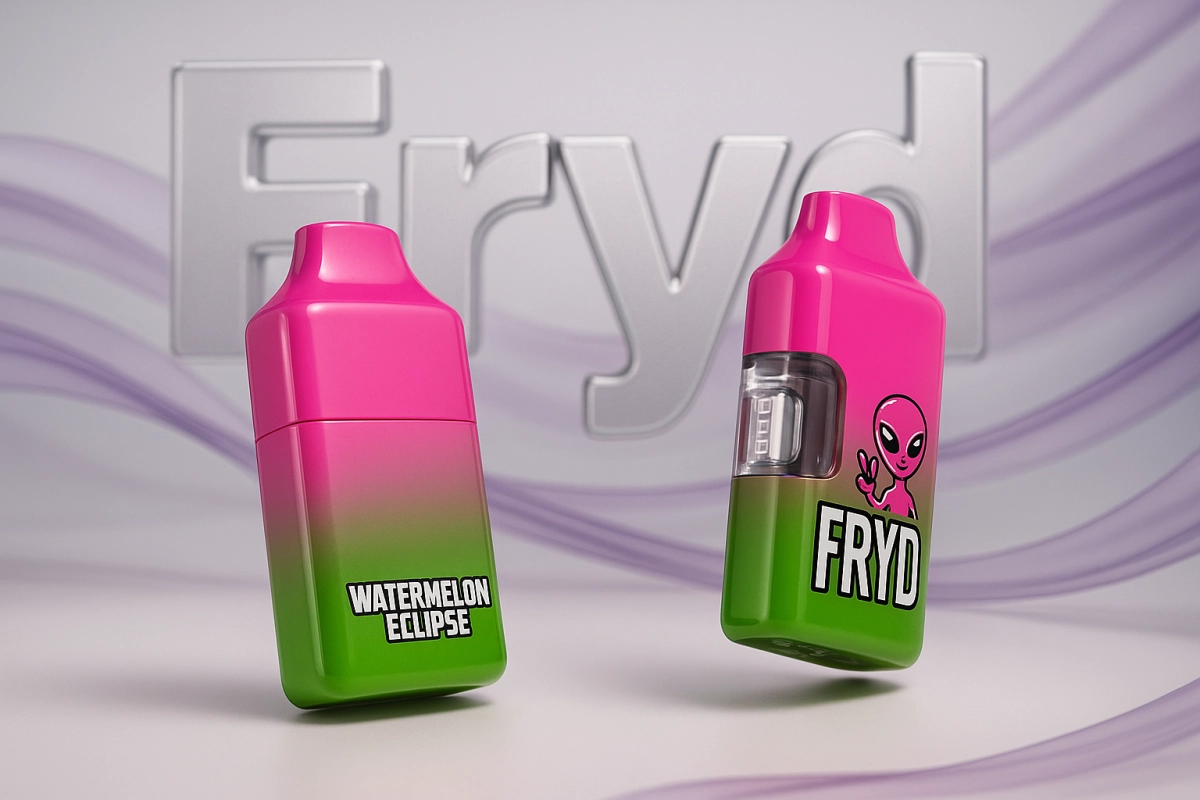
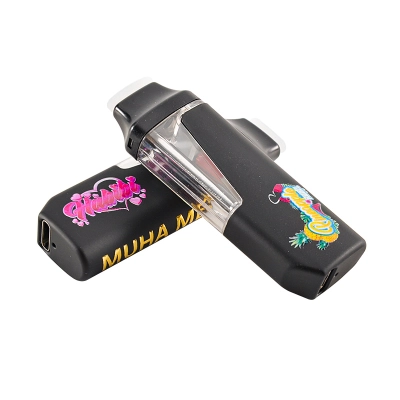
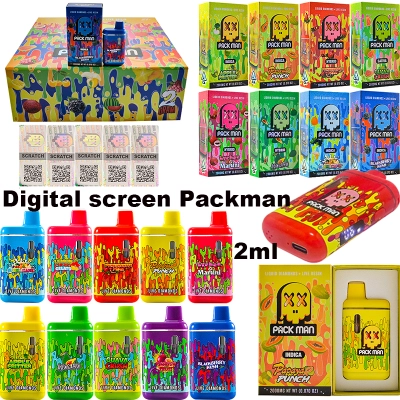
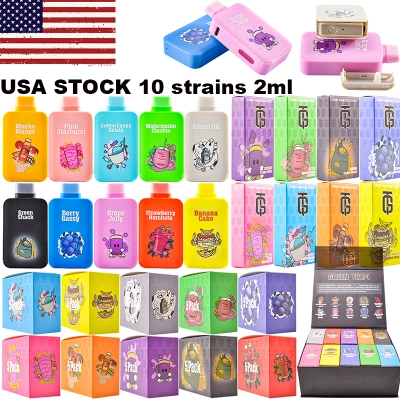
This page gives you a clear, non-promotional framework for researching fryd carts —what to check for authenticity, which safety documents to ask for, and how to choose technical specs that fit your needs. We discuss empty hardware and documentation practices only; availability, pricing, and jurisdictional legality vary by region.
1) Authenticity: signals you can actually verify
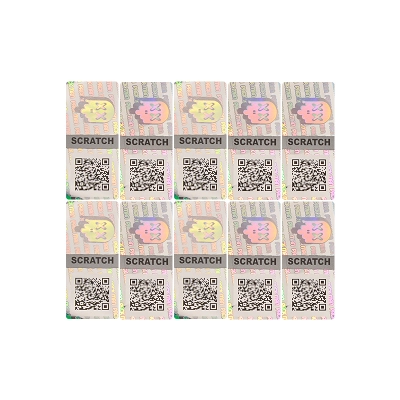
Start with traceability. Legitimate programs pair packaging identifiers (batch/lot, date codes, sometimes QR/NFC) with a data source you can query. The GS1 Digital Link standard explains how a URL can encode GTIN + batch/serial for brand lookups. In California’s licensed market, METRC is the official “seed-to-sale” track-and-trace system; licensed sellers maintain product UIDs and movement logs. For state regulator tips on using track-and-trace, see DCC’s 5-step starter.
Paperwork matters as much as packaging. Ask for recent third-party COAs for relevant panels and verify the lab’s accreditation against ISO/IEC 17025 (competence of testing/calibration labs). Avoid products from informal sources; the CDC linked vitamin E acetate in illicit THC cartridges to EVALI in 2019 (MMWR).
Need a practical screening routine? See our engineering-first Incoming QC SOP (AQL + airflow tests) for reproducible checks that catch poor builds before they reach customers.
2) Safety: standards, transport & competent labs
2.1 Device electrical systems
For battery-operated vaping devices, UL 8139 provides an electrical systems safety framework covering batteries, heating, charging and protective circuits (note: it does not assess the oil itself).
2.2 Lithium battery transport
Air and ground shipments require lithium cells/packs to be tested to UN 38.3. Request the PHMSA-recognized UN 38.3 Test Summary for the exact cell/pack used (PHMSA’s 2024 update clarifies content and availability expectations).
2.3 Third-party labs & evidence
When analytical claims are made, prefer labs operating to ISO/IEC 17025 principles and ensure the batch/UID on the COA matches the product package. Do not add vitamin E acetate (VEA) to any vaping product and avoid informal sources (CDC).
Materials touching the mouth or oil should also follow a risk-managed biocompatibility and E/L approach. See our guide on mouth-contact & seal materials compliance (ISO 10993 + E/L).
3) Product selection: coil, airflow, seals & charging
3.1 Coil & intake geometry
Ceramic geometry and resistance shape the heat profile. Higher resistance with conservative pre-heat is more forgiving for viscous oils; larger intake ports improve wicking but can elevate leak risk if seals and tolerances are loose. Ask vendors for resistance specs, port dimensions, and a recommended pre-heat/voltage map.
3.2 Airflow feel & condensate control
Draw-resistance (ΔP) and air-path sealing drive perceived quality. Specify an allowable ΔP window and validate with AQL spot checks. Poor mouthpiece locks or under-torqued threads are common leak points.
3.3 Seals, torque windows & QC
Robust designs pair the right O-ring material/durometer with tested torque or press-fit windows and simple gauges. If you’re comparing models, prioritize the one with a published window and repeatable checks over flashy cosmetics. Our troubleshooting note on seal integrity & QC (torque windows + Go/No-Go) shows how to establish a window and audit it on the line.
3.4 USB-C behaviors & protections
Verify charge termination and current limits across common adapters (PD and non-PD). Document over-current/over-temp/over-voltage protections and confirm robust connector mounting (wiggle tests, inspection after vibration).
Chemical restrictions and documentation should also be part of your selection criteria. For a buyer-oriented overview, see RoHS/REACH for empty vape hardware (2025).
4) One-page checklist (copy/paste)
- Traceability: serialization/QR present; batch/lot maps to seller records; for CA, seller maintains METRC UIDs.
- Documentation (hardware): UL 8139 context acknowledged; UN 38.3 Test Summary for the exact cell/pack on file.
- Laboratory evidence: COAs from ISO/IEC 17025-accredited labs; batch/UID matches packaging.
- Seals & assembly: O-ring material/durometer specified; torque/press-fit windows validated; Go/No-Go gauges defined.
- Airflow & draw feel: target ΔP window; AQL sampling plan and acceptance criteria documented.
- Charging behaviors: termination voltage, current limit, and protections verified across common adapters.
- Policy & sourcing: no vitamin E acetate; avoid informal/illicit sources (CDC).
For a reproducible IQC routine, see our Incoming QC (AQL + airflow).
5) FAQ
Are FRYD carts legal everywhere?
Jurisdictions differ widely. Follow local/state rules and work only with licensed sellers. In CA, licensed operators use METRC for track-and-trace.
Does UL 8139 “certify” a product is safe to inhale?
No. UL 8139 covers device electrical systems (battery/charging/heating/protection)—not the oil or health effects. See UL’s program overview here.
What should I request for lithium-battery paperwork?
The official UN 38.3 Test Summary for the exact cell/pack model used. PHMSA explains the requirement and content expectations here.
What site resources help me compare builds without sales hype?
Disclosure & scope: Educational content for adults 21+; hardware-first perspective; no medical claims; laws vary by location. External resources: UL 8139 (device electrical systems), UN 38.3 (lithium transport), ISO/IEC 17025 (lab competence), GS1 Digital Link (serialization), METRC (CA track-and-trace), CDC MMWR (EVALI/VEA history).
3 Comments
Interesting perspective. Learned something new today.
Thanks for sharing this! Really enjoyed the insights.
Great read — simple and straight to the point.