
MoFu • Informational / Steps • Keyword: how to use a vape pen • Pillar: how do vapes work
60-second quick start
Do this first
- Identify device type (Disposable vs Pod vs 510).
- Confirm seating: insert/attach until it sits flush—no wobble.
- Check airflow: ensure vents and mouthpiece aren’t blocked.
- Start gentle: short, slow draws; pause between draws.
Success signals
smooth airflow no gurgle no burnt taste consistent response
If you get harshness, gurgling, or inconsistent response, skip ahead to the troubleshooting flowchart.
Step 0: Identify your device type (so you don’t do the wrong “fix”)
The fastest way to learn how to use a vape pen correctly is to follow the right workflow for your device category. Most “beginner problems” come from mixing instructions across device types.
| Device type | How it looks | What you should (not) do | Common beginner mistake |
|---|---|---|---|
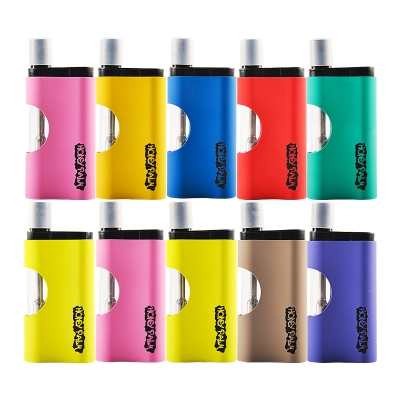
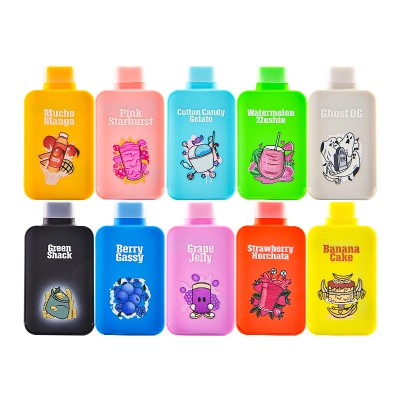
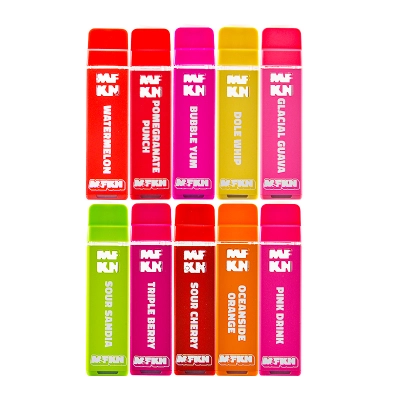
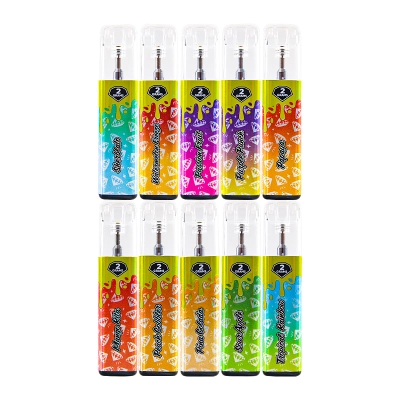
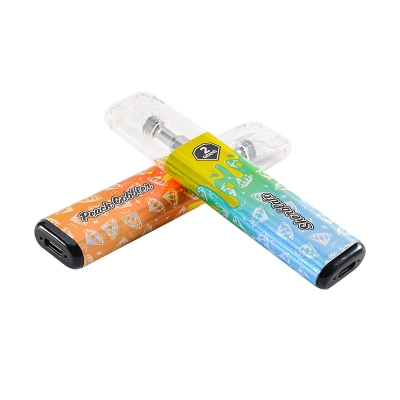
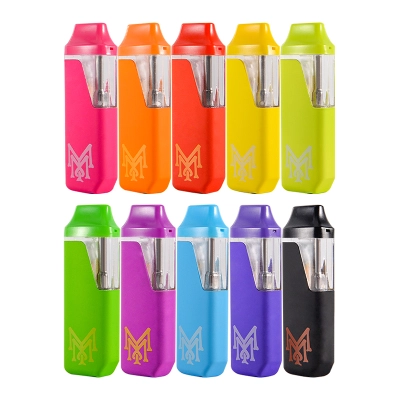
| Disposable (sealed) | All-in-one unit; typically no removable tank/pod | Use as-is; don’t disassemble; keep vents clear | Trying to “open” it to fix a clog |
| Pod system | Removable pod clicks/snaps into a device | Insert pod fully; manage condensation; keep contacts clean | Not seating the pod fully (intermittent response) |
| 510 battery + cartridge/tank | Threaded connection at the top (screw-on) | Hand-tight only; keep threads/center contact clean | Over-tightening (damages contact alignment) |
Want a quick component-level refresher on what’s happening inside the device (power → heater → airflow path)? Read how do vapes work.
Step 1: Setup by device type
A) Disposable (sealed) — setup steps
- Inspect vents: make sure airflow holes aren’t covered by stickers or packaging film.
- Warm to room temp: if it arrived cold, let it sit sealed for 10–15 minutes before use.
- Take 1–2 gentle primer draws (no aggressive pulls) to establish normal airflow.
- Stop if harsh: harshness usually means draw technique is too hard/fast or airflow is restricted.
Disposables vary—if your device has a manual, the manufacturer’s steps override general guidance.
B) Pod system — setup steps
- Seat the pod fully: press until it sits flush (no rocking).
- Check contacts: look for visible dust or condensation on pod/device contacts; dry-wipe if needed.
- Airflow check: confirm the mouthpiece path is open; avoid covering side vents while drawing.
- First draws: start with short, gentle draws and pause between them.
If performance is intermittent, the first check is always: “Is it seated fully and are contacts clean?”
C) 510 battery + cartridge/tank — setup steps
- Attach hand-tight only: screw on until snug; do not crank down.
- Confirm center contact: if it doesn’t respond, remove and reattach gently—over-tightening can misalign contact.
- Keep threads clean: dry-wipe threads if you see residue; contamination can cause intermittent response.
- Do a short test draw: gentle pull; then pause.
If you’re new and want a condensed overview before continuing, see use a vape pen (it’s a shorter “setup + first puffs + care” version).
Step 2: First puffs (technique that prevents problems)
Technique is the hidden “setup step.” Many harsh hits, spitback, and coughing triggers happen because the first draws are too forceful. The goal is controlled airflow, not maximum pull.
Beginner default technique
- Slow draw (not a sharp inhale)
- Short duration to start
- Pause between draws (avoid chain-drawing)
- Adjust your grip so you don’t block airflow vents
What your device is “telling” you
- Gurgle/spitback → too much condensation / too strong draw
- Harsh hit → draw too hard, airflow restricted, or setting too high
- Weak response → seating/contact issue or airflow blockage
If you want a clear breakdown of draw styles and when to use each (beginner-friendly), read vape inhalation techniques.
Step 3: Tuning (if your vape pen is adjustable)
Adjustable devices add performance control—but also add a common failure pattern: turning settings up too fast. A safe tuning approach is “start low, increase slowly, and stop when performance is stable.”
A conservative tuning protocol
- Begin at the lowest usable setting for your device (follow the manufacturer’s guidance).
- Take 2–3 gentle draws and evaluate airflow, heat, and harshness.
- Increase one step only if needed; then re-test.
- Use preheat sparingly (if available), and only when the device is designed for it.
For a deeper, step-by-step approach (including when preheat helps vs hurts), see voltage & preheat guide.
Step 4: Daily maintenance (2 minutes)
Daily care is how you keep a vape pen “boringly reliable.” Think of it like basic hygiene: quick checks that prevent the most common failures.
Daily checklist
- Wipe the mouthpiece (dry wipe is usually enough).
- Clear visible condensation around seals or pod bays.
- Check airflow vents for pocket lint.
- Re-seat the pod/connection if response feels inconsistent.
Daily “red flags”
- Wobble at the connection
- Gurgling that returns quickly after cleaning
- Intermittent response that changes with pressure/angle
- Airflow suddenly much tighter than yesterday
Step 5: Weekly maintenance (10 minutes)
Weekly maintenance focuses on the two areas where performance tends to degrade: connections (contacts/threads) and airflow path.
Weekly checklist (all device types)
- Inspect the connection area: remove lint/dust; dry-wipe visible contact surfaces.
- Check seals (pod systems): look for damage or mis-seating that can cause gurgle or leaks.
- Confirm smooth airflow: the device should draw consistently without forcing it.
- Re-test technique: a gentler draw often solves recurring harshness.
Extra step for 510 setups: connection hygiene matters
510 setups depend heavily on clean threads and stable center-contact alignment. If you use a 510 device regularly, build a habit of gentle attachment (hand-tight only) and regular contact cleaning.
For detailed diagnostics and fixes, read 510 connector maintenance.
Step 6: Troubleshooting flowchart
When something goes wrong, don’t guess. Use a consistent order: seating → contacts → airflow → settings → technique. This prevents “random fixes” that create new problems.
| Symptom | Most likely cause | Fast check | Fix (in order) |
|---|---|---|---|
| No response (nothing happens) | Not seated / poor contact | Does the pod/cart sit flush? Any wobble? | Reseat firmly → dry-wipe contacts/threads → reattach hand-tight → try again |
| Intermittent response | Contamination or contact misalignment | Does it change with angle/pressure? | Clean contacts → reseat → avoid over-tightening (510) → re-test |
| Harsh hit / coughing | Draw too hard / setting too high / airflow restricted | Are you pulling fast? Are vents blocked? | Gentle draw → clear vents → lower setting (if adjustable) → pause between draws |
| Gurgle / spitback | Condensation build-up | Any moisture around mouthpiece or bay? | Dry-wipe mouthpiece → clear condensation → slow down draw speed → keep device upright when possible |
| Tight draw | Airflow blockage | Vents covered by fingers or lint? | Uncover vents → remove lint → gentle draws → re-test |
Step 7: Storage & transport
Storage rules that prevent problems
- Avoid heat: high temperatures can worsen leaks and degrade components.
- Reduce lint exposure: pockets are a major source of airflow/contact contamination.
- Keep the connection area clean: the top interface is the “performance gate.”
- Transport upright when practical: helps reduce condensation migration.
What not to do
- Don’t overtighten threaded connections.
- Don’t try “deep cleaning” by disassembling sealed devices.
- Don’t continue using a device that becomes hot, deforms, or smells like burning plastic—stop and follow manufacturer guidance.
Safety notes (responsible use)
A responsible guide on how to use a vape pen should include clear public-health context. In the U.S., CDC notes there are no safe tobacco products, including e-cigarettes, and that youth, young adults, and pregnant people should not use them. Adults who have never used tobacco products should not start.
Authoritative references (public health & regulation)
- CDC: E-cigarettes (vapes) overview
- CDC: Health effects of vaping
- FDA: ENDS (e-cigarettes/vapes) overview
This article is for hardware education only and does not provide medical advice. For health decisions, rely on qualified health professionals and official guidance.
Summary: if you follow the step order—device type → seating → airflow → technique → conservative tuning → daily/weekly maintenance—you’ll solve most common issues without guesswork.







2 Comments
Helpful content, looking forward to more.
This was easy to understand, thanks for posting.