
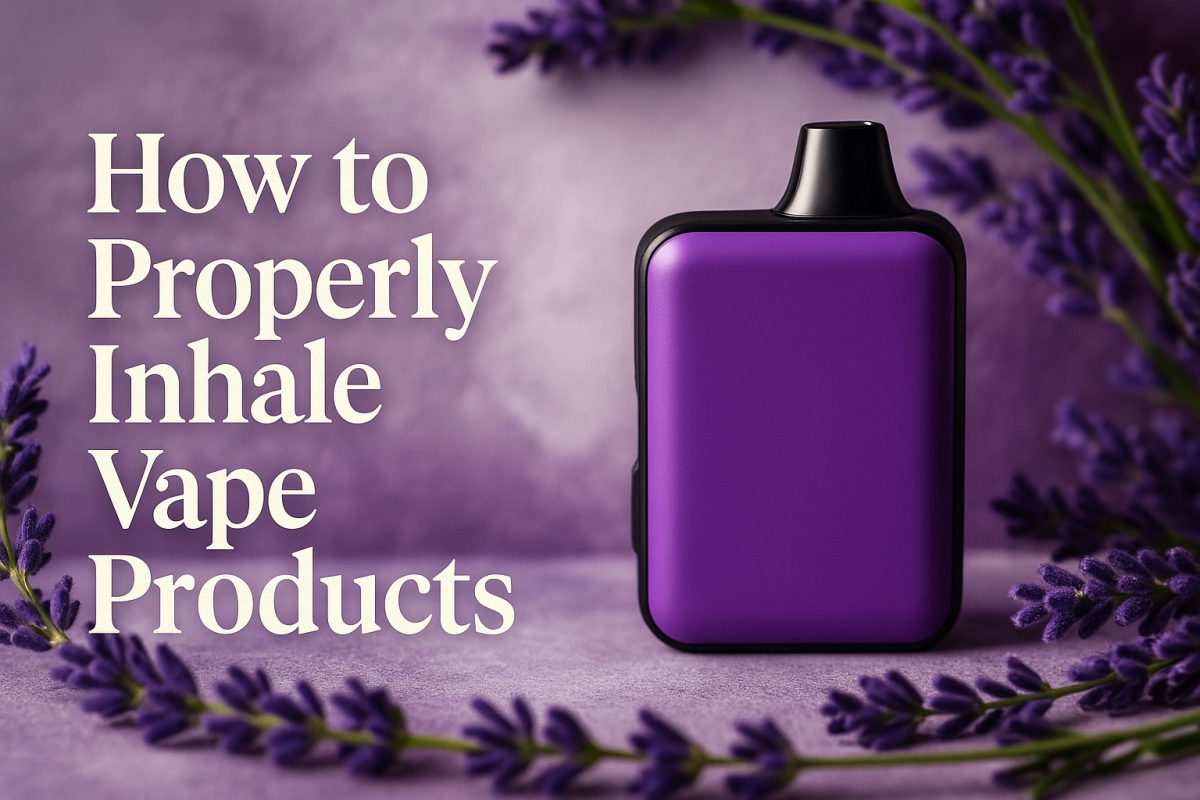
Safety & Use · ToFu · Empty Hardware Only
Scope. This guide is for adult users and B2B teams who work with empty Tyson vapes-style hardware only—no oil, no THC, no CBD, no nicotine on our side. We focus on how to inhale vape products more gently if you already vape, why every “how to inhale vape” guide must start with health warnings, and how Tyson-style empty devices influence draw and perceived harshness. It does not encourage new users to start vaping and is not medical advice.
At Vapehitech, Tyson-style empty hardware is organized so you can separate empty shell
decisions from any filled products. For a high-level overview of the family, start with vape pen beginner guide. If you want to map the full lineup, the main Tyson vapes hub and the capacity-focused Tyson disposable vapes page are good starting points, while our long-form Tyson vapes guide and the troubleshooting-focused vape pen troubleshooting map help B2B teams connect inhalation experience to hardware and QC choices.
1) Why every “how to inhale vape” guide starts with a disclaimer
Before getting into any techniques for how to inhale vape products, we have to be clear about the health context:
- No tobacco product is completely safe. Public-health agencies such as the U.S. Centers for Disease Control and Prevention (CDC), the U.S. Food and Drug Administration (FDA), and the World Health Organization consistently state that all tobacco products, including e-cigarettes and vapes, carry health risks.
- Most vapes contain nicotine. Nicotine is highly addictive and can harm brain development in adolescents and fetuses. People who do not already smoke or vape, youth, and pregnant people should not use nicotine at all.
- Vape aerosol is not just water vapor. Studies of e-cigarette aerosol have detected ultrafine particles, heavy metals such as nickel and lead, volatile organic compounds, and other chemicals that may irritate or damage the lungs.
This article focuses on risk awareness and harm reduction for adults who already vape or who work with empty hardware in a B2B setting. It is not an invitation for non-smokers to start using vape products, and it does not replace professional medical advice.
Important. If you experience severe chest pain, intense shortness of breath, confusion, or any other alarming symptom while or after vaping, stop using the device immediately and seek urgent medical care.
2) What actually happens when you inhale a vape?
When you inhale a vape, you are pulling an aerosol (often casually called “vapor”) into your mouth and lungs. That aerosol is created when the device heats a liquid and turns it into tiny droplets suspended in air.
Typical vape liquids contain:
- Solvents such as propylene glycol (PG) and vegetable glycerin (VG), which carry flavorings and active ingredients.
- Flavoring chemicals that may be safe to ingest in food but are not necessarily proven safe to inhale into the lungs.
- Nicotine in many products, and in some formulations, other active compounds such as cannabinoids in markets where they are legal.
Health agencies and independent researchers have reported that e-cigarette aerosol can contain reactive carbonyls, metal particles from heating elements, and other potentially toxic or irritating substances. Some countries emphasize that vaping may be less harmful than smoking for adult smokers who fully switch, but they still stress that vaping is not risk-free and should not be used by non-smokers or youth.
Takeaway. Learning how to inhale vape products more gently may reduce immediate coughing or throat irritation, but it does not remove the underlying health risks associated with inhaling aerosolized chemicals.
3) Who this guide is (and is not) for
This “how to inhale vape” guide is written for a very specific audience:
Who this guide is for
- Adult smokers who have already switched, or are trying to switch, from combustible cigarettes to regulated vape products.
- Adult vapers who already use compact devices such as Tyson-style disposables and want to understand inhalation techniques and comfort levels better.
- B2B buying teams who work with empty Tyson vapes shells and want to connect hardware design, airflow, and mouthpiece details to the end-user draw experience.
Who this guide is not for
- Anyone below the legal age to buy vape or tobacco products in their jurisdiction.
- Non-smokers who are curious about trying nicotine or other inhaled substances for the first time.
- People who have been told by a health professional not to use vape or nicotine products for medical reasons.
If your goal is to completely stop using nicotine, evidence-based cessation strategies (behavioral support, quitlines, and approved stop-smoking aids where available) remain the safest route. Healthcare professionals and national quit services can help you build a plan that fits your situation.
4) How to inhale a vape more gently (step-by-step)
For adults who already vape, the question is often not whether to inhale, but how to inhale a vape in a way that feels less harsh and more controlled. The following steps do not turn vaping into a safe behavior, but they may reduce immediate discomfort.
4.1 Start with short, relaxed puffs
Many new vapers instinctively take a deep, forceful breath through the device. On compact disposables, this is a recipe for coughing. Instead:
- Begin with short, light puffs lasting around one to three seconds.
- Keep your jaw, lips, and throat relaxed instead of pulling as hard as you can.
- Let yourself breathe normally between puffs instead of “chain vaping” continuously.
4.2 Mouth-to-lung (MTL) vs direct-lung (DL)
Most compact disposables and pod-style devices are designed primarily for mouth-to-lung (MTL) inhalation, which feels closer to smoking a cigarette. The basic differences are:
- MTL. You draw the aerosol gently into your mouth first, pause briefly, then inhale it into your lungs with a normal breath, and exhale.
- DL. You draw straight into your lungs in one continuous motion, similar to taking a deep breath; this is more common with large, high-airflow devices and can deliver more aerosol per puff.
If you are not sure what your device was built for, a cautious approach is to start with gentle MTL inhales, especially when using higher-strength nicotine or unfamiliar formulations.
4.3 Do not hold the aerosol in your lungs for a long time
Holding vape aerosol in the lungs for an extended time does not dramatically increase effects but does increase exposure to whatever is in that aerosol. A more cautious pattern is:
- Inhale in a normal, steady breath.
- Exhale at a comfortable pace; there is no need to hold your breath for several seconds.
4.4 Pay attention to early warning signs
How to inhale vape products more safely is not only about technique; it also means listening to your body. Stop using the device and reassess if you feel:
- Strong burning sensations in your throat or chest.
- Persistent, intense coughing when you take even small puffs.
- Dizziness, nausea, or pounding headaches after vaping.
These may be signs that your current pattern of use, formulation, or device is not suitable for you, and they are good reasons to talk with a healthcare professional about whether to stop vaping entirely.
5) Tyson vapes-style empty devices and inhalation
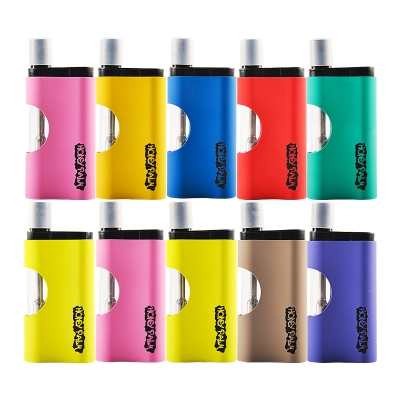
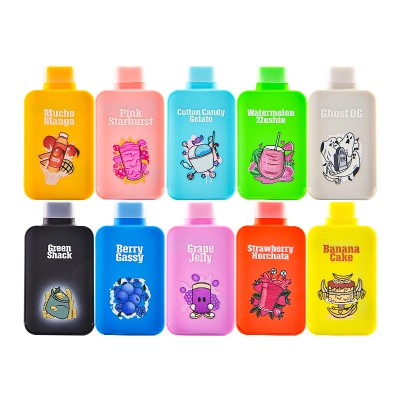
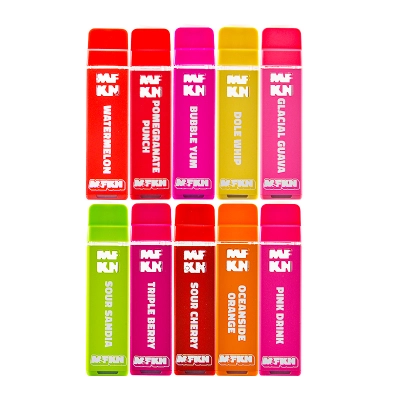
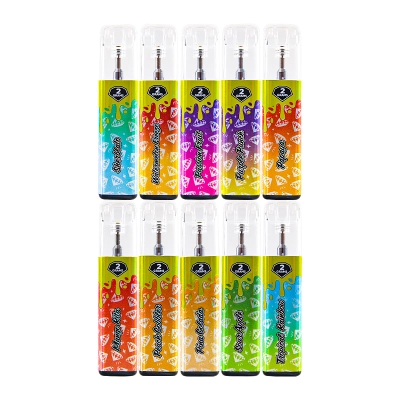
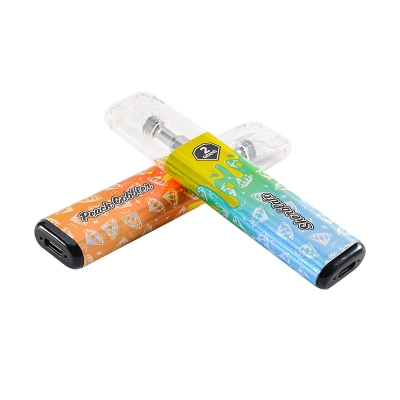
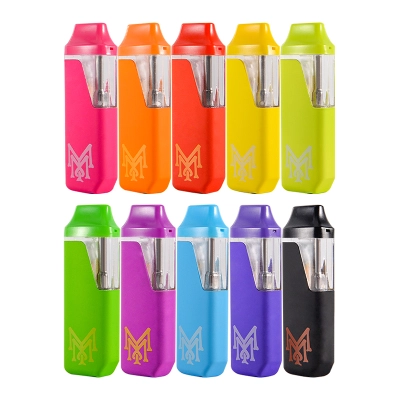
Tyson vapes-style devices have become a recognizable part of the empty disposable hardware market. Even though each brand may fill them with different legal formulations, the shell design tends to share several traits that shape how you inhale and how the draw feels.
5.1 Draw-activated and tuned for gentle pulls
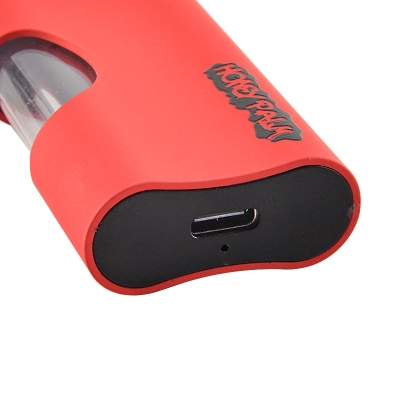
Most Tyson-style empty disposables are draw-activated—there is no physical button. When an adult user inhales through the mouthpiece, a sensor detects airflow and triggers the device to produce aerosol. In practice, this means:
- You do not have to “pre-fire” the device; a slow, steady pull is enough to activate it.
- Pulling too hard can overwhelm the airflow design and feel harsher, especially with strong formulations.
5.2 Airflow, mouthpiece shape, and throat hit
In empty Tyson-style shells, details like the number and size of air inlets, the internal chimney height, and the mouthpiece shape all influence throat hit and perceived smoothness:
- More restrictive airflow tends to feel closer to a cigarette-like MTL draw for adult smokers.
- Very open airflow may encourage deeper inhales and more aerosol per puff, which can increase irritation for some users.
- Flat or tapered mouthpieces can make it easier to keep a relaxed jaw and seal without biting or over-tightening your lips.
For B2B teams, comparing how different Tyson-style shells feel when used with gentle MTL draws can be a practical way to evaluate whether a design is forgiving for adult beginners or more suitable for experienced users.
6) Common inhalation mistakes and how to fix them
Even experienced vapers can fall into patterns that make every puff feel harsher than it needs to be. Here are some common mistakes that show up in “how to inhale vape” discussions and more cautious alternatives.
6.1 Pulling too hard on the device
Strong, aggressive draws often:
- Drive a large volume of aerosol into your throat and lungs at once.
- Increase throat irritation and coughing, especially with higher-strength liquids.
- Make devices feel unstable if wicking or airflow was tuned for gentler MTL use.
A more cautious approach is to let the device do the work: draw slowly and evenly, and allow the built-in airflow and sensor to control the amount of aerosol produced.
6.2 Chain vaping without breaks
Taking puff after puff with almost no pause can quickly increase your overall exposure to aerosol components and make irritation more likely. Signs you may be chain vaping too aggressively include:
- Your throat feels raw or scratchy after short sessions.
- You feel dizzy, nauseous, or jittery.
- The device feels hot or starts tasting progressively worse.
More cautious adult users give themselves time between puffs, sip water regularly, and view intense cravings or pressure to vape constantly as a sign to consider cutting back or quitting.
6.3 Ignoring clogs, leaks, or burnt taste
Sometimes the problem is not only the way you inhale but the state of the hardware. Clogged or damaged devices can feel harsh no matter how carefully you inhale. If you notice repeated clogs, visible leaks, or a persistent burnt taste, it is safer to stop using the device and investigate rather than pushing through discomfort.
For B2B teams, mapping these symptoms against hardware variables (airflow path, chimney diameter, wick exposure, and so on) can highlight where better engineering or QC would make inhalation feel more forgiving for end users.
7) When to stop vaping and talk to a professional
Understanding how to inhale vape products does not mean you should ignore what your body is telling you. There are clear red flags that mean you should stop vaping immediately and seek help.
7.1 Emergency warning signs
Stop using the device and get urgent medical help if you experience:
- Severe chest pain or pressure.
- Serious difficulty breathing, rapid breathing, or wheezing that does not resolve quickly.
- Sudden confusion, fainting, or a racing heartbeat.
Public-health investigations into lung injuries linked with certain vaping products show that serious symptoms can escalate quickly. Do not wait to see if they simply “go away” on their own.
7.2 Ongoing symptoms that deserve attention
Even if your symptoms are not immediately life-threatening, pay close attention to patterns like:
- A persistent cough that does not improve over weeks.
- Frequent chest tightness, wheezing, or shortness of breath during everyday activities.
- Recurring headaches, nausea, or sleep problems that seem tied to your vaping behavior.
These are strong reasons to talk to a healthcare professional about your lung health, your overall risk profile, and whether stopping vaping or using specialist support to quit nicotine is the right move for you.
Bottom line. The safest option for health is not to use tobacco or nicotine at all. For adult smokers who already switched to vaping, improving inhalation technique may reduce some immediate discomfort, but the long-term goal many health organizations point toward is eventually becoming smoke-free and nicotine-free.
8) FAQ & next steps
Q1. How do you inhale a vape for the first time without coughing?
If you are an adult who already uses legal vape products, start with small, gentle MTL puffs instead of deep lung hits. Draw into your mouth for one to three seconds, pause briefly, then inhale with a normal breath and exhale. Keep your throat relaxed and leave time between puffs. If you do not already smoke or vape, the safest choice is not to start.
Q2. Is it better to inhale a vape into your mouth first or straight into your lungs?
For most compact disposables and Tyson-style devices, a mouth-to-lung inhale is the more cautious default. It gives you more control and generally feels smoother. Direct-lung inhales can move a lot more aerosol into your lungs quickly and should only be considered by experienced adult users with suitable devices, if at all.
Q3. Why do I still cough even when I think I inhale gently?
Coughing can come from high nicotine strength, certain flavor compounds, individual sensitivity, or hardware issues such as clogs and burnt wicks. If you cough repeatedly despite gentle technique, it may be a sign to change your product, cut back, or talk to a healthcare professional about stopping vaping altogether.
Q4. Are Tyson-style devices “stronger” than other vapes?
How strong a Tyson-style device feels depends on what a brand fills into the empty shell, the airflow design, and how often and how deeply an adult user inhales. Empty hardware like Tyson vapes shells can be engineered to support different formulations, but from a health perspective the core questions remain: what are you inhaling, how frequently, and how does your body respond over time?
Disclaimer: This article is for adult education and B2B hardware context only. It does not provide medical or legal advice, does not endorse any specific liquid or formulation, and does not encourage non-smokers, youth, or people in prohibited jurisdictions to use vape products. Always follow local regulations and consult qualified professionals about health and compliance questions.







3 Comments
This is so helpful, thanks!
Nice review!
Looks great!