
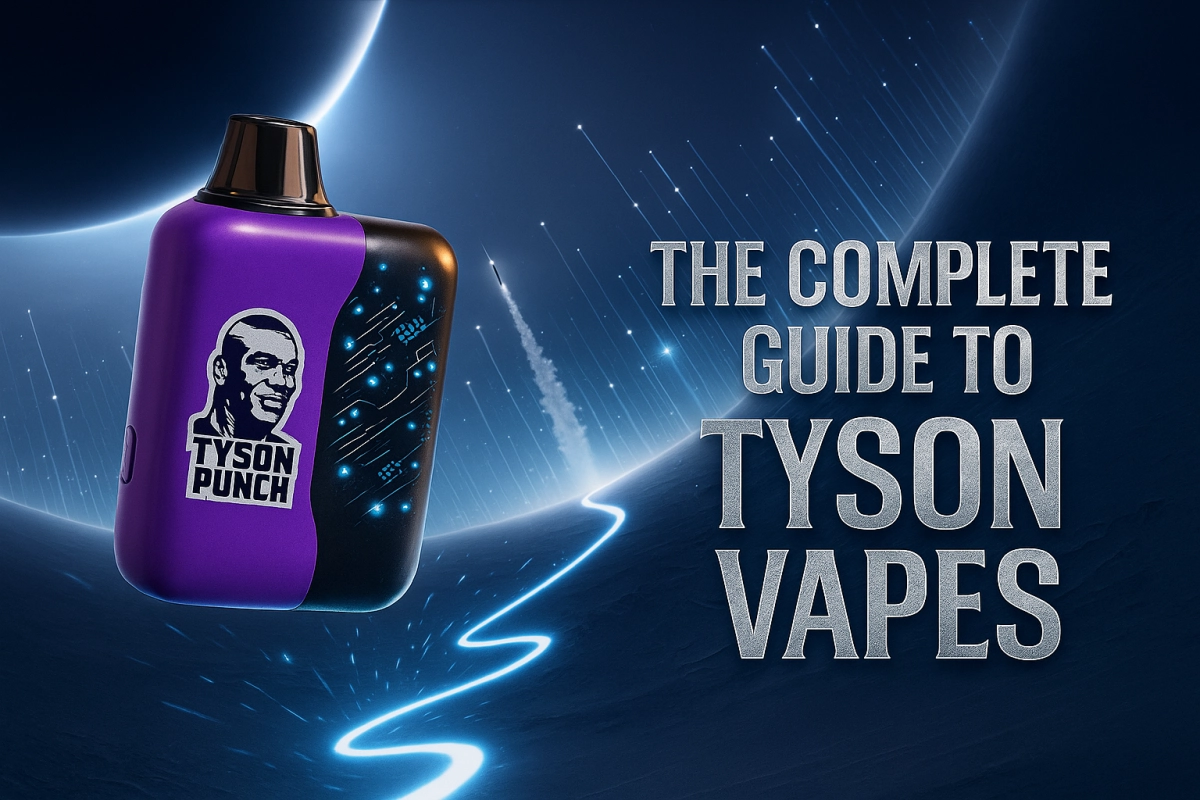
Empty hardware only. This article discusses hardware form factors and safety/compliance practices. It does not make health claims and does not cover nicotine/THC/liquid content.
This guide distills the Tyson vapes lineup into practical choices for teams comparing capacities, features, and packaging—backed by safety and transport references widely adopted across the industry. If you need a brand overview, start with tyson vapes.
1) Product families & capacities
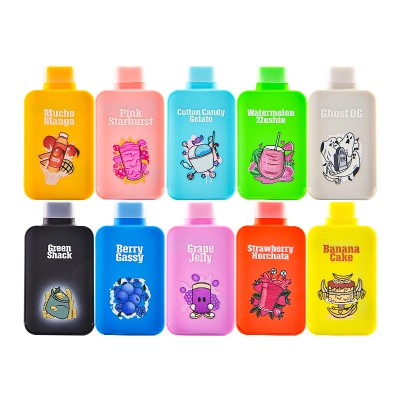
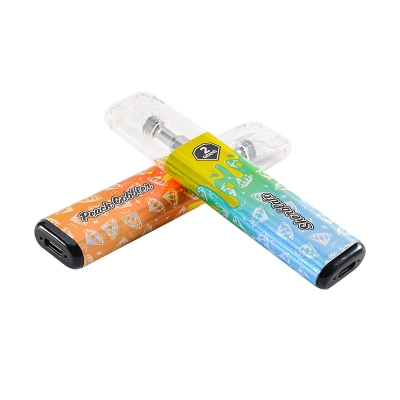
Capacity is the most visible decision driver. The 1-gram class emphasizes compact weight and lower per-unit cost, while the 2-gram class targets longer runtime with fewer charge cycles. Explore grouped specifications at tyson 1g disposable and tyson 2g disposable.
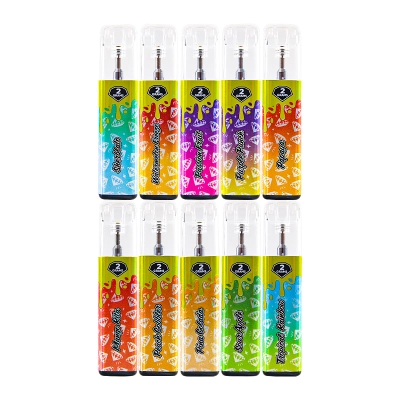
For a concrete 2-gram reference page on this site (dimensions, net weight, packaging count), see Tyson Punch 2g (use as a spec artifact, not a purchasing prompt).
2) Core features: coil, airflow, and power
Ceramic coil & wicking
Modern Tyson-style devices typically use a porous ceramic heating matrix paired with tuned viscosity channels. In evaluation, look for even coloration, consistent pore structure, and thermal stability during short repeated draws (e.g., 2–3 × 2-second puffs).
Airflow path & leak mitigation
Air inlets should be positioned to reduce finger occlusion, with O-ring/gasket interfaces around the tank and mouthpiece. Laser-welded or ultrasonic seams often improve long-term seal integrity. A correctly sized condensation trap helps mitigate gurgle.
Power delivery & protections
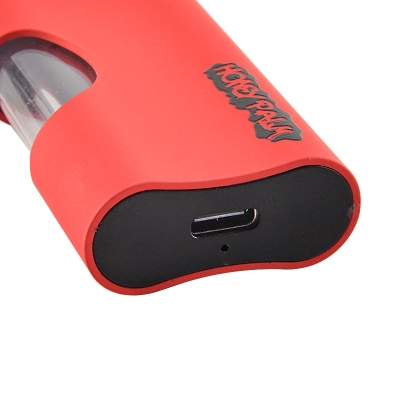
A dedicated battery management circuit typically provides over-current (OCP), over-voltage (OVP), short-circuit (SCP), over-charge (OCH), and over-discharge (ODP) protections. Input is usually USB-C at 5V with 1–2A recommended; avoid fast-charge bricks unless explicitly supported.
3) Expert review checklist (engineering criteria)
- Coil & flavor stability: uniform heat distribution; no scorching at standard draw profiles.
- Airflow tuning: pressure drop tests across low/med/high; consistent auto-draw sensor triggering.
- Leak/condensation: 24–48h rest tests at room temp; inspect mouthpiece bore and condensation traps.
- Charge behavior: current draw within spec; no abnormal board temperatures during CC/CV phases.
- Screen/LED UX (if present): clear battery state, error signaling (e.g., blink patterns for OCP/SCP).
- Enclosure tolerances: seam fit, button caps (if any), connector straightness, labeling consistency.
- Packaging durability: follow basic ISTA handling/drop ideals for outer cartons and inner trays.
4) Safety & compliance references (UL/IEC/UN38.3)
While models vary, industry-standard frameworks used for electrical systems and portable Li-ion cells include:
- UL programs commonly referenced for e-cigarette electrical system safety (e.g., UL 8139 context).
- IEC guidance for rechargeable cells and batteries (e.g., IEC 62133-2 family for Li-ion cell safety testing).
- PHMSA / US DOT: Lithium batteries resources (includes UN 38.3 air transport testing context).
- ISTA packaging performance testing references for distribution robustness.
5) Travel & air-transport rules (TSA/FAA/IATA)
In the U.S., personal vape devices are typically carry-on only and must not be placed in checked baggage. Avoid charging on board and prevent accidental activation.
- TSA: Electronic cigarettes & vaping devices
- FAA PackSafe: Lithium batteries
- IATA: Lithium battery guidance
6) End-of-life & recycling (EPA)
Disposable devices contain lithium-ion cells and should not go into household trash. At end-of-life, cover terminals with non-conductive tape and take the device to a local HHW (household hazardous waste) site or a battery take-back program.
- U.S. EPA: Used lithium-ion batteries
- Call2Recycle® drop-off locator (availability varies by region)
7) Quick FAQ
Which capacity should I shortlist first?
Choose 1g for lighter carry and cost control; pick 2g for longer runtime and fewer swaps/charges. See grouped specs at tyson 1g disposable and tyson 2g disposable.
How do I compare models fairly?
Use the expert checklist above—standardize draw profile, verify protections and charge behavior, observe rest-leak tests, and record packaging durability observations.
Can I fly with a Tyson-style disposable?
Yes—carry-on only, do not charge on board. Follow TSA/FAA rules linked above.
Explore the full brand overview at tyson vapes, compare capacities at tyson 1g disposable and tyson 2g disposable, and use Tyson Punch 2g as a concrete spec example on this site. Empty hardware only.

2 Comments
short, clear, and full of value.
This post was really helpful