
This mini vape guide explains what counts as “mini,” how compact devices work, what specs matter most, and how to judge “how long it lasts” without falling for misleading numbers.
Quick takeaways
If you need a deeper device-physics explanation, start with your pillar foundation: how vapes work.
1) What is a mini vape?
A mini vape is best understood as a compact vaping device optimized for portability: shorter body length, pocket-friendly shape, and simplified controls. In practice, “mini” usually shows up in one of three ways: smaller overall dimensions, fewer external parts, or a shortened airflow + liquid path.
- Compact form factor (shorter body, lower carry friction).
- Simple activation (often draw-activated) and fewer settings.
- Consistent output at low-to-moderate airflow (many minis prioritize smooth draws over max clouds).
“Mini” does not automatically mean “weak.” A well-designed mini can deliver stable output, but it is often more sensitive to airflow, temperature, and condensation because there is less room for heat management and less distance for aerosol to cool before reaching the mouthpiece.
2) Mini vape types (and who each fits)
Mini vapes are a family of formats rather than one device. Here’s a clean way to categorize them so readers can pick the right compact platform quickly.
| Type | What it is | Best for | Common pitfalls |
|---|---|---|---|
| Mini disposable | All-in-one compact device designed for simplicity. | Casual buyers, travel carry, low learning curve. | Condensation buildup, clogged draws if stored warm or used aggressively. |
| Mini pod | Small battery + replaceable pod; often tight draw. | Users who want refill/replace flexibility in a small body. | Pod fit tolerance issues, mouthpiece sealing variance. |
| Micro AIO | Compact “all-in-one” with more robust internal structure. | People who want mini size with steadier performance. | Complexity can increase cost; more QC points (seals, airflow, contacts). |
| 510 pen + cart | Small 510 battery paired with a cartridge. | Users who prioritize compatibility and cartridge swapping. | Thread/contact issues, mismatch between resistance and power range. |
Tip: If your audience is “just getting started,” treat mini disposables as the simplest entry, then explain pods/510 as upgrade paths once they understand airflow and basic care.
3) How compact vapes work
All mini vapes follow the same fundamental process: electrical energy heats a coil, liquid is drawn to the heating zone, and airflow carries aerosol through the device to the mouthpiece. Compact devices simply do it in a smaller space, which makes tolerances and airflow tuning more important.
- Power + control (activation logic, basic protection logic depending on platform)
- Heater (coil / atomizer) + wicking path
- Air path (inlet → heating zone → chimney → mouthpiece)
- Seals (where leaks and pressure drops are won or lost)
For a deeper step-by-step breakdown, link your pillar explainer once (and keep this guide readable): how vapes work.
4) Key specs that matter in mini devices
Many shoppers focus on marketing labels. A better approach is to evaluate minis using a short set of engineering-adjacent signals that predict real-world consistency.
Airflow and draw feel
- Inlet design: mini devices often run narrower inlets; small changes can feel “tight” quickly.
- Chimney length: shorter chimneys can deliver warmer aerosol and stronger “hit” perception.
- Mouthpiece sealing: poor seals increase condensation and spitback risk.
Coil and wicking behavior
- Consistency over max output: minis that chase peak output can run hotter and clog easier.
- Recovery time: compact platforms benefit from slightly longer pauses between draws.
- Clog resistance: look for stable intake geometry and predictable pressure drop.
Usability features that actually help
- Clear indicators (like a simple display) can reduce “mystery failures” for beginners.
- Stable mouthpiece fit reduces leakage and keeps draws consistent.
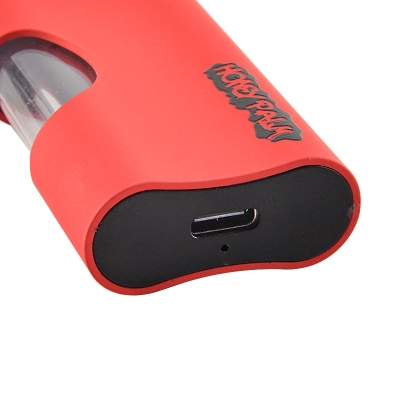
- Reliable charging port fit (if rechargeable) prevents intermittent charging complaints.
5) How long does a mini vape last?
“How long a mini vape lasts” depends on three things more than anything else: puff duration, puff interval, and airflow intensity. That’s why two people can use the same device and report totally different results.
- Use a standard puffing baseline for comparability. ISO has a routine analytical vaping machine standard (ISO 20768:2018) that defines standard conditions for machine puffing.
- Recognize that some high-airflow product styles can overheat under “normal” regimes; CORESTA provides selection guidance for more intense regimes (CORESTA Guide No. 22) and testing considerations including overheating risk under certain conditions (CORESTA Guide No. 25).
A simple, honest way to explain “lasting time” to readers
- Light use: shorter puffs, longer pauses → typically fewer clogs and steadier performance.
- Heavy use: longer puffs, rapid back-to-back draws → higher heat and more condensation → shorter “good performance” window.
- Storage matters: warm pockets and sideways storage can increase leakage/condensation in compact designs.
If you want to publish numbers (hours/puffs), always label the assumptions (puff duration + interval + airflow). That’s the fastest way to keep a guide credible in 2025.
6) Mini vape buying checklist
- Draw feel: smooth and consistent, not “tight then suddenly loose.”
- Mouthpiece fit: no wobble; seal feels firm.
- Airflow stability: same draw resistance across multiple puffs.
- Clog resistance: after a few draws, it should not get progressively harder to pull.
- Build basics: clean seams, no glue squeeze-out, no rattling internal parts.
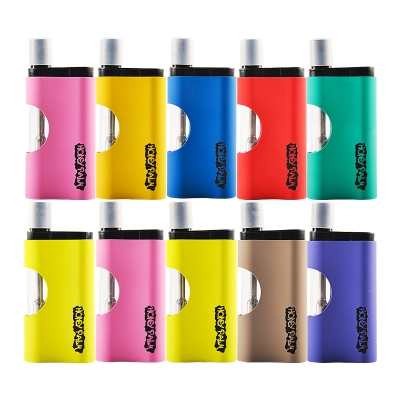
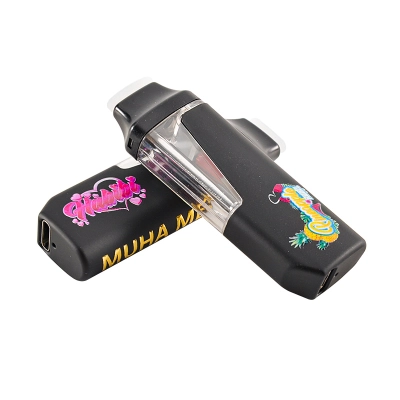
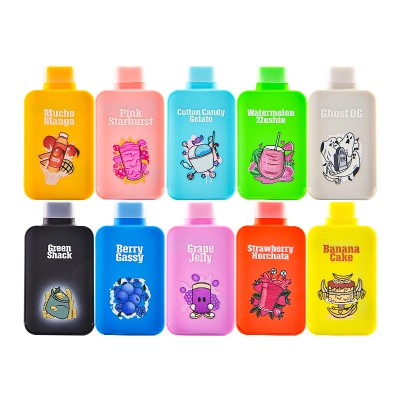
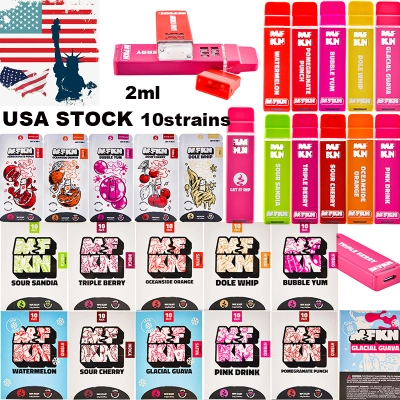
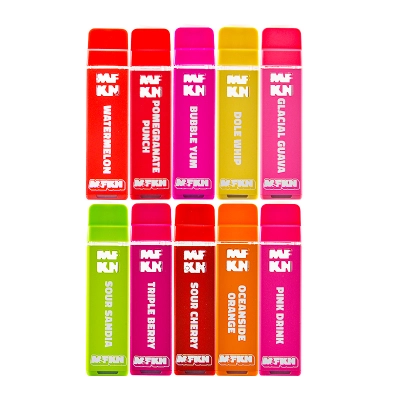
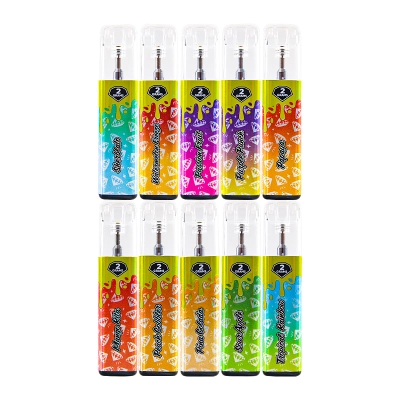
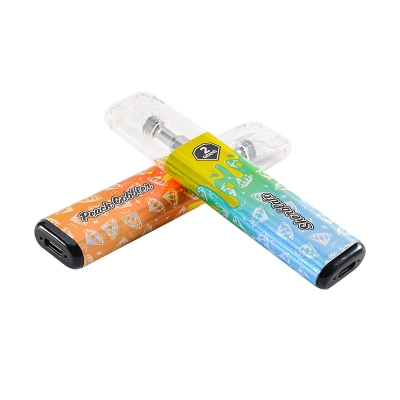
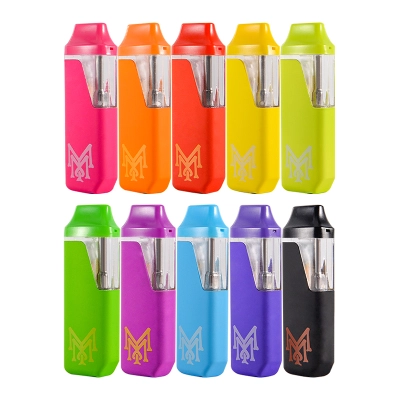
To keep this guide practical, it helps to show one or two “mini” examples so readers can visualize the category: packman mini 2g disposable and a compact “minis” style like Favorites 2G Minis. (Always verify availability and specs on the product page before ordering.)
7) Setup & care to reduce clogs (especially in minis)
Compact devices are less forgiving. Small changes in temperature and puff cadence can push a mini vape into condensation-heavy behavior. The fixes are usually simple.
- Use gentler puffs (especially early) instead of long, aggressive draws.
- Pause between puffs so the wick can re-supply and the heater can normalize temperature.
- Store upright when possible; avoid leaving minis in hot environments.
- Keep airflow clear: lint in inlet holes is a common “mini-only” failure mode.
If you want a step-by-step beginner workflow (setup → first puffs → maintenance), link once here: vape pen setup.
8) QC notes for bulk buyers
If you’re sourcing mini devices in volume, compact designs make QC more important—not less. A small variance in mouthpiece seal, inlet geometry, or internal fit can create a big swing in user experience.
- Pressure drop consistency across multiple units (draw feel should match).
- Leak/condensation control after a short use cycle (minis often fail here first).
- Port fit + charging consistency (if applicable) across a small lot.
- Mouthpiece seal integrity after light twisting/handling.
If you want a structured receiving + documentation workflow, link your ToFu sourcing pillar: empty vape QC checklist.
9) FAQ
Are mini vapes “weaker” than larger devices?
Not automatically. Minis can be tuned for a tighter, smoother draw and still perform well. The bigger difference is often heat/condensation sensitivity, not raw output.
Why do mini vapes clog more easily?
Compact airflow paths are shorter and tighter, so condensation can build faster. Back-to-back long puffs can also outpace wick recovery and increase residue in the airway.
Can I trust puff-count claims on minis?
Treat puff counts as scenario-based estimates. Without stated puff conditions (duration + interval + airflow), the number is hard to compare across brands. Standards and industry guides exist to define regimes, which is why referencing a baseline like ISO/CORESTA is more credible than a standalone marketing number.
Do regulations affect “mini” design in some markets?
Yes—especially in consumer nicotine markets. For example, UK guidance restricts tank capacity for certain regulated products (see GOV.UK guidance), and EU rules are covered under the Tobacco Products Directive. Always check the rules for your target market before you finalize a platform.
References (external)
These links support the “how to compare devices fairly” and “market rules differ” sections.
Testing & regimes
- ISO 20768:2018 — Routine analytical vaping machine
- CORESTA Guide No. 22 (Aug 2024) — Selecting appropriate intense vaping regimes
- CORESTA Guide No. 25 (Jul 2024) — Aerosol collection & testing considerations






2 Comments
Good info, thanks!
Short and helpful, nice post.