
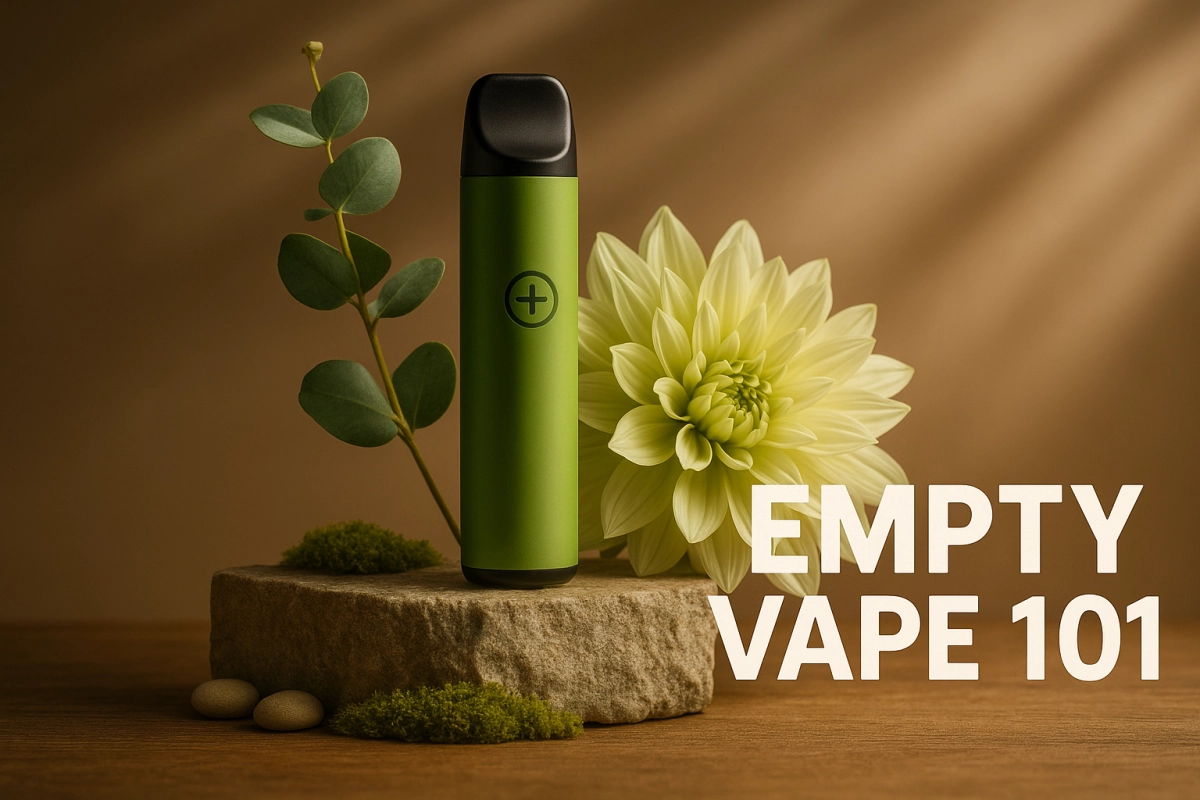
This guide is written for distributors, brand owners and purchasing teams who are just starting to evaluate empty vape options in bulk. The goal is not to sell you a specific format, but to give you a structured way to judge quality, compliance and risk before you commit to large orders.
1. What “empty vape” means in 2025
In regulatory language, many national authorities treat parts such as tanks, shells, mouthpieces and other structural components as part of a broader ENDS (electronic nicotine delivery systems) category, even when those parts are shipped empty. For example, the U.S. Food and Drug Administration (FDA) makes clear that it regulates manufacture, import, packaging, labeling and sale of ENDS, including components and parts, not just finished, pre-filled products. FDA ENDS overview explains this scope in detail. :contentReference[oaicite:0]{index=0}
In practice, the B2B market uses “empty vape” as a short, informal way to describe unfilled shells and units that brands will later fill and package within their own regulated workflows.
1.1 Working definition for this guide
For the purpose of this guide, “empty vape” means:
- Pre-assembled or semi-assembled shells shipped with no e-liquid, distillate or concentrate.
- Units that are intended to be filled by licensed manufacturers or processors in their own facilities.
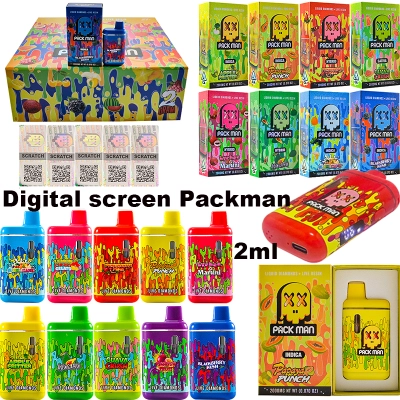
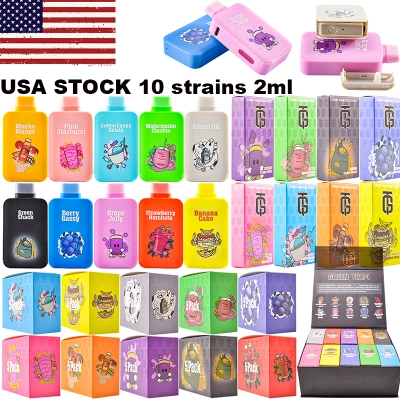
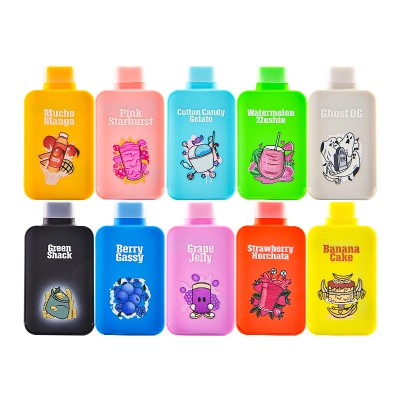
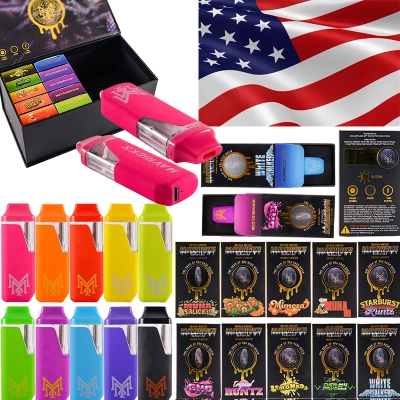
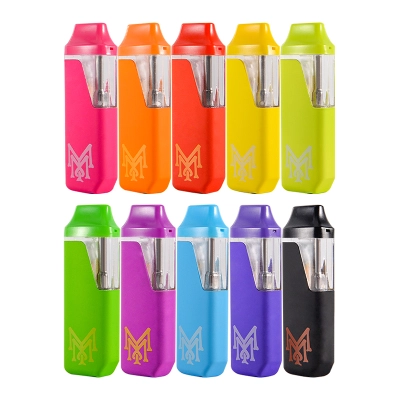
- Format families such as one-time use shells, refillable styles, collab-inspired shells and branded exterior designs.
We are not covering any instructions for filling, using or consuming vape products, and we are not giving health or cessation advice.
2. Why B2B buyers should care about structure, QC and packaging
Once you move beyond small test runs, the choice of empty vape format can quietly decide your rejection rates, customer complaint volumes and even regulatory exposure. Poorly controlled production creates issues like inconsistent airflow, leaks during transport, broken mouthpieces or non-compliant packaging that fails basic child-resistance expectations.
Global regulators continue to tighten expectations around how ENDS-related parts are marketed, labeled and packaged. In the U.S., for example, the FDA has broadened its oversight of ENDS products and related parts to improve public-health protections. :contentReference[oaicite:1]{index=1}
For a B2B buyer, taking the time to understand how empty vape formats are built and tested is less about “nerdy engineering” and more about three very practical goals:
- Reducing the risk of field failures, product returns and reputational damage.
- Ensuring your packaging approach aligns with child-resistant and warning-label expectations where applicable.
- Building a repeatable supplier selection process instead of relying only on price and appearance.
3. Main empty vape formats for B2B buyers
The phrase “empty vape” covers several format families. Each comes with its own risk profile and documentation needs. Below is a buyer-focused view of the most common ones in 2025.
3.1 One-piece empty disposables
These are the familiar all-in-one shells that are assembled at the factory and later filled by the brand or a contract manufacturer. They are popular because:
- They support clean branding and collab-style exterior designs.
- They are easy to understand for end users once filled and labeled by a licensed partner.
- They simplify logistics: fewer separate SKUs to coordinate.
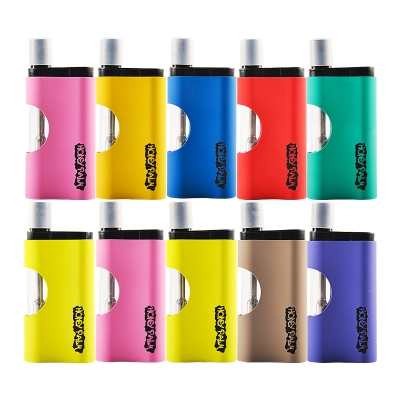
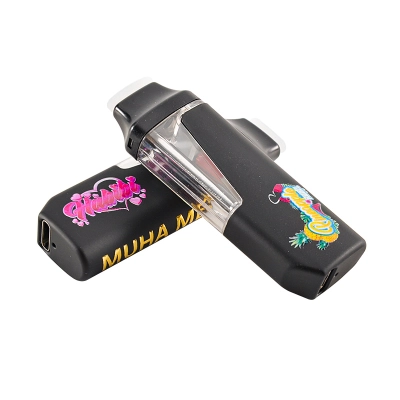
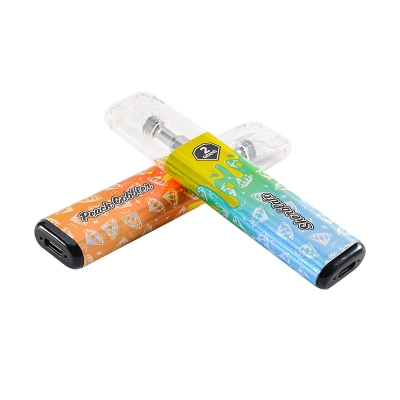
If you are comparing pen-style formats, a good starting point is to review a dedicated category page such as empty disposable vape pen to see how capacity, shape and window design vary across different shells.
3.2 Collab-inspired “live resin” and “liquid diamonds” empty shells
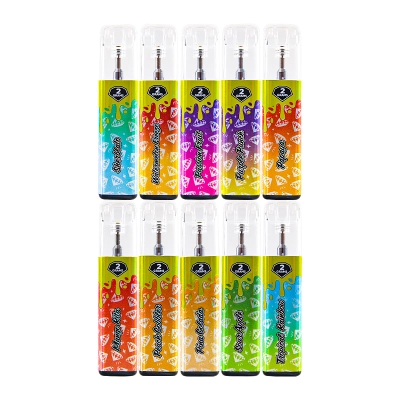
Even though this guide deals with empty units, the market language around consumer products strongly influences how shells are styled and positioned. Many brands use exterior designs that reference “live resin” or “liquid diamonds” on their filled units, so B2B buyers often look for compatible empty shells to match those themes.
When you evaluate these:
- Focus on build consistency (tolerances, seals, window alignment), not just artwork.
- Ask for clear documentation on materials in contact with the eventual fill, even though shells ship empty.
- Confirm that packaging can support your local warning, ingredient and brand-owner labeling requirements.
To see how collab-inspired categories are organized, you can compare examples such as live resin disposable vapes or liquid diamonds disposable that showcase shells styled for those segments while still shipping empty.
3.3 Other structural variations
Beyond the “headline” categories, B2B buyers also compare:
- Windowless vs. windowed shells.
- Soft-touch vs. glossy finishes.
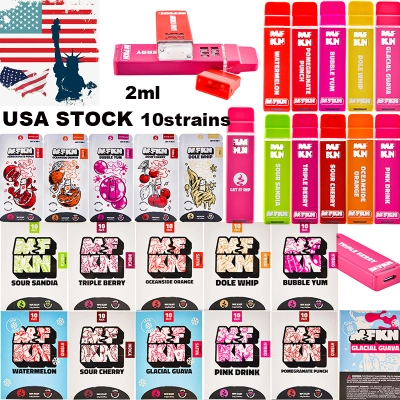
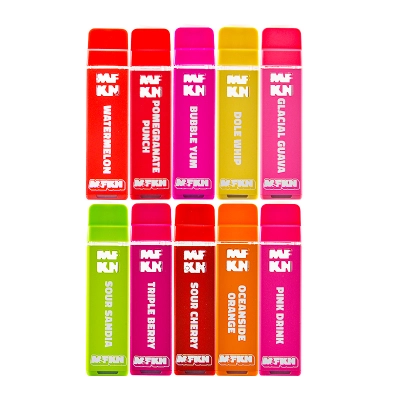
- Single-flavor vs. panel layouts designed for multi-strain or seasonal drops.
None of these are purely cosmetic. They affect how your product survives transport and how easy it is for end users to understand what they are holding once your local team has filled, labeled and boxed the units.
4. QC signals: how to read a sample without a lab
Most B2B buyers will not run full lab testing on every sample. But you can still build a structured approach to visual and functional checks so that your team is not relying only on “gut feel” during sample reviews.
4.1 Incoming sample inspection
- Randomly pull at least 10–20 units from different parts of the sample pack.
- Check for obvious cosmetic defects: scratches, dents, misprinted logos, color drift.
- Look for glue overflow, misaligned panels or inconsistent seams.
- Inspect seals and joints under basic side lighting for gaps or pinholes.
- Check whether all caps, plugs or seals are present and seat firmly.
4.2 Simple functional consistency checks
Even with empty units, you can:
- Gently flex the shell and mouth area to see if it creaks, cracks or visibly distorts.
- Use a basic caliper to check whether key dimensions (overall length, width) are consistent across units.
- Examine how tightly caps or plugs fit, and whether they can be removed and re-seated without damage.
Ask your supplier which in-factory sampling standard they apply (for example, AQL-based lot checks) and how they define “critical, major and minor” defects. You do not need to become a statistician, but you should understand whether their QC logic is documented or improvised.
5. Packaging, child-resistance and basic compliance
Even though you are purchasing empty shells, once they are filled and boxed under your brand they will likely fall under some combination of tobacco, cannabis or consumer-product rules in your markets. A key part of that ecosystem is child-resistant or “special” packaging where required.
In the United States, the Poison Prevention Packaging Act (PPPA) and its implementing rules define “special packaging” that is significantly difficult for children under five to open, while remaining reasonably usable for adults. :contentReference[oaicite:2]{index=2} The detailed performance requirements are laid out in 16 CFR § 1700.15 , which specifies child-resistant effectiveness thresholds and test conditions. :contentReference[oaicite:3]{index=3}
The U.S. Consumer Product Safety Commission also provides an accessible Guide to Special Packaging that explains what “child-resistant” means in practice and how third-party testing works. :contentReference[oaicite:4]{index=4}
5.1 What a B2B buyer should check on empty vape packaging
When reviewing empty vape proposals, ask:
- Whether the proposed retail and secondary packaging can support the child-resistant format your markets expect.
- Whether your supplier can provide test summaries or certificates from accredited labs demonstrating compliance with PPPA-aligned standards where required.
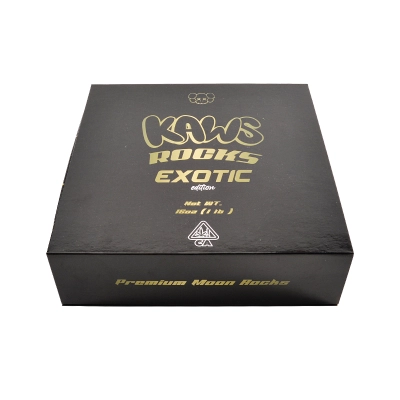
- How warning panels, ingredient lists (once filled) and age-restriction graphics will fit within the print area.
- Whether your own legal or regulatory team is comfortable with the proposed layout and claims.
Remember that child-resistant performance is tied to the entire packaging system (closure, blister, carton, etc.), not just the shell inside. Your suppliers should be able to explain which part of the system has been tested and certified.
6. Comparing suppliers for empty vape wholesale
Once you understand the technical basics, you still need a practical way to compare suppliers. Price per unit is only one of several variables. For a first pass, you can structure your comparison around four pillars: traceability, documentation, sampling and communication.
- Traceability: Can the supplier explain how lots are coded, how issues are traced back to specific runs and how corrective actions are documented?
- Documentation: Do you receive coherent spec sheets and packaging drawings, or only pictures and chat messages?
- Sampling: Are samples consistent with bulk orders, or do “golden samples” look much better than regular production?
- Communication: Does the team acknowledge risks and limits honestly, or do they promise whatever it takes to close the order?
If you are just beginning to evaluate options for empty vape wholesale , start small: request structured samples, run a basic QC review using the checklists in this article and have your regulatory or compliance contact glance at the proposed packaging concept before you scale.
7. Documentation checklist you should request
The specific documents you need will depend on your jurisdiction and your end product. However, most B2B buyers can use a simple baseline checklist when they request information from an empty vape supplier:
- Basic dimensional drawings with tolerances for the shell, mouth area and key joints.
- Material descriptions for all parts that will contact the eventual fill, along with any test reports the supplier can share.
- Packaging dielines and mockups, showing where regulatory information will sit once you add it.
- Summaries or certificates relating to child-resistant performance where required by local law.
- Short description of the in-house QC process and sampling levels (for example, references to AQL-style inspection).
On the content side, if you later publish your own technical guides or product-education pages, aligning them with Google’s people-first content guidance can help ensure they remain useful and discoverable over time. :contentReference[oaicite:5]{index=5}
8. Next steps and where to learn more
Your first empty vape project does not need to be perfect. What matters is that you build a repeatable approach: define your target format, review QC signals with every sample, make packaging decisions with regulatory input, and select suppliers based on more than price alone.
If you want to go deeper, explore additional empty vape guides that break down specific topics such as collab-style shells, regional warehousing strategies, or more detailed QC workflows for large orders.
Used together, these guides can help you design a sourcing program that is scalable, defensible and aligned with the evolving regulatory picture around ENDS-related parts.
9. FAQ: quick answers for first-time empty vape buyers
9.1 Are empty vape shells regulated the same way as filled products?
Not exactly, but in many jurisdictions they still fall within the broader ENDS framework once they are intended for use with nicotine or other regulated substances. For example, FDA explicitly notes that ENDS “components and parts” are regulated even when sold separately from finished products. :contentReference[oaicite:6]{index=6} Your own legal counsel should confirm how this applies in your markets.
9.2 Do I need child-resistant packaging for empty vape shells?
Requirements vary by jurisdiction and by what will eventually be filled into the units. In the U.S., the PPPA and related regulations specify when child-resistant packaging is required and how performance is tested. If you expect your filled units to fall under those rules, it is usually more efficient to choose packaging concepts that can meet PPPA-aligned requirements from the start. :contentReference[oaicite:7]{index=7}
9.3 How many samples should I request before placing a large order?
There is no universal number, but many B2B buyers will request at least 50–100 units across a couple of trial runs before committing to large-scale production. The key is to test for consistency: units should look and feel similar across samples, and suppliers should be transparent about how they handle and document any issues.
9.4 Can I rely only on factory photos and videos?
Photos and videos can be a useful starting point, but they do not replace structured sampling and documentation. A supplier that is confident in its process should be willing to provide drawings, test summaries, packaging mockups and written descriptions of QC checks alongside marketing materials.
3 Comments
I love your writing style, keep it up!
Thanks for sharing this! Very helpful.
Great post, really enjoyed it!