
ToFu • Informational / What • Pillar keyword: magnetic vape
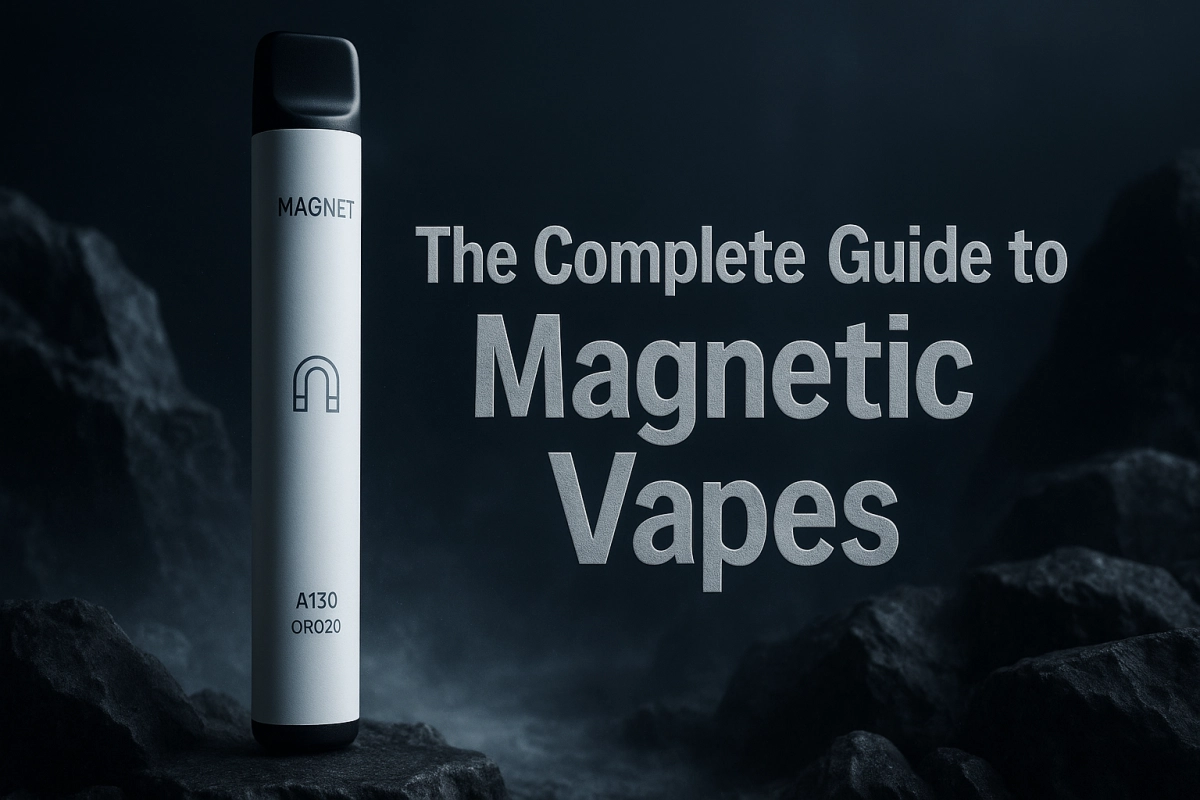
The Complete Guide to Magnetic Vapes: How a Magnetic Vape Works, Benefits, and Top Options
What is a magnetic vape?
A magnetic vape is a vape device that uses magnets to help two parts connect consistently—most commonly a pod/cartridge assembly and a power/control unit. The magnet’s job is mechanical: it pulls parts into position and helps them stay seated. The electrical path is still made through metal contact surfaces (pins, pads, or a threaded interface), not through the magnet itself.
In plain terms: magnets make the connection feel “snap-on” and repeatable. A good magnetic connection reduces fumbling, improves alignment, and can lower the chance of cross-threading when compared with frequent screw-on cycles.
Quick definition
Magnet = alignment Seat = repeatability Contacts = continuity
If a magnetic vape feels reliable, it’s usually because the design combines magnets with stable contact geometry and a keyed “only-fits-one-way” shape.
Where you’ll see it
- Magnetic pod seating (drop-in pods that self-center)
- Magnetic adapter rings (a removable interface that enables faster cartridge swaps)
- Magnetic “dock” style mating (alignment + contact pads for repeatable mating)
How magnetic vapes work (simple mechanics)
1) Self-alignment: magnets reduce positioning error
The most valuable feature of magnets is self-alignment. When the pod or cartridge approaches the device bay, the magnetic field pulls it into a predictable position. This is especially helpful when the connection area is compact or recessed.
2) Retention: magnet force holds the assembly in place
Once seated, magnets provide a holding force that helps resist everyday movement. Designers tune retention so the assembly stays secure in pockets and bags but still releases cleanly when removed intentionally.
3) Continuity: contacts do the electrical work
Even the best magnets can’t compensate for poor electrical contact design. Reliable magnetic connections still require:
- Contact pressure (spring force or geometry that maintains pressure over time)
- Low contact resistance (clean surfaces, stable plating, consistent compression)
- Controlled tolerances (so parts seat fully and flat, not “almost”)

For a deeper engineering perspective on spring-loaded contact behavior (alignment, constant force, plating, and contact resistance), see the pogo-pin connector overview from DigiKey.
The 3 most common magnetic connection architectures
| Architecture | What it is | Why it exists | Watch-outs |
|---|---|---|---|
| Magnetic pod bay | Pod drops into a bay; magnets pull it into seat; contacts meet automatically. | Fast swaps, consistent seating, less user error. | Debris in the bay can prevent full seating; contact hygiene matters. |
| Magnetic adapter ring | A removable magnetic interface that stays on the cartridge base and mates magnetically to the device. | Convenience and reduced thread wear from repeated cycles. | If the ring loosens or seats unevenly, continuity becomes intermittent. |
| Magnetic pad mating | Flat contact pads mate when magnets pull two surfaces together (often with keying). | Repeatable “blind” mating, consistent compression. | Surface contamination directly raises resistance; cleaning access is critical. |
Benefits (what magnets genuinely improve)
Usability improvements
- Faster swaps: snap-in seating is quicker than repeated twisting.
- Less alignment effort: magnets guide the connection into place.
- Lower cross-thread risk: especially when users frequently change assemblies.
Reliability improvements (when designed well)
- More repeatable seating: consistent mating depth reduces “half-seated” failures.
- Stable contact pressure: when paired with spring contacts or well-controlled geometry.
- Better tolerance to minor misalignment: especially in recessed bays.
The key phrase is “when designed well.” A magnetic vape is not automatically better than a threaded interface. It becomes better when magnets, keying, and contact design work together as a system.
Trade-offs and failure modes (what magnets don’t fix)
Dirty contacts still cause intermittent performance
If contact pads or pins have residue, dust, or pocket lint, magnets can still pull parts into place—while the electrical path remains poor. This often shows up as “sometimes works, sometimes doesn’t” behavior.
Retention strength is always a compromise
Strong retention feels secure but can make removal awkward. Weak retention feels smooth but may shift in a pocket. The best designs tune for the target user behavior (everyday carry vs. desk use).
More interfaces can mean more tolerance stack
Adapter rings and multi-part interfaces add stacking tolerances. At scale, small variances can accumulate into big differences: uneven seating, inconsistent compression, or “just barely” contact.
Practical takeaway: magnets reduce alignment error, but they don’t eliminate the need for contact hygiene and dimensional control.
Safety notes you should not skip
1) Keep small magnets away from children and pets
High-powered magnets can cause severe internal injury if swallowed (especially multiple magnets). If magnet ingestion is suspected, seek immediate medical attention. For consumer safety context and guidance, see the U.S. CPSC magnet safety information and the federal safety standard materials.
2) Implanted cardiac devices: treat magnets seriously
Strong magnets in consumer electronics can affect some implanted medical devices. If a user has an implant, they should follow medical guidance on safe handling and distancing.
3) Nickel sensitivity: some magnets are nickel-plated
Nickel is a common cause of allergic contact dermatitis. Some magnets and metal components are nickel-plated, so prolonged skin contact can be a problem for sensitive users.
Note: The safety guidance above is included to support responsible consumer education. It does not replace professional medical advice.
How to choose a magnetic vape (checklist)
Connection quality checks (fast, practical)
- Keying: Is there a clear “only fits one way” shape, or can it sit slightly rotated?
- Seat feel: Does it consistently “snap” into the same depth without rocking?
- Contact design: Are contacts protected from debris and easy to wipe?
- Pocket stability: Does the assembly stay seated during normal carry?
- Material finish: Are contact surfaces plated/finished to resist corrosion and wear?
Selection cues (match the design to the use case)
| If you care most about… | Prefer… | Because… |
|---|---|---|
| Fast swaps and low user effort | Magnetic pod bay | Self-centering seating is the core advantage of magnets. |
| Reducing repeated thread cycles | Magnetic adapter ring approach | You minimize repeated twist-on cycles while keeping compatibility. |
| Repeatable “blind” mating | Magnetic pad mating with keying | Alignment + compression can be very consistent if surfaces stay clean. |
Want to connect this guide into your existing compatibility cluster? Use the internal links in the “Related reading” section below (kept to five total).
Maintenance & troubleshooting (fast fixes)
The rule: start with seating + contact hygiene
Most “magnetic vape problems” come down to one of three things: incomplete seating, debris on contact surfaces, or a slightly shifted interface. Start with simple steps before assuming a hardware defect.
| Symptom | Most likely cause | Fast check | What to do |
|---|---|---|---|
| Intermittent response | Contaminated contact surfaces | Inspect pads/pins for residue or lint | Power off; dry-wipe contacts; reseat firmly and re-test |
| Wobbly seating | Debris in the bay / warped interface | Check seating depth and rocking | Clean the bay; confirm the interface sits fully flush |
| Works only at certain angles | Misalignment or tolerance stack | Try reseating multiple times | Verify keying; avoid partial seating; consider a different interface style |
| Connection feels weak | Retention force too low for carry behavior | Pocket test (walk/sit/stand) | Choose a design with stronger retention or better keying |
For readers using a threaded ecosystem alongside magnetic interfaces, your existing 510 maintenance content can help explain contact and seating fundamentals.
Top options (best-fit categories, not hype)
Because brand lineups and model names change frequently, the most “future-proof” way to list top options is by connection category. Choose the category that matches the user workflow, not the marketing claims.
Option A: Magnetic pod seating
Best for users who want consistent, low-effort swaps. Prioritize strong keying, easy-clean bays, and stable seating depth.
Option B: Magnetic adapter ring approach
Best when the goal is to reduce repeated thread cycles and speed up swaps, while keeping a familiar ecosystem. Choose designs where the interface seats flat and doesn’t loosen easily.
Option C: Magnetic pad mating with protected contacts
Best for repeatable mating when contact surfaces are protected from debris and easy to maintain. This style benefits from well-finished contact plating and consistent compression.
What “top” really means
In a magnetic vape, “top” is the design that stays seated, maintains stable continuity, and tolerates real-world handling. Reliability usually beats novelty.
FAQ
Are magnetic vapes always better than threaded connections?
Not always. Magnets improve alignment and usability, but overall reliability depends on contact geometry, finishes, and tolerances. A well-made threaded interface can be extremely dependable; a poorly designed magnetic interface can be frustrating.
Do magnets carry the electrical path?
No—magnets are for alignment and retention. The electrical path is made through metal contact surfaces designed for continuity.
Why does the connection fail after being in a pocket?
Pockets introduce lint and debris that can contaminate contact surfaces or prevent full seating. Dry-wipe the contact areas and reseat.
Is there any real safety guidance for magnets?
Yes. High-powered magnet ingestion is a recognized hazard with federal safety standards and consumer guidance. If children are in the household, treat small magnets as a serious risk.
What if someone has an implanted cardiac device?
Magnets can affect some implanted medical devices. Users should follow medical guidance on safe distances and handling.
Related reading on Vapehitech (internal links)
These links are intentionally limited to five total and chosen to strengthen your magnetic vape topic cluster through connection fundamentals, compatibility, and maintenance:
- 510 thread adapters — diagnosing fit vs. contact vs. seating problems
- 510 threading basics — how “universal” connections work in practice
- 510 cartridge systems — system-level view of interfaces and repeatability
- 510 connector maintenance — a practical hygiene-first approach to contact reliability
- vape guides — more hardware education without sales pressure
References (authoritative external sources)
External references support general safety and engineering principles relevant to magnetic connection designs. They are provided for educational context.
- U.S. CPSC: Magnets (consumer safety guidance)
- CPSC: News release on the federal magnet safety standard
- Federal Register: Safety Standard for Magnets (final rule)
- eCFR: 16 CFR Part 1262 (Safety Standard for Magnets)
- FDA: Magnets in consumer electronics may affect implanted medical devices
- American Heart Association: Devices that may interfere with ICDs and pacemakers
- HealthyChildren.org (AAP): Dangers of high-powered magnets
- American Academy of Dermatology: Nickel allergy (contact dermatitis)
- Neodymium magnet handling & nickel allergy cautions (PDF)
- DigiKey: The basics of pogo pin connectors (alignment, contact force, plating)

3 Comments
I enjoyed this article, very informative.
Nice read, this explained things clearly.
Really helpful post, thanks for sharing.