
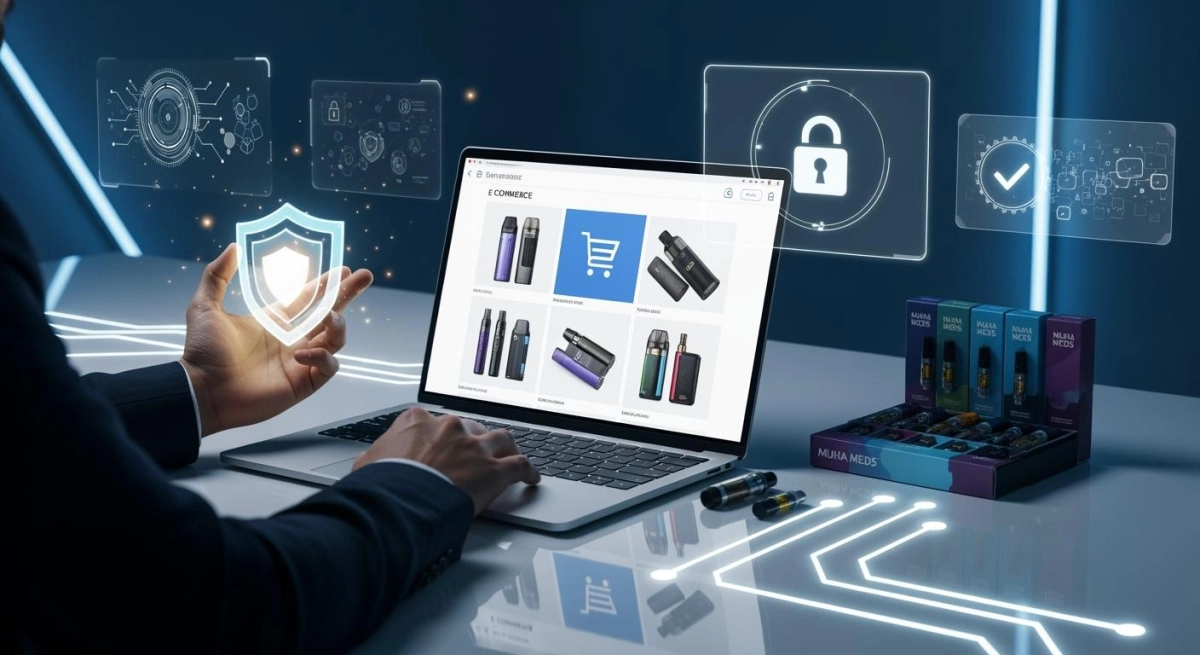
If you want to place a Muha Meds bulk empty only order safely online in 2025, you need a process that controls three risks: supplier legitimacy, quality drift, and payment/shipping fraud. Start with this 30-second checklist, then follow the step-by-step workflow.
30-second Safe Ordering Checklist
-
Identity: Verify the supplier’s legal entity + address + match to bank beneficiary.
-
Proof: Require live video proof of stock/production + timestamped packaging proof.
-
Spec lock: Approve a “golden sample” and freeze specs with a revision code.
-
QC plan: Use an AQL sampling plan (ISO 2859-1 style) with clear defect classes.
-
Payment control: Use escrow / staged payments, and verify any payment-change request out-of-band.
-
Shipping docs: Require invoice + packing list + carton counts before release.
-
Receiving: Quarantine on arrival, sample-inspect, then release to inventory.
This article is about empty only ordering controls and quality practices. It is not legal advice. Always confirm local requirements with your compliance team or counsel.
1) Supplier vetting (avoid scams + impersonation)
Most losses in bulk online procurement come from two patterns: fake suppliers and vendor payment-instruction impersonation (a form of business email compromise). Build a vetting routine that produces hard evidence, not just promises.
Internal reading (optional): Bulk purchasing guide
Supplier Vetting Checklist (evidence-based)
|
What you verify |
How you verify (minimum) |
Evidence you collect |
Fail signs |
|---|---|---|---|
|
Legal entity |
Check registration + match trading name across invoice/bank beneficiary |
Registration screenshot + invoice template + beneficiary name |
Entity name changes, “personal” beneficiary, refusal to share basics |
|
Physical presence |
Live video walkthrough + show today’s date + carton labels |
Recorded call + timestamped photos |
Only edited photos, no live proof, dodges video calls |
|
Order consistency capability |
Ask how specs are controlled (revision, sign-off, change log) |
Spec sheet + revision code + change-control rules |
“We’ll match it” with no written controls |
|
Fraud resistance |
Require out-of-band verification for any bank/shipping change |
Named approver list + verification script |
Urgent change requests, pressure tactics, secrecy |
Red flag rule: if they push “wire today” + “new bank account” + “can’t do video,” treat it as a stop sign. Business Email Compromise commonly uses invoice/payment redirection tactics.
2) Samples & spec lock (freeze what “good” looks like)
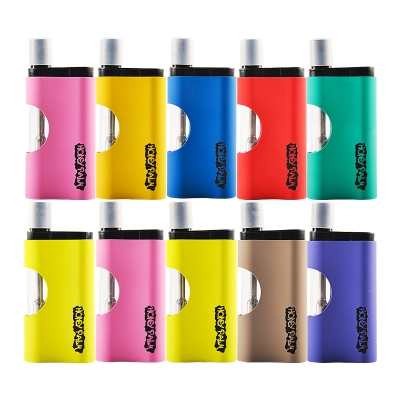
You reduce QC disputes when you define “good” using an approved reference. Your goal is to create a golden sample package: photos, measurements, and acceptance criteria, then freeze it with a revision code (Rev A, Rev B, etc.).
Internal reading (optional): Empty only overview & wholesale considerations
Golden sample photo set (what to capture)
-
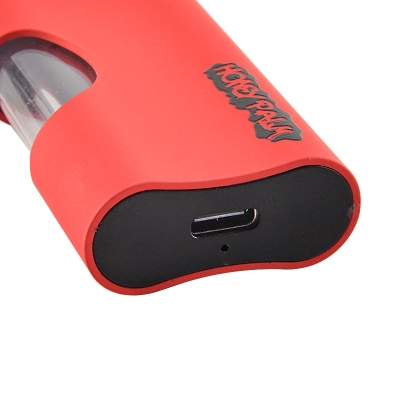
Unit: front/back, close-up of connector/contact area, seams/seals, mouthpiece fit
-
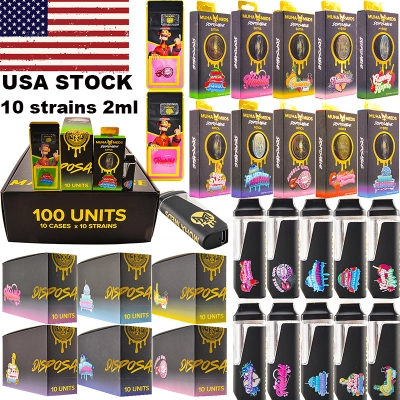
Packaging: front/back, tamper features, lot/print codes, carton labels
-
Counts: carton count photo + packing list reconciliation photo
Spec lock fields (keep it measurable)
|
Field |
How you define it |
Pass example (you set your own) |
Evidence |
|---|---|---|---|
|
Cosmetics |
Scratches, dents, print misalignment, contamination |
No visible defects at arm’s length; print alignment within your stated tolerance |
Photo grid of 10 random units |
|
Fit/assembly |
Wobble, gaps, loose parts, poor mating |
No looseness beyond your defined limit |
Short video of fit check |
|
Packaging integrity |
Crush, tears, open seals, incorrect labels |
Cartons intact; retail packs sealed as specified |
Carton photos + pack photos |
|
Traceability |
Lot/print codes and carton labels tied to PO/lot |
Every carton labeled; lots consistent with packing list |
Label close-ups + packing list |
Internal reading (optional): Empty only specs, QC & packaging guide
3) QC agreement (AQL sampling + evidence pack)
QC scoring tools expect you to cite primary standards when you mention sampling. The safest way is to point to ISO 2859-1 and describe how you apply it (without inventing tables).
Defect classes (standardized)
-
Critical: safety/functional failures you will not accept (0 tolerance)
-
Major: significant quality issues that drive returns/rework
-
Minor: cosmetic issues within your agreed limits
AQL sampling plan template (ISO 2859-1 style)
|
Plan element |
What you write in the QC agreement |
|---|---|
|
Standard |
Sampling by attributes per ISO 2859-1 (or your local equivalent) |
|
Inspection level |
Define the level you will use for incoming and pre-ship inspection (Normal/Tightened rules if needed) |
|
AQL targets |
Set AQL per defect class (Critical / Major / Minor) and make “Critical = 0 acceptance” explicit |
|
Evidence pack |
Require timestamped photos/videos + carton label set + count reconciliation + defect log |
|
Disposition |
Rules for rework, replacement, credit, or rejection; include timelines |
Make your tables “machine-checkable”: every checkpoint should include (1) accept criteria, (2) reject criteria, (3) sampling rule, (4) evidence required. That’s what pushes QC “skill/accuracy” up.
Pre-ship “evidence pack” (what you demand before release)
-
Carton label photos (all sides for 3 random cartons)
-
Random unit photo grid (e.g., 10–20 units laid out)
-
Close-ups of seals, seams, and any high-risk points you define
-
Packing list + carton count reconciliation photo/video
-
Defect log (with unit IDs/photo references)
Internal reading (optional): AQL standards for scaling empty only orders
4) Payment & shipping (risk controls)
Payment and shipping is where many “good suppliers” still fail—because impersonation attacks target the buyer’s AP process. Your controls should be simple, repeatable, and documented.
Secure payment controls (practical)
-
Escrow or staged payments: tie releases to evidence pack approval.
-
Out-of-band verification: if bank details change, verify via a known phone number from your vendor file (not the email thread).
-
Single source of truth: one internal worksheet for beneficiary name, account, SWIFT, and approvers.
-
Holdback option: retain a small % until receiving inspection passes (your agreed timeline).
Shipping & document controls
|
Document |
Why it matters |
What you check |
|---|---|---|
|
Commercial invoice |
Customs clearance and payment reconciliation |
Seller entity name, item description, quantities, unit price, total |
|
Packing list |
Receiving inspection and carton reconciliation |
Carton counts, units per carton, lot/print codes if used |
|
Incoterms |
Defines who owns risk/cost at each leg |
Term matches your expectation (e.g., who pays duties, who insures) |
If you use Incoterms, cite the ICC source and state the exact rule version (e.g., Incoterms® 2020) to avoid ambiguity.
5) Receiving inspection (quarantine + release rules)
Treat receiving as a controlled gate: quarantine → inspect → release. This is where you stop quality drift from becoming customer returns.
Incoming QC checklist (standardized)
|
Checkpoint |
Accept criteria |
Reject criteria |
Sampling rule |
Evidence required |
|---|---|---|---|---|
|
Carton condition |
Intact, not crushed, labels readable |
Crush/tear/wet damage that compromises contents |
Check all cartons on arrival |
Photos before opening |
|
Counts vs packing list |
Counts match within your stated tolerance |
Shortage/overage beyond tolerance |
Spot-check cartons + reconcile totals |
Count sheet + photo/video |
|
Cosmetics |
Within your cosmetic limits |
Exceeds limits (scratches/dents/contamination) |
AQL sampling per agreement |
Photo grid + defect log |
|
Fit/assembly |
No looseness beyond your defined limit |
Loose parts, gaps, misfit |
AQL sampling per agreement |
Short video per defect type |
|
Packaging integrity |
Seals/features match your approved proof |
Wrong template, missing features, open seals |
Sample packs across multiple cartons |
Close-ups + carton label set |
Release rules (simple and enforceable)
-
Release only if Critical defects = 0 and other defect classes meet your AQL plan.
-
Hold and notify supplier within your dispute window if thresholds are exceeded.
-
Version control: record Rev code, lot/print codes, and photos for repeat PO stability.
6) Documentation & buyer due diligence (2025)
QC tools often penalize “compliance sections” when they’re written as absolute requirements without primary sourcing. The safe, accurate approach is: state what you must verify, link to primary references, and make applicability conditional on your market.
What you should document for every PO
-
Signed spec lock (Rev code) + golden sample photo set
-
QC agreement: defect classes, sampling standard, evidence pack, disposition rules
-
Invoice + packing list + carton count reconciliation
-
Receiving inspection results + defect log
Packaging safety features (verify applicability)
If your destination market requires child-resistant packaging, you should reference the U.S. special packaging framework and testing procedures (commonly cited under 16 CFR Part 1700) and validate how it applies to your category. If you use transit testing claims, reference recognized packaging test programs (e.g., ISTA procedures) rather than informal blog posts.
Keep it audit-ready: “We verified X using Y reference, and we stored Z evidence.” That is what improves Trust and Accuracy.
Summary: safest workflow for Muha Meds bulk empty only (2025)
-
Vet the supplier using evidence (entity + address + live proof).
-
Lock specs with a golden sample and revision control.
-
Agree on QC (defect classes + ISO-style AQL sampling + evidence pack).
-
Control payment changes and shipping docs.
-
Inspect on arrival (quarantine → inspect → release).
Use the checklists and templates above on every order, especially first-time suppliers. To explore more Muha Meds bulk empty only resources on Vapehitech, start with the linked internal guides.
FAQ
What is the single most important control for first-time online bulk orders?
Evidence-based vetting + out-of-band verification for payment instructions. Many losses happen when a “supplier” is fake, or when payment details are changed via impersonation.
How do you avoid QC disputes before the shipment leaves?
Freeze a golden sample with a revision code, then require a pre-ship evidence pack tied to that revision. If it doesn’t match, you pause release.
How do you make QC sampling sound credible (and not “made up”)?
Name the sampling standard (ISO 2859-1 or equivalent), define defect classes, and document how you select the plan. Avoid inventing table values—link the standard and state your chosen AQL targets in the QC agreement.
Primary references (standards + regulators)
-
ISO 2859-1 (sampling procedures for inspection by attributes): ISO standard page
-
Incoterms® 2020 rules (trade terms definitions): ICC overview
-
U.S. special packaging regulations (16 CFR Part 1700): eCFR Part 1700
-
Import documentation basics (invoice/packing list, etc.): CBP “Importing Into the United States”
-
Fraud prevention (business guidance): FTC on business imposters
-
Business Email Compromise (invoice/payment redirection): IC3 public service alert
-
ISTA packaging test procedures (program reference): ISTA procedure catalog example
4 Comments
Useful post! Keep sharing more like this.
Nice content. I appreciate the way you break things down.
Good read! Your points were easy to understand.
Thanks for the helpful info. This was exactly what I needed today.