
If you’re comparing “empty disposable” options, you’re usually trying to answer three practical questions: (1) which format best fits your program and filling workflow, (2) which features reduce returns (leaks, clogging, weak draw, damaged packaging), and (3) what to check before you commit to a large disposable vape pen wholesale order.
Table of Contents
1) What “Empty Disposable” Means in B2B
In everyday marketing, “disposable” can mean a finished, ready-to-use device. In a B2B hardware context, empty disposable refers to a disposable-style chassis supplied without consumable contents. It’s built to be integrated into licensed programs that handle formulation, filling, compliance, and retail distribution.
For a category-level view of device styles and typical feature sets, start here: disposable vape pen wholesale. For a structured evaluation framework you can reuse across lots and suppliers, see: empty disposable.
Practical definition: if the supplier can’t provide consistent specs, packaging details, and lot identifiers, you don’t have a “platform”—you have one-off SKU risk.
2) Types of Empty Disposable Vaping Products
A) Pen-style all-in-one (AIO) chassis
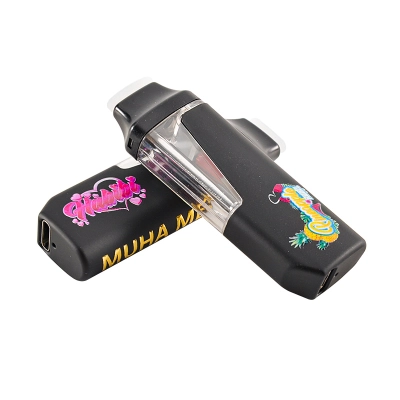
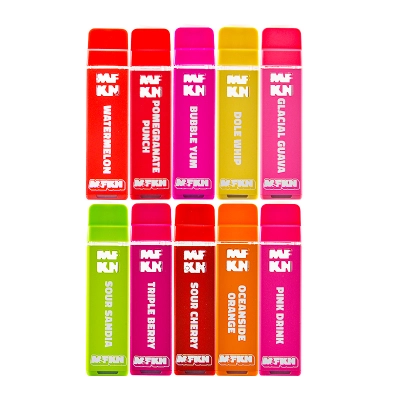
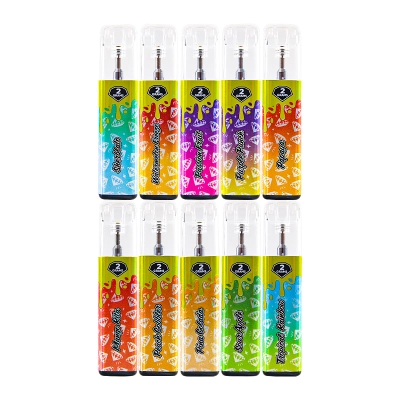
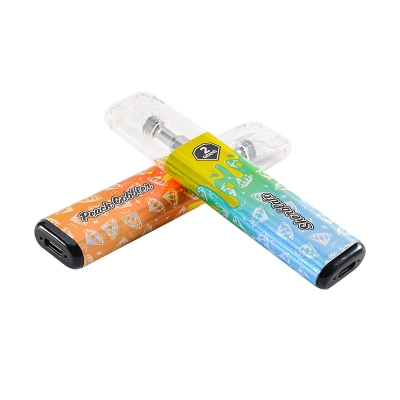
Pen-style AIO empty disposables dominate wholesale purchasing because they’re easy to merchandise and simple to handle in bulk. The real differentiator isn’t the silhouette—it’s the engineering: seal design, oil-path geometry, and whether the platform supports predictable fill-and-finish workflows.
B) Cartridge-based formats (separate “cart” + power body)
Cartridge-based systems can make sense when your program benefits from modularity or you need standardized interfaces. Buyers often manage cartridges as a separate sourcing lane with its own QC gate. If your project includes it, use this hub: empty vape cartridge.
C) Feature-led “premium” disposables (e.g., screen-equipped)
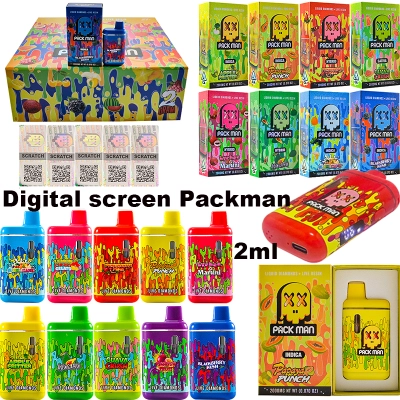
Screens can improve shelf communication, but they introduce additional assembly and variation points. Treat screen devices as a distinct comparison set with defined acceptance criteria (alignment, response, defects). For a focused collection view: disposables with screen.
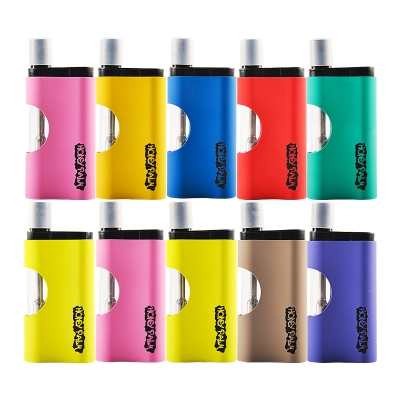
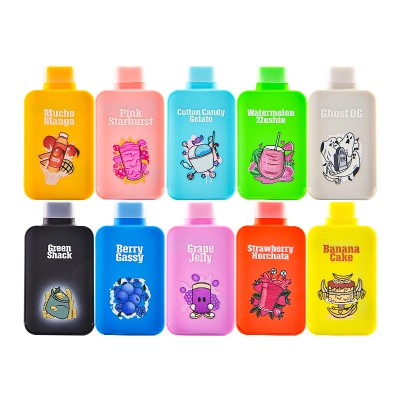
D) Program-specific branded/“collab-style” shells
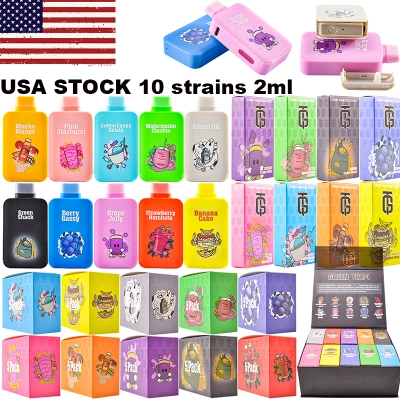
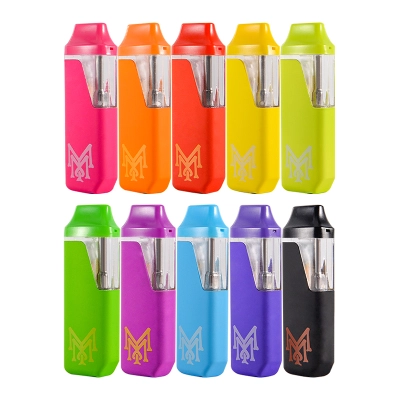
Some B2B teams standardize on a shell “design language” to keep packaging footprints and retail presentation consistent across drops. This can work well operationally—if you enforce change control and lot-based QC the same way you would for any other platform.
3) Feature Checklist: What Actually Changes Outcomes
1) Seals & leak resistance (the return-rate driver)
Many wholesale headaches trace to sealing variation: inconsistent gasket compression, tolerance drift, or fill-port designs that don’t tolerate handling. For MoFu comparison, stay practical—compare sealing architecture and process repeatability, not marketing labels.
2) Airflow geometry & clog risk
Airflow and oil-path geometry are the quiet drivers of draw stability and clog resistance. Two devices with similar “spec sheets” can behave very differently because small geometry shifts change condensation and pressure behavior.
3) Materials & interaction surfaces
In B2B sourcing, “materials” should mean consistency and documentation: stable oil-path and sealing surfaces across lots, and clear change control so you don’t get surprise revisions mid-program.
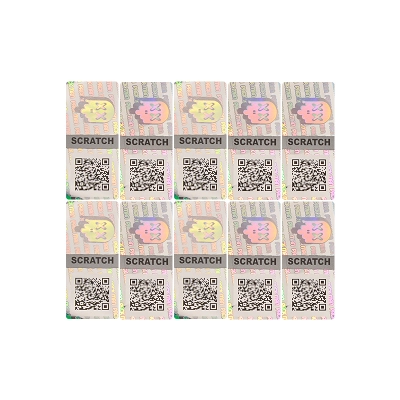
4) Packaging fit (child-resistant, tamper evidence, survivability)
Packaging is part of the product system. In many markets, child-resistant definitions are grounded in PPPA concepts and CPSC guidance (PPPA business guidance, Guide to Special Packaging, PPPA overview). For classification vocabulary often referenced in CR packaging discussions, ASTM maintains a classification scheme (ASTM D3475).
5) Keep “power” discussion scoped
Many posts over-focus on batteries. For MoFu selection, you’ll usually get more value from comparing seals, airflow, and packaging survivability first. Document power parameters in your spec sheet, but don’t let them distract from the main defect drivers.
4) Wholesale Purchasing Considerations (QC, Packaging, Documentation)
A) Use a repeatable QC sampling plan
Incoming inspection should be fast, repeatable, and defensible. Many teams reference acceptance sampling concepts aligned with ISO frameworks (e.g., ISO 2859-1). ISO also indicates a replacement revision is in progress (ISO/FDIS 2859-1), which is a good reminder to cite the standard family in SOPs rather than locking onto a single edition forever.
B) Require a quality system signal (not just “we do QC” claims)
A supplier should be able to explain change control, nonconformity handling, and corrective action workflows. ISO references help you structure vendor questions (ISO 9001, What is a QMS?). You’re not “buying the certificate”—you’re buying the discipline that prevents surprise lot-to-lot changes.
C) Validate transport survivability with recognized test logic
If you ship across regions or warehouses, packaging should tolerate vibration, drops, and compression. ISTA frameworks are widely referenced for distribution simulation (see ISTA’s test procedures overview and the ISTA 3A overview). Even if you don’t lab-test every SKU, using this logic improves packaging decisions and reduces damage-related disputes.
D) Build case-level traceability into purchasing
Traceability turns disputes into solvable questions: which cases, which lots, which checks, which outcomes. GS1’s traceability standards provide a practical framework (GS1 traceability), and NIST explains traceability as an unbroken documented chain in measurement contexts (NIST metrological traceability).
E) Use accredited labs when third-party verification is needed
When you do require third-party testing (materials, packaging performance, etc.), an accreditation baseline reduces uncertainty. ISO/IEC 17025 outlines competence expectations for testing and calibration labs (ISO/IEC 17025 overview).
F) Keep regulatory references scoped to “components and parts”
For a general, non-sales framing of how regulators talk about ENDS and components and parts, FDA maintains reference pages (FDA ENDS overview). In MoFu purchasing contexts, the takeaway is simple: documentation + controlled changes matter.
Operational issues don’t disappear after receiving—they become tickets, returns, and partner friction. If you want one internal “source of truth” for handling/storage and field issues, link a single SOP-style reference: troubleshooting guide.
5) Comparison Matrix: Choosing the Right Format
Use this matrix to keep comparisons grounded. The best choice is the one you can operate consistently—with QC, packaging, and traceability—across warehouses and partners.
| Format | Best for | Watch-outs | What to demand from suppliers |
|---|---|---|---|
| Pen-style AIO empty disposables | Broad assortments; predictable merchandising; streamlined bulk handling | Seal consistency; tolerance drift between lots; packaging fit | Stable specs + change control; lot IDs; repeatable QC sampling results |
| Cartridge-based formats | Programs that benefit from modularity or standardized cart interfaces | Interface mismatch; separate failure modes (cart vs body); more SKUs to control | Clear interface specs; compatibility notes; defined defect taxonomy |
| Screen-equipped disposables | Premium shelf communication; clearer user feedback at retail | More components; display defects; added assembly variability | Screen acceptance criteria; packaging protection; consistent assembly process |
| Program-specific “design language” shells | Retail consistency across drops; standard packaging footprints | Buying design instead of engineering; unmanaged revisions | Documented revision control; packaging drawings; receiving SOP alignment |
6) 10-Point Receiving Checklist (MoFu-ready)
This checklist is designed to be usable in the warehouse—fast enough to run, strong enough to defend. Customize thresholds to your program.
- Lot identifiers present: case-level label + inner pack identifiers; record before opening cases.
- Packaging integrity: corner crush, seal failure, scuffs—log with photos.
- Count verification: spot-check cartons and master cases; reconcile immediately.
- Visual assembly check: misalignment, gaps, cracks (track patterns, not single events).
- Seal/closure inspection: inconsistent compression, poor seating, obvious defects around interfaces.
- Airflow sanity check: identify “blocked draw” outliers early—track by lot and case.
- Feature function (if applicable): run a defined, repeatable function check.
- Spec confirmation: verify a small set of “must-not-change” specs that impact your workflow.
- Defect taxonomy: categorize defects consistently; separate damage vs manufacturing.
- Disposition rules: define what triggers hold/rework/return before issues appear.
Tip: Your checklist becomes stronger when tied to recognized sampling logic (ISO 2859-1) and documented traceability (GS1-style identifiers).
7) FAQ
What makes this a “Commercial/Comparison” MoFu guide?
MoFu buyers are past awareness—they’re choosing between formats and suppliers. That means fewer slogans and more decision tools: checklists, matrices, and an operations-first view of what fails in real distribution.
Should I prioritize device features or packaging/QC first?
Features matter, but QC + packaging survivability determine whether those features survive real handling and shipping. If you can’t receive, store, and ship the item without damage or disputes, the feature debate is secondary.
How many internal links should a MoFu buyer-education post use?
For clarity and on-page focus, 3–5 is usually enough: one pillar hub, one deep evaluation guide, one relevant subcategory, and one operations SOP reference. This article intentionally keeps internal links at five.
Bottom line
The best “empty disposable” choice is the one you can run as a stable system: consistent lots, repeatable QC sampling, packaging that survives distribution, and documentation that makes disputes resolvable. If you compare platforms on those terms, your disposable vape pen wholesale decisions become far more predictable—without turning the article into a sales pitch.
3 Comments
Great info, looking forward to more updates.
Nice read, very helpful and clear.
Really enjoyed this post, thanks for sharing!