
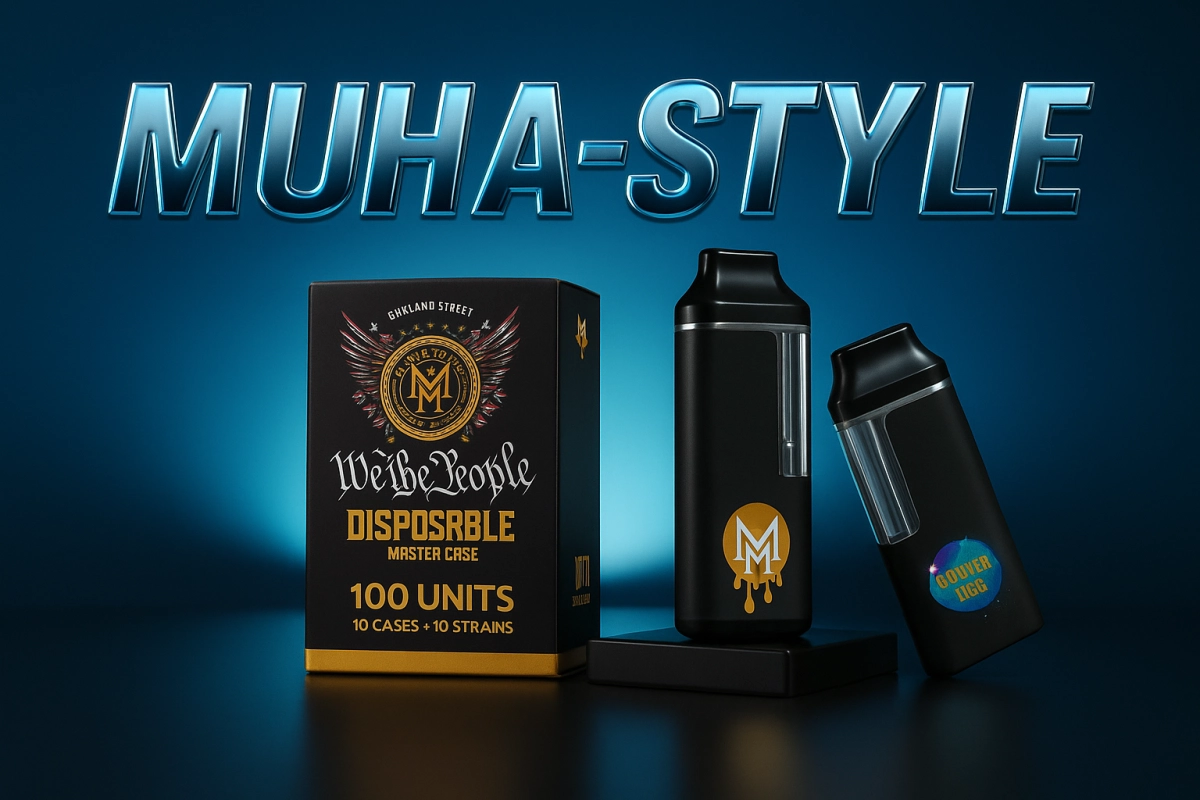
A practical, non-promotional reference for B2B teams buying Muha-style empty shells at scale. We focus on supplier vetting, AQL sampling, dimensional tolerances, seal integrity, QR-based traceability, and packaging validation—keeping battery talk to a minimum.
Scope. This article concerns empty hardware only (no oil). Filling, potency testing, and finished-goods labeling remain the responsibility of licensed manufacturers. Avoid medical/health claims and follow local laws.
1) Why “Empty” Matters: Claims, Evidence, and Boundaries
“Empty” defines what you can responsibly claim. Keep language factual—dimensions, materials, assembly tolerances, and packaging robustness—rather than potency or effects. For search clarity, you can acknowledge the term buyers use—many will search for empty muha med standards—but your copy should remain hardware-centric.
- Green zone: tolerances, seals/gaskets, material specs, surface finish, traceability features, shipping carton tests.
- Red flags: therapeutic/health claims; potency/effects; references that imply filled product compliance when discussing empty shells.
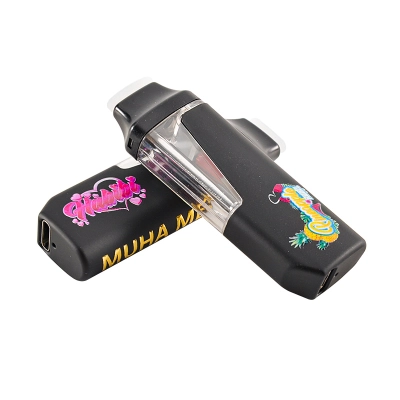
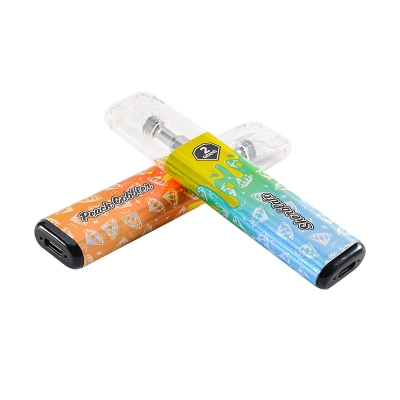
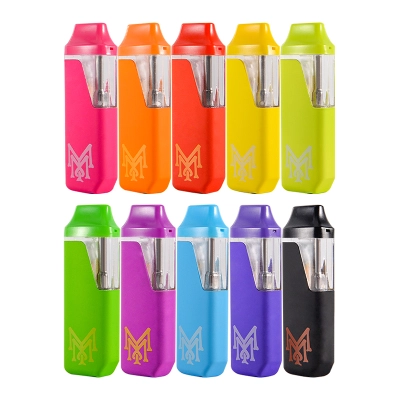
If readers need a catalog overview, point them to your category hub for context on current form factors—see our Muha-style empty hardware category for nomenclature consistency and shell families.
2) Supplier Vetting: Process Evidence Over Promises
2.1 Audit signals that actually predict quality
- Process capability: Cp/Cpk (or at least gauge R&R) on critical fits—mouthpiece interface, thread class, port diameters.
- Materials documentation: resin grade and elastomer data sheets; stable hardness (ShA) and compression % for gaskets.
- Clean assembly: basic particulate controls; clear handling SOPs for “empty” components to avoid cosmetic/fit issues.
2.2 Contract the RMA path up front
Define containment (quarantine + 100% re-inspection), corrective action (8D), and verification (trend 3 subsequent lots). Tie vendor scorecard points to actual defect escape rate and response speed.
3) AQL Sampling: Make “Good Enough” Explicit
Use an attributes sampling plan indexed by AQL (e.g., ISO-style). Separate defects by severity so everyone speaks the same language:
- Critical: functional failures (e.g., leak-risk geometry, unformable threads).
- Major: dimensional out-of-tolerance on sealing surfaces; cross-thread tendency at nominal torque.
- Minor: cosmetics that don’t affect function (controlled by visible standards).
Many buyers adopt a conservative mix such as C=0, M=0.65–1.0, m=1.0–2.5. The exact values depend on risk, cost, and downstream handling. Keep the same lot size and inspection level when comparing vendors, and pair the plan with a photo pack for visual alignment.
4) Tolerances, Seals, and Surface Finish: Where Leaks Begin
Most field complaints on empty shells trace back to fit/finish—not electronics. Focus your spec on:
- Seal stack: specify material family (e.g., silicone/FKM), Shore A hardness, target compression window, and temperature range.
- Threads & press-fits: define thread class; set a torque window and verify no cross-threading at nominal force.
- Intake/port geometry: hole count/diameter and roundness tolerances; keep burr/flash to defined maxima.
- Surface quality: Ra on sealing surfaces; visible standards to reject scratches, sink marks, or flow lines that affect fit.
Build a simple receiving kit—go/no-go gauges for threads and ports, torque driver for cap interface, and a light booth for cosmetic checks.
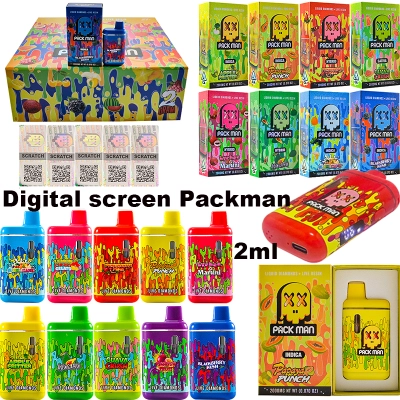
For readers comparing variants with an interface or display, consolidate terminology on one internal page (e.g., screen-equipped shells). A short orientation can live on your screen-option overview so QC teams know what UI cues to look for during incoming checks.
5) Traceability by Design: QR, Lots, and Quiet Zones
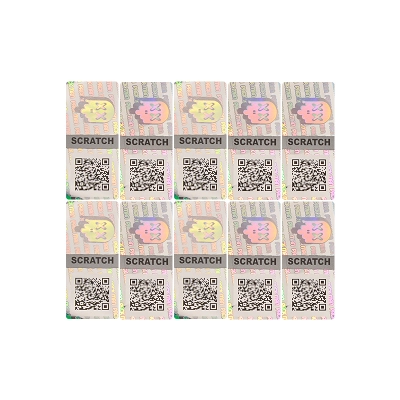
Decide the QR/lot schema before artwork. A GS1-style structure allows one code to resolve product, batch, and support endpoints. Protect a clear quiet zone, test scannability on curved parts, and ensure the data string survives carton scuffs and moisture. Use the same lot ID across drawings, cartons, and inspection sheets.
If your team wants to align shell vocabulary with actual catalog groups during documentation handoff, keep a neutral reference page such as Muha-style empty pen formats that lists dimensions and UI variants without promotional language.
6) Packaging Validation: Survive Freight Before It Starts
Damage to empty housings is almost always preventable with defined packaging. Use standardized tests for screening and simulation:
- ISTA 1-Series: low-cost screening (drop, vibration) for master cases—ideal during early design.
- ASTM D4169: distribution simulation for a realistic sequence (compression, shock, random vibration).
Lock carton specs (board grade, divider strength, pallet pattern) and ask suppliers to provide pre-shipment photo packs—six sides of master case, pallet corners, and label close-ups. For consistency, mirror naming with your catalog page for dimensional references—e.g., a neutral sheet like 2-gram shell references if your team uses that denomination internally.
7) From Sample to Mass Run: A Clean Handoff
- Sample sign-off: drawings + golden sample + tolerance table signed by both parties.
- Pilot run: ≤5% of order; run your AQL, confirm no new failure modes; finalize packaging spec.
- Mass production: production AQL + photo pack; lot label aligns with QR and inspection report.
- Receiving: apply the go/no-go kit; document rejects with the agreed taxonomy; trigger 8D if thresholds are met.
Battery note: if a configuration includes integrated cells, upstream partners should manage UN 38.3 documentation. For empty shells without cells, focus on mechanical integrity and packaging robustness.
FAQs
Q1. Do I need to advertise “empty muha med bulk” verbatim?
No. Use natural language for readers, then include the search phrase in meta title/slug and mention it once in the intro or FAQ for relevance.
Q2. What’s a sensible AQL starting point?
A conservative pattern like C=0, M=0.65–1.0, m=1.0–2.5 is common for attributes inspection. Tune it using your defect history and risk tolerance.
Q3. Which documents should be mandatory at PO?
Drawings (rev-locked), tolerance table, gasket material spec, visible standards, inspection sheet template, carton spec, and pre-shipment photo pack.

1 Comments
Keep up the great work!