
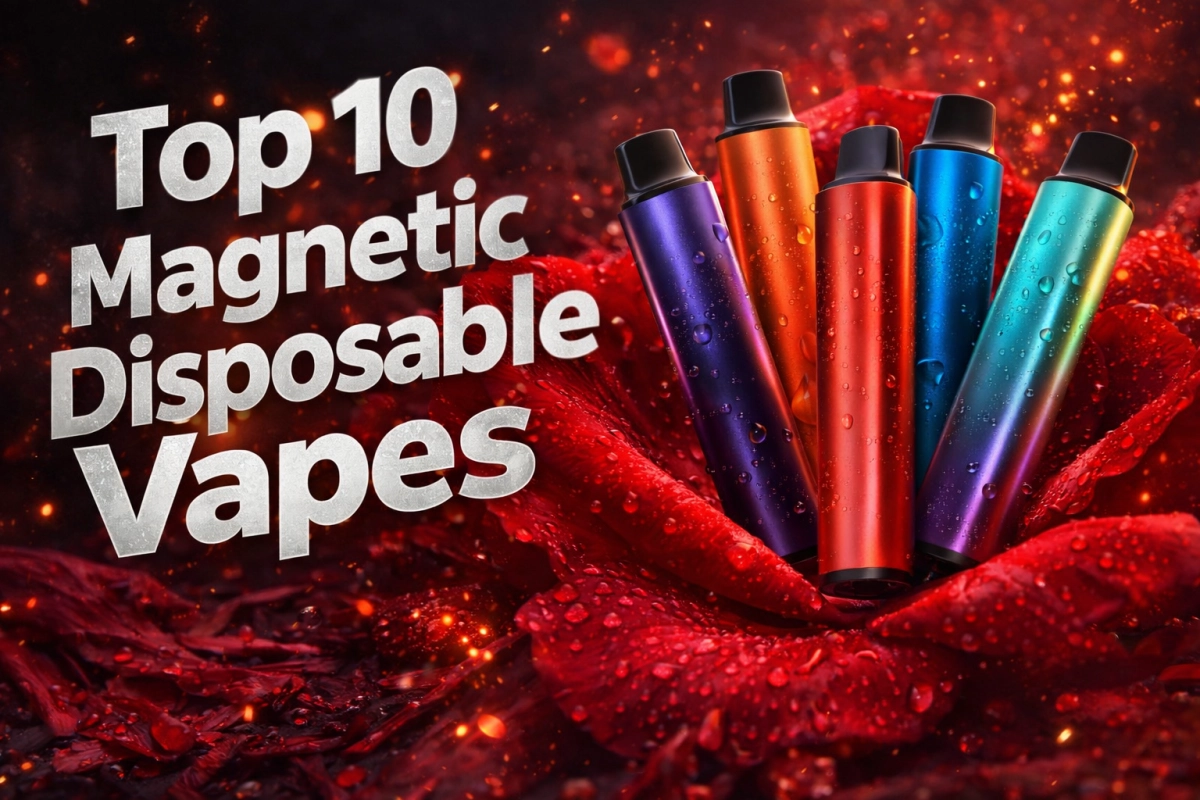
If you’re shopping for a magnetic disposable vape in 2025, the “magnetic” part is only valuable when it’s engineered and verified: stable alignment, consistent contact, and a retention force that survives real distribution. This guide is hardware-only—focused on device platforms, fit, and QC signals B2B buyers can validate.
Contents
- What makes a magnetic disposable vape “magnetic”?
- How a magnetic vape connection works (and why it fails)
- Top 10 picks of 2025 (hardware-only) + comparison table
- B2B buying guide: what to ask before you pay
- QC that actually matters for magnetic hardware
- Magnet safety and compliance notes
- FAQ
- External references (authoritative)
What makes a magnetic disposable vape “magnetic”?
In B2B reality, “magnetic” can mean one of three things:
- Magnetic mouthpiece / cap: a removable top snaps into a repeatable position (good for cleanliness + anti-leak handling).
- Magnetic pod-to-body mating: the oil chamber (pod) aligns to the heater/contact zone via magnets (better serviceability, tighter tolerances).
- Magnetic charging / dock interfaces: less common for truly “disposable,” but popular on hybrid platforms.
The business value is simple: magnets reduce user error in assembly and daily handling—when tolerances, polarity, and contact resistance are controlled. If you want a deeper, platform-specific explanation of a magnetic vape interface, see our internal primer: magnetic vape.
How a magnetic vape connection works (and why it fails)
A magnetic connection is a system, not a single part: magnet grade + placement, mechanical alignment features (keys, rails, stops), and electrical contact design (pads, springs, plating). When buyers say “my magnetic disposable vape is inconsistent,” the root cause is usually one of these:
Failure mode #1: “Snaps on” but misaligns
Magnets will happily pull into a wrong-but-close position if the housing lacks physical keying. The fix is mechanical: add a keyed geometry so magnets only finalize a correct alignment.
Failure mode #2: Retention drops after shipping
Repeated vibration and drops can loosen adhesive bonds or shift magnet seats. Packaging tests (parcel simulation) are a practical proxy for the “real world” distribution environment.
Failure mode #3: Intermittent contact
Even when magnets hold, contact surfaces can micro-fret. For buyers, the practical remedy is to require contact-stability checks and clear inspection sampling rules (AQL-style lot inspection), not just “we tested a few.”
Top 10 magnetic disposable vape picks of 2025 (hardware-only)
Below is a platform shortlist built around what B2B buyers actually compare: capacity class, intake port geometry, charging type, and user-facing indicators. Availability changes—use the live tag page linked above to confirm stock and lead times.
| # | Pick (Platform) | Capacity class | Intake port | Charging | UI / indicator | Why it’s a 2025 fit |
|---|---|---|---|---|---|---|
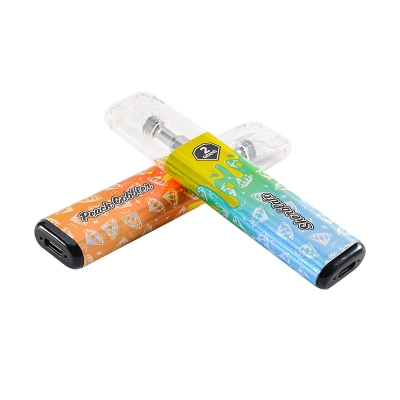
| 1 | Pressure 2g dual-chamber pen | 2g class | 4×1.8mm | Type-C | Dual-chamber concept | Best when your buyers need a “two-in-one” platform and you want a clear differentiation in a crowded magnetic disposable vape category. |
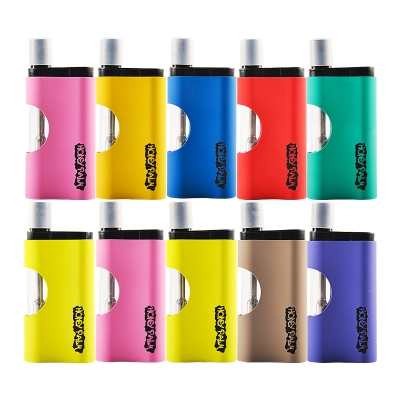
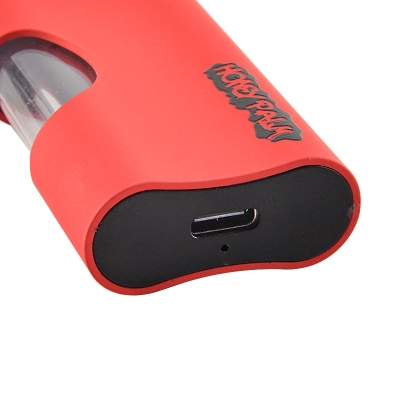
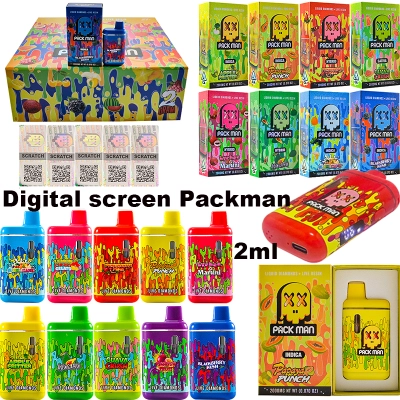
| 2 | Packman 2g with digital screen | 2g class | 4×1.5mm | Type-C | Digital screen | Screen-based UI has become a premium signal in 2025—use it when retail wants visible status + higher perceived value. |
| 3 | Honey Palm 2g pod platform | 2g class | 4×1.5mm | Type-C | Pod-style positioning | Good for teams prioritizing consistent assembly and repeatable fit—pod form factors often simplify magnetic alignment design. |
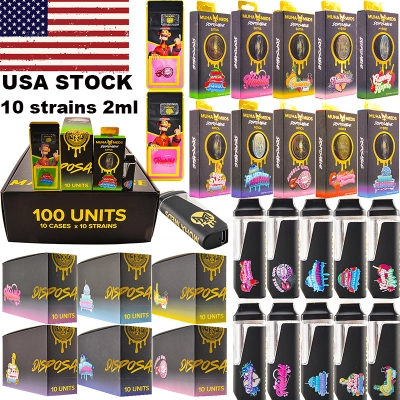
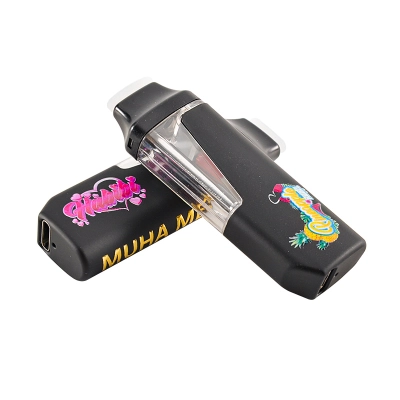
| 4 | Muha Meds 2g pod platform (Candyapple) | 2g class | 2×1.8mm | Type-C | Pod-style positioning | Dual-port intake geometry can be attractive for thicker formulations; validate with sample pulls and airflow consistency checks. |
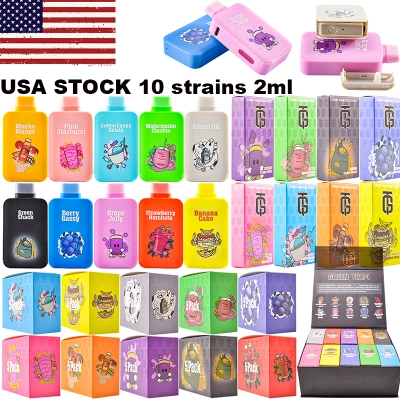
| 5 | Green Team 2g pen | 2g class | 4×1.5mm | Type-C | Classic pen feel | A straightforward, fast-to-sell platform when you need predictable pen ergonomics and easy packaging workflows. |
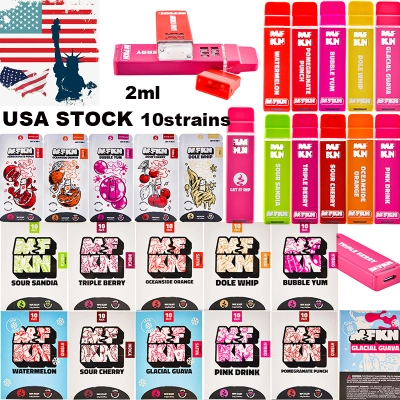
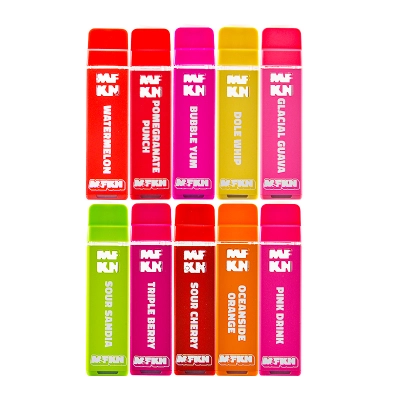
| 6 | MFKN 2g pen (LED bottom light) | 2g class | 4×1.5mm | Type-C | LED accent | LED cues help retail storytelling without adding complex UI. Great for “premium look” without a screen. |
| 7 | Cry Baby 2g pen (sleek) | 2g class | 4×1.6mm | Type-C | Sleek housing | Choose this when your priority is a simple, clean silhouette and you want to focus your QC budget on magnet-fit and leak control. |
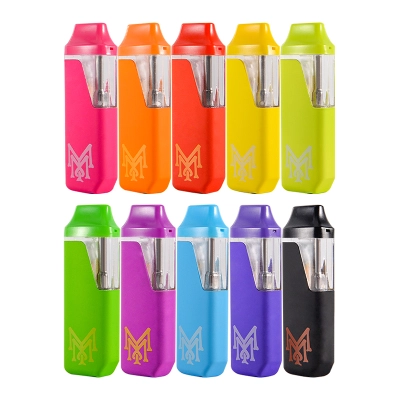
| 8 | Muha Meds Mavricks 1ml | 1ml class | 2×1.8mm | Micro-USB | Compact class | Use 1ml-class platforms for regions or programs where smaller format sells faster; keep magnet-fit consistent across lots. |
| 9 | Gold Coast Clear Gen2 (1ml) | 1ml class | 2×1.8mm | Micro-USB | Brand-driven platform | Works for buyers who want a recognizable silhouette and “magnetic connectivity” positioning—validate contact stability early. |
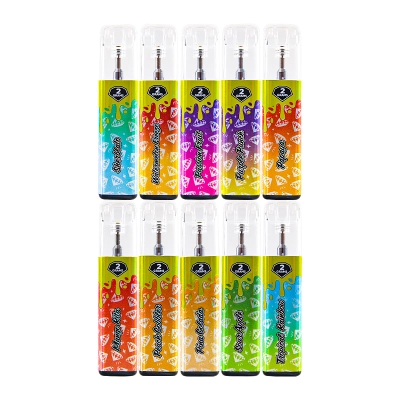
| 10 | Gold Coast Clear 3th (2ml) | 2ml class | 4×1.2mm | Micro-USB | Brand-driven platform | Useful when you want a 2ml-class option tied to a magnetic-connection narrative; confirm retention strength and drop performance. |
B2B buying guide for magnetic disposable vape orders (what to ask)
1) Ask for a magnet-fit spec, not just “magnetic”
- Where are the magnets located (cap, pod, dock)? Are they exposed or fully enclosed?
- What controls alignment (keys/rails/stops), besides magnet pull?
- What’s the retention target (pull-off / shear), and how is it tested?
2) Insist on lot-level sampling rules
A single “golden sample” is not a lot. For repeatable B2B outcomes, request an inspection plan aligned to attribute sampling systems such as ISO 2859-1, then define pass/fail criteria for: magnet seating, contact continuity, leaks, draw activation, cosmetic defects, and packaging integrity.
3) Make packaging part of the product
Magnetic hardware can pass on the bench and fail after distribution. If you ship DTC or parcel routes, tie your packaging to recognized parcel simulation procedures (e.g., ISTA 3A), or a distribution cycle test plan (e.g., ASTM D4169). This is where “stable magnets” becomes “stable delivered experience.”
QC that matters most for magnetic vape hardware
Magnet retention & seat integrity
- Pull-off / shear check: define a numeric target and test frequency across the lot.
- Adhesive + seat design audit: magnets should not “float” under vibration.
- Drop + vibration exposure: verify post-test retention and alignment.
Alignment repeatability
- Confirm the connection self-centers into one correct position (mechanical keying matters).
- Check “snap feel” consistency across samples (no gritty seating, no half-lock).
Contact stability (intermittents are silent killers)
- Define a continuity test (no flicker / no intermittent firing under light torsion).
- Require post-shipment rechecks on retention + contact.
Magnet safety and compliance notes (practical, not legal advice)
If your magnetic disposable vape contains loose or separable magnets, treat magnet safety as a high-severity risk. U.S. guidance and requirements for magnet products are publicly described in: the Safety Standard for Magnets (16 CFR Part 1262) and CPSC’s Magnets business guidance. Even if your device is not marketed as a magnet product, the same hazard logic applies when magnets can detach.
For materials compliance narratives (common in B2B RFQs), electronics often reference substance restrictions frameworks such as RoHS and chemical control frameworks such as REACH. Use these as documentation anchors where relevant to your market and product scope.
FAQ
Are “magnetic disposables” always better than standard disposables?
Not automatically. A magnetic disposable vape is “better” only if it reduces misalignment and handling errors without introducing detach risks or intermittent contact. If your supplier can’t define retention + sampling rules, magnets become marketing—not reliability.
What’s the fastest way to shortlist a magnetic vape platform for wholesale?
Start with your required capacity class (1ml/2ml/2g), then lock in: (1) intake geometry you can validate with samples, (2) your preferred charging interface, and (3) a magnet-fit QC plan. Use the comparison table above, then confirm current listings on the magnetic disposable vapes page.
What should my RFQ include for magnets?
Ask for: magnet placement drawings/photos, retention targets, post-vibration retention results, and a lot sampling plan (ISO 2859-1 style). Then require rechecks after packaging simulation.
External references (authoritative)
These are helpful anchors for documentation, QC language, and risk framing. (Not legal advice.)
- 16 CFR Part 1262 — Safety Standard for Magnets (eCFR)
- CPSC — Magnets Business Guidance
- ISO 2859-1 — Sampling procedures for inspection by attributes (ISO)
- ASTM D4169 — Performance testing of shipping containers and systems (ASTM)
- ISTA Test Procedures — Procedure 3A overview (ISTA)
- Directive 2011/65/EU (RoHS) — EUR-Lex
- REACH Regulation (EC) No 1907/2006 — consolidated text (EUR-Lex)
Next step (recommended): pick 2–3 platforms from the table, request a sample set, then run a short QC sprint: magnet retention → alignment repeatability → contact stability → package simulation → recheck.
- Keep your platform naming consistent across POs (reduces silent spec drift).
- Write “magnet-fit” into your acceptance criteria, not only cosmetic QC.
- Document changes with a simple change-control note per lot.
Disclaimer: This article discusses empty vape hardware and sourcing/QC concepts for lawful business use. Always follow local laws and regulatory requirements applicable to your market.
3 Comments
Easy to read and understand.
Well written, thanks for sharing.
Useful info, appreciate it.