
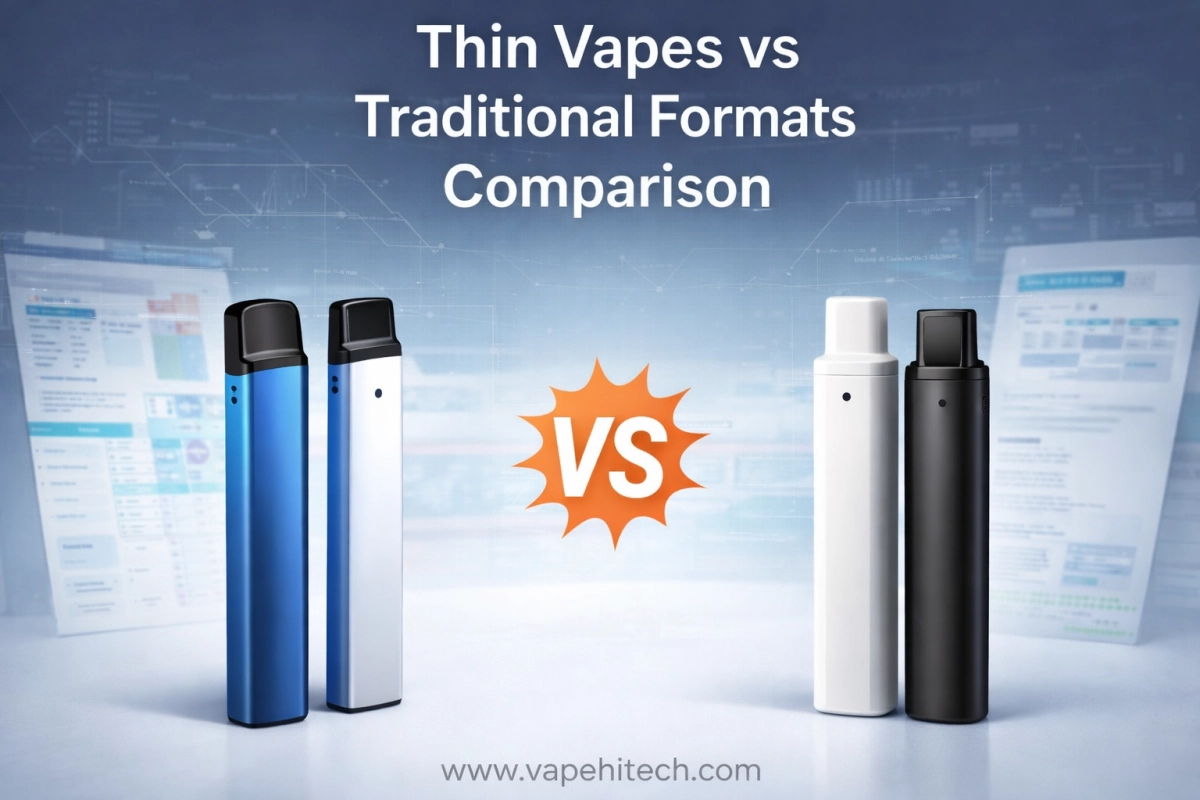
“Thin” has become a shorthand for portability. But in real-world procurement, thin vapes only win if they stay consistent across viscosity ranges, handling conditions, and distribution stress—without turning returns into your hidden margin killer.
What “thin” and “traditional” mean in buying terms
Thin vapes
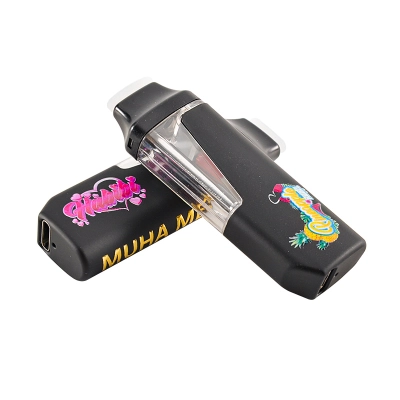
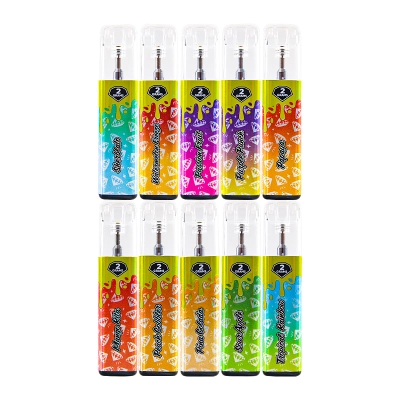
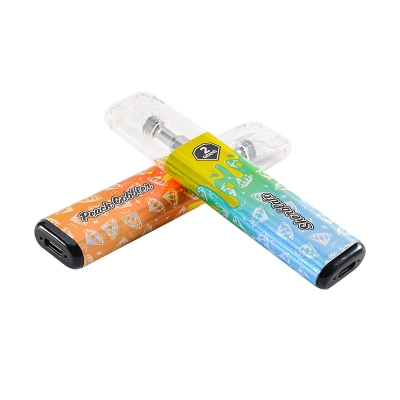
In sourcing conversations, thin vapes usually describe a slim, pocket-friendly all-in-one format with a narrow body profile and a compact internal layout. The buyer expectation is simple: “easy to carry, easy to merchandise, still consistent.”
Traditional formats
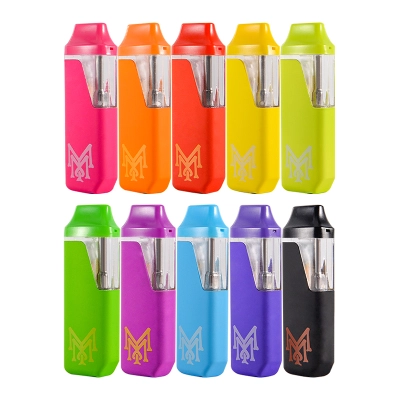
“Traditional” typically means bulkier profiles—classic pen bodies, larger all-in-ones, or box-type shapes—where extra internal volume can support airflow pathways, larger reservoirs, and more tolerance headroom. The trade is portability versus robustness.
Where the mini vape pillar fits
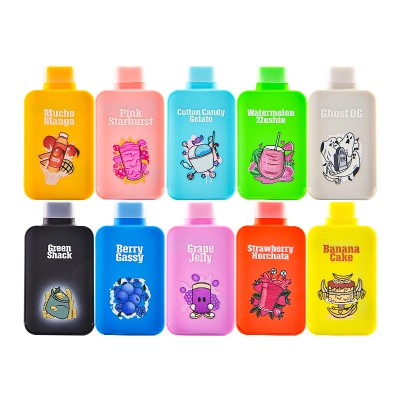
Think of mini vape as the buyer’s umbrella concept: compact formats that prioritize carry comfort, fast onboarding, and clean merchandising. If your catalog strategy is “mini vape first,” your evaluation should focus on consistency under constraints rather than peak output. For a capacity-led browsing entry point, start here: mini vape.
Performance: what to measure (and how to measure it)
1) Draw consistency and pressure stability
Buyers often say “smooth pull,” but what you’re really managing is variability: unit-to-unit draw resistance, clog frequency, and recovery after rest. For measurement discipline, align your internal test language with standard machine concepts such as ISO’s routine analytical conditions (ISO 20768 overview) and CORESTA’s routine analytical method (CORESTA RM 81 (PDF)). You don’t need a lab rig to benefit—use the concepts to standardize your team’s comparisons.
- What to log: first-pull success, hard-draws, clog-clears per 50 pulls, “wet mouthpiece” events, and variance across units.
- Why it matters: thin profiles have less geometry headroom; small tolerances can become big field variability.
2) Leak resistance and condensation behavior
Many “leaks” in the field are not catastrophic seal failures—they’re condensation accumulation or flooding behavior under aggressive pulls. Your incoming checks should separate:
- Seal integrity: gaskets, press fits, and interface seating.
- Flow control: inlet geometry and how fast a core re-saturates after a pull.
- Handling: how the unit behaves after warm storage, vibration, and repeated pocket carry.
This is where thin builds can be great (shorter pathways) or painful (less margin for inlet mismatch).
3) Heat behavior and “scorch risk”
Under compact layouts, small setting changes can shift temperature fast. If your SKU family supports warm-up or stepped output, standardize a conservative ramp protocol and log it. A practical internal reference: preheat tuning.
4) Material discipline and metals risk
Recent peer-reviewed work has highlighted that some popular disposables can emit elevated toxic metals, linking risk to materials and part choices. See the ACS Central Science study (paper) and accessible summaries from UC Davis and Johns Hopkins. Use this as a sourcing driver: request material declarations, plating info, and traceable lots—especially when comparing thin builds that may use tighter packing and smaller components.
5) Reproducibility of claims
If you cite emissions or byproduct comparisons in any buyer-facing material, demand reproducible methodology. A useful lens is the “experimental quality” criteria discussed in a Frontiers review on carbonyl measurement quality (Frontiers (2024)): clear setup description, realistic pull protocols, validated analytical method, and blanks to prevent false positives.
Portability: what matters beyond thickness
Portability is a system outcome, not a single dimension
Buyers pick thin vapes for carry comfort—but returns usually come from handling realities. Evaluate portability using “system” questions you can actually enforce:
- Mouthpiece protection: does it resist lint ingress and pocket contamination?
- Activation risk: does normal carry lead to accidental warm-up behavior or unwanted output?
- Orientation tolerance: does it behave consistently after being stored sideways?
- Merchandising wear: do finishes scratch easily, making shelves look low-grade?
Distribution realism: stop blaming carriers for packaging weakness
If you ship DTC or to small retailers, packaging performance becomes part of “portability.” Standard references that buyers and labs commonly use include: ASTM D4169 (distribution simulation practice) and ISTA 3A overview (PDF) (parcel system test approach). Even if you don’t run full lab sequences on every lot, aligning your packaging spec language to these references reduces ambiguity with suppliers.
Where thin vapes win, and where they lose
Thin vapes tend to win when…
- Portability and discretion drive sell-through: compact footprint helps retailers keep more SKUs on small displays.
- Operator simplicity matters: fewer user variables can mean fewer “support tickets” if build quality is stable.
- Your viscosity range is controlled: thin builds can be excellent when inlet geometry matches your common fill behavior.
Traditional formats tend to win when…
- You need tolerance headroom: more internal volume can reduce sensitivity to small variances.
- Field conditions vary widely: temperature swings, long storage, and rough handling can expose thin-build limitations faster.
- You prioritize serviceability: bulkier layouts can be easier to validate across accessory ecosystems.
Decision matrix: choose faster with fewer mistakes
Use this matrix for shortlisting. It’s built to support a mini vape pillar strategy while keeping your thin vapes comparisons structured and repeatable.
| Factor | Thin vapes (typical outcome) | Traditional formats (typical outcome) | What to request from a supplier |
|---|---|---|---|
| Draw consistency | Great when matched; can vary fast if tolerances drift | Often more forgiving; wider design margin | Lot-to-lot draw logs, inlet spec, acceptance limits |
| Clog / recovery behavior | Sensitive to inlet + core pairing under compact geometry | Usually more headroom for flow paths | 50–100 pull audit plan + failure coding |
| Leak / condensation | Can be excellent; also can “flood” under aggressive pulls | More room for separation; still not immune | Upright/side storage tests + vibration handling notes |
| Materials discipline | High importance due to tight packing and small parts | High importance; sometimes easier to control | Material declarations, plating/contact info, traceability |
| Portability | Usually best-in-class | Often acceptable but not leading | Packaging spec aligned to ISTA/ASTM language |
If your assortment depends on cross-compatibility with common threaded ecosystems, keep your connector story clean and avoid “universal” claims. Use a troubleshooting-first reference such as 510 threaded to standardize how teams talk about fit, seating, and contact behavior.
Verification checklist for MoFu buyers
Documentation you can actually enforce
- Lot traceability: carton and inner pack labeling that lets you isolate issues fast.
- Materials declarations: resin type for shells, elastomer type for seals, and any plating/contact information that affects stability.
- Acceptance criteria: pass/fail thresholds for draw resistance, cosmetic defects, and leak behavior.
- Packaging validation language: align your spec to ISTA 3A and/or ASTM D4169 so vendors can’t “hand-wave” durability.
Incoming inspection that catches the expensive failures
If your goal is fewer returns, prioritize tests that detect “intermittent” behavior early:
- Short-cycle pull audit: 10 units × 50 pulls each, same pull length and rest interval, log failure codes.
- Orientation check: upright vs sideways rest, then repeat the pull audit.
- Condensation check: look for mouthpiece wetness patterns; distinguish condensation from seal failure.
- Handling simulation: light vibration + drop-in-box checks to mimic parcel realities.
If you need a deeper, supplier-facing workflow for acceptance criteria and sampling logic, use this internal reference: empty only sourcing. (It’s written in a non-promotional tone and maps well to MoFu evaluation.)
Practical comparison workflow (field-friendly)
A simple, repeatable comparison routine
For most distributors and retailers, the best comparison is the one your team can repeat the same way every time. Use the “standard condition” mindset from ISO 20768 and CORESTA RM 81 to keep your internal testing language consistent.
- Stabilize: rest samples at a consistent room temperature window for 12–24 hours.
- Standardize pulls: fixed pull length and fixed rest interval; log 50 pulls per unit.
- Track failure codes: hard-draw, clog-clear needed, wet mouthpiece, visible seepage, output drop-off, and “first pull fails.”
- Repeat after handling: do a second round after vibration/transport simulation and after sideways storage.
If you want a concrete example of how to write up a comparison as a MoFu buyer, see: thin vapes. Use it as a template for structuring your own logs (not as a claim set).
FAQ
Are thin vapes always “lower performance”?
No. Many thin builds perform extremely well when inlet geometry, core selection, and assembly tolerances are controlled. The real risk is variance: compact layouts can amplify small production drift into noticeable field inconsistency.
What’s the biggest mistake buyers make when choosing a mini vape assortment?
Treating portability as the only success metric. A mini vape program succeeds when portability and consistency are both engineered into the SKU—supported by traceability and a repeatable incoming check.
How should we talk about safety without making claims?
Keep statements factual and process-based: materials documentation, traceability, and controlled acceptance criteria. When referencing broader risk research (for example, metals findings in disposables), link to primary sources and avoid implying your empty only SKU is “safe” in a medical sense. Use the literature as a justification for stricter sourcing discipline, not as marketing copy.
References (authoritative)
- ISO 20768: Vapour products — routine analytical vaping machine (overview)
- CORESTA Recommended Method No. 81 (PDF): routine analytical machine conditions for aerosol generation/collection
- Frontiers in Chemistry (2024): experimental quality criteria for emissions studies (carbonyls focus)
- ACS Central Science: Elevated toxic element emissions from popular disposable e-cigarettes
- UC Davis summary of disposable e-cigarette metals findings
- Johns Hopkins Bloomberg School of Public Health: toxic metals in e-cigarette aerosols (summary)
- NIEHS: overview of toxic metals exposure concerns in e-cigarettes
- ASTM D4169: performance testing of shipping containers and systems (overview)
- ISTA 3A overview (PDF): parcel delivery system packaged-product testing approach





3 Comments
Useful information presented nicely.
I enjoyed this post. Very clear.
This answered my question perfectly.