
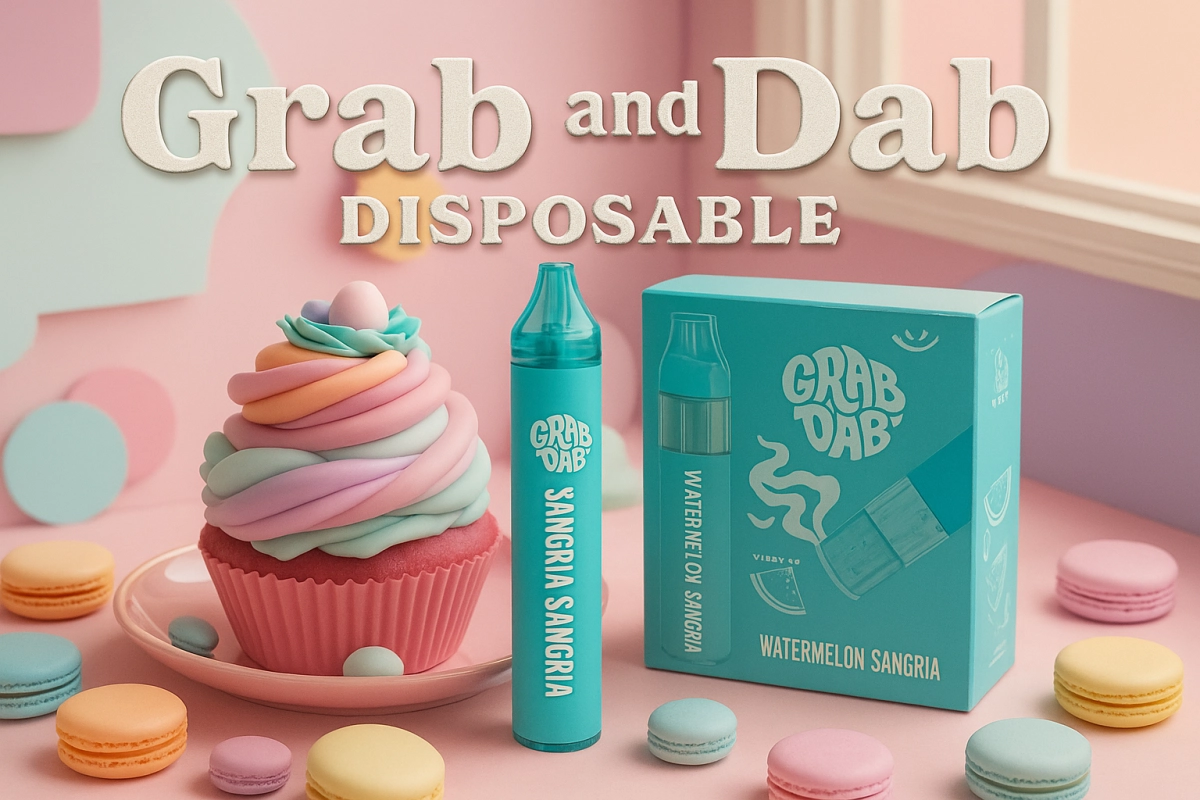
This guide explains what people mean by grab and dab (diamond-infused disposables), how “liquid diamonds” differ from live resin, the hardware factors that actually matter, and how to verify quality using standards-aligned documents. Adults 21+. Information about empty hardware only—no health or efficacy claims.
1) What “grab and dab” means
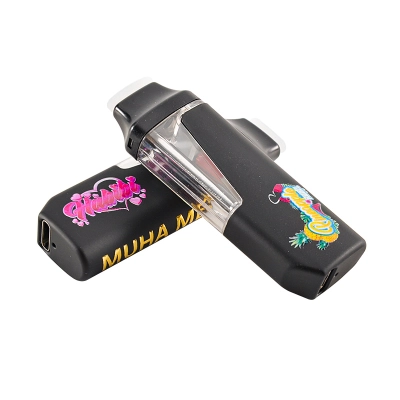
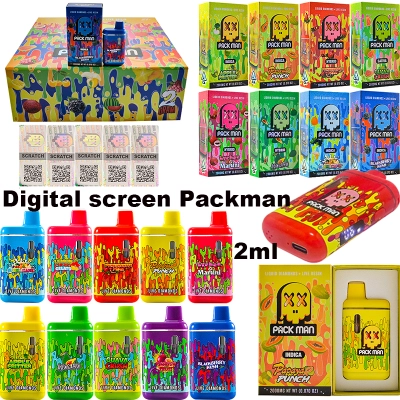
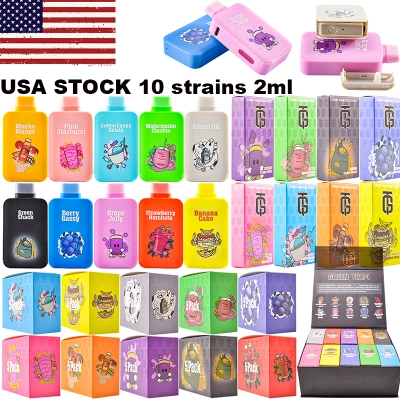
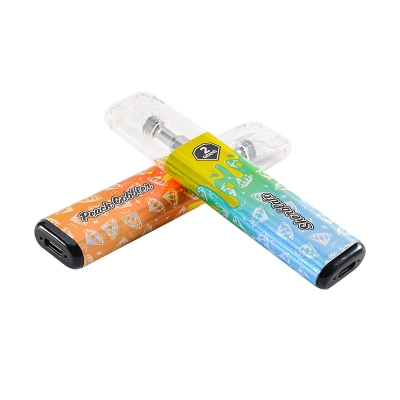
In current community usage, “grab and dab” refers to ready-to-use disposables infused with crystalline THCA (often called “diamonds”) dispersed in terpene-rich extract. Instead of handling a separate concentrate and tool, users “grab” the device and get a dab-like experience from a portable, sealed format.
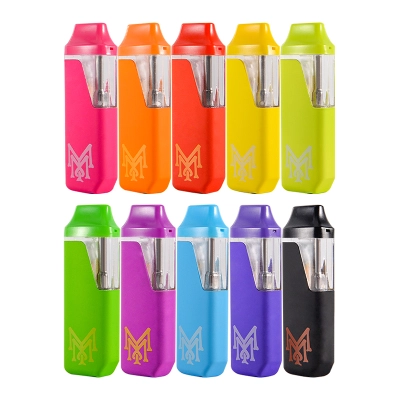
The device is still a standard disposable at heart—battery + controller + coil + airway + tank/shell—but the feed behavior and thermal profile must accommodate thicker suspensions without scorching terpenes.
2) Diamond-infused vs. live resin/liquid diamonds
THCA “diamonds” are crystalline fractions grown from cannabinoid-rich extracts. When the crystal fraction is homogenized into a terpene sauce (or a refined base), many brands market the blend as “liquid diamonds.” If you want a deeper primer on live resin and liquid diamonds terminology, see our explainer on live resin & liquid diamonds.
Diamond-infused disposables
- Suspension contains micro-crystals (THCA) in terpene sauce or distillate base.
- Needs sufficient inlet area and stable coil temperature to avoid dry hits.
- Often benefits from brief pre-heat on the first puff from cold.
Live resin / liquid diamonds
- Live resin preserves a larger fraction of native volatiles from fresh-frozen input.
- “Liquid diamonds” is a marketing shorthand for sauce + diamond fraction.
- Outcome depends on solvent removal, homogenization, and storage controls.
3) Hardware: coil, inlets, materials, charging
Coil & thermal control
Diamond-infused blends typically run well on ceramic-style heaters around the low-to-mid watt range. A device with sensible current limits and soft-start helps protect terpenes. If your device has pre-heat, keep it short (2–4 s) on the first puff after rest.
Inlet geometry
Thicker suspensions demand adequate wicking. If the manufacturer declares inlet count/diameter, it’s easier to predict performance; otherwise, plan a short conditioning step (upright rest, minimal agitation) before the first puff.
Materials
PCTG shells and medical-grade seals are common. Ask suppliers to provide material declarations in line with RoHS where applicable.
Charging & protections
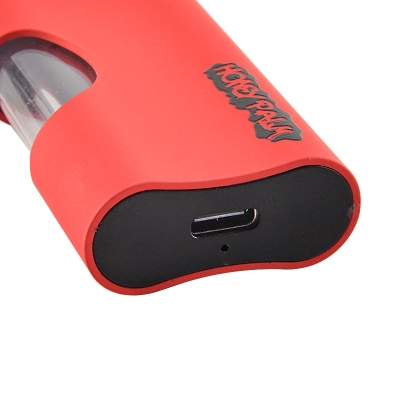
USB-C is more tolerant of cable variability, but safety still depends on protections (over-voltage/under-voltage/over-current, charge cut-off). See our safety notes inside the charging safety article for a buyer checklist.
4) How to verify quality (COA & safety docs)
Documents to request
| Area | Document | Why it matters |
|---|---|---|
| Chemistry | ISO/IEC 17025 COA (ILAC-MRA lab) | Competent lab methods; batch-matched potency & contaminant panel. |
| Battery | UN 38.3 Test Summary (current cell/pack) | Required for air transport; basic safety screening for the battery. |
| Electrical | Statements referencing UL 8139 / IEC 62133-2 | Industry-standard safety expectations for e-nic devices and Li-ion cells. |
| Materials | RoHS-aligned declarations | Confirms restricted substances and materials traceability. |
Reading a COA (quick)
Confirm the lab’s accreditation mark and certificate number, the sample ID matches your lot, and the report includes the methods used. Our step-by-step COA checklist explains the fields to verify.
For a broader explainer on the chemistry terms used in “liquid diamonds,” refer back to live resin & liquid diamonds.
5) A reproducible user-level test routine
This is a device behavior routine (not a health test). It’s inspired by ISO 20768 pacing concepts to keep puffs consistent for comparison.
- Stabilize: Store the device upright 12–24 h at 20–24 °C before first use.
- Pacing: 3-second puffs with 30-second intervals; log the first 50 puffs.
- Record events: first-puff success, hard draws, clog-clears, flavor-fade onset, and any low-battery throttling.
- Pre-heat discipline: If available, 2–4 s on the first cold puff only; note whether clog-clears drop after the first 10 puffs.
- Evidence: Save time-stamped photos/videos of the device state and keep PDFs of the COA and UN 38.3 Test Summary with matching lot IDs.
These signals—consistency of draw and flavor stability—tend to predict real-world satisfaction better than unverified “puff counts.”
6) Quick FAQs
Is “grab and dab” stronger than live resin?
Potency depends on the actual formulation and batch COA, not the marketing term. Always evaluate the batch-matched COA from a 17025 lab.
Do I need pre-heat?
Many diamond-infused blends benefit from a short pre-heat on the first puff after rest. Avoid long or repeated pre-heats that can over-thin and mute terpenes.
What about device safety?
Ask the seller to confirm charge protections and to provide the UN 38.3 Test Summary for the battery, plus statements referencing UL 8139/IEC 62133-2. If a device charges via USB-C, use a reputable power source and avoid damaged cables.
Where can I compare other disposables?
For a neutral comparison mindset and alternatives, see our disposable comparison.
References (non-affiliated, authoritative)
- ILAC-MRA signatories — verify ISO/IEC 17025 lab competence
- PHMSA — UN 38.3 Test Summary requirement
- UL 8139 — e-nic electrical/battery safety
- IEC 62133-2 — safety for lithium-ion cells and batteries
- EU Commission — RoHS Directive overview
- ISO 20768 — aerosol measurement/puffing routine (conceptual pacing)
Education only. Adults 21+. Empty hardware; no health or efficacy claims.

3 Comments
I always learn something new
Interesting perspective!
Super informative and easy to follow.