
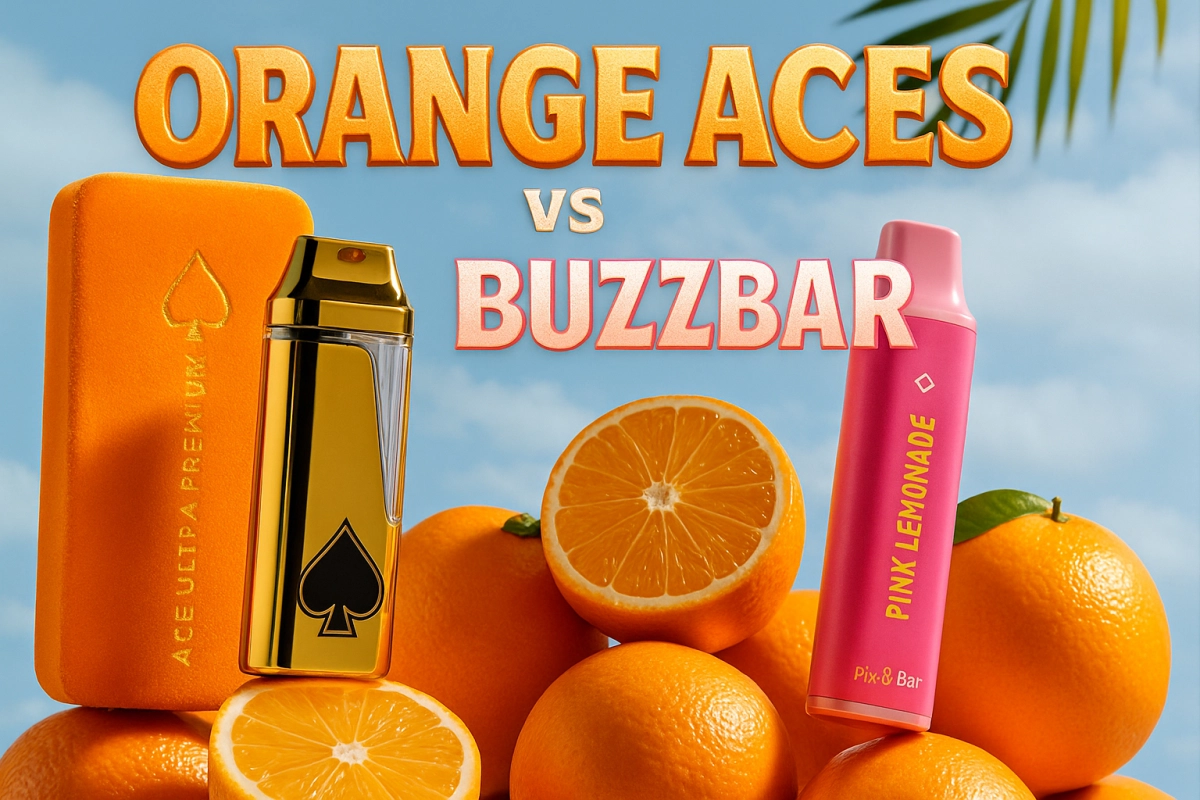
Adults 21+ • Empty hardware • Information only. We compare orange aces with BuzzBar using only public, traceable specs and a reproducible user-level method. No health/efficacy claims.
Transparency: We publish figures we can verify on-page. If an item is not disclosed publicly, we mark it “not published” and show what to request (COA, UN 38.3 test summary, etc.).
Declared specs (publicly available)
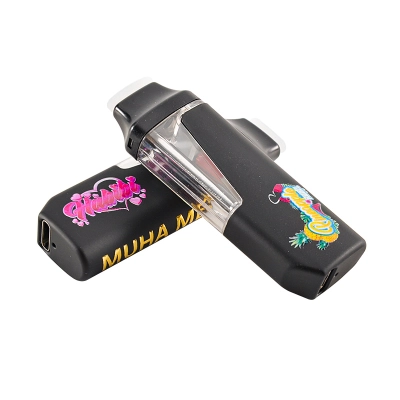
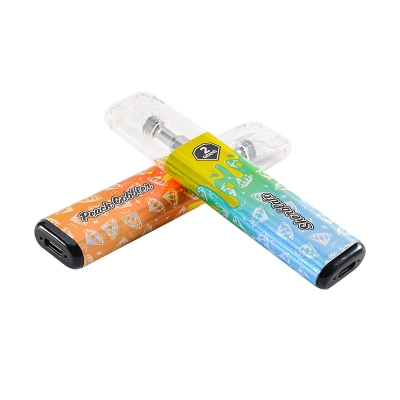
Orange Aces — provided & published
Capacity: 2 ml / 1 ml
Battery: 240 mAh
Inlets: 2 × 1.8 mm
Coil: 1.4 Ω
Shell: PCTG
Charging: Bottom-USB
Needle-tip priming: Supported
Notes: These are the fields provided for this line; we intentionally omit anything not disclosed.
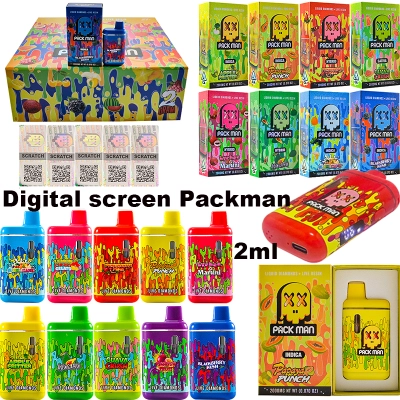
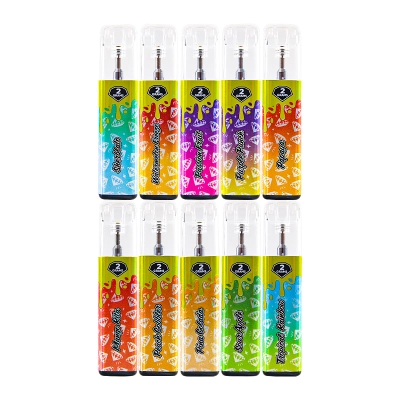
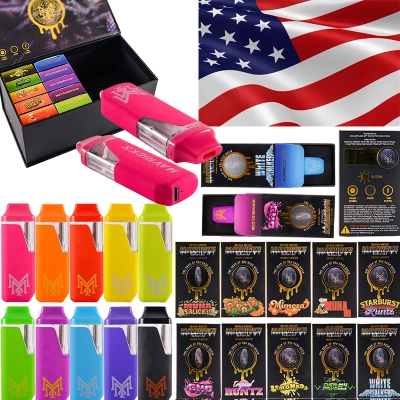
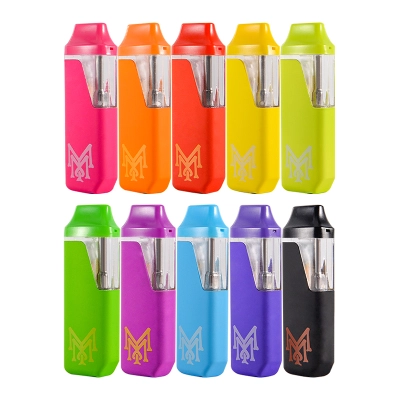
BuzzBar — from category & product pages
Capacity: 2 ml
Battery: 320 mAh (rechargeable)
Seen across the Buzz Bar listing: “empty 2 ml rechargeable 320 mAh” (and variants such as “USA warehouse buzzbar … 2 ml rechargeable 320 mAh”). :contentReference[oaicite:0]{index=0}
- Buzz Bar 2-gram Disposable — Liquid Diamonds (2 ml, 320 mAh). :contentReference[oaicite:1]{index=1}
- USA warehouse buzzbar disposable Liquid Diamonds 2g (2 ml, 320 mAh). :contentReference[oaicite:2]{index=2}
- New Live Diamonds Device Buzzbar 2g (empty 2 ml, rechargeable). :contentReference[oaicite:3]{index=3}
- New Buzzzbar 2g THC disposable in USA (line item naming). :contentReference[oaicite:4]{index=4}
Explore the lineup: BuzzBar 2 g category page. :contentReference[oaicite:5]{index=5}
Positioning & what the numbers imply
Battery headroom vs capacity. Using only published figures, BuzzBar’s 320 mAh over 2 ml yields ~160 mAh/ml, while Orange Aces at 240 mAh over 2 ml yields ~120 mAh/ml (or 240 mAh/ml for the 1 ml variant). That is a ~33% battery advantage for BuzzBar at the 2 ml class, suggesting more margin for consistent heating late in the tank, all else equal. (This is a capacity-normalized proxy; not a puff claim.)
Wicking geometry. Orange Aces disclose 2 × 1.8 mm inlets and 1.4 Ω coil, which usually favors moderate-viscosity oils with quick re-saturation after pre-heat. BuzzBar does not publish inlet/coil details on the category page; treat as “request from vendor.” :contentReference[oaicite:6]{index=6}
For how Orange Aces fit inside the broader ACE family, see the pillar overview: ace.
Reproducible comparison you can run (consumer-level, not a lab)
- Stabilize: Stand both units upright 24 h at 20–24 °C to settle wicks and condensate.
- Puff routine: ~3 s puffs with ~30 s intervals per session; run 50 puffs per device, logging hard-draws, clog-clears, flavor-fade onset, and any low-battery throttling. This echoes the concept of ISO 20768 machine conditions for consumer-level evaluation (we are not making health/efficacy claims). :contentReference[oaicite:7]{index=7}
- Pre-heat discipline: If oil is thicker, apply a 2–4 s pre-heat only on the first puff of a fresh cart; record whether clog-clears drop within the first 10 puffs.
- Outcome summary: Report only observable signals (no potency claims): draw consistency, first-puff success, flavor stability, and end-of-tank harshness spikes.
Feature-by-feature (published vs request)
| Dimension | Orange Aces (declared) | BuzzBar (published) | Request-from-vendor (if not published) |
|---|---|---|---|
| Capacity | 2 ml / 1 ml | 2 ml (site listings) :contentReference[oaicite:8]{index=8} | Fill tolerance; label ↔ chassis match. |
| Battery | 240 mAh | 320 mAh, rechargeable :contentReference[oaicite:9]{index=9} | Cell vendor, OVP/UVP/OCP protections; charge cut-off. |
| Inlet geometry | 2 × 1.8 mm | Not published on category page | Inlet count/diameter; viscosity pairing notes. |
| Coil / resistance | 1.4 Ω | Not published | Coil material, resistance, power envelope. |
| Shell | PCTG | Not published | Material declarations (RoHS alignment). |
| Charging | Bottom-USB | Rechargeable stated; type not listed :contentReference[oaicite:10]{index=10} | Connector type, input limit (A), charge time. |
Authenticity & compliance (public-proof only)
- COA competence: Ask for a lab report issued by an accredited lab (ISO/IEC 17025 under an ILAC MRA signatory). Verify lot/batch, sample date, signatures, and scope. :contentReference[oaicite:11]{index=11}
- Electrical/battery safety (context): See UL 8139 and IEC 62133-2 for Li-ion cells. :contentReference[oaicite:12]{index=12}
- Transport readiness: Request the UN 38.3 Test Summary for the exact cell/pack used. :contentReference[oaicite:13]{index=13}
- Materials: Supplier declarations aligned to EU RoHS. :contentReference[oaicite:14]{index=14}
- DTC parcel durability: If shipping direct, ISTA 3A evidence (vibration/drop) helps reduce in-transit RMAs. :contentReference[oaicite:15]{index=15}
Decline unverifiable screenshots. Prefer public links or PDFs with live accreditation marks.
Related reads on our site
- BuzzBar 2 g lineup — current 2 ml, rechargeable 320 mAh listings. :contentReference[oaicite:16]{index=16}
- ace — family overview and buyer signals.
- orange aces — product page.
We keep internal links ≤5 to avoid over-optimization.
References (non-affiliated)
- ISO 20768:2018 — routine analytical vaping conditions (concept). :contentReference[oaicite:17]{index=17}
- ILAC MRA — accreditation signatories. :contentReference[oaicite:18]{index=18}
- UL 8139 — e-cig battery/electrical safety. :contentReference[oaicite:19]{index=19}
- IEC 62133-2 — Li-ion cell/battery safety. :contentReference[oaicite:20]{index=20}
- PHMSA — UN 38.3 Test Summary requirement. :contentReference[oaicite:21]{index=21}
- EU Commission — RoHS Directive. :contentReference[oaicite:22]{index=22}
- ISTA — Test Procedures (incl. 3A). :contentReference[oaicite:23]{index=23}
Education only. Adults 21+. Empty hardware; no medical/efficacy claims.
3 Comments
Great insight here. You explain things in a way that’s easy to digest.
This post was actually helpful! Thanks for breaking it down so simply.
Really enjoyed this one — straight to the point and super clear.