

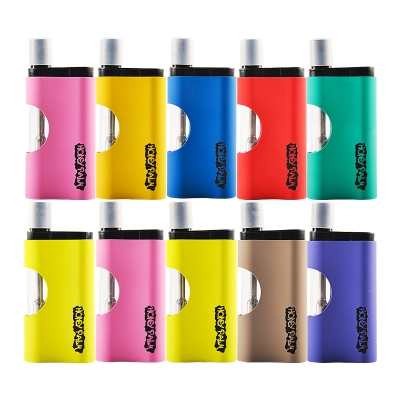
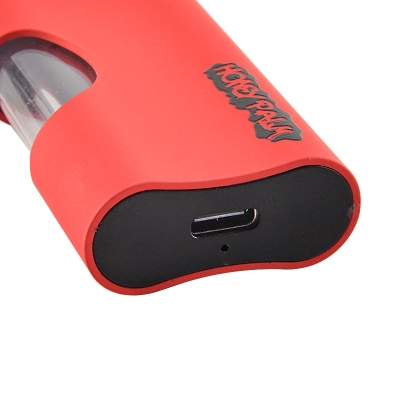
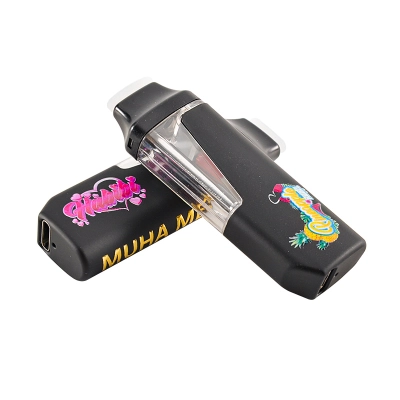
A neutral, standards-backed primer for 21+ readers. We explain what “Jeeter Juice” typically refers to, how live resin compares with liquid diamonds, why viscosity matters for hardware, and—critically—what verifiable evidence (UL 8139, UN 38.3, IEC 62133-2, ISTA 3A, RoHS) to request from shell suppliers. Information only; no health or potency claims.
Important: We discuss empty hardware and public terminology only. Regulations vary by jurisdiction; always verify with the primary sources in References. Adults 21+.
What “Jeeter Juice” Means Today
In everyday use, jeeter juice refers to a branded family of concentrates and AIO (all-in-one) devices. Depending on market and batch, labels may specify live resin, liquid diamonds, or blends (e.g., THCA diamonds homogenized with high-terpene extracts). For neutral definitions, see Weedmaps — Live Resin and Leafly — THCA Diamonds.
Live Resin vs Liquid Diamonds (Neutral Comparison)
Inputs & processing
- Live resin: typically extracted from fresh-frozen biomass to preserve native terpene profiles; hydrocarbon extraction with careful solvent removal (see Weedmaps).
- Liquid diamonds: THCA crystalline (“diamonds”) melted/combined—often with terpene-rich fractions—to yield a flowable oil for cartridges/AIO (see Leafly and brand pages such as Jeeter).
Hardware implications
- Viscosity & pre-heat: diamond-heavy blends can be thicker at room temperature; temperature-controlled pre-heat and appropriate inlet geometry help reduce clogging/starvation.
- Flavor handling: live resin often emphasizes strain-native aromas; avoid overly aggressive pre-heat/voltage that may scorch terpenes.
Bottom line: regardless of concentrate style, the real-world experience depends on oil rheology and the device’s wicking, inlets, and power curve.
Evidence Matrix: Docs to Request from Hardware Vendors
To raise sourcing confidence and pass logistics audits, request verifiable documents. The matrix below points to primary standards/regulator pages:
| Topic | What to Request | Why it Matters | Authoritative Source |
|---|---|---|---|
| Battery transport | UN 38.3 Test Summary (TS) for the specific cell/battery model | Required in global transport; summarizes altitude, vibration, shock, short-circuit, etc. | PHMSA — UN 38.3 Test Summary · UNECE — Dangerous Goods |
| Battery safety | IEC 62133-2 test report or CB certificate for the cell/pack | Safety of portable secondary Li-ion cells & batteries under intended use/misuse | IEC 62133-2 (official) |
| Device electrical system | UL 8139 certificate/listing for e-cigarette electrical, heating, battery & charging systems | Addresses electric shock, battery, and fire hazards at device level | UL 8139 overview |
| Material restrictions | RoHS Declaration of Conformity (DoC) with homogeneous-material limits | Limits Pb, Hg, Cd, Cr(VI), PBBs, PBDEs (+ certain phthalates) in EEE | EU Commission — RoHS · EUR-Lex summary |
| Transit packaging | ISTA 3A report for parcel shipments (option: random vibration under low pressure) | Reduces in-transit damage/leaks; supports parcel/air shipping readiness | ISTA procedures |
| Marketing/labels | Check state rules (e.g., CA DCC) for manufactured products in final form | Clarifies labeling/advertising expectations; avoid implying household disposability | CA DCC labeling · CA DCC packaging |
Verification tip: Ask for document numbers, issue dates, exact cell/pack part numbers, and laboratory accreditation (e.g., ISO/IEC 17025) so you can confirm with the issuing body.
Engineering Validation: Bench Tests You Can Run
This adds empirical steps your QA/R&D team can execute on empty shells (no filled products discussed):
1) Pre-heat & wicking characterization (screened AIOs recommended)
Using disposables with screens enables repeatable diagnostics:
- Fill with your standard test simulant or vendor-approved dummy fluid (viscosity-stable and non-regulated for lab demo).
- Record ambient temp (20–25 °C), inlet size/shape, coil type, and any chipset pre-heat profile.
- Run
pre-heat 2–4 s → 3 puffscycles at three power levels; log time-to-vapor, any dry hits, and visible condensate. - After 12–24 h rest, repeat. Compare first-puff delay and condensate accumulation.
2) Rheology sweep (method reference)
When mapping formulations, measure dynamic viscosity across 20–50 °C using a rotational viscometer (Brookfield-type). While cannabis oils do not have a single dedicated ASTM method, many labs adapt rotational viscometry methods used for viscous fluids (e.g., ASTM D2196 families) to generate comparable curves. Use the same spindle/speed for all trials and report temperature control and shear rate.
3) Electrical & safety evidence collation
- Collect UL 8139 device certificate or test report summary.
- Collect cell/pack IEC 62133-2 evidence.
- Collect UN 38.3 Test Summary from the cell/battery manufacturer.
- Verify RoHS DoC and material test data.
- For outbound parcels, obtain ISTA 3A packaging report for the master pack.
4) Example data table (fill with your lab results)
| Trial | Ambient °C | Pre-heat (s) | Power (V/W) | First-puff delay (s) | Condensate noted | Comments |
|---|---|---|---|---|---|---|
| T1 | 22 | 3 | Low | — | — | To be filled by QA |
| T2 | 22 | 0 | Medium | — | — | To be filled by QA |
| T3 (24 h) | 22 | 2 | Low | — | — | To be filled by QA |
Note: For solventless terminology and contrasts with hydrocarbon-based extracts, see our whole-melt guide. This article does not cover filled products, dosing, or health effects.
Regulatory Snapshot: Labeling & Packaging Pointers
Labeling/packaging rules vary by state and country. Always check the primary text where you operate.
- California DCC: checklists for manufactured cannabis goods in final form and guidance for vape cartridges/integrated vaporizers. Sources: DCC labeling · DCC packaging.
- Material compliance (RoHS): confirm supplier RoHS DoC and homogeneous-material test evidence from accredited labs (EU Commission · EUR-Lex).
- Transit packaging (ISTA 3A): for parcel/air shipments, ISTA 3A helps minimize damage/leaks in distribution (ISTA).
Authenticity & Counterfeit Packaging
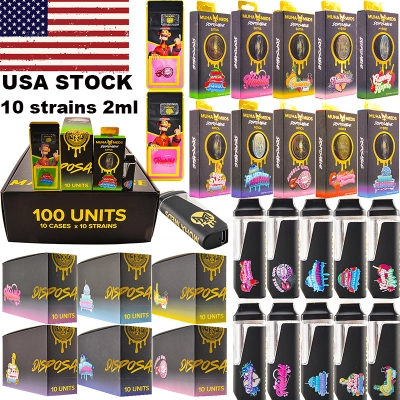
Counterfeit packaging exists across the industry. Always cross-check any QR/batch IDs using the brand’s official site (e.g., jeeter.com) and avoid third-party “look-alike” packaging. Keep purchase records for traceability.
Mini-Glossary
- Live resin: concentrate from fresh-frozen inputs; see Weedmaps Learn.
- Liquid diamonds: vapeable oil created by melting/combining THCA crystalline with terpene-rich fractions; see Leafly — THCA diamonds and brand pages such as Jeeter.
- UN 38.3: lithium battery transport tests summarized in a manufacturer Test Summary (TS).
- IEC 62133-2 / UL 8139: cell/pack safety and device electrical safety frameworks.
- RoHS: EU restrictions on hazardous substances in EEE.
- ISTA 3A: packaged-product simulation for parcel distribution.
References (Authoritative)
- UL — E-Cig & Vape Battery and Electrical Certification (UL 8139)
- IEC — 62133-2 (official listing)
- PHMSA — UN 38.3 Test Summary
- UNECE — Transport of Dangerous Goods
- ISTA — Test Procedures (incl. 3A)
- EU Commission — RoHS · EUR-Lex RoHS summary
- California DCC — Labeling checklist · California DCC — Packaging requirements
- Weedmaps Learn — Live Resin
- Leafly — What are THCA diamonds?
- Jeeter — Official site

3 Comments
Looking forward to your next article already.
Just shared this with my colleagues — super helpful.
Do you have more posts like this? Subscribed!