
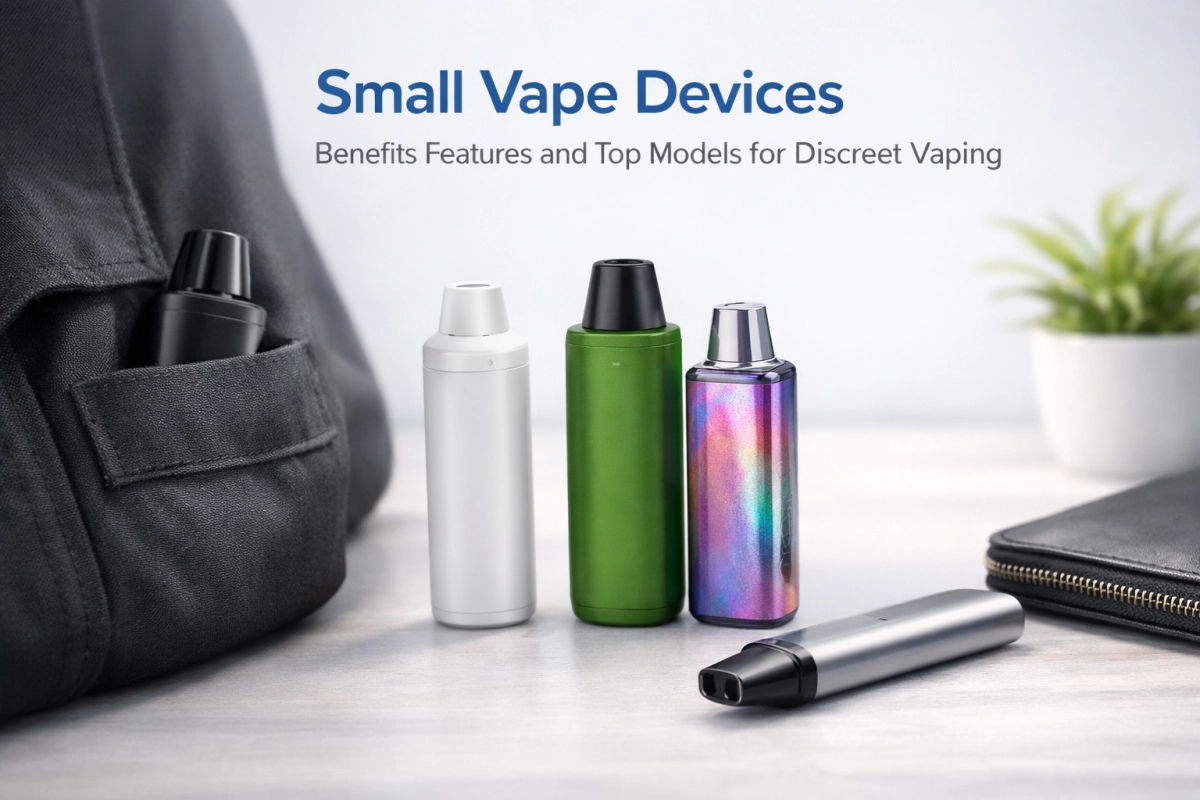
MoFu • Informational / What • Keyword: small vape • Pillar: mini vape
A practical “what-and-why” guide to small vape formats—what makes a device truly compact, which features matter most in real-world carry, and how to compare mini-size models without falling for misleading marketing numbers.
1) What is a “small vape” (and where “mini vape” fits)?
A small vape is best defined by form factor and everyday usability: a shorter body, pocket-friendly shape, and simplified interaction (often draw-activated, fewer controls, fewer external parts). A mini vape is usually a tighter subcategory—designed to reduce carry friction even further while staying consistent in draw feel and output.
If you want the deeper “mini as a category” foundation (types, ergonomics, runtime myths, and what specs matter most), start with this pillar: mini vape guide.
2) Why small devices feel more discreet
“Discreet” usually means low profile rather than “invisible.” Small and mini formats are easier to carry, quicker to pocket, and less visually prominent. In product terms, discreet carry is driven by three design choices:
- Shape & edges: rounded corners and a slimmer cross-section reduce pocket printing.
- Activation simplicity: fewer controls reduces “device interaction” in public settings.
- Surface finish: matte or low-gloss finishes typically show fewer fingerprints and look less flashy.
The trade-off: compact devices can be less forgiving. Shorter vapor paths and tighter internal packaging can make condensation and heat management more sensitive, so feature choices matter more than marketing names.
3) Benefits of small vape formats
For most users and retail programs, a small vape wins on practical convenience—especially when the device is designed as a coherent system, not a “nice shell + generic internals” mix.
Everyday benefits
- Carry comfort: compact geometry is easier to pocket and less likely to snag.
- Lower learning curve: simplified interaction reduces support questions and misuse.
- Fast product understanding: customers can compare size/feel quickly on-shelf.
Program benefits (for brands and B2B teams)
- More repeatable SKUs: stable form factors simplify packaging and planograms.
- Cleaner spec communication: fewer moving parts makes specs easier to standardize in RFQs and reorder cycles.
- Clearer segmentation: “mini” vs “standard” makes assortment planning more intuitive.
4) Features that actually matter in compact devices
A good small vape is not just “short.” It’s short and stable in real conditions (pocket, temperature shifts, daily handling). These are the high-signal features to evaluate:
Airflow and draw feel
Compact devices often prioritize a smooth, controlled draw over maximum airflow. For buyers, the goal is consistency: the same draw feel from unit to unit, and the same experience from lot to lot. If you’re comparing two mini formats, treat airflow feel as a “first-class” spec—not a footnote.
Condensation tolerance
Smaller chambers and shorter vapor paths can increase sensitivity to condensation. Design details that help include stable mouthpiece geometry, sensible airflow routing, and tight mechanical fit where it matters (to avoid small gaps that become “collection points”).
Material and finish choices
Finish affects grip, pocket wear, fingerprint visibility, and perceived quality. Matte textures often read “more discreet,” while glossy finishes can look more premium but show wear more quickly. Decide based on your target retail channel and how the device will be displayed.
Readability and status indicators
Screens (or simple LEDs) can reduce “is it working?” uncertainty. But screens add complexity and cost, and they can become the first part customers complain about if brightness, icons, or layout feel confusing. Treat screen design as a usability feature—not a gimmick.
5) A simple comparison framework (no hype)
Use this framework to compare small vape and mini vape models in a way that stays grounded in real outcomes: carry comfort, consistency, and clear user feedback.
| What to compare | Why it matters | What “good” looks like |
|---|---|---|
| Form factor | Discreet carry + pocket comfort | Rounded edges, slim profile, low snag risk |
| Draw consistency | Predictable user experience | Stable draw feel across multiple units |
| Condensation handling | Reduces clog/complaints risk | No “spitback,” stable mouthpiece geometry |
| Status visibility | Fewer “dead device” assumptions | Simple LED or clear screen indicators |
| Finish durability | Perceived quality over time | Coating resists fingerprints and pocket wear |
| QC documentation | Lot-to-lot stability | Defined checks, traceability, consistent tolerances |
6) Screens on small vapes: when they help
A screen can improve the compact-device experience when it solves a real uncertainty: “Do I have enough left?” or “Is the device active?” The key is clarity—a screen should reduce questions, not create new ones.
If your audience values visible status and modern “data-forward” design, start with a curated set of screen devices here: disposables with screen.
- Best use case: customers who want quick status checks without guessing.
- Common pitfall: screen UI that is too busy or unreadable at a glance.
- Buyer tip: treat screen readability as a usability test, not a spec-sheet checkbox.
7) Top mini-style models: two real examples
Rather than listing “top models” from the general market (which changes constantly), here are two concrete mini-format examples on Vapehitech that map cleanly to the selection framework above. Use them as reference points when writing specs, comparing formats, or building a mini assortment.
Example A: Mini + screen (status-forward)
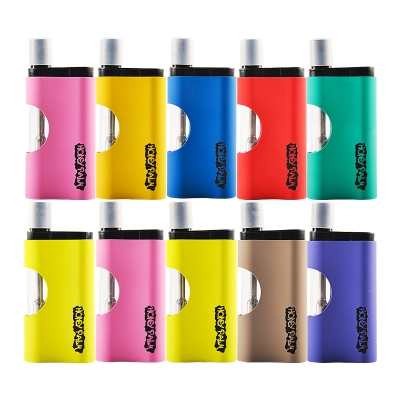
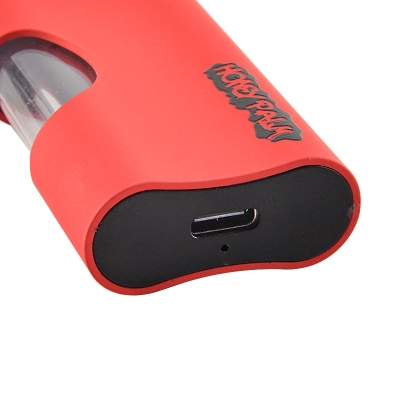
Packman mini 1g is a compact reference for the “mini with visibility” category: small footprint + screen-driven status feedback. In a discreet-carry lineup, this format tends to attract customers who want quick certainty with minimal interaction.
Example B: Mini + 2g class capacity (compact, higher capacity)
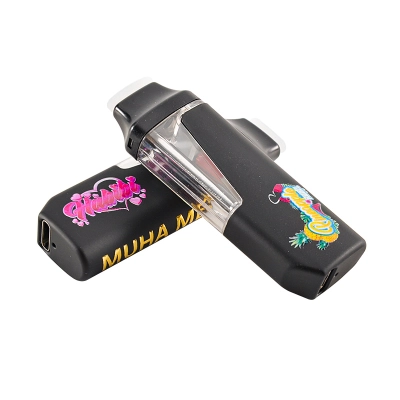
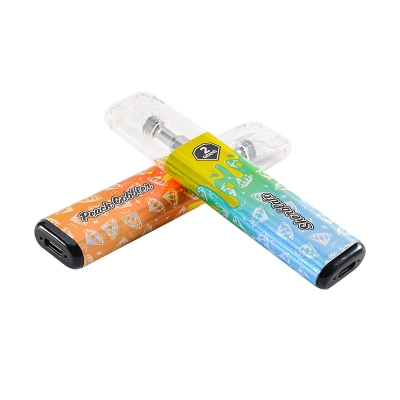
Favorites minis 2g is a useful counterpoint: a mini-oriented shape paired with a larger capacity class. When buyers want “small in hand” without feeling “too small,” this is the category to evaluate.
8) How “performance” is measured in credible testing
If you want to speak authoritatively about compact devices, anchor your language to recognized testing concepts. In reputable labs, “performance” is measured with defined machine conditions and documented sample handling—not with vague claims or inflated “puff” numbers.
Machine conditions and regimes
ISO and CORESTA publications are commonly referenced for routine analytical aerosol generation and for selecting appropriate vaping regimes and aerosol collection approaches. These documents help keep comparisons consistent across products and labs:
- ISO 20768: Routine analytical vaping machine (overview)
- CORESTA Guide No. 22 (Aug 2024): Vaping regimes for e-vapour devices (PDF)
- CORESTA Guide No. 25 (Jul 2024): Aerosol collection considerations (PDF)
Why lab accreditation matters
When you cite emissions testing, materials testing, or any technical results, the credibility often hinges on lab competence and traceability. ISO/IEC 17025 is the widely recognized standard for testing and calibration labs, and ILAC’s mutual recognition system supports acceptance across economies:
- ISO/IEC 17025: Testing and calibration laboratories (overview)
- ILAC MRA: Mutual recognition of accredited results
Packaging survivability (often overlooked)
Especially for compact devices, packaging can make or break customer satisfaction. Transit vibration, drop sequences, and handling shocks can create “mystery failures.” ISTA procedures are widely used to simulate parcel delivery environments:
9) Regulatory reality check for compact devices
Regulations differ by market and product type, but compact formats frequently intersect with rules about liquid container volumes, packaging requirements, and labeling. If you operate in nicotine-regulated markets, make sure your team reads the official guidance—don’t rely on social posts or reseller claims.
- UK guidance: e-cigarette regulations for consumer products
- UK MHRA hub: e-cigarette and vape products guidance
- EU Tobacco Products Directive 2014/40/EU (PDF)
Even when you sell hardware-only, it’s smart to understand downstream compliance expectations in your customers’ markets—especially for packaging, warnings, and product claims. Keep language factual and avoid health promises.
10) Small vape checklist for buyers
Use this checklist to keep compact-device selection grounded. It’s designed to help you write cleaner RFQs, reduce surprises after delivery, and keep your mini lineup consistent.
Discreet carry essentials
- Does the form factor reduce pocket printing and snag risk?
- Is activation simple enough to minimize user confusion?
- Is the finish durable enough for daily pocket handling?
Consistency and failure prevention
- Is the draw feel consistent across multiple units (not just one sample)?
- Does the mouthpiece and airflow design handle condensation gracefully?
- If a screen is present, is it readable at a glance and logically designed?
QC and documentation (where mini formats are unforgiving)
- Ask for clear QC gates (incoming inspection → in-process checks → outbound checks).
- Confirm lot traceability and basic change control (so Month-12 doesn’t drift from Month-1).
- Align on packaging durability expectations and transit testing where relevant.
For a broader hardware-only decision framework you can adapt to mini formats, use this guide as a reference: small vape checklist.
Environmental and materials considerations (often requested by buyers)
Compact electronics still create e-waste. For EU-facing programs, RoHS and WEEE policies are common reference points. For U.S. audiences, general electronics recycling guidance is a helpful baseline:
FAQ
What makes a device a “mini vape” instead of just a small vape?
A mini vape is typically a more aggressively compact design: shorter body length, simplified interaction, and a tighter “carry-first” footprint. A small vape is broader—it may be compact, but not always optimized to the same extreme for pocket comfort and minimal interaction.
Are screens worth it on compact devices?
Screens are worth it when they reduce uncertainty (status visibility) without adding confusion. If your buyers value visible status, start from a curated category and evaluate readability and UI simplicity first.
What’s the biggest mistake buyers make with small devices?
Treating “small” as the only spec. Compact devices can be less forgiving, so airflow feel, condensation tolerance, and lot-to-lot consistency matter more—not less.
Can I trust “puff count” claims when comparing minis?
Puff counts can be misleading because results depend heavily on puff duration, interval, airflow, and test conditions. When you need credibility, focus on defined test methods and consistent lab conditions rather than a single headline number.
References
- ISO 20768: Vapour products — Routine analytical vaping machine (overview)
- CORESTA Guide No. 22 (Aug 2024): Vaping regimes for e-vapour devices (PDF)
- CORESTA Guide No. 25 (Jul 2024): Aerosol collection considerations (PDF)
- ISO/IEC 17025 overview: laboratory competence
- ILAC MRA: Mutual recognition of accredited results
- ISTA test procedures overview
- UK: e-cigarette regulations for consumer products
- UK MHRA: e-cigarette and vape guidance hub
- EU: Directive 2014/40/EU (PDF)
- EU RoHS Directive overview
- EU WEEE policy overview
- U.S. EPA: electronics donation and recycling
- WHO Q&A: Tobacco — e-cigarettes
- FDA overview: e-cigarettes and ENDS









3 Comments
Short and helpful, thanks.
Well explained, nice article.
Useful info, appreciate it.