
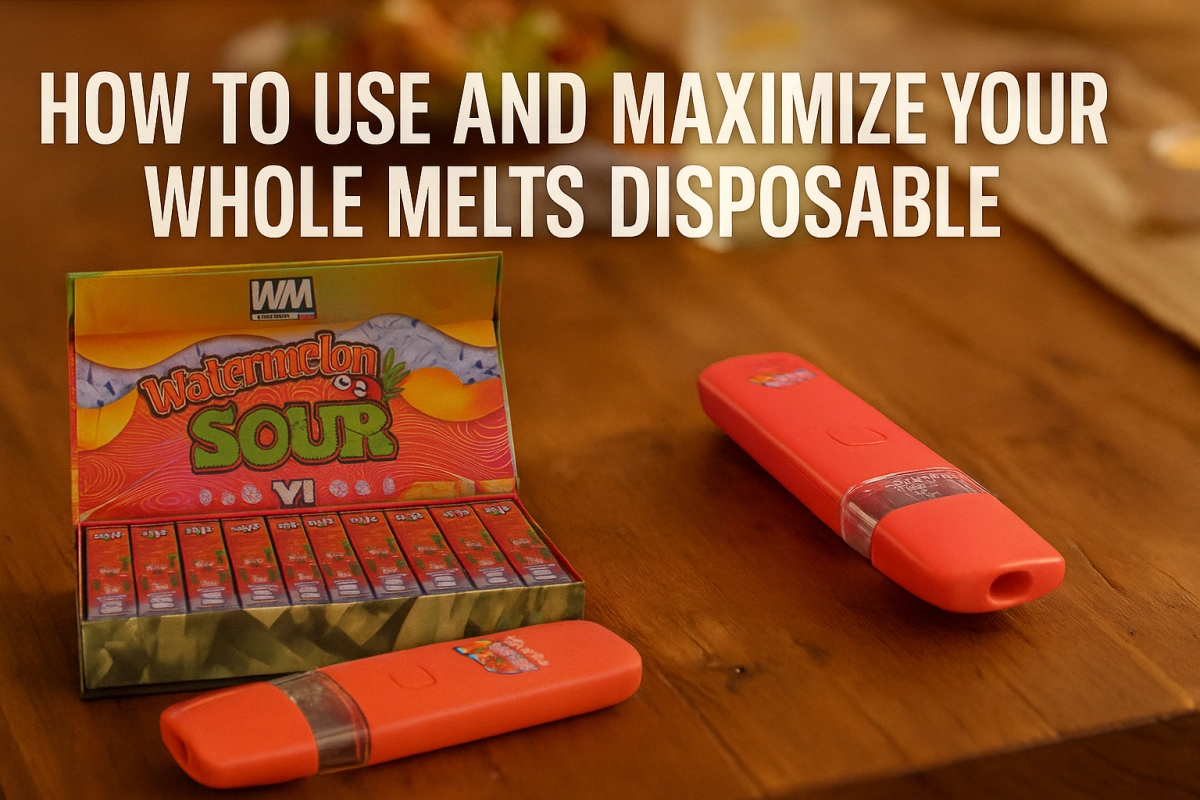
A neutral, step-by-step walkthrough for first-time users—covering setup, preheat, low-voltage tuning, draw technique, quick fixes for clogs/burnt taste, and the safety paperwork reputable suppliers keep on file. No hype, no pricing—just practical guidance you can reproduce.
Quick Start Checklist
1) Match the lot to the COA
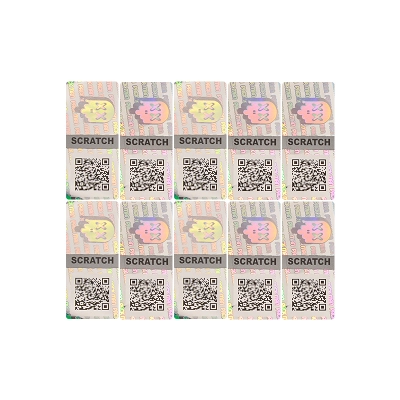
Before unsealing, confirm the printed lot/date (or QR trace) equals the batch on the Certificate of Analysis (COA) from an accredited lab operating under ISO/IEC 17025. Lot-mismatch is a common avoidable error.
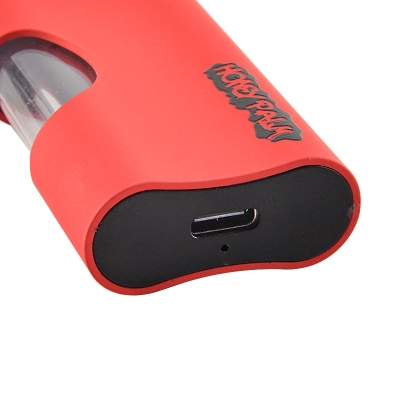
2) Charge to full via USB-C
Top off the battery before first use. A full cell stabilizes output and reduces the chance of weak or overheated early puffs.
3) Prime & short preheat (only when cold)
Warm the core gently with 1–3 s preheat pulses if the device/oil is cold or viscous. Avoid chained preheats that can over-thin the oil and cause flooding.
Preheat & Voltage: Evidence-based Basics
Whole-melt style extracts vary in viscosity. A good rule is to start low, step up slowly until flavor opens without browning. Lower settings preserve terpenes and reduce clog risk.
| Scenario | What to do | Why |
|---|---|---|
| Room-temp device, average viscosity | Begin on the lowest profile; increase one step at a time. | Find the lowest stable point that maintains flavor without drying the wick. |
| Cold morning, device stored in a car | Warm in hand 30–60 s → brief preheat (1–3 s) → slow first draw. | Reduces first-puff clogs from high viscosity. |
| Early harshness or browning | Step voltage down; shorten puffs; increase spacing. | Prevents overheated wick and oxidized flavor notes. |
Optional math for enthusiasts
Power relates to voltage and coil resistance: P = V² / R. Example only (not device-specific): if R ≈ 1.2 Ω, then 3.2 V ≈ 8.5 W and 2.8 V ≈ 6.5 W. Lower power generally preserves flavor and reduces clog risk; use the smallest setting that keeps wicking stable.
Draw Technique & Puff Cadence
- Use slow, steady draws—not sharp inhales. Let airflow do the work.
- Space puffs by 20–30 s to allow re-saturation.
- Keep the device upright between puffs to reduce pooling in the airway.
Clogs, Leaks & Burnt Taste — Quick Fixes
| Symptom | Likely cause | What to try |
|---|---|---|
| Hard first draw after cold storage | Viscous oil in the airway | Warm mouthpiece in your palm 10–15 s → brief preheat (1–3 s) → slow first draw. |
| Gurgle/flooding | Over-preheat or over-thinned oil | Stop preheating; stand upright a few minutes; resume at lower setting with shorter puffs. |
| Scorched or “burnt” note | Wick starvation / excessive power | Step voltage down; shorten puffs; increase spacing; allow cooldown. |
| Condensation in tip | Normal condensation | Remove tip sleeve if present; tap out droplets; wipe airway with lint-free swab. |
Reproducible Home Bench-Test
This quick protocol helps first-time users evaluate stability without lab gear. It is device-agnostic.
| Step | Method | Pass / Watch |
|---|---|---|
| Cold-soak check | Place the device at 5–10 °C for 2–3 h, then wait 15 min at room temp before first puff. | First puff should not hard-clog. Watch: repeated clogs suggest voltage too high/low or insufficient preheat behavior. |
| First-hour cadence | Take 10 puffs spaced ≥20 s. Adjust voltage only if flavor is dull or harsh. | No flooding, no scorching. Watch: gurgle indicates over-preheat or hot storage. |
| Idle-leak check | Stand upright for 24–48 h; inspect mouthpiece/airway. | Only light condensation. Watch: visible pooling warrants holdback and further inspection. |
Optional energy estimate (not device-specific)
Approximate puff budget using battery energy: Wh = (mAh × 3.7) / 1000. Joules per 3-s puff ≈ P × 3 (P in watts). Example only: 650 mAh → ~2.4 Wh (≈8640 J). At ~7 W, a 3-s puff uses ~21 J → theoretical order-of-magnitude ~410 puffs. Real-world results vary with voltage profile, coil, and user cadence.
Safety & Documents You Should Know
Reputable sellers maintain lot-matched paperwork. These references are authoritative and widely recognized:
- COA (Certificate of Analysis) — laboratory competence under ISO/IEC 17025. Check lot/batch match, potency panel, heavy metals, residual solvents, and microbials as applicable.
- Battery safety — portable Li-ion requirements in IEC 62133-2 (short-circuit, over-charge, thermal tests).
- Transport — UN 38.3 Test Summary (T.1–T.8) with manufacturer, model, test house, and date.
- Parcel packaging — small-parcel performance to ISTA 3A (drop, vibration, compression, low-pressure).
- Electrical system practices — hazard-based guidance in UL 8139 (where applicable).
When to Re-order or Explore Variants
If you enjoyed your first device and want stable, non-limited configurations, browse the curated category: whole melt disposable wholesale.
Important Disclaimers
- No health claims. This is an informational setup guide, not medical or legal advice.
- Age & local rules apply. Follow your jurisdiction’s age restrictions and labeling/notification rules (e.g., state-level warnings such as California Proposition 65 where applicable).
- E-waste. Dispose of depleted devices and USB-C cables per local e-waste guidance.

4 Comments
very useful
The insights on brand collaboration are spot on. Thanks for sharing this!
Me gusta cómo comparas las marcas, se nota que conoces el tema.
Finally, someone explains the difference between these disposables clearly. Super helpful!