
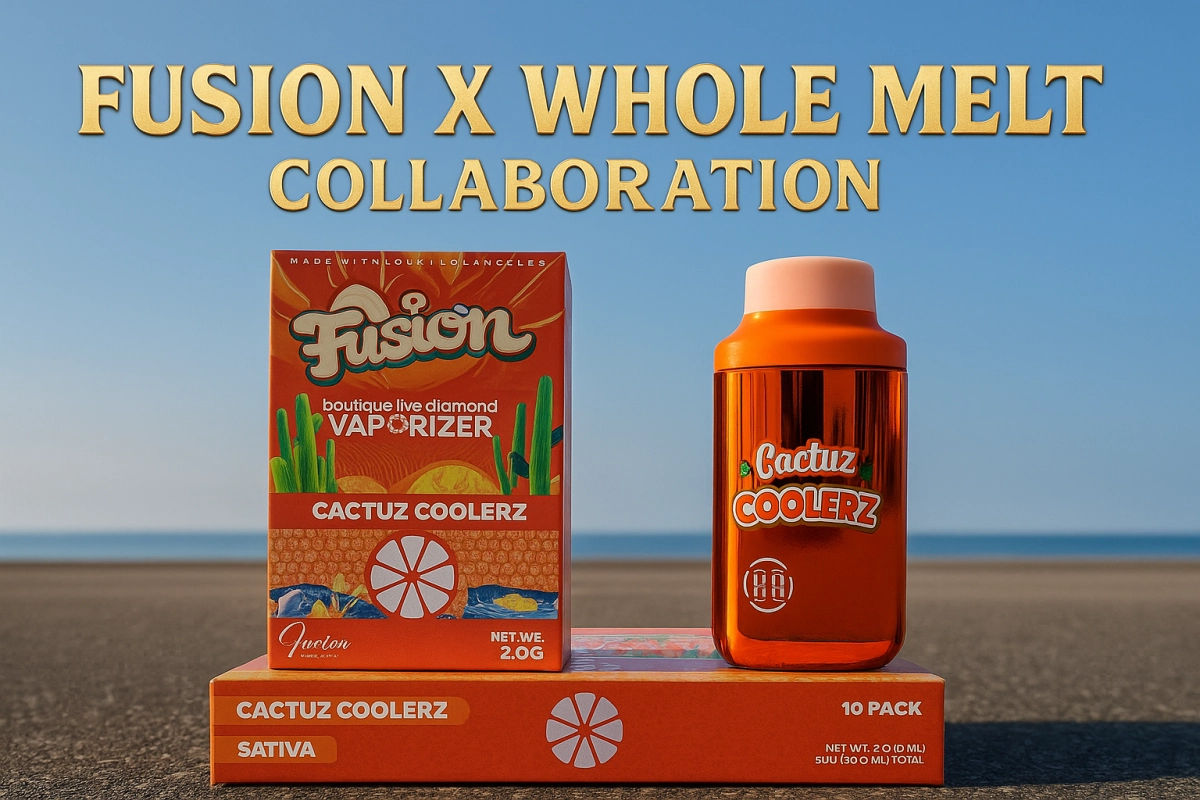
This page is a neutral, technical read for buyers and operators. We summarize what’s in the collab, how extract/coil pairing affects performance, which safety/transport documents matter, and how to verify them. No pricing or sales pitch—just the evidence you need to evaluate a limited run.
For fundamentals and definitions, see our hub whole melt extracts disposable. This article focuses on the collaboration specifics and due-diligence workflow.
What’s in the Collaboration?
Positioning
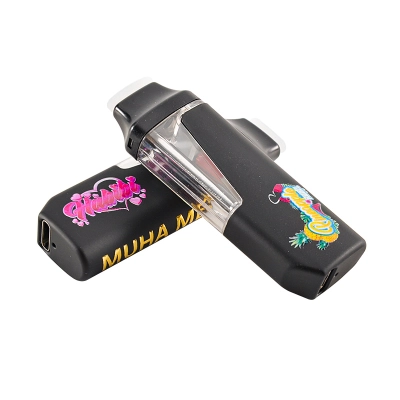
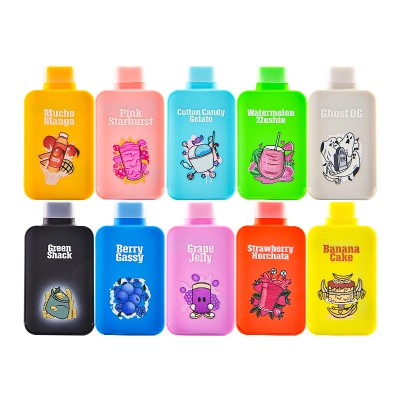
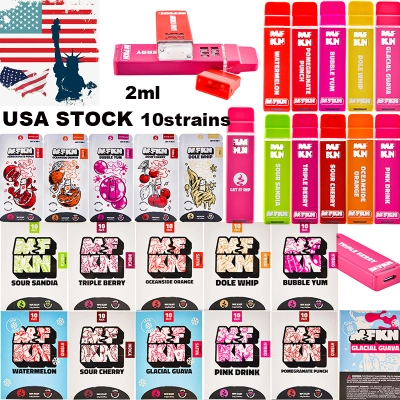
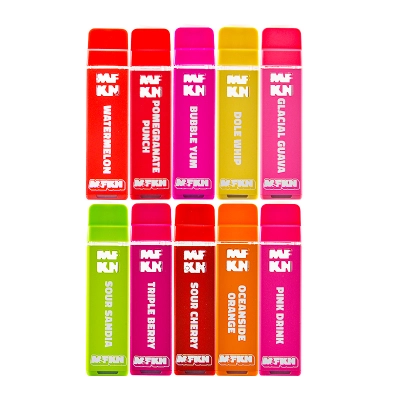
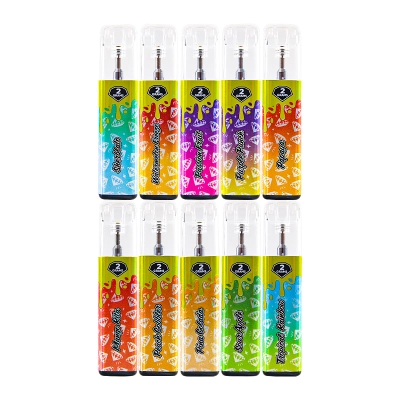
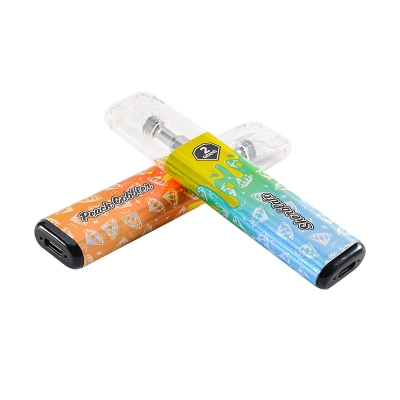
Fusion × Whole Melt is a limited-edition series pairing curated extract blends with a compact, rechargeable 2 g disposable body. Expect rotating flavor art, batch-specific lots, and the same class of protections you’d see on mainstream 2 g devices.
What varies vs a regular 2 g?
- Artwork/sleeves and flavor lineup are batch-driven.
- Document packs (COA, battery/transport summaries) are still expected, but lot-matched to the drop.
- Supply cadence is shorter—plan sampling and replenishment windows accordingly.
Extract & Coil Pairing (Why It Matters)
Performance hinges on the match between extract viscosity and atomizer design. Thicker live-resin or “liquid-diamond” blends favor porous ceramic or mesh-ceramic hybrids; terp-forward blends can run cooler. Start at the lowest profile and step up until flavor opens without browning. Use short preheat pulses (1–3 s) only when the device is cold; prolonged preheats can over-thin oil and induce flooding.
Build, Battery & Protections
Modern 2 g disposables typically implement short-circuit and over-charge protection, basic thermal cut-backs, and airflow QC at end-of-line. For buyers, the actionable question is whether the batch includes traceable test summaries: battery safety, lithium transport, parcel packaging, and a lab COA for the extract lot.
Evidence Box: Compliance & Paperwork
| Document | What to ask for | Why it matters |
|---|---|---|
| COA (Certificate of Analysis) | Accredited lab under ISO/IEC 17025; lot/batch match; potency panel; heavy metals; residual solvents; microbials as applicable. | Verifies composition and screens contaminants; 17025 signals the lab’s technical competence. |
| Battery safety | Report referencing IEC 62133-2 (Li-ion). Confirm cell model, report number, and test house. | Addresses abuse tests (short-circuit, over-charge, thermal) expected for portable secondary cells. |
| Transport (air/sea) | UN 38.3 Test Summary: manufacturer, model, test house, date; note T.1–T.8 (altitude, thermal, vibration, shock, short, impact/crush, overcharge, forced discharge). | Confirms cells/packs passed the UN design tests required for transport. |
| Small-parcel packaging | Summary to ISTA 3A or equivalent (drop, vibration, compression, low-pressure). Include product weight class and pass/fail notes. | Reduces in-transit damage and leakage risk in e-commerce parcel networks. |
| Electrical system practices | Design guidance aligned with UL 8139 where applicable. | Hazard-based safety approach for e-cigarette electrical systems (controls, protections, wiring). |
| Consumer warning (US-CA) | Evaluate applicability of Proposition 65; ensure final packaging warning is visible and lot/date marks are not obscured. | State-level chemical exposure warnings where required by law. |
Reproducible Bench-Test Protocol
The following quick-turn protocol helps you validate a limited drop without lab gear. It is device-agnostic and intended for intake QC or buyer sampling.
| Step | Method | Pass / Watch |
|---|---|---|
| Sample size | Randomly pick n = 10 units across at least 3 master cases. | n≥10 gives a quick read on lot variance; expand if defects >1. |
| Cold-soak check | Store at 5–10 °C for 2–3 h, then allow 15 min at room temp before first puff. | First-puff should not hard-clog. Watch: repeated clog on ≥2/10 suggests viscosity mismatch or insufficient preheat behavior. |
| Preheat behavior | Use short pulses (1–3 s) if cold; avoid chain preheats. | Oil visibly mobilizes without gurgle. Watch: audible boiling or flooding. |
| Low-power flavor open | Start at lowest profile; step up one notch at a time. | Flavor opens within 1–3 steps. Watch: harshness/browning at low settings → wick starvation. |
| Idle-leak | Stand units upright for 48 h at room temp, then inspect mouthpieces/airways. | No pooling; only minor condensation. Watch: visible seepage on ≥1/10 warrants holdback. |
| Label/trace | Scan QR or record printed lot/date; confirm match to COA. | All 10 map to the same lot used in paperwork. |
Who It’s For / When It Makes Sense
- Story-led rotations (collab shelves, seasonal displays) where artwork and limited flavors add lift.
- Pilot runs before a private-label program, using the same base hardware but restricted sleeves.
- Boutique retailers seeking short-cadence drops without rebuilding planograms.
If you need steady, non-limited configurations, browse the category: whole melt disposable wholesale.
Quick Comparison vs Standard 2 g
| Aspect | Fusion × Whole Melt (Limited) | Standard 2 g |
|---|---|---|
| Extract | Curated, rotating blends; lot-specific COA | Stable SKUs across cycles |
| Hardware | Same class as mainstream 2 g; limited sleeves/art | Regular finishes; broader colors |
| Protections | Short-circuit, over-charge, thermal cut-back (varies by lot) | Similar feature set; often better documented |
| Docs | Lot-matched COA + UN38.3 TS + battery report; 3A parcel summary | Standardized doc packs per recurring production |
| Supply | Limited drop; shorter reorder windows | Ongoing availability for planograms |
FAQ
Is this collaboration refillable?
No. It’s positioned as a sealed, single-use disposable. If you need refillable/pod systems, explore separate AIO platforms.
What documents should I request before purchase?
At minimum: COA (17025 lab; lot-matched), UN 38.3 Test Summary (battery/cell), IEC 62133-2 battery report, ISTA 3A packaging summary, and labeling check for Prop 65 where applicable.
How do I reduce clog/burn risk on thicker blends?
Store upright, use short preheat (1–3 s) only when cold, start at low profile and step up, and leave 20–30 s between puffs.
References (authoritative)
- ISO/IEC 17025 — General requirements for the competence of testing and calibration laboratories: iso.org/standard/66912
- IEC 62133-2 — Safety requirements for portable sealed secondary lithium cells and batteries: iec.ch/publication/34274
- UN 38.3 — UN Manual of Tests and Criteria (battery transport tests): unece.org
- ISTA 3A — Package testing for small parcel delivery systems: ista.org/standards
- UL 8139 — Electrical systems of e-cigarettes and vaping devices (resource page): ul.com/resources/ul-8139
- California Proposition 65 — Official warnings portal: p65warnings.ca.gov
Related Reading
For a first-time setup guide (preheat, voltage, clog fixes), see: How to Use & Maximize Your Whole Melts Disposable.
4 Comments
thanks, my dear friend
Great breakdown of the latest vape trends. Love how you covered both brands and market shifts.
Muy buen artículo, me encantó la explicación.
Really interesting post, I learned something new today!