
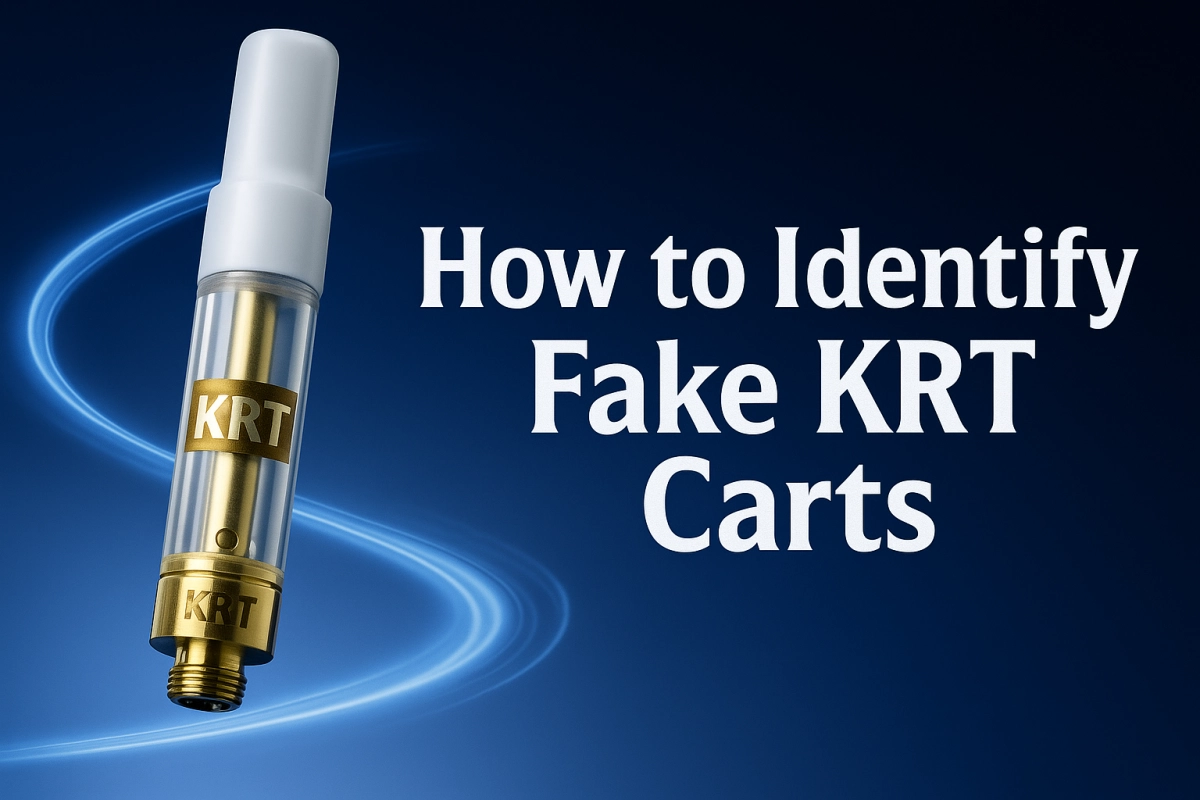
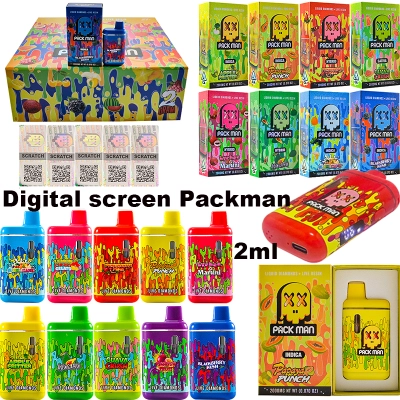
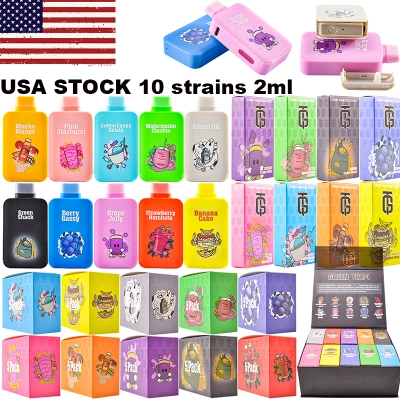
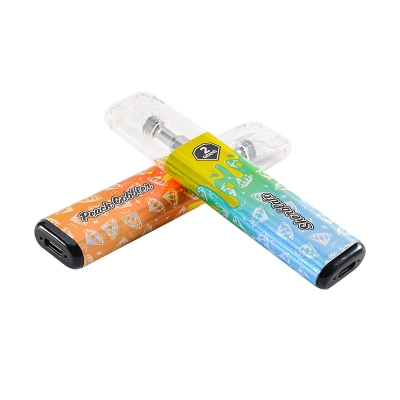
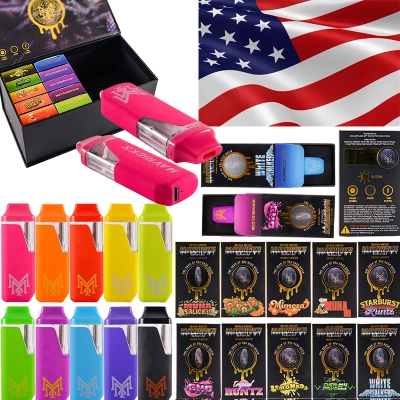
The term fake carts usually refers to cartridges or disposable vapes that copy the branding of popular products—including KRT carts—without going through any official verification, testing, or licensing. These counterfeits can contain untested oil, unsafe additives, and misleading labels, which creates real risk for consumers and serious brand damage for licensed operators.
In this guide, we summarize what public-health agencies and regulators have learned about dangerous, illicit cartridges and show how you can apply those lessons when you evaluate KRT-style hardware. We keep the focus on hardware, packaging, and verification workflows so both consumers and B2B teams can make safer, more informed decisions.
1. What are KRT carts and why are counterfeits a problem?
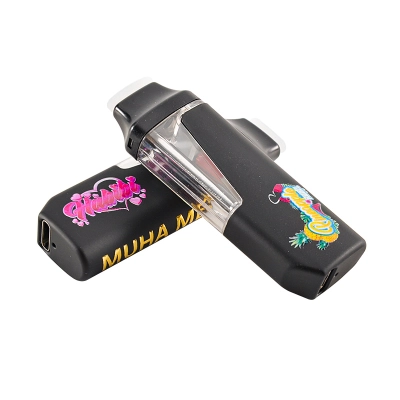
KRT carts are widely recognized in the cannabis vape space and have become a frequent target for counterfeiters. Because the logo and flavor names are familiar, illicit producers can buy empty look-alike packaging, fill it with unknown oil, and sell it as if it were genuine product.
On Vapehitech, we focus on empty, hardware-only devices that are compatible with the formats many brands work with. For example, licensed B2B buyers can review KRT-branded empty hardware families via our KRT carts catalog to understand capacities, threads, shell designs, and component specs before they standardize their supply chain around any one platform.
The problem is that counterfeiters copy the look but ignore the safety program. They rarely follow state lab-testing rules, do not work with accredited labs, and usually cannot provide verifiable Certificates of Analysis (CoAs). That is why it is essential to differentiate real, tested hardware and oil from random cartridges using KRT branding in name only.
2. Why fake carts are high-risk for health and brands
Public-health investigations into the EVALI (e-cigarette, or vaping, product use–associated lung injury) outbreak showed how dangerous illicit cartridges can be. CDC data documented more than 2,800 hospitalized EVALI cases and dozens of deaths in the United States, with most patients reporting recent use of THC-containing cartridges obtained from informal sources such as friends, dealers, or unregulated online sellers.1
Laboratory testing by CDC and state labs found vitamin E acetate in many of these products and even in lung fluid samples from patients, strongly linking the additive to the outbreak.2 Based on these findings, CDC and FDA recommend that people avoid THC-containing vaping products, especially those obtained from informal sources, and warn against adding substances like vitamin E acetate or other oils to vaping products at all.3,4
From a practical point of view, fake carts are risky because they often combine:
- Unregulated oils with uncertain cannabinoid content and contaminants;
- Cutting agents such as vitamin E acetate or other diluents used to make oil appear thicker or stronger than it really is;
- No reliable CoA from an accredited lab that follows state testing rules for potency and contaminants;5,6
- Misleading branding that impersonates recognized names like KRT to gain trust.
For licensed brands and distributors, allowing counterfeit hardware or oil to mix into your channel can also cause reputational damage, product-liability exposure, and friction with regulators. That is why a simple, evidence-based authenticity checklist is essential.
3. Packaging and design red flags on fake KRT carts
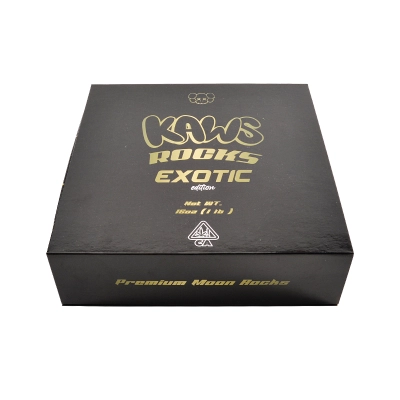
The first line of defense against fake carts is packaging. Counterfeits often look convincing at a glance but fall apart when you inspect them against current regulatory expectations for cannabis labeling and testing.
3.1 Visual print and layout issues
- Blurry or low-resolution logos. Genuine brands invest in sharp, consistent printing; fuzzy or pixelated artwork is a warning sign.
- Incorrect colors or gradients. Counterfeit boxes often use slightly off colors compared with verified packaging shown on the brand or regulator websites.
- Spelling or grammar errors. Misspelled strain names, legal warnings, or brand text are classic counterfeiting tells.
- Inconsistent iconography. Missing state-required THC symbols or random icons that do not match local rules.
3.2 Missing compliance and batch information
In regulated markets, real THC cartridges are expected to show specific information on the box or blister. State-by-state overviews of cannabis labeling standards highlight requirements such as clearly visible batch numbers, THC/CBD potency, manufacturer information, and statutory warning text.7
- Batch or lot number and manufacturing date for traceability;
- Net weight / volume and potency information (THC/CBD percentages in legal markets);
- Required warnings, symbols, and age restrictions as defined by the jurisdiction;
- Brand or manufacturer name and a real, reachable website or contact channel.
Fake KRT-style products frequently include none of this, or the information appears as a generic sticker with no way to confirm it against a lab database or licensing system.
3.3 QR codes that do not lead to real lab results
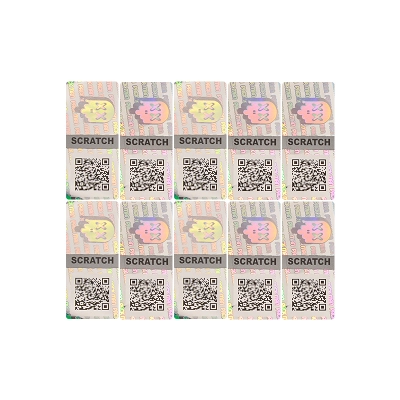
Many legal cannabis programs now expect products to provide direct digital access to test results. For example, New York’s Office of Cannabis Management states that regulated products should include a QR code or link to their Certificate of Analysis (CoA) so consumers can confirm that items passed lab testing before sale.8 Labeling specialists and packaging suppliers also point out that QR-linked CoAs are becoming a de facto standard across many markets.9,10
When you scan the QR code on a KRT-branded product, check that:
- It opens a credible domain (state portal, licensed lab, or the brand’s secured site), not a blank page or parking domain;
- The CoA lists the same batch or serial number and product name shown on your package;5,11
- The CoA includes a complete panel for potency and contaminants such as residual solvents, pesticides, heavy metals, and microbes;
- Dates and signatures make sense (testing date before packaging date, within the shelf-life window).
If the QR code does nothing, redirects to unrelated content, or shows a certificate for a completely different product, treat the item as high risk.
4. Oil, hardware, and performance checks
Packaging is only one part of the story. Fake carts often fail basic quality checks at the oil and hardware level, even when the box looks convincing.
4.1 Oil appearance and behavior
- Unusual color. Very dark, murky, or unevenly colored oil can indicate degradation, contaminants, or poor manufacturing.
- Strange thickness. Oil that is extremely watery or unusually thick compared with known batches deserves caution.
- Bubbles and separation. Persistent large bubbles or visible phase separation can signal formulation problems.
Harm-reduction resources and lab educators caution that counterfeit THC cartridges sometimes boast unrealistically high THC numbers (such as “99% THC”) or use clouded, hazy oil to hide low-quality distillate and cutting agents.12,13 These claims should be treated as a red flag, not a selling point.
4.2 Shell quality and hardware behavior
- Leaking or clogging. Poorly matched seals and substandard ceramics or wicks are common in counterfeit shells.
- Off smells from the hardware itself. Strong plastic or chemical odors from the empty shell are a bad sign.
- Hot spots and burnt taste. Uneven heating or burnt hits at normal power levels suggest poor coil design or low-grade materials.
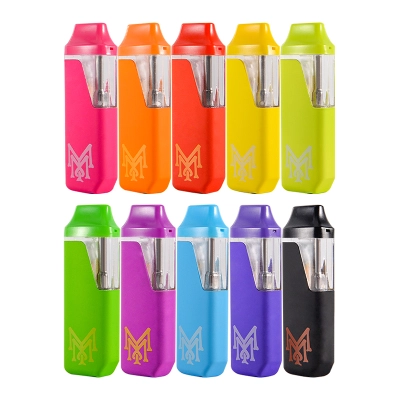
By contrast, licensed brands typically standardize on known, spec-locked platforms. For example, some B2B buyers choose branded empty formats such as KRT donut carts specifically because they can validate the shell design, coil resistance, material stack, and tolerances before filling them in controlled environments.
5. Source, price, and vendor signals
Multiple public-health summaries emphasize that the highest risk sits in informal markets rather than in regulated retail. CDC, FDA and state health departments all warn consumers not to use THC-containing vaping products from friends, dealers or anonymous online sellers because of their strong association with EVALI cases.3,4,14,15
When you evaluate KRT-branded products or any other cartridge, pay attention to:
- Where it was purchased. Legal dispensaries and pharmacies are more likely to comply with testing and packaging rules than unregulated sellers.
- How it is marketed. Be wary of phrases like “no ID,” “ships anywhere,” or “street-only formula” around recognizable brand names.
- Pricing that is far below the norm. Counterfeits often rely on cheap pricing to move unverified volume quickly.
- Bulk social media deals. Large bundles sold via DMs or encrypted chat groups are a major red flag.
6. Verifying KRT carts more safely
Each brand publishes its own authentication steps, but most verification workflows follow a similar pattern. You can adapt the framework below whenever you assess KRT-style products or any other popular cartridge line.
6.1 Confirm the brand and packaging against official references
- Check the brand’s official website or regulator resources for current packaging designs and required symbols.
- Compare logo placement, strain label formatting, and warning text against known-good examples.
- Look for any notices the brand or regulators have issued about common counterfeits or discontinued artwork.
If the packaging in your hand looks like an older or completely different version from what the brand or regulator shows, proceed cautiously and look for additional verification signals before trusting the product.
6.2 Use batch numbers, QR codes, and CoAs
Independent lab and industry articles on how to read a cannabis CoA consistently highlight a few essential data points:5,6,11,13
- The lab name and accreditation should be clearly listed, with contact information;
- The CoA should include the batch or lot number that matches your package;
- Testing dates and report dates should be recent and logically aligned with the product’s packaging date;
- The report should cover both potency and a relevant contaminant panel (microbials, mycotoxins, pesticides, heavy metals, residual solvents);
- The document should be tamper-evident (for example, a non-editable PDF or a secure portal entry).
If anything is missing, inconsistent, or obviously fabricated, treat the product as a likely fake or at least as insufficiently documented for safe use.
6.3 Avoid filling fake hardware with your own oil
Some users attempt to “salvage” cheap carts by refilling them with their own oil. That does not remove the risk created by unknown ceramics, metals, and seals. If the shell itself is poorly made or counterfeit, refilling it does not make it safe and may even put high-quality oil into a high-risk device.
7. For brands & distributors: building a safer hardware program
For licensed brands and distributors, the most robust way to reduce fake carts risk is to control your hardware supply chain end to end. That means choosing specific, documented hardware families and using them consistently rather than buying random generic cartridges from informal sources.
Many B2B teams start with broad category hubs such as empty vape cartridges to compare formats (510 vs all-in-one), capacities (1 ml, 2 g, etc.), and core technologies (ceramic vs cotton). From there, they standardize on a small number of SKUs with:
- Documented material specs, coil designs, and resistance ranges;
- Consistent, traceable lot codes on both hardware and packaging;
- Child-resistant and tamper-evident packaging options where regulations require them;7,9,10
- Supplier-side quality checks, stress tests, and packaging integrity testing.
At Vapehitech, our role is to supply empty hardware only and to help B2B buyers evaluate which shell designs and packaging options make it easier to distinguish legitimate products from counterfeit or “look-alike” fakes in the market. Oil formulation, filling, and compliance with local laws always remain the responsibility of the licensed brand or manufacturer.
8. What to do if you suspect a fake cart
If you suspect a KRT-branded or any other cartridge might be fake:
- Stop using it immediately.
- Do not share it with friends or colleagues “to test it.”
- Keep the packaging, receipt, and any photos as documentation.
- Contact the brand (if they have an official channel) and share batch numbers and purchase details.
- Report concerns to your local regulator or consumer protection agency where appropriate.
If you experience symptoms such as chest pain, shortness of breath, persistent cough, or severe nausea after using any vape product, stop using it and seek medical help promptly. CDC and FDA guidance encourages clinicians to ask patients with compatible symptoms about recent use of THC-containing vaping products, particularly those obtained from informal sources, and to consider EVALI in the differential diagnosis.1,3,4,14
9. Related authenticity and safety guides
If you manage a portfolio of multiple brands, you can extend the same checks used for KRT-style products to other popular hardware families. For deeper detail, see:
- Our Muha-focused authenticity and packaging checklist: Muha Meds safety guide.
- Our Ace-focused hardware and packaging verification workflow: Ace Ultra authenticity guide.
Together, these resources can help your team develop one unified SOP for vetting packaging, QR codes, batch IDs, and supplier claims across your entire hardware catalog.
10. FAQ: Fake carts and KRT carts
No. A “fake cart” usually means a product that uses someone else’s brand name or logo without authorization and with no reliable lab testing or licensing behind it. A plain, unbranded empty cartridge purchased from a reputable hardware supplier is not automatically fake; the risk depends on the oil that goes into it and how the finished product is labeled and sold.
Not necessarily. Counterfeiters can print QR codes that go nowhere or link to fabricated “lab results.” Always confirm that the QR code leads to a credible domain (such as a licensed lab, state portal, or the brand’s secured site) and that batch numbers, product names, and dates match your package exactly.
To attract buyers, counterfeit products sometimes claim unrealistic potency numbers (for example, “99% THC” on every flavor). Independent lab testing and educational articles have repeatedly shown that such claims are usually false and may be used to distract from poor-quality or contaminated oil. Real brands in legal markets aim for accurate, verifiable potency, not the highest number on the label.
Vapehitech supplies empty hardware only and does not sell oil, THC, nicotine, or filled cartridges. Our role is to help licensed brands and distributors select stable, spec-locked shell families and packaging so they can implement robust traceability and make it easier for end consumers to distinguish their legitimate products from counterfeits.
References & further reading
- Centers for Disease Control and Prevention (CDC). EVALI outbreak summaries and technical reports on lung injuries associated with vaping products. cdc.gov/mmwr
- CDC. Laboratory data linking vitamin E acetate to EVALI and recommendations not to add vitamin E acetate or other oils to e-cigarette products. cdc.gov/mmwr
- Blount BC et al. Vitamin E Acetate in Bronchoalveolar-Lavage Fluid Associated with EVALI. New England Journal of Medicine. nejm.org
- U.S. Food and Drug Administration (FDA). Lung injuries associated with use of vaping products and warnings around THC-containing products and informal sources. fda.gov
- New York Office of Cannabis Management. Consumer guidance on QR codes and Certificates of Analysis for regulated cannabis products. cannabis.ny.gov
- Distru. State-by-state breakdown of cannabis labeling standards, including batch numbers and warning requirements. distru.com
- Bud’s Goods, Papa & Barkley, and other lab-education resources on how to read a cannabis Certificate of Analysis (CoA) and which data fields matter for safety. budsgoods.com, papaandbarkley.com
- Whitlam Group and other packaging specialists on cannabis label specifications, child-resistant packaging and QR-linked CoAs. whitlam.com
- Washington State Department of Health and similar agencies on vaping-associated lung injury and recommendations to avoid THC vapor products from informal sources. doh.wa.gov
3 Comments
Love this — short but useful.
Nice info! Thanks for sharing.
Great post, really clear and helpful!