
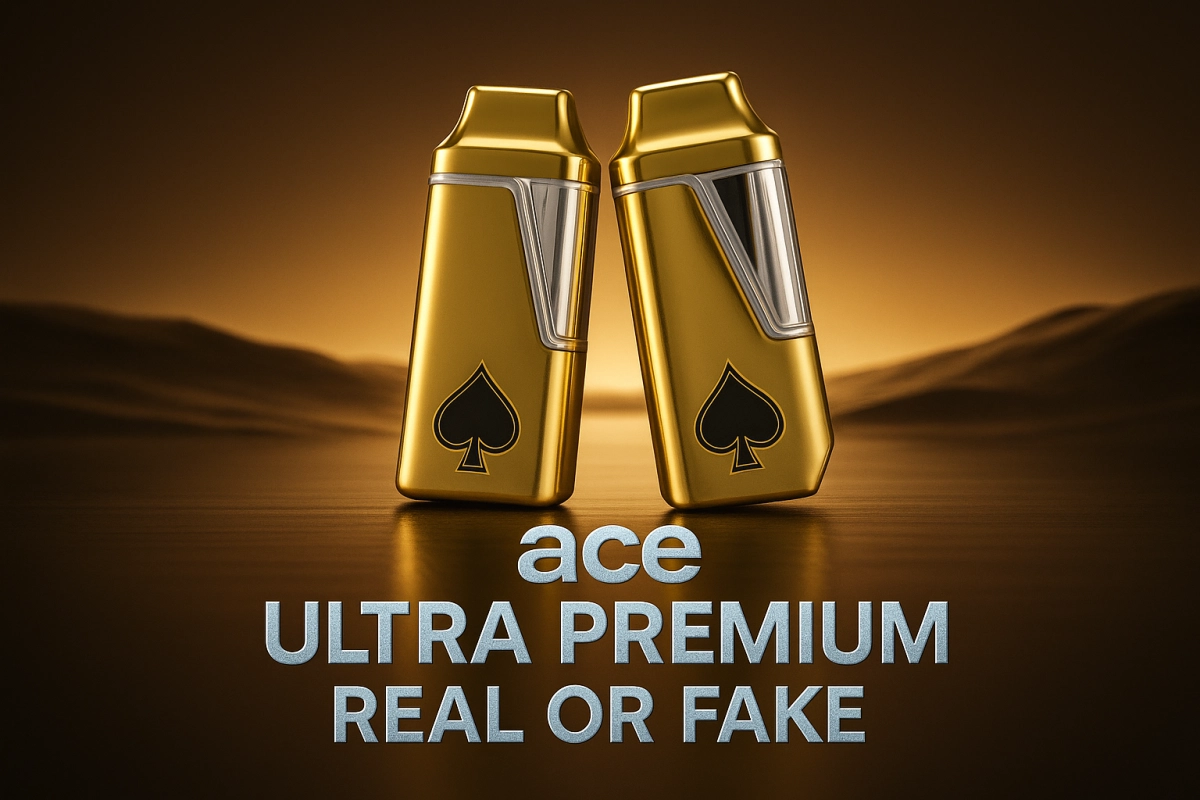
This informational MoFu guide helps procurement and QC teams decide whether an item is ace ultra premium real or fake. It focuses on empty hardware only—no liquids, nicotine or THC.
Start with the brand taxonomy: ace ultra premium, then review format pages for ace ultra premium disposable, ace 2 gram disposable, and ace 1g.
The 3-Minute Authenticity Checklist
- Traceability — Scan QR/barcode following GS1 rules; batch/lot must match both box and device. Serial duplication across cases is a red flag.
- Compliance dossier — Request documents up front: UN 38.3 (T1–T8 transport tests), IEC 62133-2 (battery safety), UL 8139 (electrical system), and REACH materials declarations.
- Label consistency — Genuine SKUs use consistent units (1 g / 2 g classes vs. 1 ml / 2 ml volume). Mixed “g vs ml” on the same item is common on counterfeits.
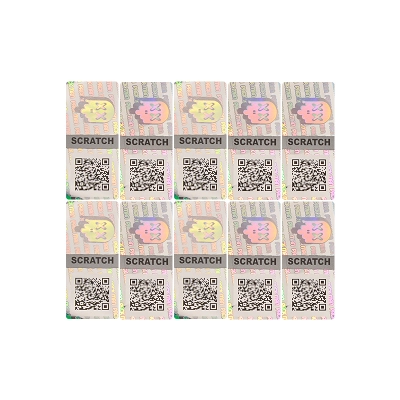
- Seal & print quality — Even ink coverage, crisp edges, clean tamper seal; no glue bleed. Compare fonts and icon spacing across cases.
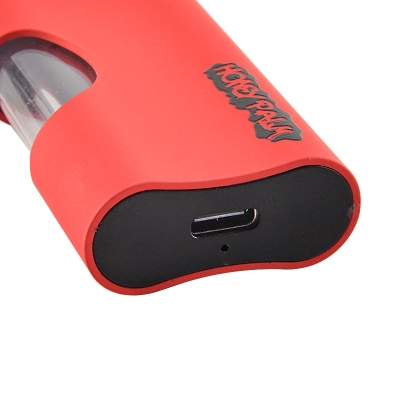
- Workmanship spot-checks — USB-C port fit, mouthpiece torque window, no rattle, even panel gaps. Run a 24h upright + 2h horizontal condensation hold for shells.
Packaging & Markings: What Authentic Units Look Like
| Area | Authentic Indicators | Counterfeit Red Flags |
|---|---|---|
| Codes & IDs | GS1-style barcode or QR decodes to valid GTIN/serial; batch code format stable across lots. | QR resolves to generic sites; repeated serials; missing human-readable lot/date codes. |
| Units & Specs | 1 g or 2 g class stated consistently; 1 g pages such as ace 1g match packaging. | “2g = 2 ml” printed as an equivalence; mixed unit systems on one SKU. |
| Print & Finish | Uniform silk-screen edges, aligned typography, intact tamper label. | Smudged inks, misaligned foils, thin or reused seals. |
| Documentation | Seller can supply current UN 38.3 / IEC 62133-2 / UL 8139 IDs; REACH statements and restricted-substance notes. | Vague “passed safety tests” statements; no report numbers, outdated revisions. |
For transport durability where required, ask vendors to cite an appropriate ISTA procedure. For anti-counterfeit program design, see ISO 12931 guidance.
Spec Consistency: 1 g vs 2 g Classes
Authentic Ace lines keep specs internally consistent across their 1-gram and 2-gram classes. When vetting offers:
- Cross-check the offer with the relevant format pages—ace 2 gram disposable and ace 1g—and verify that capacity, connector, and charging details match.
- For “disposable” shells, use the category reference ace ultra premium disposable to sanity-check language, naming, and compatible accessories.
Requesting Proof the Right Way
Ask the seller to share redacted copies or report IDs (not marketing slides) for the items below. A legitimate source can answer within one business cycle:
- UN 38.3 test evidence for the cell/pack (T1–T8, current revision of the UN Manual of Tests and Criteria).
- IEC 62133-2 conformity to the applicable edition for the lithium-ion cell system.
- UL 8139 electrical system evaluation scope (clarify that liquids aren’t covered).
- REACH/RoHS materials statements (see ECHA basics).
- GS1 identifiers for retail kits/master cases and human-readable lot/date codes.
What to Do If You Suspect Counterfeits
- Photograph the box (all sides), device, serial/lot codes, and invoice.
- Record where the QR resolves and any mismatch with GS1 formatting.
- Request the compliance dossier listed above; note missing or outdated items.
- Avoid further distribution until verification completes; keep samples intact for audit.
2 Comments
Thanks for sharing this, learned a lot!
Great post! Very helpful.