
- Why Counterfeit Muha Meds-Style Products Are High-Risk
- How Official Muha Meds Verification Typically Works
- Step-by-Step Authenticity Checklist (Shell & Packaging)
- Shell-Level Red Flags to Avoid
- Verifying Sellers, Licenses & CoAs
- What to Do If You Suspect a Fake
- For Licensed B2B Buyers: Building a Safer Empty Hardware Program
- Key References & Verification Resources
1. Why Counterfeit Muha Meds-Style Products Are High-Risk
When people talk about “fake Muha Meds”, they usually mean devices and packaging that copy Muha Meds branding without coming through the brand’s official verification system or licensed channels. The danger is not just the logo. Counterfeiters often combine:
- unregulated or unknown oils with no verifiable Certificate of Analysis (CoA);
- low-grade shells that use poor seals, inconsistent tolerances, and cheap plastics or metals;
- fake compliance icons, QR codes that do not resolve to official domains, and generic “lab tested” stamps.
Evidence from public health investigations into serious lung injury cases has repeatedly linked the highest risks to illicit THC cartridges and counterfeit-branded products obtained from informal sources, especially where cutting agents like vitamin E acetate were used. Authoritative reviews from agencies such as the U.S. Centers for Disease Control and Prevention (CDC) and peer-reviewed studies emphasize avoiding unregulated, counterfeit, or unverifiable vape products altogether.
2. How Official Muha Meds Verification Typically Works
Authentic Muha Meds-branded products are supported by specific verification flows controlled by the brand. While details can evolve, key elements include:
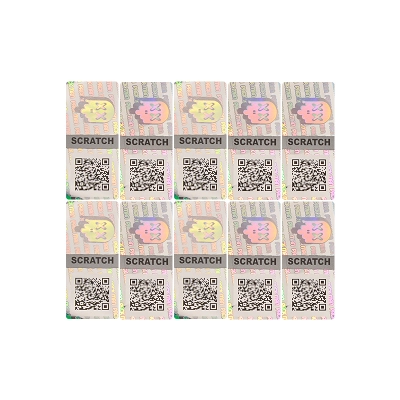
- a dedicated verification sticker or label on the retail box;
- a QR code that directs users to an official verification environment under domains operated by Muha Meds (for example, a verify page linked from their official website);
- a unique printed code that is checked server-side to flag valid, reused, or invalid entries.
If a code does not validate on an official verification page, if the QR resolves to unrelated domains, or if there is no unique identifier at all, treat the product as suspect. Authoritative brand communication has consistently instructed users to make sure QR scans land on official Muha Meds properties before trusting results.
- Locate the security label and QR on the box.
- Scan and confirm that the URL belongs to an official Muha Meds verification page.
- Enter or confirm the unique code; avoid products with codes that fail, repeat, or never existed.
3. Step-by-Step Authenticity Checklist (Shell & Packaging Focus)
Use the following sequence whenever you encounter a Muha Meds-branded or Muha Meds-style device. These checks are designed around what you can verify on the shell and packaging, before considering any oil.
Step 1 — Examine the packaging quality
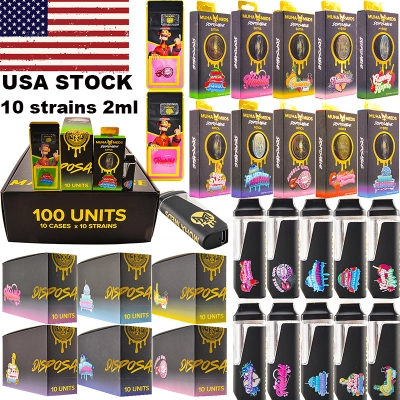
- Brand consistency: look for clean printing, correct logo, and consistent layout. Typos, distorted logos, or random holograms are red flags.
- Regulatory information: in legal markets, compliant products should show license numbers, batch IDs, net contents, warnings, and required symbols according to local rules.
- Security features: an authentic product should provide a scannable QR and/or scratch-off code that matches an official verification system.
Step 2 — Verify the QR code and domain
- Scan the QR and confirm the URL corresponds to an official Muha Meds verification environment, not a random shortening service or unrelated domain.
- Be cautious of pages that request excessive personal data or instruct you to bypass normal verification steps.
Step 3 — Match batch codes
- Check if batch or lot numbers on the outer box, any inner tray, and (if present) the device label align.
- Repeated identical codes across unrelated SKUs, or codes that cannot be referenced on brand or regulatory systems, are a strong warning sign.
Step 4 — Inspect the shell construction
Only after the packaging and verification cues make sense should you look at the shell itself. A convincing fake often fails basic engineering and QC checks:
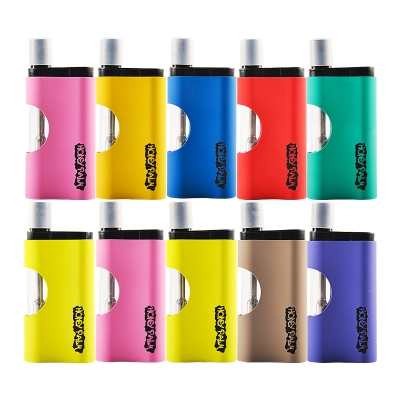
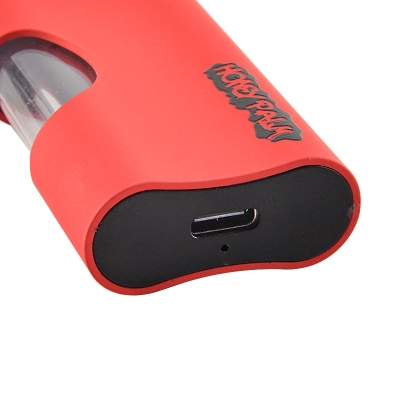
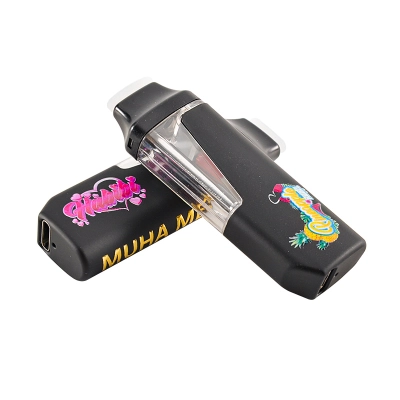
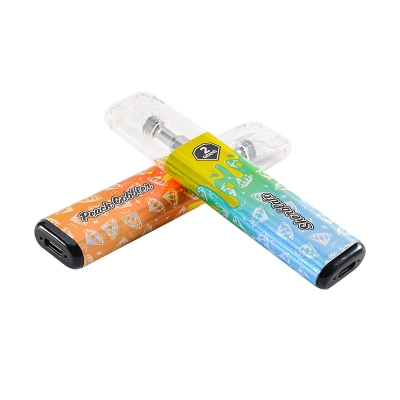
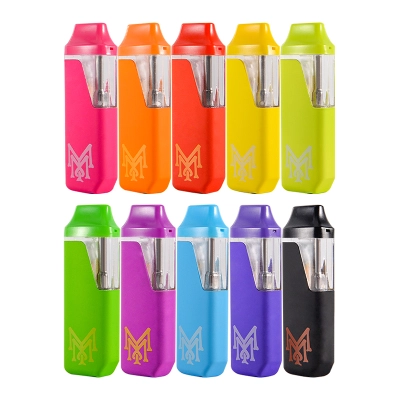
- Mouthpiece seal: authentic-style shells have a tight, flush seal; visible gaps, wobble, or easily twisted tips signal poor manufacturing.
- Body seams & coating: look for clean seams, uniform finish, and no exposed glue; rough flashing or cheap paint is typical of counterfeit shells.
- Oil inlet geometry: well-designed shells use precise, evenly spaced inlet ports; irregular or clogged-looking ports suggest generic, unoptimized hardware.
- Center post alignment: a bent or off-axis post, or distorted silicone gaskets, increases leak and contamination risk.
- Logo application: misaligned or smudged logos, incorrect icons, and off-colour printing are often easier to fake than to perfect.
Legitimate Muha Meds-style shells used by licensed fillers are engineered for viscosity compatibility, seal integrity, and repeatable assembly. Counterfeit shells usually cannot match this level of precision.
4. Shell-Level Red Flags to Avoid
Specific shell and packaging patterns that should trigger immediate caution include:
- No verification sticker, no unique code, and no meaningful batch or license information anywhere on the packaging.
- QR codes that lead to inactive pages, generic ecommerce sites, or domains with no mention of Muha Meds verification.
- Extremely light or flimsy housings that flex in the hand, or mouthpieces that can be pulled off without evident tamper-resistance.
- Visible contamination, fibers, or particles inside the reservoir or around seals.
- Mismatched fonts, inconsistent icon sets, or cartoonish branding that does not align with documented authentic releases.
You do not need laboratory equipment to act safely. If a device fails multiple checks above, do not use it, regardless of how it was marketed.
5. Verifying Sellers, Licenses & CoAs
Even convincing shells become unsafe when they move through unlicensed or opaque channels. Authoritative regulators in legal markets (for example, California’s Department of Cannabis Control and other state agencies) provide public license search tools so consumers and businesses can confirm whether a retailer, brand, or lab is legally authorized.
Best practices for 21+ consumers in legal jurisdictions:
- Purchase only from licensed dispensaries or delivery services listed in official state or local license databases.
- Request the Certificate of Analysis: regulated markets require batch-specific CoAs from accredited labs. The batch ID on the CoA should match the packaging and, increasingly, the QR link.
- Avoid informal sources: public health data from the EVALI outbreak period showed the highest risk linked to illicit THC products and counterfeit-branded cartridges sold through non-licensed channels. That pattern remains a key warning signal.
For licensed brands and fillers, aligning shell sourcing, packaging, and CoA workflows with state requirements and emerging standards (such as more robust ingredient and emission testing frameworks) is essential to distancing your products from counterfeit look-alikes.
6. What to Do If You Suspect a Fake
- Stop using the product immediately.
- Document the package, shell, QR code, batch numbers, and the place of purchase.
- Check the code on the brand’s official verification page where available.
- Report suspected counterfeits to the brand owner and relevant regulators or consumer protection agencies in your jurisdiction.
- If you experience breathing issues, chest pain, nausea, or other acute symptoms after using any vape product, seek medical help promptly and provide full information about the device.
7. For Licensed B2B Buyers: Building a Safer Empty Hardware Program
For compliant brands, labs, and distributors, the practical way to combat counterfeit Muha Meds-style devices is to standardize your empty hardware program and make it verifiable end-to-end.
Use the Muha Meds carts guide as a technical reference when evaluating shell geometry, inlet design, and filling compatibility, so your team can distinguish engineered cartridges from low-cost clones that increase leakage and complaint rates.
When comparing quotes, rely on structured benchmarks rather than chasing unrealistic offers. The Muha Meds pricing guide framework helps identify when a proposed “Muha-style” shell price point no longer supports compliant materials, precision machining, or basic QC.
For projects built around all-in-one or disposable platforms, focus on traceable empty shells instead of unverified filled products. A curated empty Muha Meds disposable range allows licensed fillers to combine recognizable industrial design with their own tested oil, CoAs, and jurisdiction-specific labeling.
If your organization is rationalizing multiple suppliers, a centralized Muha Meds wholesale guide style playbook can define approved SKUs, documentation packages, and warehouse routing. This reduces confusion that counterfeiters exploit and makes it easier for downstream partners to verify that they are receiving legitimate empty hardware.
Finally, compliance and brand protection teams monitoring the market can use an internal fake muha meds reference hub to compare authentic shell revisions, packaging conventions, and known security features over time—without ever endorsing or distributing filled, unverified products.
8. Key References & Verification Resources
The recommendations above are aligned with publicly available guidance and data from authoritative sources, including:
- Muha Meds’ own product verification communications and official verification portals, which instruct users to confirm stickers and QR codes only on official domains.
- U.S. CDC and peer-reviewed research on E-cigarette or Vaping Product Use–Associated Lung Injury (EVALI), highlighting heightened risk from illicit and counterfeit THC cartridges and unsafe additives.
- State-level regulators (e.g., California Department of Cannabis Control, New York Office of Cannabis Management) that require QR-linked CoAs, license transparency, and batch-level traceability for legal products.
- Current best-practice discussions on cannabis CoA requirements and emerging industry standards that emphasize batch-specific lab reports, recognized laboratories, and robust packaging security.
Readers are encouraged to verify products, sellers, and lab results directly through official regulatory and brand channels applicable in their jurisdiction.
Key takeaway: In 2025, the safest position is simple: if a Muha Meds-branded or Muha Meds-style product cannot be verified through official domains, licensed retailers, and coherent batch and shell documentation, treat it as high risk and walk away.
2 Comments
Looks awesome! Can’t wait to check this out myself.
Thanks for sharing! I always enjoy how honest your reviews are.