
2-Gram Compatible Empty Hardware: Specs, Compliance & Buyer QC (2025)
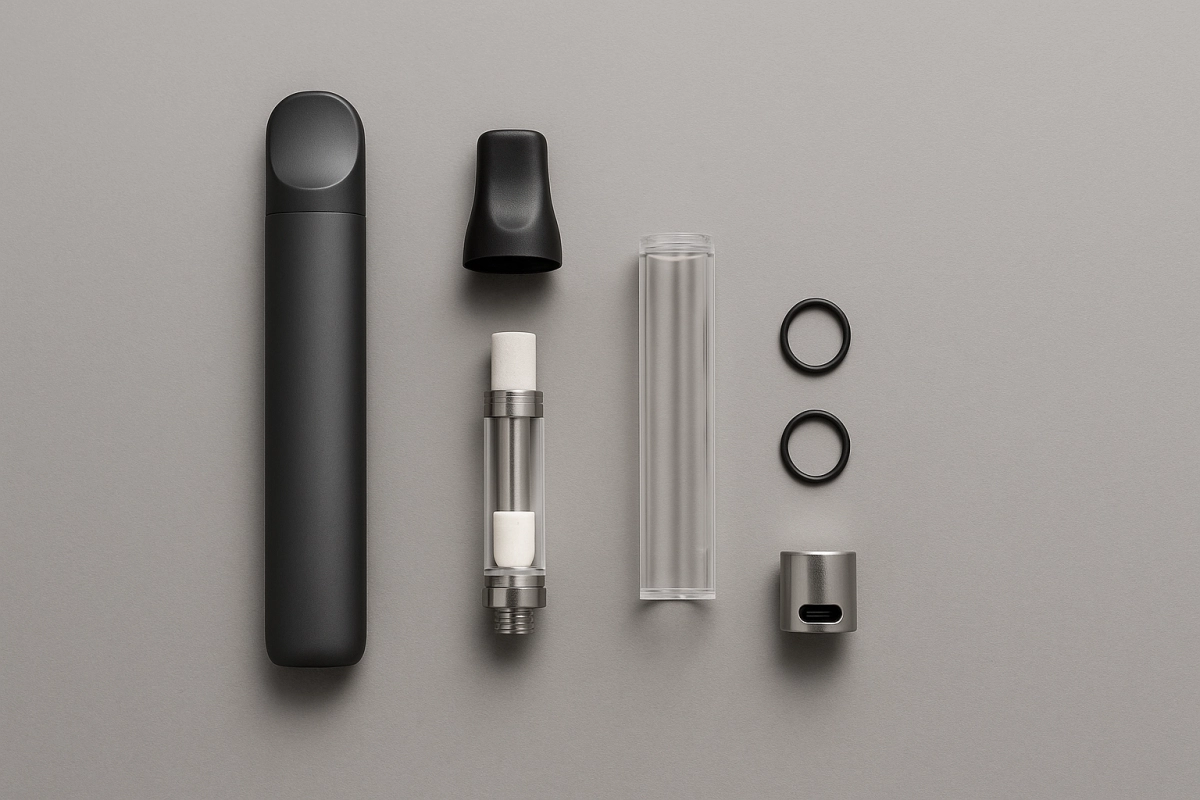
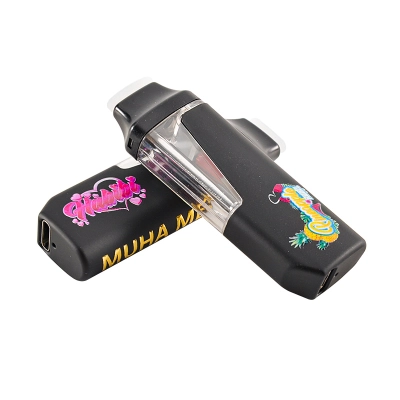
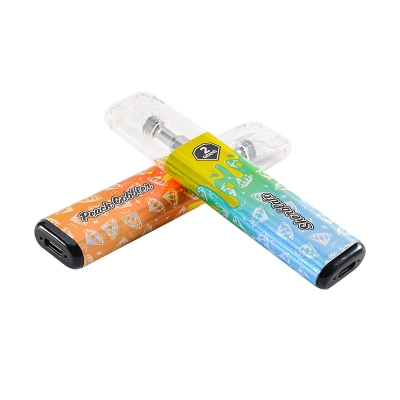
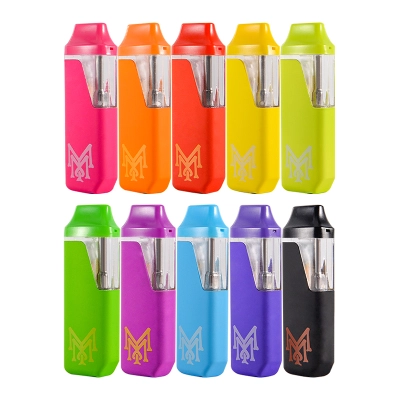
If you’re evaluating empty muha med–style 2 g shells for white-label filling, this engineering-first brief summarizes what the term usually covers, how to verify materials and seals, and which QC controls predict field performance. We supply empty hardware only—no oils or finished goods.
What Buyers Mean by “muha-style empty”
In B2B sourcing, the phrase typically describes compatible empty shells with a similar form factor to well-known 2-gram designs. Unless a brand owner explicitly states otherwise, these are not official filled products. To prevent audit friction, include “empty hardware only” in your PO and list drawings/specs as controlled attachments.
Key Specifications & Materials (with Acceptance Ranges)
Use the table as a starting point. Adjust ranges for your oil viscosity, target flavor profile, and local labeling rules.
| Item | Acceptance Range (example) | Why it matters |
|---|---|---|
| Chamber Volume | Nominal 2.0 g (≈2.0 mL); capacity tolerance ≤ ±2% | Aligns fill claims and puff counts; supports legal metrology. |
| Ceramic Core Resistance | 1.2–1.6 Ω @ 25 °C | Defines the power envelope and thermal ramp for viscous extracts. |
| Air Path / Draw | Orifice ID 1.6–1.8 mm; draw 90–130 Pa @ 17.5 mL/s | Consistency across lots; user experience and condensate behavior. |
| Seals / O-rings | FKM or Silicone; Shore A 50–60; verified compatibility | Chemical resistance and compression set control leak risk. |
| Mouth-Contact Plastic | PCTG/PC (food-contact grade) with documentation | Feeds your ISO 10993 irritation/sensitization strategy. |
| Preheat Function | 0.5–1.0 s soft preheat (user-initiated or auto) | Supports cold starts without scorching the wick. |
| Torque Windows | Mouthpiece 6.0–7.5 N·cm (define per joint by test) | Prevents under-seal leaks and over-compression damage. |
Seal Integrity & Torque Windows
Field returns cluster around two errors: insufficient compression at the cap/tank joint or over-compression that nicks an O-ring. Define a go/no-go torque window per joint with real samples, then verify at line start, after breaks, and after changeovers. Pair torque checks with a simple 48-hour rest and two-cycle 20↔45 °C excursion—cheap, predictive, and easy to document.
Repeatability matters. If your airflow/torque gauges aren’t repeatable, your spec is theater. Our method notes are here: Gage R&R & Uncertainty for Vape Hardware Tests.
Biocompatibility & Chemical Compliance
Treat the device as contact classes: (1) mouth-contact plastics and (2) liquid-contact seals. Build your ISO 10993 plan around cytotoxicity, irritation, and sensitization for those contacts, using representative materials or finished parts. For RoHS/REACH, request dated supplier declarations, a BOM with contact identification, and spot checks on high-risk items (pigments, plated parts, solder).
- Maintain a materials ledger mapping part numbers → polymer/grade → supplier → compliance documents.
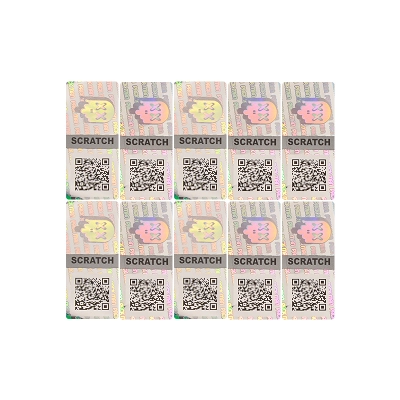
- Reserve packaging artwork zones for QR/anti-counterfeit and the filler’s finished-goods COA/labels.
Practical 10993 and extractables/leachables policy overview: Mouth-Contact & Seal Materials Compliance.
Incoming QC: AQL, Airflow & Functional Screens
Keep the gate simple and predictive. Use AQL Critical 0, Major 2.5, Minor 4.0. On sampled units run three quick screens that correlate with returns:
| Check | Method | Pass Criteria (example) |
|---|---|---|
| Draw-Resistance | 17.5 mL/s through calibrated orifice; gauge logged | 90–130 Pa; Gage R&R < 10% |
| Seal / Leak | 48 h rest + 20↔45 °C ×2; visual & mass check | No seep; Δm ≤ 10 mg/unit |
| Torque | Click or digital driver; window per joint | All joints within window; cap flushness OK |
Sampling tables + airflow procedures are compiled here: Incoming QC for Empty Vape Hardware.
Conservative Tuning Ranges for 2 g Ceramic Cores
Prioritize coil temperature control and flavor preservation. As a conservative starting envelope:
- Preheat: 0.5–1.0 s, just enough to clear cold starts.
- Puff Voltage: 2.6–3.4 V depending on resistance and viscosity. If browning appears, step down in 0.1 V; if clogging rises, prefer slightly longer preheat over higher voltage.
Foundations and risk trade-offs are summarized in Vape Pen Voltage & Preheat: A Safe Tuning Guide.
Procurement Checklist (Copy-Paste)
- BOM with contact-part identification (mouth & seal) and material grades.
- ISO 10993 plan or summaries for the contact parts (cytotoxicity/irritation/sensitization).
- RoHS/REACH supplier declarations (dated) + any third-party spot checks for pigments/plating.
- Drawings with O-ring part numbers/durometer and torque windows per joint.
- Gage R&R method for draw and torque; target repeatability <10%.
- Pilot build (200–500 pcs) with AQL results, torque logs, and DOA/rework policy.
- Artwork zones reserved for QR/anti-counterfeit and filler-provided finished-goods labels/COA.
FAQ
Is this an official brand product?
No. “muha-style empty” is trade shorthand for compatible empty shells intended for white-label filling by licensed packers. We supply empty hardware only.
Can you ship devices pre-filled?
No. We do not supply oils, cannabinoids, or finished goods. Local regulations and finished-goods testing/labeling remain the buyer’s responsibility.
How can we minimize leaks at scale?
Lock in O-ring material/durometer, define torque windows by test, and verify each lot with a 48-hour rest plus simple temperature cycling. Track draw-resistance with control charts.
1 Comments
Thanks again for sharing.