
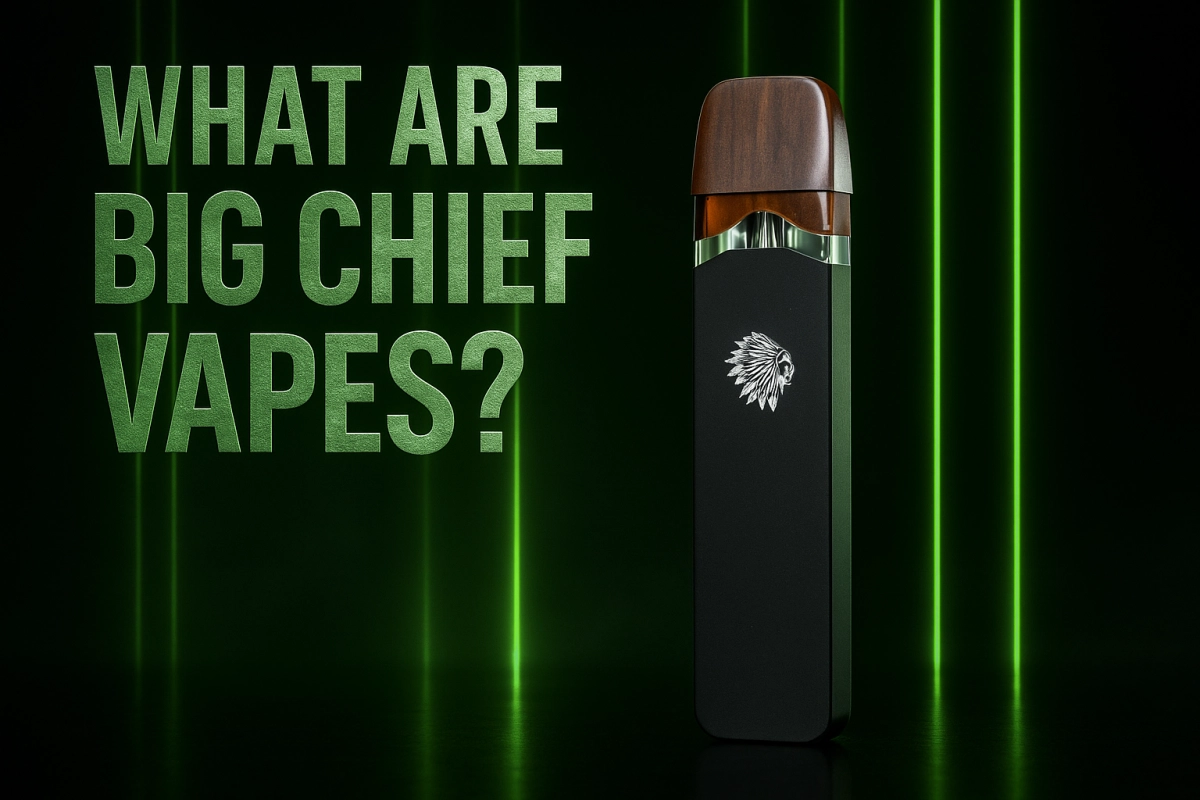
Brand & Authenticity · ToFu · Empty Hardware Only
Scope. This is a B2B explainer for buyers who keep hearing about “Big Chief vapes” and need to separate brand, hardware format, and authenticity risks. We focus on how the term is used in the market, the difference between carts vs disposables, and how empty Big Chief-style shells fit into a compliant supply chain. Empty hardware only—no THC/CBD/nicotine.
For structured sourcing, start at the pillar page big chief vape, then move into capacity and format pages: big chief disposable, big chief 2g disposable, and big chief 1g disposable. For a deep dive on shells only, see the Big Chief disposable guide.
1) What do people mean by “Big Chief vape”?
In day-to-day conversations, “Big Chief vape” is a fuzzy phrase. Some people mean the original Big Chief-branded THC products sold in licensed dispensaries; others mean any cart or disposable that looks like that branding—including generic shells or outright counterfeits. For a B2B buyer, those are three very different risk profiles.
Three layers behind the same phrase
- Brand layer — the registered Big Chief brand used on prefilled cannabis products in specific legal markets.
- Hardware layer — 510 carts and AIO disposables that follow Big Chief-style silhouettes, capacities, and mouthpiece geometry.
- Knock-off layer — packaging, logos, and shells that imitate the brand without licensed origin, traceability, or real QC.
Why this distinction matters in B2B
| Layer | What buyers control | Key risk |
|---|---|---|
| Brand | Whether you are actually authorized to carry it | Trademark & regulatory exposure |
| Hardware | Shell spec, leak-rate, battery and material documentation | Returns, warranty cost, reputation |
| Knock-offs | Whether you stay away from them | Safety incidents, enforcement risk, long-term brand damage |
Positioning tip. In copy and contracts, treat “Big Chief” as a brand name, and use phrases like “Big Chief-style” or “Big Chief-compatible hardware format” for empty shells. This keeps your language aligned with how regulators and brand owners tend to look at the market.
2) Cartridges vs disposables: hardware formats behind Big Chief vapes
Strip away strains and marketing, and a Big Chief vape essentially resolves into one of two hardware families: a 510-thread cartridge or an all-in-one disposable. Both use small lithium-ion cells and a coil to vaporize viscous oil, but they serve different use cases and operational constraints.
Big Chief-style cartridges (510)
- Standard 510 thread that pairs with pen or palm batteries.
- Commonly around 1 g nominal capacity, tuned for THC/CBD distillate or live resin blends.
- Ceramic core or ceramic coil inlets sized for thicker oils.
- Focus on uniform inlet geometry and chimney fit to reduce clogging and weeping.
For B2B buyers, the key questions are: leak-rate under your oil profile, capping repeatability, and how the cart behaves after thermal cycling in real shipments.
Big Chief disposable vapes (AIO shells)
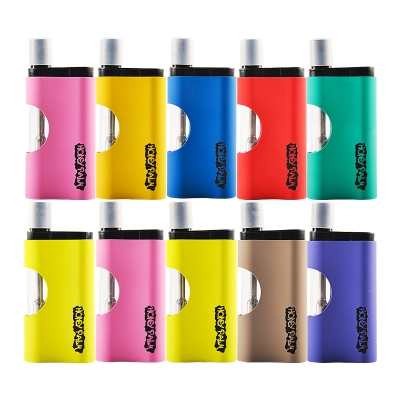
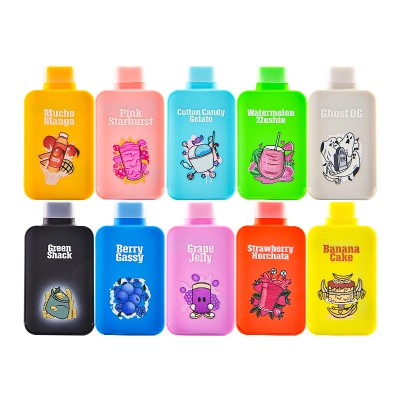
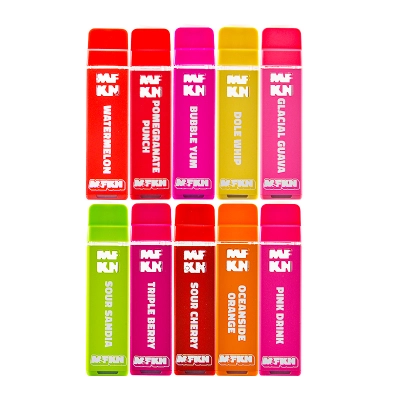
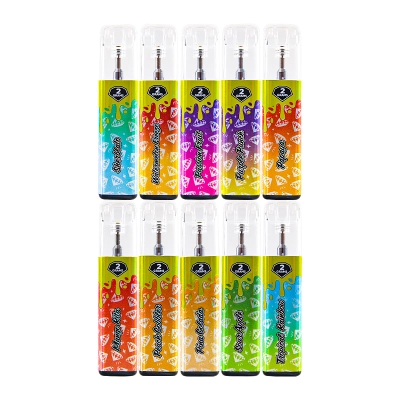
All-in-one disposables bundle tank, battery, and controls into a sealed device. Empty formats in the big chief disposable family typically offer:
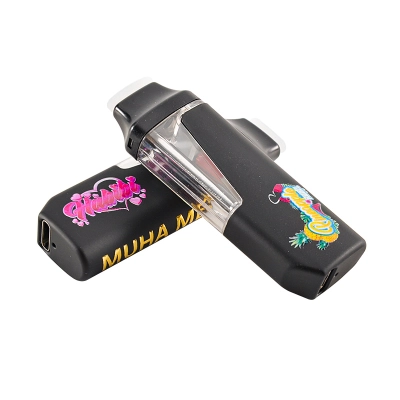
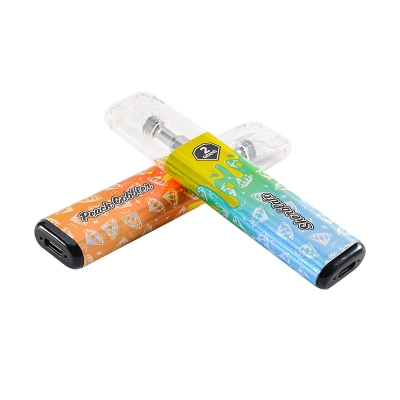
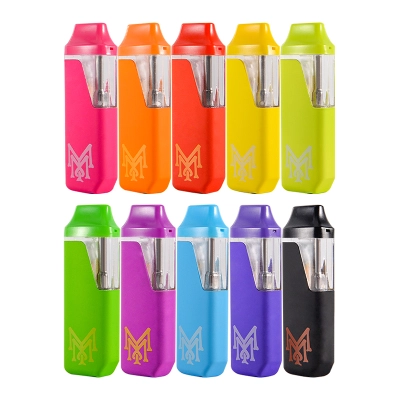
- Recognizable silhouette and mouthpiece similar to retail Big Chief disposables.
- Internal tanks sized as 1 g or 2 g equivalents.
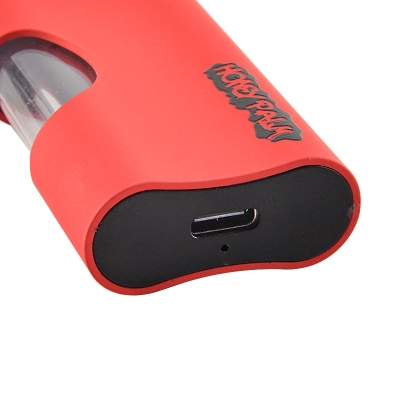
- Draw-activation and simple status LEDs; some SKUs add pre-heat or USB-C recharging.
- Coil builds matched to high-viscosity oils filled at 50–80 °C (depending on SOP).
Choosing between 1 g and 2 g hardware affects not only your retail positioning but also line speed, soak time, and total cost of ownership (TCO) in filling.
1 g vs 2 g Big Chief-style disposables
| Factor | 1 g (e.g. big chief 1g disposable) | 2 g (e.g. big chief 2g disposable) |
|---|---|---|
| User pattern | Entry users, flavor explorers, lower basket value | Heavy users, fewer replacements, bigger ticket |
| Battery requirement | Modest cell often sufficient, non-rechargeable possible | Higher-capacity cell; rechargeability strongly preferred |
| Post-fill soak time | ~12–18 h upright in many SOPs | ~18–24 h upright to let inlets fully saturate |
| Impact of small defects | Defect affects 1 g of oil | Same defect may waste 2 g and double the loss |
3) Why authenticity and lab testing matter for Big Chief vapes
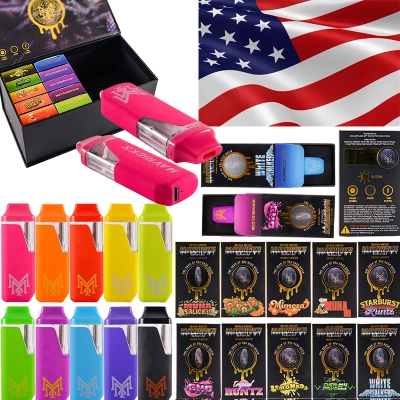
Big Chief is one of many cannabis brands whose popularity attracts counterfeiters. Look-alike packaging and shells are easy to buy online, and low-quality producers may fill them with untested oil, cutting agents, or residual contaminants. The result is a product that looks like a Big Chief vape but has no connection to licensed production or safety standards.
Public health investigations into the 2019–2020 EVALI (e-cigarette or vaping use–associated lung injury) crisis in the United States found that many affected patients had used THC vape products from informal or illicit sources. Analyses of bronchoalveolar-lavage fluid and product samples repeatedly identified vitamin E acetate as a key additive in those unregulated products, and authorities have warned strongly against sourcing vapes outside licensed channels.
- CDC — Outbreak of Lung Injury Associated with E-Cigarette or Vaping Products
- NEJM — Vitamin E Acetate in Bronchoalveolar-Lavage Fluid Associated with EVALI
- CDC MMWR — Update: Characteristics of EVALI Outbreak
- FDA — Lung Injuries Associated with Use of Vaping Products
These findings do not single out a specific brand such as Big Chief as the cause of EVALI. Instead, they underline a structural lesson for B2B buyers:
- Products from informal supply chains, with no verifiable COAs, pose outsized safety and liability risks.
- Authenticity and testing are safety topics, not just branding topics.
- Empty hardware should be paired only with oil that has full, batch-specific testing from accredited labs.
Lab anchor. Many regulators and buyers expect COAs from laboratories accredited to ISO/IEC 17025. Accreditation bodies and cannabis testing programs publish their scopes and signatories publicly, which lets you confirm that a lab is truly recognized.
- ILAC — MRA and signatories (lists accreditation bodies for ISO/IEC 17025).
- ANAB — Cannabis testing lab accreditation.
- IAS — Cannabis testing laboratory program.
4) Spotting counterfeit or unsafe “Big Chief” products
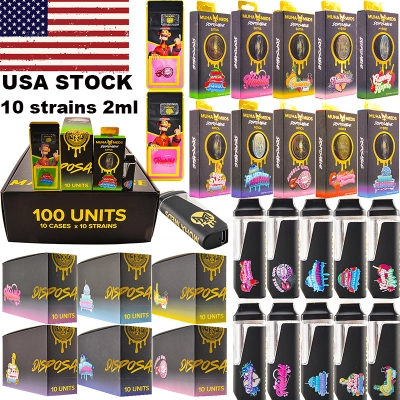
On the gray and black markets, counterfeiters copy Big Chief names, logos, and strain lists onto packaging and generic shells. Those products are usually filled in uncontrolled environments with no meaningful oversight. A few simple checks can dramatically lower the chance that your team accidentally buys or resells those items.
Red flags in documentation and sourcing
- No verifiable COA: PDFs that cannot be traced to a known lab or accreditation body, or batch numbers that do not match labels.
- Informal sourcing: products obtained via messaging apps, social media DMs, or marketplaces where no license verification exists.
- Too-cheap pricing: wholesale prices far below typical levels for branded product with real testing.
Red flags in packaging and hardware
- Inconsistent artwork: fuzzy printing, misaligned logos, off-brand colors or obvious spelling errors.
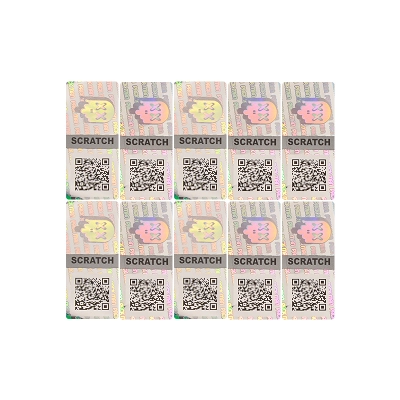
- No QR or broken verification links: QR codes that resolve to generic websites or dead pages.
- Unknown shell origin: no information about the cartridge or disposable manufacturer, and no battery/material documentation.
Several industry and medical sources provide practical guidance to help teams recognize counterfeit THC vapes and understand their risks:
- How to Spot a Counterfeit THC Vape Product (industry education)
- Harvard Health — New information on vaping-induced lung injury
Policy anchor. Many jurisdictions require that THC vapes sold under any brand name (including Big Chief) be purchased only from licensed distributors and retailers. Make sure your purchasing SOP explicitly reflects that requirement.
5) Where empty Big Chief-style hardware fits in your supply chain
For licensed producers, co-packers, and house brands, empty hardware is where most engineering and QC decisions actually live. You cannot control every detail of downstream retail, but you can decide which shells and batteries are allowed into your filling room.
Key checkpoints when evaluating Big Chief-style shells
- Battery and safety docs: UN 38.3 Test Summary for the cell/pack, and clear information about protections (OVP/OCP/OTP) at board level.
- Material policy: restricted-substance statements for metals and polymers, aligned with RoHS-style expectations.
- Dimensional tolerances: chimney height, port diameter, and mouthpiece latch fit stable enough for your capping fixtures.
- Leak-rate data: real soak tests on your oil type, not only water or PG-based lab tests.
- Capacity-specific guidance: different recommendations for 1 g vs 2 g, not a single SOP thrown at all formats.
Pages like big chief 2g disposable and big chief 1g disposable are helpful internal anchors when you plan pilot runs, because they let you tie QC notes and photos back to specific shell SKUs.
Electrical anchors. For integrated batteries shipped as part of finished devices, many logistics teams reference UN 38.3 (transport tests) alongside electrical safety standards such as UL 8139 and IEC 62133-2 when building their compliance files.
6) FAQ: Big Chief vapes for new B2B buyers
Is “Big Chief” a hardware spec or a brand?
Primarily, it is a brand. However, in practice many buyers and consumers use “Big Chief” as shorthand for a family of carts and disposables with a certain look and capacity. When you say big chief vape in internal documents, be explicit whether you mean the branded, prefilled product or a Big Chief-style empty shell.
Can I simply copy Big Chief artwork onto my own hardware?
Doing so without authorization would typically create trademark and regulatory problems, especially if your products move across borders. A safer pattern is to use Big Chief-style form factors while building your own brand identity on compliant hardware and tested oil.
Do authenticity and COAs really matter if my customers “just want the logo”?
Yes. The EVALI experience showed that unregulated, untested products can cause serious harm, and enforcement attention tends to fall on whoever is visible in the supply chain. COAs from accredited labs, authentic packaging, and a clean sourcing story are part of basic risk management, not a luxury.
Where can I learn more specifically about disposable shells?
For a deep dive into formats, capacities, and QC on shells only, you can review our dedicated Big Chief disposable guide, which focuses on 1 g vs 2 g hardware, leak-rate testing and pilot-batch SOPs.
7) Bottom line & next steps
When someone asks for a “Big Chief vape,” they might be talking about a licensed branded product, a familiar hardware shape, or a risky knock-off. Your job as a B2B buyer is to keep those categories separate, insist on real testing and documentation, and choose empty shells that support your oil and your compliance story.
Practically, that means:
- Use big chief vape and big chief disposable pages as your internal hubs for this format family.
- Plan pilots separately for big chief 1g disposable and big chief 2g disposable, because leak-rate, soak time and TCO signals differ by capacity.
- Anchor your team’s understanding of shells, capacities and QC in the Big Chief disposable guide so new staff have a single reference.
Disclaimer: Empty hardware only. No THC/CBD/nicotine. This article is an educational overview for licensed businesses and does not endorse or promote the use of controlled substances. Always comply with local laws, age-gating rules, and testing requirements.
3 Comments
Looks great. Thanks for sharing!
Nice post! Really helpful.
Everything looks clean and high-quality. Can’t wait to try it!