

Adults 21+ • Empty hardware • Information only. This guide explains what makes a big chief disposable different, how the common varieties compare, and how to verify authenticity and safety with official standards.
Scope: No medical or efficacy claims. Terminology is presented for education; labeling rules vary by jurisdiction.
What “Big Chief” means in disposables
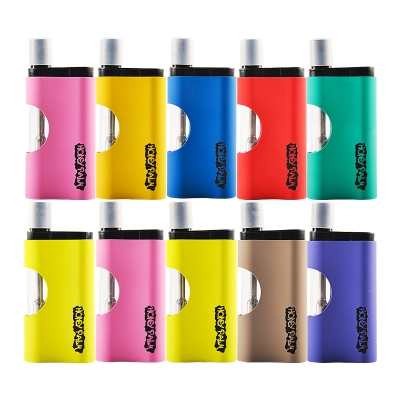
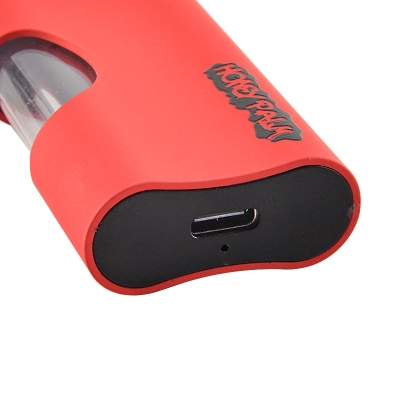
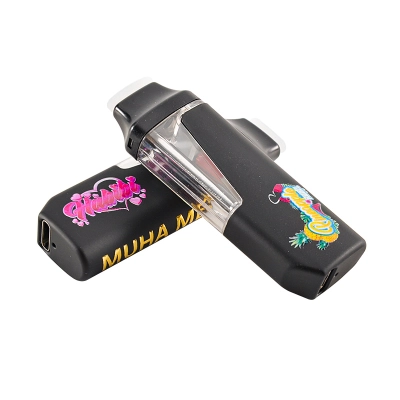
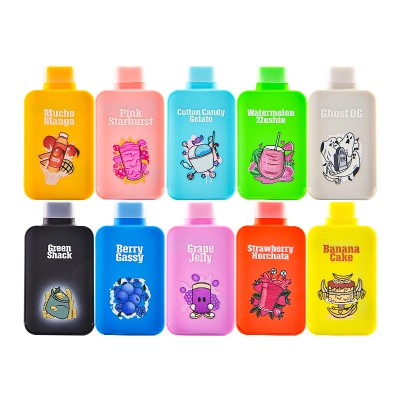
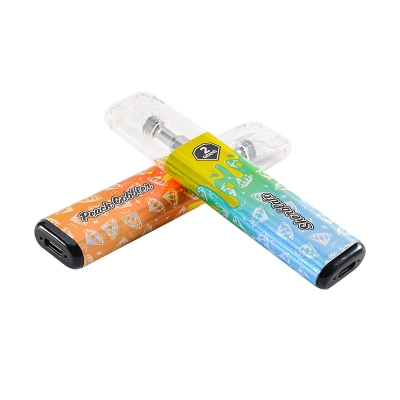
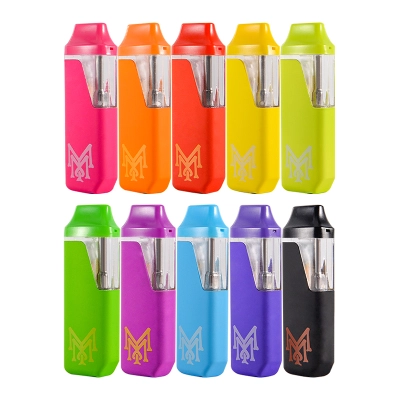
In the market, “Big Chief” is used as a style family for compact all-in-one (AIO) disposables with simple controls, ceramic coils and a rectangular or rounded chassis. On VapeHiTech you’ll encounter variants that keep the same general ergonomics but differ in capacity, chamber layout, and diagnostics (screens).
Tip: when comparing any hardware, rely on objective traits (inlet geometry, coil type, power behavior) rather than colorways or packaging alone.
Varieties (1G/2G, dual-chamber, screen vs no-screen)
1G vs 2G
1-gram shells are pocket-friendly and suit flavor-first batches; 2-gram shells trade size for endurance. Either can use ceramic coils; battery size depends on chassis.
Dual-chamber (Duo)
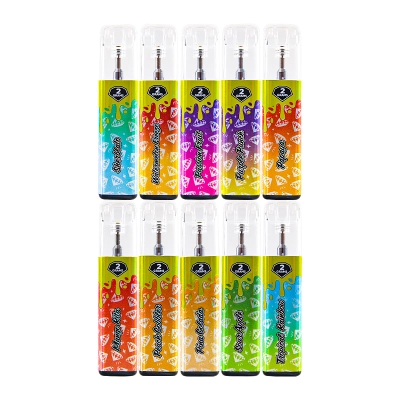
Two chambers in one body let you flip between flavors or profiles. See the representative model Big Chief Duo 2G disposable.
Screen vs no-screen
Screens add diagnostics (power, pre-heat, battery) which helps with consistent first-puff behavior. Explore our category of disposables with screens.
Oil terminology
“Whole-melt” style extracts and other terminology can affect expected viscosity at room temperature. For a primer, see our whole melt extract primer.
Feature checklist that actually matters
| Feature | What to look for | Why it matters |
|---|---|---|
| Inlet geometry & wicking | Uniform inlet size/placement and wick matched to viscosity | Improves feed reliability and reduces clog-clear cycles. |
| Coil & thermal behavior | Ceramic with gentle pre-heat (2–4 s) and stable power curve | Helps maintain flavor clarity and consistent first-puff. |
| Diagnostics | Screen readouts for power/battery or consistent LED signaling | Better reproducibility across temperatures and sessions. |
| Battery & transport | UN 38.3 Test Summary available for the cell/pack | Required for air transport of lithium batteries. |
| Materials policy | Supplier alignment with RoHS-style restricted substances | Supports safer electronics and market access. |
Authenticity & compliance: a verifiable path
To keep ToFu educational and vendor-neutral, the following steps point you to official sources you can check today. For a step-by-step COA reading workflow and consistency checks, use our COA reading & testing checklist (methodology applies across brands).
- Confirm lab competence. If a batch COA is provided, verify the lab is accredited to ISO/IEC 17025 and listed under an ILAC MRA signatory.
- Check device safety context. For e-cig/e-vape electrical systems, see UL 8139 guidance.
- Battery transport readiness. Air/parcel shipments require a UN 38.3 Test Summary for the lithium cell/pack.
- Materials compliance. Compare the supplier’s policy with the EU RoHS Directive restricted substances list.
- Packaging robustness. For e-commerce distribution, ask for parcel testing aligned with ISTA 3A (vibration/drop).
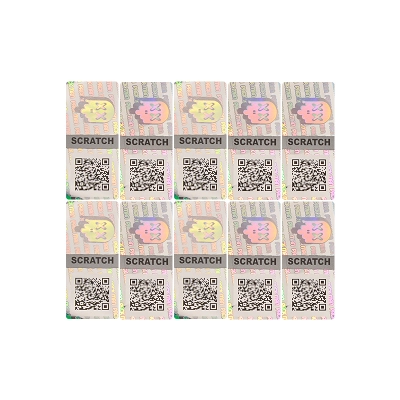
- Red-flag review. Mismatched fonts, off-register printing, missing battery/transport info, or vendors unwilling to share basic compliance documents are common warning signs.
These steps don’t replace local laws. Always follow your jurisdiction’s labeling and age-gating rules.
Quick FAQ
Is a screen necessary?
No, but screens help you apply the same pre-heat/power behavior every time, which improves consistency—especially with thicker profiles.
What’s the advantage of dual-chamber?
Flexibility—two flavors or two profiles in one chassis. The switch mechanism should feel crisp, and inlets must be balanced for both chambers.
How do I compare a 1G vs 2G shell?
Think usage length vs portability. 2G supports longer sessions; 1G is lighter and pocket-friendly. Coil/inlet quality matters more than capacity alone.
References (Authoritative, Non-affiliated)
- ILAC MRA — accreditation signatories directory
- ISO/IEC 17025 — competence of testing laboratories
- UL 8139 — e-cig/e-vape electrical & battery safety context
- PHMSA — UN 38.3 Test Summary requirement
- EU Commission — RoHS Directive
- ISTA — Test Procedures (incl. 3A)
Education only. Adults 21+. Empty hardware; no medical or efficacy claims.






3 Comments
Loved the perspective here — practical and easy to follow.
Información muy útil, especialmente para quienes estamos empezando.
Très clair et intéressant, j’adore votre style d’écriture.