
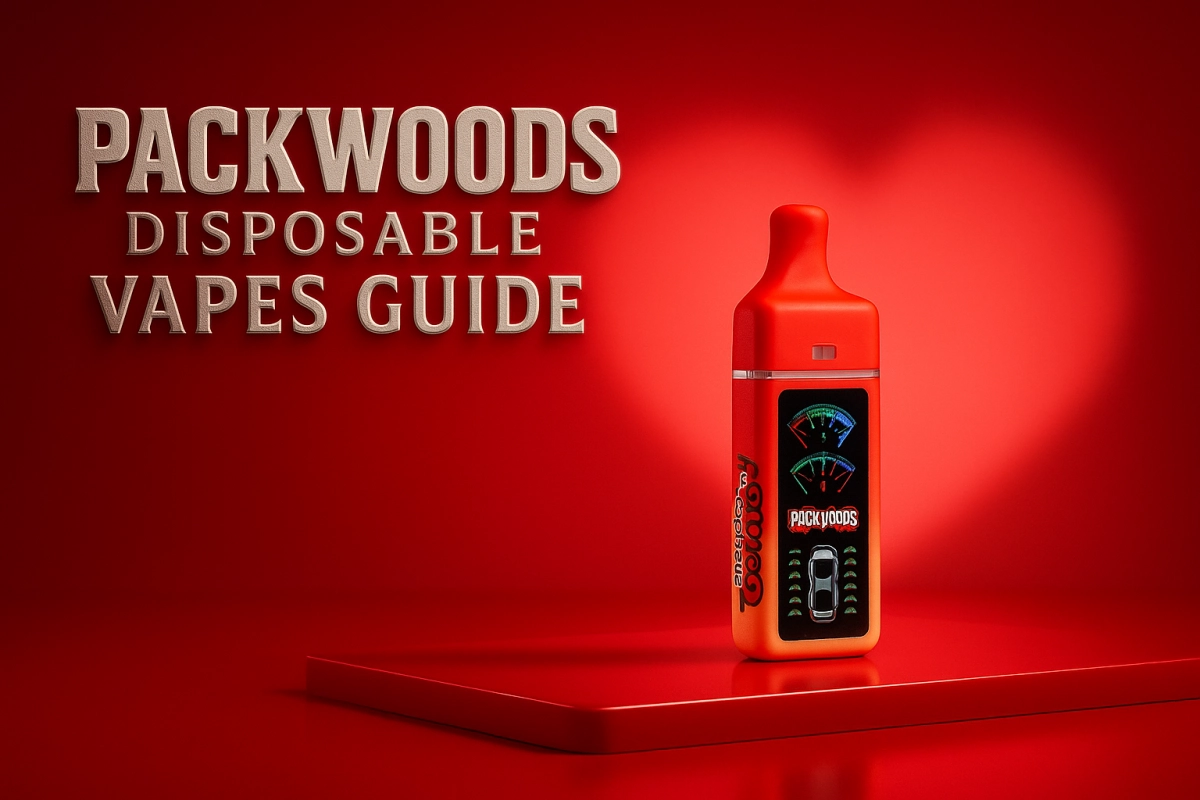
Adults 21+ • Empty hardware • Information only. This guide explains what to expect from a packwoods disposable, the common options (1G/2G, dual-chamber, screen vs no-screen), and how to verify authenticity and safety with official standards.
Scope: No medical/efficacy claims. Specifications and terminology are educational; labeling rules vary by jurisdiction.
What defines a Packwoods-style disposable
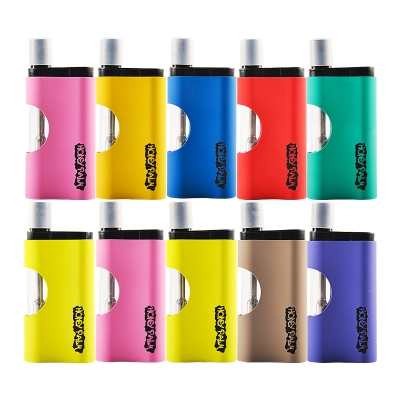
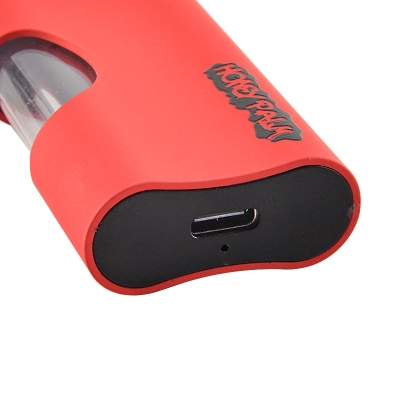
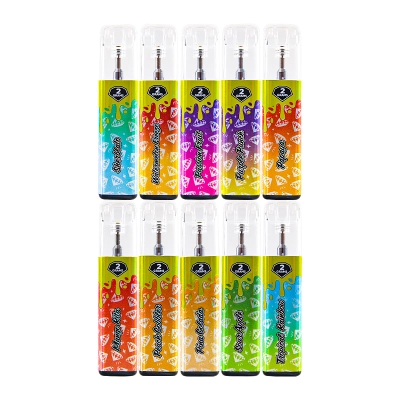
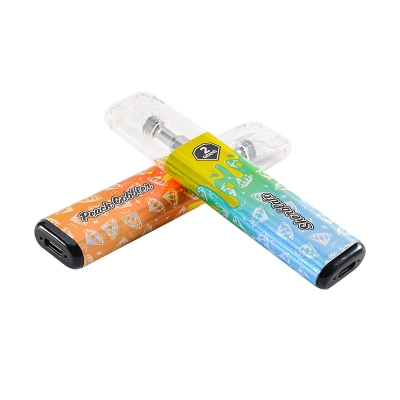
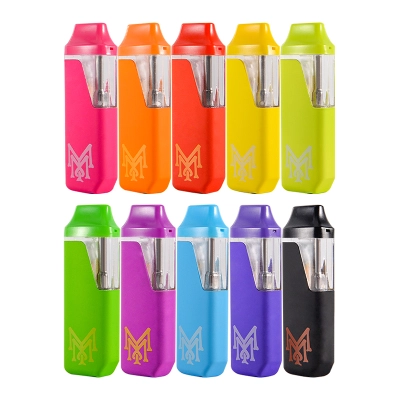
In practice this refers to compact all-in-one (AIO) hardware with ceramic coils, a pocketable chassis, and a factory-paired battery–coil system designed for out-of-box consistency. Compared with threaded cartridges, AIO disposables remove the battery-matching variable and simplify the user workflow.
Options & configurations (1G/2G, Duo, screens)
1G vs 2G capacity
1-gram shells emphasize portability; 2-gram shells trade size for session length. Both can use ceramic coils; battery capacity scales with chassis volume.
Dual-chamber (Duo)
Two chambers in one body let you flip between flavors/profiles. Enclosure design must keep inlet geometry balanced so both sides feed reliably.
Screens vs no-screen
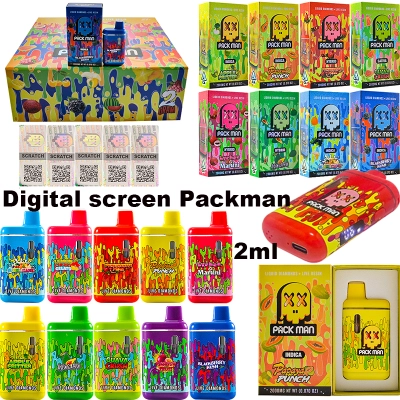
Screens enable diagnostics (battery level, puff counter, pre-heat/power behavior). If you prefer a simpler look, clear LED signaling still helps—but screens make consistency easier. Explore disposables with screens.
Oil terminology
Oil style (e.g., “whole-melt” style extracts) affects viscosity and routine. For a quick primer on how this impacts wicking and pre-heat, see our whole melt extract primer.
User experience: what actually affects consistency
Inlet geometry & wicking
Uniform inlet size/placement and wick density matched to viscosity reduce dry hits and clog-clears. For thicker profiles, a short, gentle pre-heat (2–4 s) improves first-puff behavior.
Power behavior & diagnostics
Stable output and visible diagnostics (screen or predictable LEDs) make it easier to repeat the same routine across temperatures, which translates to more consistent flavor and vapor.
Storage & handling
Let devices rest upright at room temperature (20–24 °C) before first use; avoid hot cars or freezing conditions. Basic handling lowers variance more than any single spec line.
Simple, replicable evaluation
Without lab gear you can still be systematic: mimic the puff profile concept from ISO 20768:2018 by timing 3-second puffs with ~30-second intervals for both devices, note first-puff delays, and track clog-clear events over ~50 puffs. The goal is repeatability, not a medical outcome.
How to verify authenticity & compliance
Ask for documentation you can validate against official sources. Our step-by-step reading workflow and consistency checks are summarized here: COA reading & testing checklist.
- Lab competence for any COA: confirm the lab is accredited to ISO/IEC 17025 and listed under an ILAC MRA signatory.
- Device electrical/battery safety context: refer to UL 8139.
- Lithium battery transport readiness: request the UN 38.3 Test Summary for the cell/pack used.
- Materials policy: compare supplier declarations with the EU RoHS Directive restricted substances list.
- Packaging robustness for e-commerce: ask for parcel testing aligned with ISTA 3A (vibration/drop).
Always capture lot/batch ID, sample date, lab sample ID, signatures, and accreditation scope on any COA. Decline documents missing these fields.
FAQ
Is a screen necessary?
No, but screens make behavior visible (battery, pre-heat, power), which helps repeat the same routine and generally improves first-puff consistency.
1G or 2G—how do I pick?
Choose 1G for portability and lighter carry; pick 2G if longer sessions matter more than size. Inlet/wick quality and power behavior matter more than capacity alone.
What’s the biggest advantage of AIO vs cartridges?
AIO disposables remove the battery-matching variable, which is a frequent source of inconsistency with threaded carts.
References (Authoritative, Non-affiliated)
- ILAC MRA — accreditation signatories directory
- ISO/IEC 17025 — competence of testing laboratories
- UL 8139 — e-cig/e-vape electrical & battery safety context
- PHMSA — UN 38.3 Test Summary requirement
- EU Commission — RoHS Directive
- ISTA — Test Procedures (incl. 3A)
- ISO 20768:2018 — vaping machine routine analytical conditions (conceptual puff profile)
Education only. Adults 21+. Empty hardware; no medical or efficacy claims.




3 Comments
Muy bueno 👏 gracias por compartirlo!
Nice read! Always learn something new here 👌
Love this kind of content ❤️ clear and super useful!