
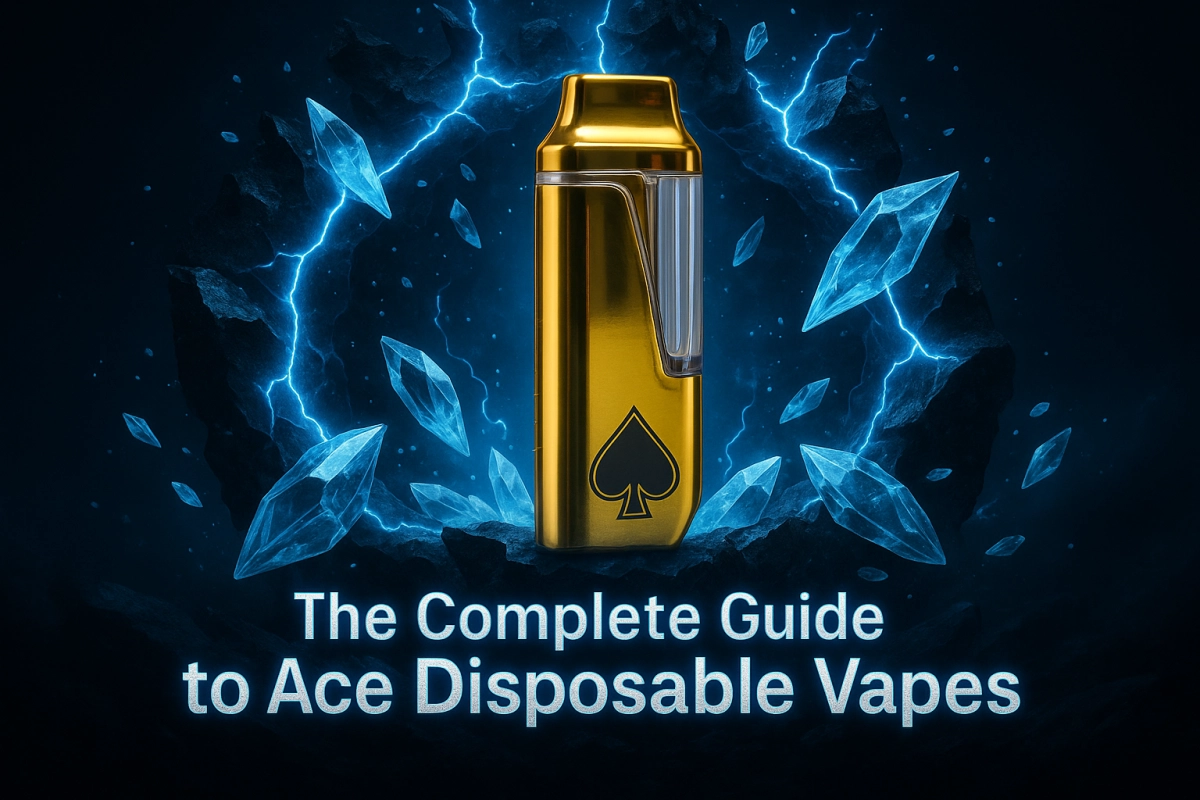
Ace Disposable · MoFu · Empty Hardware Only
Scope. This guide is written for 21+ readers and licensed B2B buyers who want a hardware-first view of how ace disposable and “ace dispo” formats are typically used in 2025. We focus on shell- and packaging-level considerations, how Ace-style 1 g and 2 g devices fit into a broader product line, and how to build safer sourcing and QC routines for empty hardware only. Vapehitech is not affiliated with any Ace Ultra brand and does not sell or fill THC, CBD, nicotine, or any consumable oils.
At Vapehitech, Ace-style hardware is organized so procurement and QC teams can keep device and lot-level decisions clean. For an inventory overview, start with the ace dispo hub. If you are planning larger, multi-warehouse runs, use the brand-level ace ultra premium bulk catalogue, then refine by capacity through dedicated 2g aces and ace 1g pages. For teams building structured authenticity checks and red-flag lists, the Ace Ultra authenticity guide offers a deeper dive into shell-level verification and documentation controls.
1) What an Ace disposable really is in 2025
When people talk about “Ace Ultra” or “ace disposable,” they usually mean finished, THC-containing products sold under an Ace-branded label. On a shelf, what you see is a combination of three layers: the brand and trademarks, the hardware shell, and the oil plus lab results behind it.
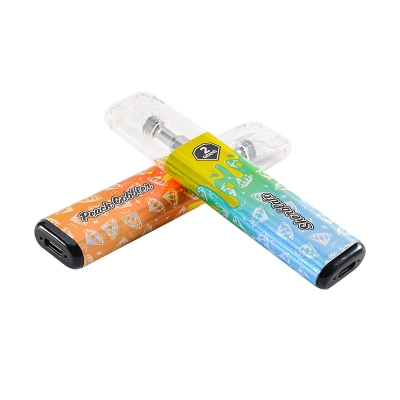
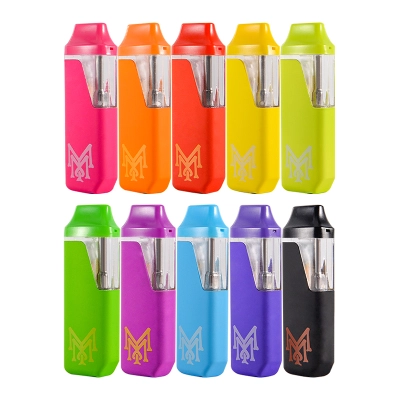
From a B2B hardware perspective, an Ace disposable is simply a sealed, all-in-one (AIO) device with:
- a fixed coil and wick assembly sized for viscous oils,
- a 1 g or 2 g reservoir (roughly 1–2 ml),
- an internal rechargeable battery with basic protection circuitry, and
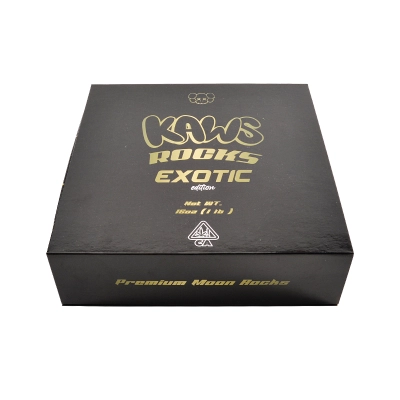
- outer packaging that can carry warnings, batch identifiers, and any brand- or regulator-required marks.
In this guide, we treat the ace disposable as a hardware format only. That means:
- no assumptions about any particular oil or brand story, and
- a focus on how empty Ace-style shells can be qualified, filled, and shipped by licensed partners who own the licences, oil recipes, and finished-product compliance.
Bottom line. An Ace device is a shell. How safe and compliant the finished product becomes depends entirely on who fills it, what they fill it with, and which rules they follow.
2) Why B2B buyers still care about ace disposables
Public-health agencies have made it clear that vaping is not risk-free, and that many severe lung-injury cases were linked to illicit or counterfeit THC vapes rather than regulated products. At the same time, the legal and quasi-legal vaporizer market keeps expanding. Recent market analyses estimate that cannabis vaporizer sales already sit in the mid single-digit billions of U.S. dollars annually and are forecast to grow at a double-digit compound annual rate through the early 2030s. Portable devices, including 1 g and 2 g all-in-one pens, are among the fastest-growing segments.
For B2B buyers, this creates a familiar tension:
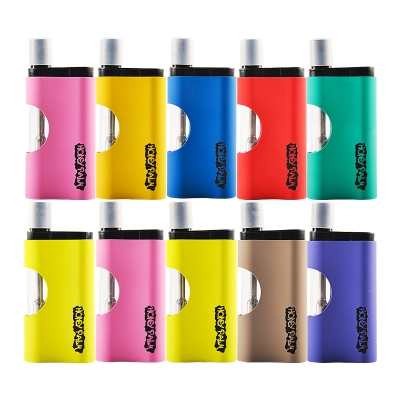
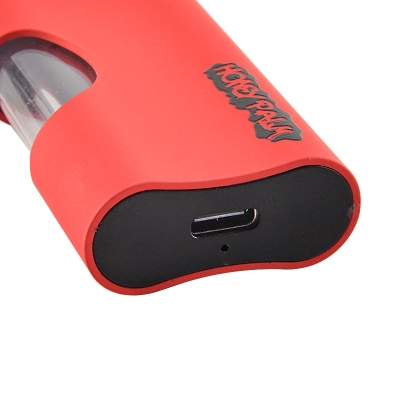
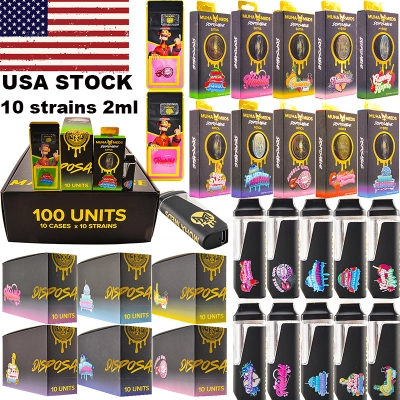
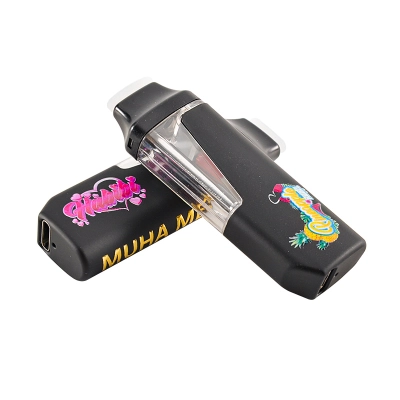
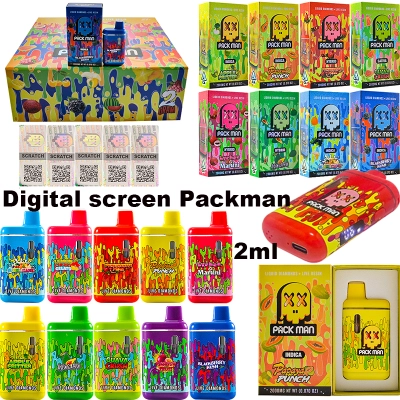
- Demand is strong. Consumers recognize the Ace silhouette and expect 1 g and 2 g “ace dispo” options on menus that already carry similar Muha-, Packman-, or other branded formats.
- Scrutiny is higher than ever. Public-health investigations and consumer-safety campaigns have highlighted unsafe, unregulated Ace-labeled products in the wild, especially where there is no clear licence holder or test data behind the brand name.
The result is that serious operators do not stop using Ace-style hardware altogether; instead, they treat it like any other device family that must earn its place in the portfolio through documented testing, transparent sourcing, and strong QC.
3) Mapping the Ace disposable product line: minis, 1 g, 2 g
On Vapehitech, Ace shells are organized the way procurement teams actually think about them: by capacity, edition, and warehouse, not by hype strain names. At a high level, the Ace landscape breaks down into three buckets.
3.1 Minis and special editions
Mini-format Ace devices and special editions are often used for:
- sampler packs and multi-flavor kits,
- event-driven runs (for example holiday or city editions), and
- price-sensitive channels where smaller fills reduce unit price at the expense of capacity.
From a hardware standpoint, minis are still full AIO devices; the main difference is tank volume and battery size. They are useful as a proving ground for new SKUs before committing to larger Ace runs.
3.2 1 g Ace: controlled exposure and pilot-friendly capacity
The 1 g format remains a workhorse for cautious or data-driven teams. The ace 1g line is typically chosen when:
- you are piloting new terpene blends or minor-cannabinoid profiles and want tighter control over material exposure per unit,
- you operate in markets or medical channels that prefer smaller formats for first-time or low-tolerance patients, or
- you run A/B tests on devices and packaging and want more data points per kilogram of oil.
Because coil geometry, airflow, and ergonomics are broadly similar across Ace capacities, it is usually realistic to move a successful 1 g formulation into 2 g shells later, provided your licensed filler runs fresh stability, performance, and shelf-life validation on the new configuration.
3.3 2 g aces: the mainstream Ace format
In many adult-use markets, 2 g has become the default disposable size. Larger tanks reduce packaging waste per gram, simplify menu planning, and match where price-per-mg expectations have landed in mature markets. The 2g aces range addresses that demand with:
- tanks sized for 2 g fills with wider inlet channels to handle thicker oils under licensed filling conditions,
- rechargeable batteries designed to comfortably empty a full 2 g load without over-discharge under normal use, and
- outer shells and cartons that can accommodate regional warning and labeling layouts.
Operationally, 2 g Ace shells are best suited to SKUs that already have stable demand and proven oil formulations. They are less ideal for early experiments where you expect to rework recipes or packaging several times.
3.4 Brand-level aggregation: ace ultra premium bulk
Above the capacity-level pages, Vapehitech maintains a brand-level aggregation for teams that want to see the full Ace family at a glance. The ace ultra premium bulk page pulls together minis, 1 g, 2 g, and collab shells so buyers can group POs by edition, region, and master-case logic rather than chasing individual SKUs in isolation.
4) How B2B teams actually use Ace disposable hardware
For consumers, “usage” means how to inhale from a pen. For hardware buyers, usage is about how an Ace shell behaves inside your real supply chain:
- Does the device survive transport and storage without leaks or dead batteries?
- Can your fillers run it on existing filling lines and capping tools without manual rework?
- Can your compliance and packaging teams fit all required warnings and identifiers on the available panels?
4.1 Typical MoFu questions around ace disposable formats
By the time a buyer is reading a MoFu guide about ace dispo hardware, they usually know what Ace looks like and roughly what it costs. Their questions sound more like this:
- “Should we standardize on 2 g to simplify inventory, or keep both 1 g and 2 g for different segments?”
- “How do we integrate Ace shells into our AQL plan for leaks, DOA units, and cosmetic defects?”
- “Can we run Ace alongside other families (Packman, Muha-style, white-label AIOs) without confusing operations?”
- “What documentation and test reports do we need from vendors to offset ghost-brand risk?”
The answers vary by jurisdiction and risk appetite, but the overall pattern is clear: mature teams treat Ace as one of several standardized device families that must meet defined engineering, QC, and compliance thresholds.
4.2 Inventory and warehousing logic
The ace dispo hub and brand-level catalogues exist to simplify that logic. Instead of treating every Ace shell as a unique snowflake, you can group them into:
- device families (for example all 2 g Ace shells that share the same internals),
- warehouse groupings (USA, EU, UK stock), and
- program tiers (flagship lines, samplers, discount or legacy SKUs).
This makes it easier to apply AQL tables, capacity planning, and regulatory tracking across the whole Ace cluster rather than box by box.
5) Safety, ghost-brand risks, and what public data tells us
Any honest conversation about Ace must acknowledge the public record. Consumer-safety investigations and lab testing have repeatedly raised concerns about finished products sold under the “Ace Ultra” and “Ace Ultra Premium” names, including reports of dangerous cutting agents and unclear licensing behind certain retail SKUs.
Public-health work on vaping-related lung injury has drawn similar lessons more broadly: the highest risk tends to sit in illicit or counterfeit THC vapes obtained from informal sources, rather than in components purchased through transparent B2B channels and filled by licensed operators. During the 2019 EVALI outbreak, for example, U.S. Centers for Disease Control and Prevention (CDC) investigators found vitamin E acetate in many bronchoalveolar-lavage samples from patients, and linked the outbreak primarily to unregulated THC cartridges rather than nicotine vaping products.
For brands working with Ace-style shells, this translates into a few practical rules:
- Hardware is not a guarantee of legitimacy. A familiar Ace silhouette does not prove that whoever put oil inside the device is licensed, compliant, or careful.
- Empty hardware is not risk-free. Poorly built shells can still leak, overheat, or fail under stress, even if the oil is well-made. Shell quality and testing matter.
- Supply-chain transparency is non-negotiable. You should know exactly who manufactured your shells, who filled them, and which accredited labs tested the finished products.
Vapehitech’s Ace Ultra authenticity guide was created to help procurement and QC teams build structured checklists around these points, rather than relying on gut feeling or artwork alone.
6) Compliance and QC building blocks for Ace-style shells
Regulators and public-health agencies treat packaging, labeling, and device safety as central to consumer protection. While the exact rules differ across regions, a few themes recur in cannabis and vape regulations from California to Colorado, New York, Canada, and beyond.
6.1 Packaging and labeling expectations
In regulated cannabis markets, packaging rules commonly require:
- child-resistant, tamper-evident packaging for inhalable products,
- clear age-restriction and health warnings,
- THC/CBD content declarations per serving and per package, where applicable, and
- manufacturer or licence-holder details that can be traced back to a real business.
Even when you only handle empty Ace shells, you should design your packaging plans with those rules in mind so your licensed fillers and brand partners can apply their own local label templates cleanly on top of the hardware.
6.2 Hardware testing and AQL
From a QC standpoint, Ace shells should sit inside the same framework you apply to other disposables:
- Define acceptance criteria for leaks, DOA units, cosmetic defects, and electrical failures across both 1 g and 2 g lines.
- Use pilot lots to confirm compatibility with your oils, especially for thicker formulations, before committing to full-scale POs.
- Sample at the master-case and inner-tray level so you catch issues that only show up under real transport and storage conditions.
Most teams adapt attribute-sampling plans (for example ISO-style AQL tables) to decide how many units to inspect per lot and where to set reject thresholds. Ace does not need a separate methodology; it just needs to be represented fairly in your existing framework.
7) Where empty Ace hardware fits into your risk boundary
As a B2B hardware partner, Vapehitech focuses on empty Ace-style hardware only. That separation matters when you map your risk boundary:
- We ship shells and boxes, not oil. Licensed fillers and brand owners remain responsible for oil formulation, potency, lab testing, and finished-product compliance.
- The Ace name is used in our materials strictly to describe compatible shell families and packaging formats, not to imply brand affiliation or endorsement.
- Your internal SOPs should treat Ace like any other device family that must pass documented engineering, safety, and compliance checks before it becomes part of your live menu.
Handled this way, Ace becomes one building block in a diversified, defensible hardware strategy rather than a single point of failure. You can scale or taper the Ace footprint as laws and consumer sentiment evolve, without having to redesign your entire device ecosystem.
Nothing in this guide replaces legal advice. Each jurisdiction has its own rules around cannabis branding, device design, packaging, and THC products. Always confirm your plans with qualified counsel and local regulators before launching or importing Ace-based SKUs.
8) FAQ & next steps
Does choosing Ace-style hardware make our products safe by default?
No. A familiar ace disposable silhouette is not a safety guarantee. Device quality, oil formulation, lab testing, packaging, and sales channels all have to be aligned with current evidence and regulation. Think of Ace as one part of a system, not a shortcut.
Should we drop Ace completely because of ghost-brand concerns?
That is a strategic decision. Some operators avoid Ace altogether to simplify messaging. Others continue to use Ace shells but rely on their own licences, oil recipes, lab work, and authenticity processes. Either way, you should make the decision consciously and document your reasoning.
Is it ever a good idea to refill retail Ace disposables?
From a safety and compliance standpoint, refilling random retail pens is almost always a bad idea. You are mixing unknown electronics with unknown oil, usually outside a licensed facility, with no way to document defects or recalls. Structured programs work with new, empty shells and licensed filling partners instead.
How can we put this guide into practice inside our company?
Turn it into a short internal SOP. Define how Ace shells enter your vendor-qualification process, how they are tested in pilots, how they are sampled on each incoming lot, and how they are labeled alongside other device families. Pair that SOP with your existing sourcing, AQL, and regulatory frameworks so that ace dispo shells have to earn their place in your lineup just like everything else.
Disclaimer: This article is for B2B hardware and packaging education only. It does not provide medical or legal advice, does not endorse any specific oil formulation, and does not promote the use of controlled substances. Always consult local regulations and qualified counsel when designing your products and compliance strategy.
::contentReference[oaicite:0]{index=0}
3 Comments
Good read, I agree with your points.
Really helpful, bookmarked for later.
Great advice, thanks!