
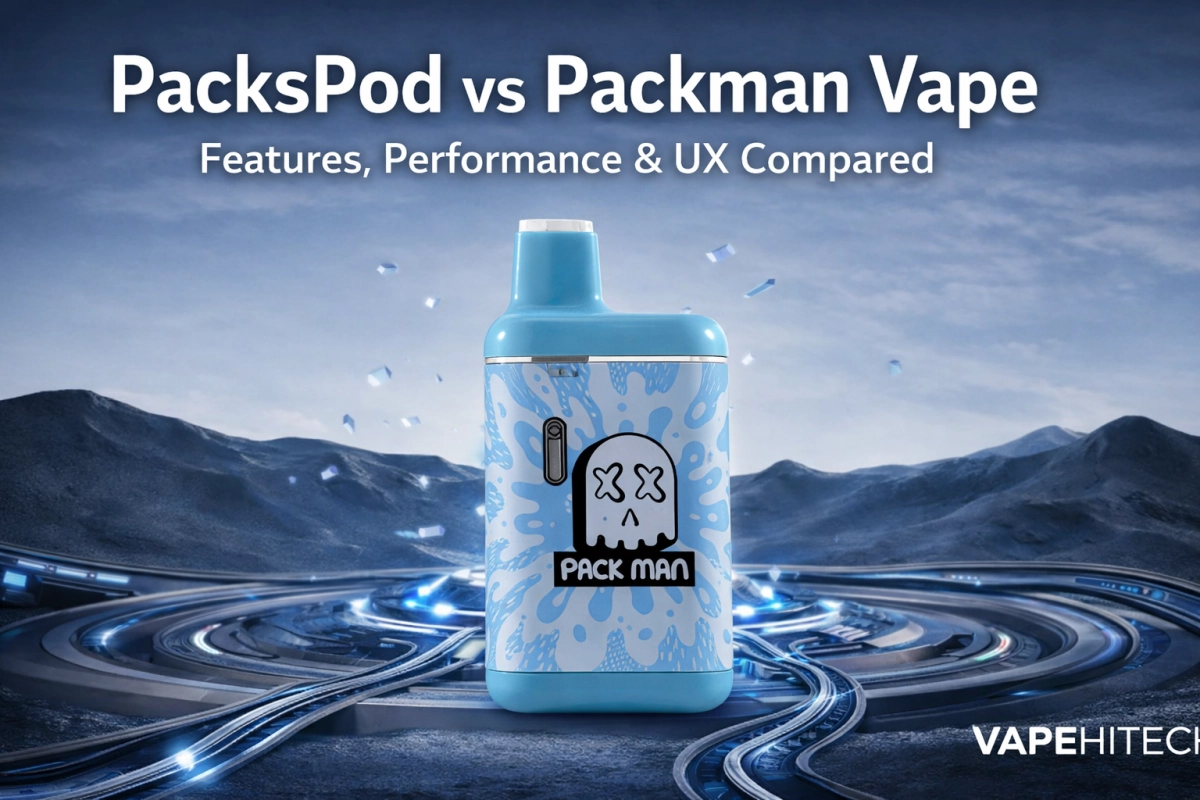
Scope: This page is empty only. We compare the device format, feature set, build-quality signals, and compatibility language that buyers can verify at receiving. We do not discuss contents, potency, medical effects, or any filling workflows. Brand names are used for identification only; this page is not affiliated with any brand owner.
Internal routing (packspod + packman vape hubs)
A clean MoFu comparison is easiest when you route readers through a stable “family hub” first, then a single SKU page for verification. That keeps naming consistent and reduces “same name, different run” confusion.
MoFu routing rule
Use the category hub for intent (“show me the family”), then a SKU page for verification (“this exact build”).
- packspod — PacksPod/Packspod family hub
- packman vape — Packman Vape family hub (pillar)
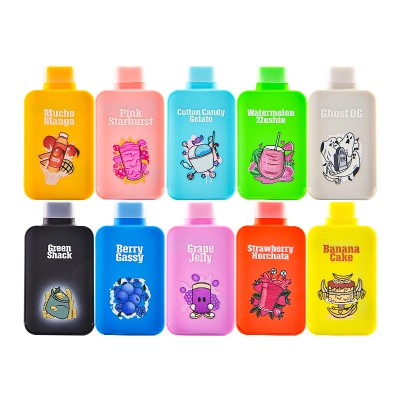
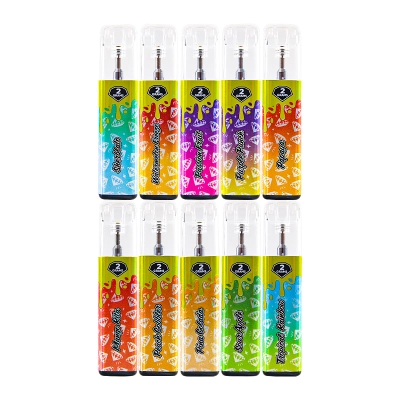
- Packspod Live Resin 2ml — Packspod SKU reference
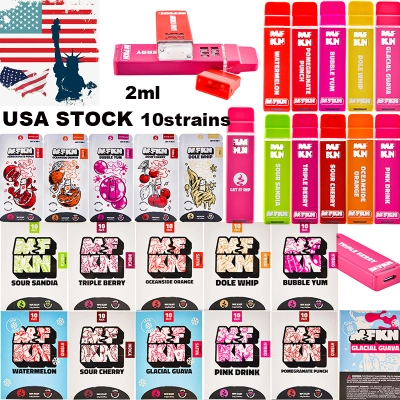
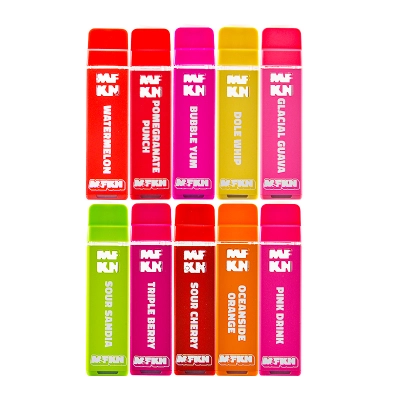
- Packman & NFL 2G disposable — Packman SKU reference
- 510 threading — terminology + compatibility baseline
What buyers mean by PacksPod vs Packman Vape
In wholesale catalogs, these names often function as product-family shorthand, not a single universal specification. The practical buyer question is: what exact empty device format is being requested (form factor, feature stack, interface expectations), and what can you verify to avoid “looks similar” substitutions.
How to read the names (buyer-safe)
- Family label: A navigation bucket used to group similar form factors and feature stacks.
- SKU label: A specific build that must be verified by documentation + receiving checks.
- Feature claims: Treat as “needs substantiation” unless your supplier can document it (BOM, materials, revision history, lot traceability).
Don’t compare marketing adjectives — compare interfaces and controls
Your lowest-risk comparison focuses on what is verifiable: enclosure geometry, indicator/UI behavior, switch logic, seals, and interface fit.
Quick comparison: who each format fits best
| Category | PacksPod / Packspod (family) | Packman Vape (family) | Buyer takeaway |
|---|---|---|---|
| What buyers usually want | Simple selection + consistent “everyday” operation signals | More visible feature differentiation (e.g., screens/switches in many runs) | Choose based on how much UI control your customers expect |
| Risk profile | Lower spec variance if you lock one build; higher risk if “family name” hides revisions | Feature-rich runs can raise variance across suppliers and production batches | Require revision labels and change control either way |
| Receiving focus | Seal discipline + indicator consistency + enclosure alignment | UI behavior + fit repeatability + interface language (“compatible with what?”) | Write checks that match your return reasons |
| Best fit when you need | Stable daily-driver listings with fewer support tickets | Clear upsell tiers (screen/switch variants) with documented differences | MoFu conversion comes from clarity, not hype |
Note: The “best” choice depends on the exact SKU build. Treat this as a buyer framework, then validate the SKU you plan to list.
Feature breakdown buyers should actually verify
A MoFu comparison should prioritize features that change real outcomes: fewer returns, fewer compatibility disputes, and more consistent customer expectations. Below are feature categories you can verify without making content-related claims.
1) Indicator/UI behavior (what customers experience first)
- Display/readout clarity: easy to interpret at a glance, stable behavior across samples.
- Control logic: consistent activation and any mode changes (if present) behave predictably.
- Indicator drift: watch for run-to-run changes that create “this isn’t the same” complaints.
2) Enclosure build and alignment (proxy for assembly control)
- Parting lines and flash: excess flash can correlate with poor fit and inconsistent compression at joints.
- Mouthpiece alignment: misalignment is often a visible signal of deeper assembly drift.
- Button/switch seating (if present): wobble, inconsistent travel, or uneven placement increases return risk.
3) Seal discipline at joints (where returns are born)
- Interface cleanliness: clean mating surfaces reduce micro-gaps.
- Compression consistency: repeatable compression beats “one tight, one loose” lots.
- Orientation tolerance: stable joints stay consistent under normal handling (no “only works one way” issues).
Buyer-safe claim rule
If your team can’t verify it at receiving (dimensions, alignment, labels, traceability, UI behavior), don’t promise it as a performance advantage.
Performance (empty-only): repeatability checks
In an empty only comparison, “performance” should mean repeatability: consistent behavior across samples and stable specs across lots. Here are practical checks a receiving team can standardize.
Check A: Sample-to-sample draw consistency
- Pass signal: draw feel clusters tightly across a small sample (no extreme outliers).
- Common root causes: airflow-path misalignment, inconsistent press fits, internal geometry drift.
- Action: if variance clusters, quarantine the lot and request run-level change notes.
Check B: UI/indicator consistency under the same routine
- Pass signal: indicators behave the same way across units (same activation cues, same mode transitions where applicable).
- Failure pattern: “sometimes it shows / sometimes it doesn’t” usually signals assembly or component variance.
- Action: require a revision label when UI logic changes.
Check C: Joint stability after normal handling
- Pass signal: joints remain stable and consistent after gentle handling and orientation changes.
- Failure pattern: visible gaps, looseness developing, or inconsistent seating points.
- Action: tighten your acceptance criteria and document what triggers rejection.
MoFu testing note
Standardize your internal “quick tests” (same steps, same scoring rubric). Consistency of method is what makes results meaningful.
User experience: what matters without hype
“User experience” can still be compared in a responsible, empty-only way by focusing on controls, feedback, and ergonomics rather than subjective claims.
Ergonomics and daily handling
- Grip and pocketability: smoother edges and stable seams reduce “feels cheap” complaints.
- Control discoverability: customers should understand how the unit behaves within seconds.
- Indicator readability: if a unit relies on indicators, they should be legible in typical lighting.
Why comparison pages convert (without being salesy)
MoFu readers are trying to avoid two costs: returns and support tickets. A “good” comparison page reduces ambiguity by clearly stating what differs (and what doesn’t) between PacksPod/Packspod and Packman Vape builds.
Copy pattern that works for MoFu
- Say what it is: “family label” vs “this SKU build.”
- Say what changes outcomes: UI behavior, joint stability, fit repeatability.
- Say what you verify: receiving checks + traceability, not vibes.
Compatibility language: how to prevent “fits” disputes
“Compatible” is one of the highest-friction words in wholesale listings because buyers may mean: visual similarity, interface fit, or catalog grouping. Your comparison should define compatibility in mechanical terms.
Define compatibility as an interface (not a promise)
- Interface type: thread ecosystem or proprietary fit points.
- Seating behavior: consistent stop point and stable contact alignment.
- Lot stability: revisions should be disclosed when interface geometry changes.
Practical checklist for “fit” language
- What exactly fits with what? Name the interface, not the vibe.
- What is excluded? If an assumption is common, state it explicitly to avoid disputes.
- How will you verify? Tie the claim to a receiving check and documentation request.
Most common MoFu failure
“Same name, different build.” Treat silent revisions as new SKUs unless proven identical with documentation.
MoFu scorecard: incoming inspection + decision rubric
Use this scorecard to compare PacksPod/Packspod vs Packman Vape SKUs without turning the page into a sales pitch. It is designed for receiving teams and sourcing managers who need repeatable acceptance criteria.
| Checkpoint | What to inspect | Pass signal | Typical failure | Buyer action |
|---|---|---|---|---|
| UI/indicator behavior | Consistency across a sample set | Same behavior on each unit | Intermittent behavior, inconsistent cues | Require revision label; hold lot if recurring |
| Assembly alignment | Mouthpiece, seams, switch seating (if any) | Centered, repeatable alignment | Skew, wobble, uneven seam gaps | Escalate to supplier; request process controls |
| Joint stability | Interfaces remain stable after handling | No looseness development | Gaps, movement, inconsistent seating | Reject lot if outside your tolerance |
| Draw repeatability | Standardized quick test scoring | Scores cluster tightly | Wide variance across units | Quarantine and request change history |
| Traceability | Lot ID + revision/change notes | Traceable lots + clear revisions | No lot info; silent revisions | Don’t scale listing without documentation |
Decision rubric (simple and usable)
- Lock the definition: are you comparing family labels or specific SKUs?
- Pick the “return drivers” you care about: UI, fit, draw variance, joint stability.
- Run the same receiving checks: score each SKU against the same criteria.
- Scale only with traceability: require revision labeling to keep listings stable.
If you use attribute sampling plans, align internal language with ISO 2859-1 / ANSI/ASQ Z1.4 terminology so acceptance criteria remain consistent across teams.
FAQ
Is this a consumer review of contents or effects?
No. This page is empty only and focuses on device format, feature behavior, build repeatability, and compatibility language.
Can I say one is “better performance” than the other?
You can say one has more verifiable control/feedback features (or more stable repeatability) if you can support it with receiving checks and documentation. Avoid absolute promises that you can’t verify.
What’s the fastest way to reduce “compatibility” complaints?
Define compatibility as an interface (what exactly fits with what), link one family hub + one SKU reference for each build, and keep revisions visible through traceability.
How do I keep this comparison informative but not salesy?
Use neutral language, define terms, show a scorecard, and focus on what buyers can verify. MoFu readers convert on clarity and risk reduction.
References
- ISO 2859-1: Sampling procedures for inspection by attributes (AQL indexed)
- ASQ: ANSI/ASQ Z1.4 & Z1.9 overview (acceptance sampling)
- ISO 2768-1: General tolerances (linear & angular)
- ISO 286-2: Limit deviations for holes and shafts (fits system)
- ISO 9001: Quality management systems overview
- ISO/IEC 17025: Competence of testing and calibration laboratories
- FTC: Advertising & marketing on the internet (substantiation principles)
- USPTO: Trademark search (TESS)
References are provided for educational context on sampling discipline, tolerance language, quality systems, and claim substantiation.
3 Comments
Good post. Looking forward to more.
Quick read and very helpful.
Clear explanation. Nice job.