
This page is for B2B teams pricing empty Packman-format hardware only. If your purchasing or OEM team is mapping cost brackets for different generations, screens, and regional stock, use this guide as a structured reference instead of chasing random retail numbers. For a full brand and lineup hub, start with packman.
“Packman 2g disposable price” is one of the most searched phrases among buyers sourcing 2 g screen-style disposables. But for professional teams, price is not a mystery number pulled from Telegram screenshots; it is the sum of features, documentation, warehouse location, batch stability, and legal transport readiness.
This guide breaks down how serious buyers should read Packman 2 g quotes, what actually drives cost per unit, and how to avoid underpriced, high-liability stock that only looks like Packman hardware at first glance.
1) What does “Packman 2G disposable” pricing really include?
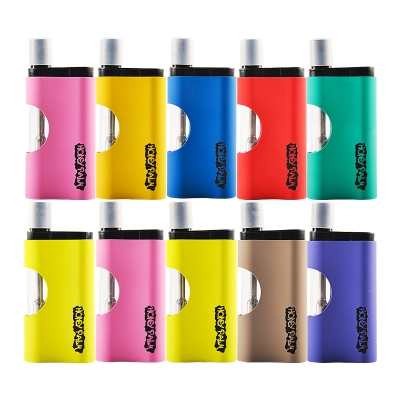
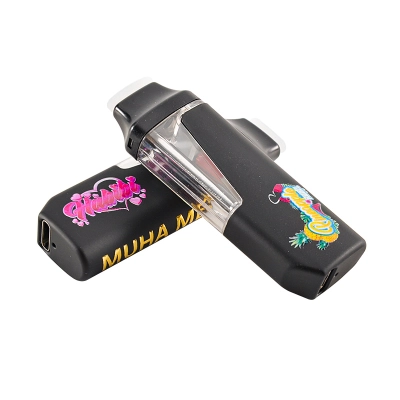
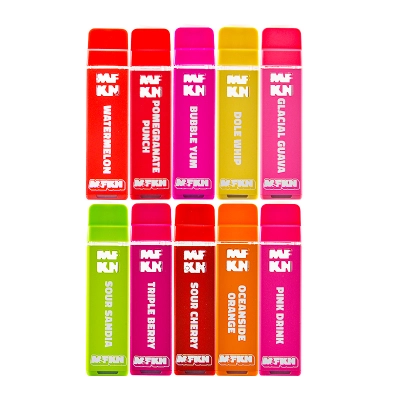
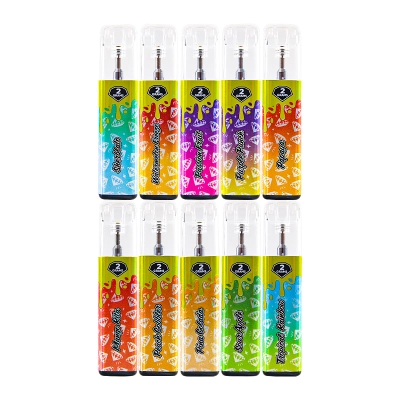
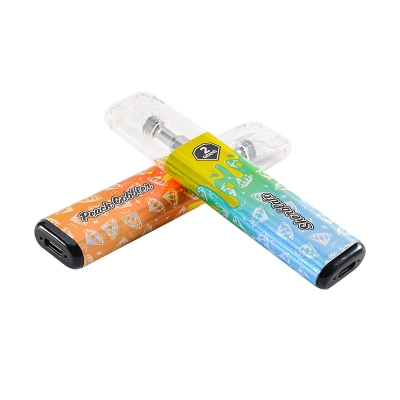
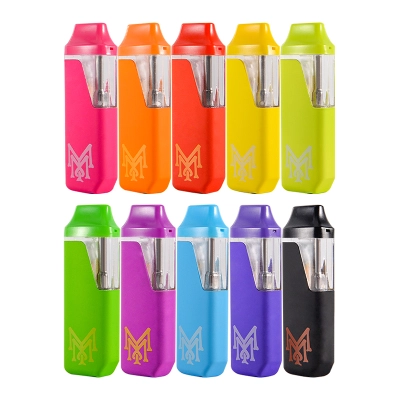
A legitimate Packman-style 2 g platform is more than a silhouette. When you see a price for 2 g Packman shells, you are usually paying (or not paying) for:
- A 2 g (2 ml-class) chamber with defined tolerances and stable intake geometry.
- A ceramic coil and airflow system tuned for thick oils, not generic cotton stick hardware.
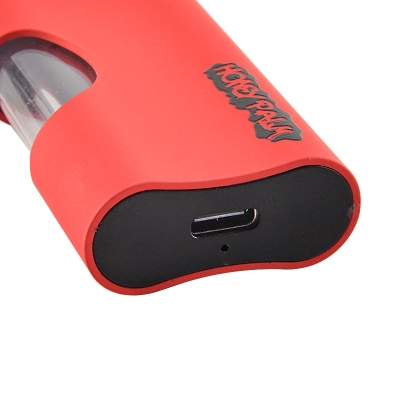
- A rechargeable system (often USB-C) that can reliably empty 2 g without sag or early failures.
- Generation features: LED screen, puff counter, dual-chamber / switch versions, updated housings.
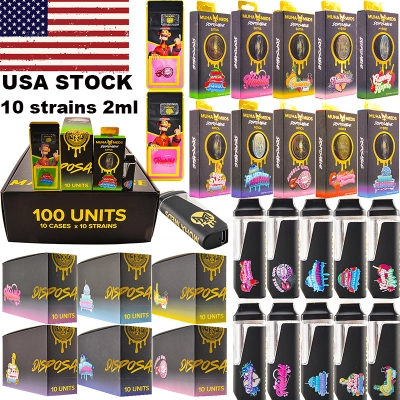
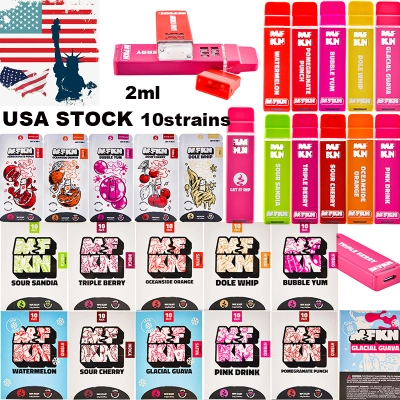
- Warehouse geography: USA/EU/UK/other regional stock vs. direct factory-only supply.
- Documentation: UN 38.3 test summary for the lithium cell, material declarations, and traceable lot IDs.
“Too cheap to be real” usually means at least one of these layers is missing—especially paperwork, cells, or assembly control.
2) Key price drivers for Packman 2G hardware
Feature set
- Screen vs. no-screen: LED/segment displays, preheat logic, and housing windows add cost.
- Single vs. dual chamber: Dual-tank “switch” formats use more complex tooling and assembly.
- Battery & coil: Higher-capacity cells and reliable ceramic cores cost more but cut RMA rates.
- Finishing & packaging: Custom films, stickers, and multi-language cartons add per-unit cost.
Supply & compliance
- Regional stock: USA/EU stock often adds 8–20% vs. ex-factory, but saves weeks and reduces seizure/return risk.
- UN 38.3 & safety docs: Properly tested cells and documented lots are more expensive but required for air freight.
- Batch stability: Vendors who maintain consistent SKUs, molds, and electronics across runs build that cost into quotes.
The cheapest price per lot is meaningless if DOA, leaks, or missing test summaries erase your margin.
3) How to evaluate Packman 2G disposable price without chasing daily numbers
Public retail numbers and random screenshots are volatile. Instead of anchoring on a single figure, evaluate quotes with a structured lens:
- Cost-per-usable-unit: Include expected DOA and leak rate. A slightly higher unit price with a verifiable <2–3% failure rate often beats a cheap line with 8–10% issues.
- Cost-per-gram of capacity: Screened 2 g platforms will naturally price above basic 1 g sticks; if a 2 g with screen is quoted at or below commodity 1 g blanks, treat it as a red flag.
- Documentation included: Quotes that bundle proper battery test summaries, material declarations, and consistent packaging specs are more defensible for export.
- Warehouse vs. ex-factory: Landed cost from regional stock (duties, freight, lead time) should be compared to direct import scenarios, not to bare ex-works numbers.
4) Documentation & standards: why real Packman pricing is never “paperless”
Serious 2 g Packman-style programs align with recognized safety and transport frameworks. When assessing whether a quoted price is realistic, check if the supplier can support:
- A valid UN 38.3 test summary for the lithium cell/pack design used in the device, following the latest UN Manual of Tests and Criteria (see UN / PHMSA guidance).
- Design alignment with UL 8139 principles for electrical systems of e-cigarette/vaping devices.
- REACH/RoHS-aligned material declarations for relevant plastic and metal components where applicable.
- Traceable lot IDs from master carton to unit, consistent with invoices and packing lists.
Official and technical resources: UN 38.3 lithium battery test summary overview, UL 8139-based e-cig electrical safety programs, ECHA REACH.
If a supplier offers “Packman 2 g” pricing but cannot align with these basics, discount the quote heavily or walk away.
5) A practical price framework for Packman 2G disposables
Before locking a PO, run each quote through a simple, internal scoring model:
- Spec fit: Does the device match your required chamber size, coil spec, and UI (screen/no-screen)?
- QC results: 30–50 unit test; target low DOA (<3–4%), no visible leaks, tight draw-resistance variance.
- Docs: UN 38.3 test summary, material declarations, consistent labels present and verifiable.
- Logistics: Lead time, routing (air/sea), and re-order stability align with your launch plan.
- Total landed cost: Unit price + freight + duty + expected scrap & support = true “Packman 2g disposable price”.
Use this model on every vendor; let the data, not branding alone, decide whether a quote is competitive.
6) Where this fits in your Packman content & sourcing stack
Think of this page as the pricing and risk lens within a broader Packman cluster:
- Use your dedicated 2 g collection page (packman 2g) to browse concrete SKUs, regions, and feature sets.
- Treat your detailed hardware page for 2 g shells (packman 2g disposable price) as the commercial spec sheet: features, options, and contact pathways for quotes.
- Use your in-depth bench-test article (Packman 2g disposable review) as empirical support: unboxing, coil readings, airflow checks, and value verdict.
Together, these assets tell a coherent story: “Packman” as a documented 2 g platform with transparent pricing logic, not just a trending name.




2 Comments
Loved this post! Very clear and simple.
Good tips, will try them out.