
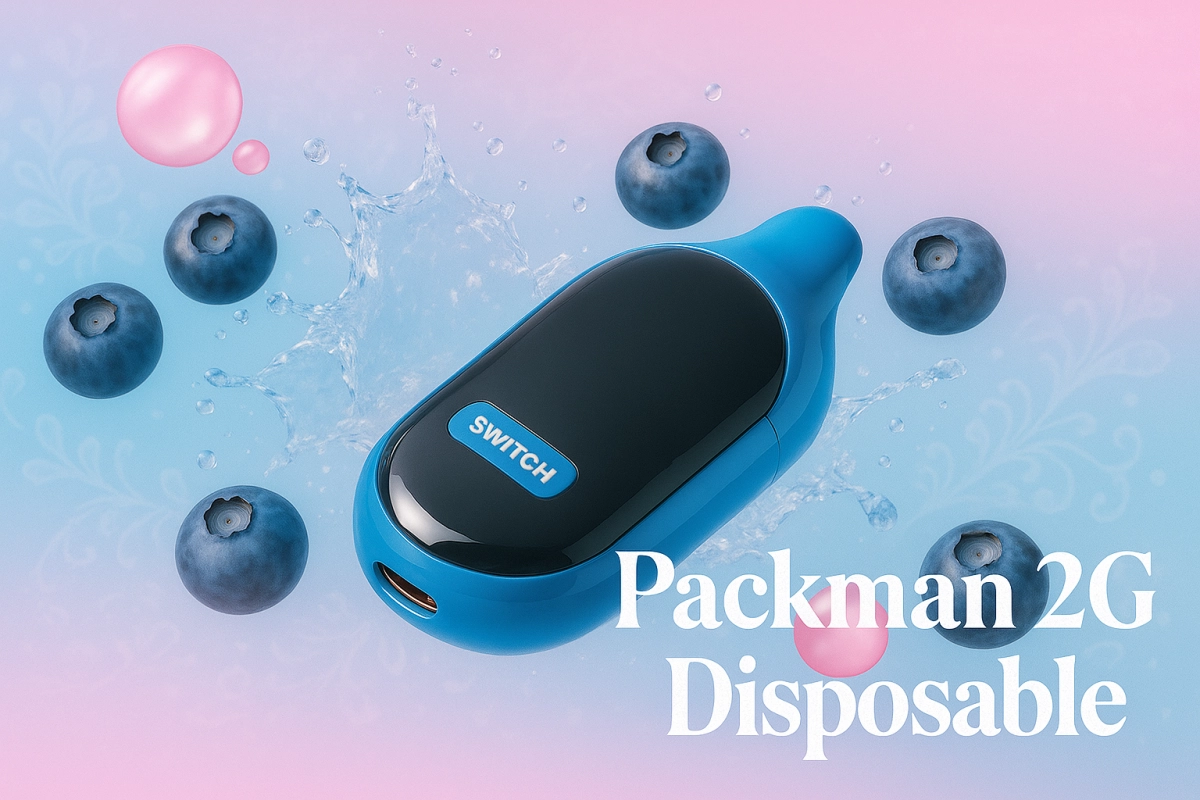
Packman 2G Disposable: Unboxing, Tests, and Is It Worth the Price?
Executive Summary
This review is for B2B buyers evaluating a packman 2g disposable (empty hardware). It outlines an unboxing checklist and reproducible bench-style checks—fit/finish, coil resistance, airflow sealing, USB-C charging handshake, packaging, and documentation readiness—then closes with a price–value verdict.
Unboxing & First Look
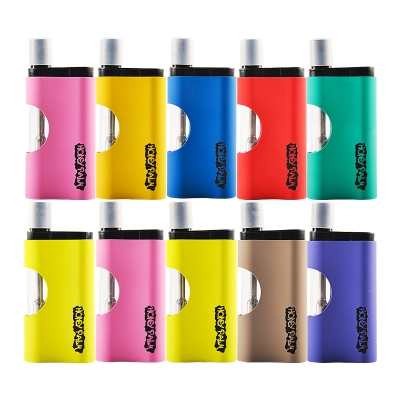
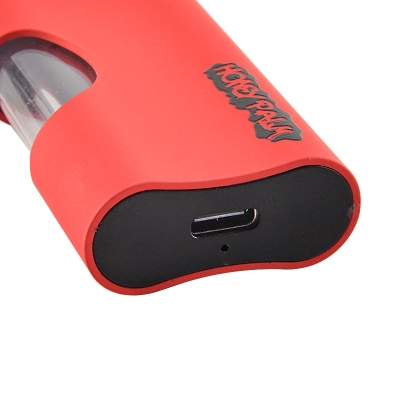
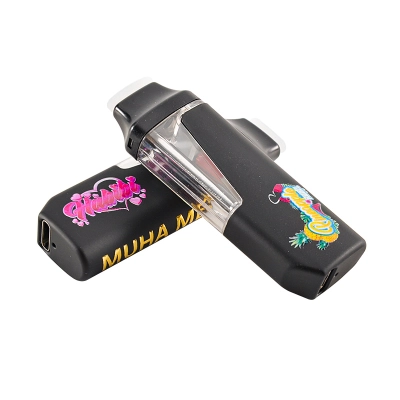
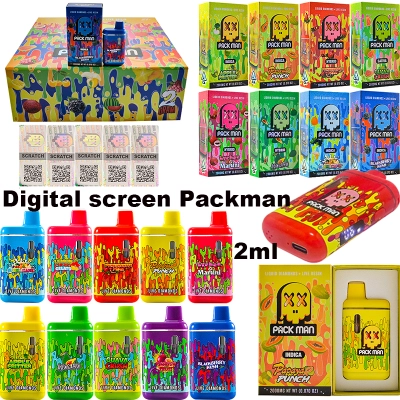
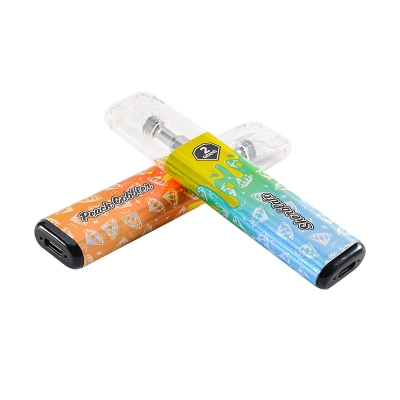
Inspect enclosure fit, USB-C port alignment, mouthpiece lock, and—on the screen variant—the clarity and adhesion of the display window. For a broader product map, see best packman.
“2 g” denotes mass (grams), not volume (mL). The conversion depends on oil density (g/mL). Calibrate fills by weight to avoid under/over-fill variance.
Test Methodology (Repeatable)
Scope
- Object: empty devices; no controlled substances.
- Sampling: multiple units from the same batch for visual, assembly, electrical and sealing checks.
- Positioning: practical, reproducible intake/FQC checks; not a certification test.
Steps
- Fit & Finish — seams, coating, mouthpiece lock, screen window adhesion.
- Electrical — measure heater resistance with a calibrated meter; confirm USB-C charging handshake.
- Seal Check — negative-pressure pull + 30-minute vertical rest to flag loose tolerances.
- Transit Proxy — simple vibration/drop proxy to anticipate ISTA 3A risks (non-certifying).
- Documentation — request a UN 38.3 Lithium Battery Test Summary; assemble RoHS evidence via IEC 62321 testing or IEC 63000 technical documentation.
Documentation matters: air transport requires a standardized UN 38.3 Test Summary; missing documents can block shipping or audits.
Findings & Checklists
Build & Function (2-gram chamber)
| Focus | Acceptance Hints | Why It Matters |
|---|---|---|
| Heater / Resistance Consistency | Tight batch variance; smooth pre-heat without dry-hit artefacts | Stable resistance helps with viscous oils and reduces clog risk |
| Airflow Path & Mouthpiece Lock | Snap-fit secure; seals flush; negative-pressure test passes | Less condensate leakage during logistics and shelf life |
| Battery & Charging | Firm USB-C port; reliable handshake; UN 38.3 Test Summary on file | Required for lithium cell/battery transport |
| Materials / Restricted Substances | RoHS evidence via IEC 62321 testing or IEC 63000 technical documentation | Meets buyer audits on hazardous substances |
| Packing for Transit | Immobilizing trays; outer-carton vibration/drop protection aligned to ISTA 3A | Fewer in-transit damages and RMAs |
UN 38.3 Test Summary — What to Check
- Manufacturer & test lab contacts; unique report ID and date
- Cell/pack description (chemistry, mass/Wh, model, physical description)
- List of tests with outcomes: T.1 altitude, T.2 thermal, T.3 vibration, T.4 shock, T.5 external short, T.6 impact/crush, T.7 overcharge, T.8 forced discharge
- If a battery pack: assembly battery references (38.3.3(f)/(g)); edition of the UN Manual referenced
- Responsible person’s name/title with a conformity statement
Use the official PHMSA/UN guidance as the source of truth.
RoHS Evidence — Two Practical Paths
1) Testing (IEC 62321)
Lab testing on representative materials (e.g., XRF/ICP) with traceable reports.
2) Technical Documentation (IEC 63000)
Risk-based BOM evaluation with supplier declarations and supporting reports compiled into a technical file.
Pros & Cons (B2B View)
Pros
- Screen version shows battery/puff status—fewer “dead on arrival” support tickets
- USB-C charging; accessory availability is broad
- Standardized chamber/accessories simplify filling and carton planning
- Multi-warehouse availability (incl. overseas) shortens replenishment
Cons
- Screen window adds an ingress point—QC must verify adhesives and aging
- Heavier 2-gram units need stronger packaging to control transit damage
- Higher unit cost than basic 1-gram non-screen models
This article covers empty hardware only. No filled or controlled-substance products.
Price–Value Verdict: Is It Worth It?
For brands upgrading from legacy 1-gram sticks, a well-built pack man 2-gram platform can pay back through fewer mid-run changeovers and clearer end-user perception—if three boxes are closed: a valid UN 38.3 Test Summary, credible RoHS evidence (IEC 62321 or IEC 63000), and transit-ready packaging (ISTA 3A-aligned). When those are in place, the screen version is generally worth it for mainstream lines due to lower support friction and better state-of-charge visibility.
Quick FAQ
Does 2 g equal 2 mL?
No—grams measure mass and milliliters measure volume. Conversion depends on oil density; weigh your fills.
What paperwork should I request for batteries?
A UN 38.3 Test Summary for the specific cell/pack used, kept on file for air shipment and audits.
Any USB-C compliance considerations?
Follow USB-IF Type-C connector/cable specifications and, where relevant, their compliance program guidance.
References (Authoritative)
- PHMSA — Lithium Battery Test Summaries (UN 38.3) overview and 2024 TS guidance PDF
- UL 8139 — Electrical system safety for e-cigarette/vaping devices (Edition 2, 2024)
- IEC 62133 — Portable secondary lithium cell/battery safety (overview via major labs)
- EU RoHS — Directive 2011/65/EU (consolidated); EN IEC 63000:2018 for technical documentation
- IEC 62321 — Determination of certain substances in electrotechnical products (testing methods)
- ISTA 3A — Packaged-products for parcel delivery systems (overview)
- USB-IF — USB Type-C specifications and compliance resources
- NIST SI — Density definitions and unit guidance
Use official standard bodies’ websites for the latest editions before audits or shipments.
Disclosure & Limitations
- Relationship: Authored by Vapehitech QC; we sell empty hardware. No third-party paid placement.
- Method limits: Bench-style checks are practical intake/FQC steps, not certification testing.
- Data transparency: Acceptance thresholds are suggested baselines; align with your SOP, third-party reports, and target RMA%.

3 Comments
Short but informative. Appreciate it!
I totally agree with your point here.
This blog has quickly become one of my go-tos for info like this.