

Scope (empty only): This page is empty only. It covers master-box storage and distribution workflows for empty cartridges and related empty formats. We do not discuss contents, potency, effects, or any filling workflows. Brand names are used for identification only; this page is not affiliated with any brand owner.
Internal routing (BoFu path)
BoFu readers typically want one thing: a clear, low-risk route from “concept” to a repeatable box spec. Use the links below as a controlled path: define the master-box layer, confirm the family context, verify empty cartridge fit, and standardize label and verification vocabulary.
Recommended internal path (non-promotional)
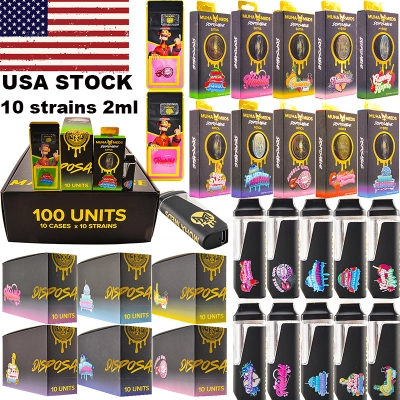
- muha meds master box — master-box / master-case overview for storage and distribution
- muha meds case — family hub to keep terminology consistent across formats
- empty muha meds vape cartridges — empty cartridge context for fit, density, and handling
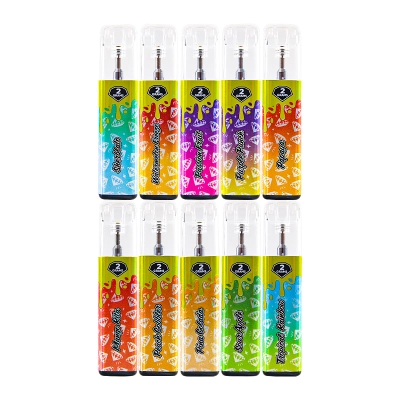
- empty 2g reference SKU — a concrete reference page for photos and pack field placement
- muha box verification — shared language for packaging cues, labels, and verification steps
What “master box” means in procurement
In packaging and logistics, “master box” can be used loosely. For BoFu purchasing decisions, it should be defined as the outer carton that groups multiple inner packs or retail units for storage, handling, and distribution.
| Layer | What it is | Primary job | Typical failure risk |
|---|---|---|---|
| Retail unit box | Single-unit carton/tube used for presentation and scanning | Protect the unit + keep identifiers readable | Rattle, scuffs, label overlap |
| Inner pack | Mid-layer grouping multiple retail units | Speed replenishment + reduce touch count | Count confusion, lot mixing |
| Master box | Outer shipping carton grouping inner packs for storage and distribution | Survive handling hazards + keep lots organized | Corner crush, seam split, unreadable carton fields |
BoFu takeaway
If you are comparing “master box” options, compare the same layer. Many buying mistakes happen because teams compare a retail unit box against a master-box spec and assume the result transfers.
Key features that matter in storage and distribution
The “best” master box is rarely the one with the most graphics. It is the one that reduces exceptions: fewer damaged corners, fewer mixed lots, faster receiving, cleaner put-away, and more consistent label fields.
1) Shape retention (corner and edge integrity)
- Corner robustness: corners remain square after stacking and routine handling.
- Panel stability: label panels stay flat so carton fields remain readable.
- Void control: internal packing minimizes free space that allows shifting.
2) Internal organization (dividers and count clarity)
- Divider strategy: use partitions or structured packing to prevent unit-to-unit contact.
- Count markings: make units-per-inner and units-per-master explicit and consistent.
- Lot separation: pack so lots are harder to mix during case-break and replenishment.
3) Closure and seal discipline
- Consistent sealing: predictable closure reduces split seams and re-taping during receiving.
- Open/inspect/reseal flow: carton should tolerate inspection without losing geometry.
4) Label zones designed for 3PL reality
- Dedicated label panel: reserve a large zone for warehouse labels so they do not cover carton fields.
- Field placement: keep identifiers away from seams, tape lines, and corners.
- Handling marks: use standard handling symbols where appropriate for clear communication.
Operational benefits (why teams choose a master box)
A master box is a storage and operations tool. When specified correctly, it improves speed and reduces loss without requiring extra steps from warehouse teams.
| Benefit | What changes in practice | Why it matters (BoFu) |
|---|---|---|
| Fewer receiving exceptions | Less corner crush and fewer “damaged carton” flags | Cleaner receiving and fewer dispute cycles |
| Lower handling time | Clear counts and predictable packing reduce re-checks | Less labor per inbound lot |
| Better lot control | Inner packs and carton fields reduce mixing risk | Fewer traceability gaps |
| Improved storage density | Stable geometry stacks better in racks and bins | More predictable space planning |
| More reliable labeling | Flat label panels keep codes readable over time | Fewer scan failures and relabeling |
What “ultimate storage solution” means in neutral terms
“Ultimate” should translate to outcomes: fewer exceptions, faster handling, clearer carton fields, and easier configuration control. If a master box increases handling steps or hides identifiers, it is not an upgrade.
Pros & cons (channel-based)
The same master-box spec can be a strong fit for one channel and a poor fit for another. Use the pros and cons below to decide what to prioritize before you finalize an RFQ.
Pros
- Damage prevention: better protection against handling hazards when packing is disciplined.
- Operational speed: clearer counts and structure reduce touches and re-checks.
- Traceability readiness: consistent carton fields help keep lots organized.
- 3PL friendliness: label zones reduce the chance of key fields being covered.
Cons
- Space tradeoff: stronger structure can increase cube, affecting storage density and freight economics.
- Over-build risk: short, gentle lanes may not justify premium specs.
- Label planning required: without dedicated panels, warehouse labels may cover carton fields.
- Configuration drift: if dividers or counts change without controls, receiving accuracy drops quickly.
BoFu decision shortcut
If your biggest pain is “damaged carton” exceptions, prioritize structure and packing discipline. If your biggest pain is “wrong pick / mixed lots,” prioritize count clarity, inner-pack logic, and consistent carton fields.
RFQ-ready spec checklist (what to standardize)
BoFu purchasing becomes straightforward when your RFQ is written in operational language. The checklist below is designed to reduce ambiguity so samples and production match.
| Spec field | What to define | Why it matters |
|---|---|---|
| Carton dimensions | Outer L × W × H and target internal clearance | Controls fit, stacking behavior, and storage planning |
| Pack layout | Units per inner pack; inner packs per master; orientation rules | Prevents count errors and lot mixing |
| Internal restraint | Divider type, spacing, and movement control goals | Reduces rattle, scuffs, and impact exposure |
| Closure method | Sealing approach and inspection-friendly reseal workflow | Reduces seam splits and receiving exceptions |
| Label zones | Dedicated 3PL label panel + dedicated carton-field panel | Prevents ID coverage and scan failures |
| Carton fields | Product ID, lot/batch, date code format, counts | Improves traceability and receiving accuracy |
| Handling marks | Standard handling symbols where applicable | Improves warehouse communication and reduces mishandling |
| Change control | What changes require approval (counts, dividers, field placement) | Keeps production aligned with tested samples |
Tip: keep the RFQ auditable
Avoid subjective language. Replace “strong” with “resists corner deformation under stacking,” and replace “good labels” with “two dedicated panels: one for carton fields, one for warehouse labels.”
Validation plan (lane-matched, standards-aware)
Validation should match your real lane hazards. A parcel lane and a palletized lane do not fail in the same way. Use a standards-aware framework to plan the checks, then document pass/fail outcomes so samples and production stay aligned.
Parcel-oriented lanes (small shipment handling)
- Approach: use a parcel simulation framework (often referenced as ISTA 3A) to reflect parcel handling.
- What to observe: corner deformation, seam stability, and internal movement after handling cycles.
Mixed distribution or palletized lanes
- Approach: use a distribution simulation framework (commonly referenced as ASTM D4169) aligned to your lane.
- Core checks: drop exposure (often referenced as ASTM D5276) and stacking/compression exposure (often referenced as ASTM D642).
What to document (BoFu-ready)
- Sample configuration (layout, counts, dividers, closures, field placement)
- Lane assumption (parcel vs palletized vs mixed)
- Observed failure modes (corner crush, seam split, label damage, internal movement)
- Pass criteria (what “acceptable” means for your receiving process)
Receiving & 3PL workflow tips
A good master box does not only survive handling—it also makes inbound processing more predictable. These tips reduce rework and keep lots cleaner.
Receiving quick checks (5 minutes per lot)
- Corner check: look for corner crush and panel collapse that can hide carton fields.
- Seam check: confirm sealing is consistent and cartons do not open during handling.
- Field check: confirm product ID, lot/batch, date code format, and counts are present and readable.
- Count check: verify inner-pack count matches carton markings to reduce case-break errors.
- Configuration check: confirm dividers/layout match the approved sample configuration.
3PL label hygiene
- One label panel: give warehouses a dedicated panel so their labels do not cover carton fields.
- One field panel: keep carton fields on a separate, flat panel away from seams and tape lines.
- Repeatable placement: consistency improves scan success and reduces re-labeling.
FAQ
Is a “master box” the same as an inner pack?
No. The master box is the outer carton that groups inner packs for storage and distribution. Inner packs sit between retail unit boxes and the master box.
What is the fastest way to pick the right master-box spec?
Start with your lane (parcel vs palletized), then define counts and divider strategy, then reserve label zones, then validate with a small pilot lot and documented receiving checks.
What causes most operational problems with cartons?
Ambiguous counts, inconsistent field placement, and internal movement. These lead to wrong picks, mixed lots, scan failures, and “damaged carton” exceptions.
How many internal pack levels should I use?
Use the fewest layers that still keep lots organized and protect against movement. Add an inner pack when it reduces handling steps and mixing risk in your replenishment workflow.
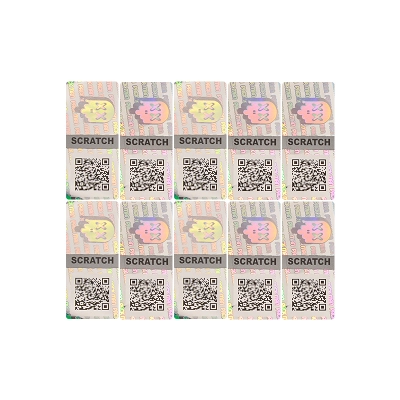
Are QR labels a complete verification solution?
No. QR can help access documentation, but verification should include domain checks and consistent carton fields so the process remains reliable even when labels are altered.
Does this page cover contents or effects?
No. This page is empty only and focuses on storage, packaging, and documentation logic.
References
- ISTA test procedures
- ISTA 3A overview (parcel simulation)
- ASTM D4169 distribution testing framework
- ASTM D5276 drop testing
- ASTM D642 compression testing
- GS1 General Specifications
- GS1 Digital Link standard
- ISO 22383 authentication evaluation guidance
- ISO 780 handling marks
- FTC QR code risk guidance
- FBI IC3 PSA on QR code tampering
References are provided for educational context on packaging performance testing, logistics labeling and identifiers, authentication evaluation, handling marks, and QR risk awareness.






3 Comments
Good post. Looking forward to more.
Quick read and very helpful.
Clear explanation. Nice job.