
Authenticity & Packaging · MoFu · Empty Hardware Only
Scope. This guide is written for 21+ readers and licensed B2B buyers who want to understand how a genuine Muha Meds box is typically presented and verified. We focus on shell- and packaging-level checks, how official Muha Meds verification flows work at a high level, and how to build a safer sourcing and QC routine for empty hardware only. Vapehitech is not affiliated with Muha Meds and does not sell or fill THC, CBD, nicotine, or any consumable oils.
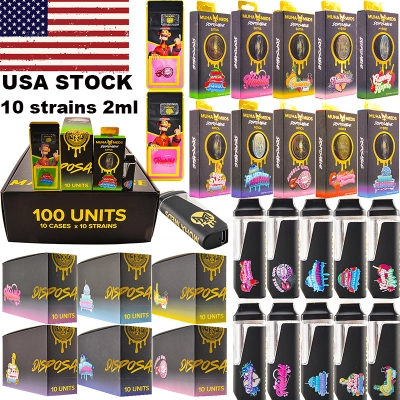
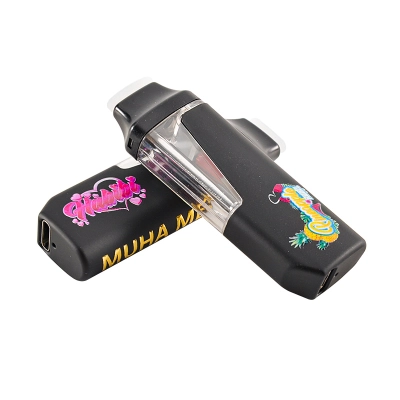
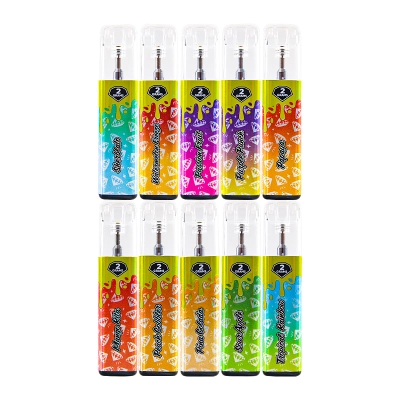
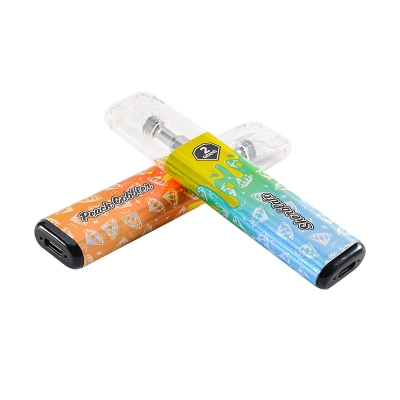
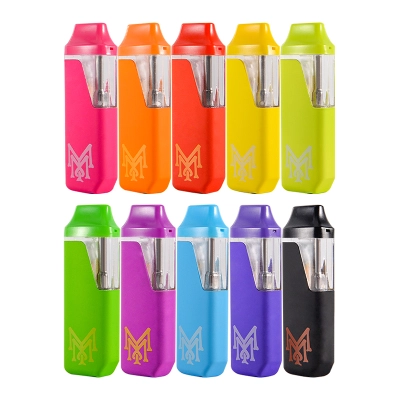
At Vapehitech, Muha-style hardware is organized so you can keep box, device, and case-level decisions clean. For an inventory overview, start with muha meds wholesale. If your focus is all-in-one shells, use the empty muha meds disposable hub, and for shipper and tray logic, reference the muha meds master case layouts. For a consumer-facing shell safety deep-dive, see our fake Muha Meds safety guide, and for procurement teams, the Muha Meds sourcing & AQL guide covers broader sourcing controls that you can adapt to Muha-style SKUs.
1) Why your Muha Meds box deserves a real authenticity check
When people talk about “Muha Meds,” they usually mean finished, THC-containing products sold under the Muha Meds brand. In practice, what you see on a shelf is a combination of three layers: the brand and trademarks, the hardware shell, and the oil and lab results behind it.
A genuine Muha Meds box is designed to tie those layers together. It carries the brand’s trade dress, communicates potency and warnings, and connects each device to a unique verification record via QR code and scratch-off code. Counterfeiters try to copy all three at the same time — often with poor success on the details.
Public-health investigations into vaping-related lung injury have repeatedly found that the highest risk sits in illicit THC products and counterfeit-branded cartridges obtained from informal sources, rather than in empty shells purchased through transparent B2B channels. Large outbreak reviews by the U.S. Centers for Disease Control and Prevention (CDC), the U.S. Food and Drug Administration (FDA), and peer-reviewed work in journals such as the New England Journal of Medicine all point to unregulated oils and cutting agents — notably vitamin E acetate — as key drivers in the 2019 EVALI outbreak, not the hardware alone.
Bottom line. If a Muha Meds-style device arrives in a box that you cannot plausibly authenticate — or that clearly fails basic packaging and verification checks — treat the risk as high and walk away, regardless of how convincing the artwork looks.
2) Anatomy of a Muha Meds box: what each panel is supposed to do
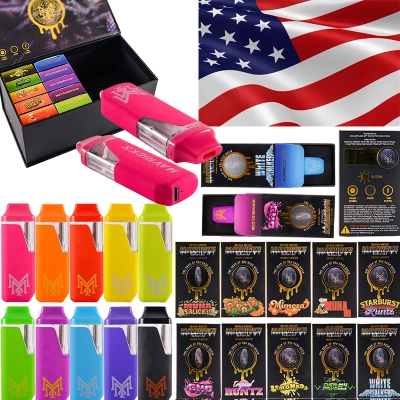
From a hardware and packaging perspective, a typical Muha Meds box is more than a pretty sleeve. Each panel has a job:
Front panel
- Brand and line. Muha Meds name and logo, product line (for example disposables or carts), and sometimes strain or flavor.
- Net contents. Declared fill volume such as 1 g, 2 g, or 3.5 g, usually expressed in grams and/or milliliters.
- Basic cues. Icons for indica / sativa / hybrid, live resin vs distillate, and sometimes “liquid diamonds” or similar positioning language.
Back panel
- Usage instructions (for example suggested puff length, recharge instructions for USB-C devices).
- Ingredient language, typically referencing premium extract and botanical-derived terpenes.
- Warning box with age restrictions, health warnings, and driving / machinery cautions, depending on the jurisdiction.
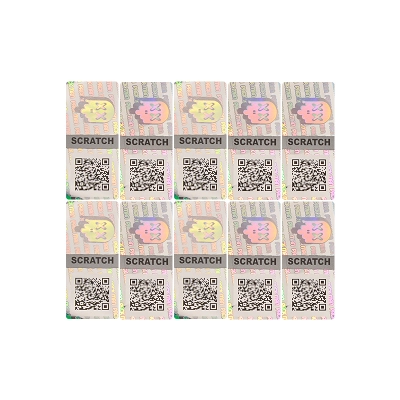
- Verification sticker window containing a QR code and a scratch-off or peel-back zone that hides the private code.
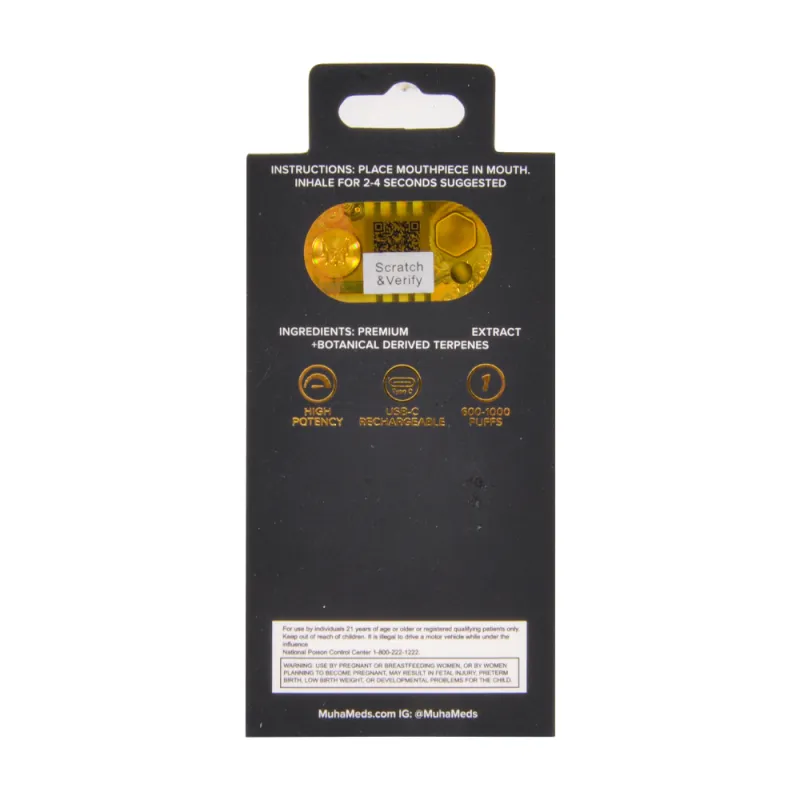
On authentic packaging, these elements tend to line up: the language reads cleanly, icons and fonts match across SKUs, and the verification sticker looks like it belongs to the same visual system as the rest of the box instead of a random add-on. Misaligned fonts, inconsistent icons, or obviously recycled warning boxes are all early signs that something is off.
3) Official Muha Meds box verification: QR + scratch-off flow
Muha Meds operates dedicated verification portals where users can confirm that a code printed on their box is recognized by the brand. While the exact UX can change, the core steps have been consistent across the official verify page on muhameds.com and the standalone muhaverify.com portal. The Muha Members mobile app also builds on the same flow.
- Locate the verification sticker. On legitimate boxes, the sticker is typically on the back panel, near a small window that shows holographic artwork or brand motifs.
- Scratch or peel to reveal the private code. Beneath the scratch-off layer is a unique alphanumeric code that should only be visible after purchase.
- Scan the QR code. Use your phone to scan the adjacent QR. It should resolve directly to an official Muha Meds verification environment under domains controlled by the brand (for example
https://www.muhameds.com/verifyorhttps://muhaverify.com) rather than a random link shortener or unrelated site. - Enter or confirm the code. On the verification page, enter the revealed code if prompted. The site will respond with a status such as “Verified,” “Not verified,” or “Previously used.” Some flows also link batch-specific lab results once a code passes.
Muha Meds also promotes its Muha Members mobile app as a verification and rewards tool that lets consumers scan products and earn loyalty points while confirming authenticity.
If the QR code sends you somewhere completely unrelated, if the code cannot be entered at all, or if the portal flags the code as invalid or already claimed, treat that box as suspect and stop using the product. For B2B buyers, it is good practice to verify a documented sample of boxes from every incoming lot and archive screenshots of the validation result (with date and time) in your batch records.
4) How regulators think about cannabis packaging & labels
Authenticity checks are not just about brand protection; they sit inside a wider regulatory system. Legal markets treat cannabis packaging and labelling as public-health tools. Agencies such as the California Department of Cannabis Control (DCC), Colorado’s Marijuana Enforcement Division (MED), New York’s Office of Cannabis Management (OCM), and Health Canada all require packaging that is child-resistant, tamper-evident, and clearly labelled with key safety and potency details.
Regulatory snapshots (current as of late 2025)
- California — DCC. Under Title 4, Division 19, Chapter 11 of the California Code of Regulations, DCC’s non-manufactured and manufactured labeling checklists (revised October 19 2023 and June 6 2024) explain how primary and informational panels must be laid out and reference sections such as 4 CCR §§ 17403, 17406, 17407 and 17410–17412. Together with the DCC’s packaging overview, they require clear THC/CBD declarations, use of the California universal cannabis symbol, and child-resistant packaging for many inhalable and orally consumed products.
- Colorado — MED. In Colorado, Part 3 of 1 CCR 212-3 consolidates packaging and labeling rules for regulated marijuana. Rule 3-1005 sets minimum requirements before transfer to other businesses, while Rule 3-1010 (Packaging and Labeling: General Requirements Prior to Transfer to a Patient or Consumer) adds conditions such as child-resistant containers, universal symbols and specific warning statements on containers that immediately hold marijuana products.
- New York — OCM. New York Cannabis Law Article 4, § 81 authorizes the Cannabis Control Board to issue rules on advertising, branding, marketing, packaging, and labeling for adult-use cannabis products. The Office of Cannabis Management’s public health & safety resources and packaging guidance require fully enclosed, child-resistant, tamper-evident packaging, at least one universal cannabis symbol on retail units, THC content per serving and per package, and health warnings that are not attractive to youth.
- Canada — Health Canada. Under the federal Cannabis Act and the Cannabis Regulations, plus Health Canada’s Packaging and labelling guide for cannabis products (with a detailed PDF revision dated August 30 2019), licensed producers must use plain packaging, the standardized red THC symbol, bilingual health warnings, and detailed information such as product class, THC/CBD content in mg per unit and per package, and licence holder information.
Important. The regulatory examples above are intentionally high-level and current as of late 2025. Rules change frequently. Your legal and compliance teams should always pull the latest official texts or consolidated regulations from the relevant agencies rather than relying on screenshots or old label templates.
5) Reading the back panel: warnings, icons, and fine print
Even before you touch the verification sticker, the back of a Muha Meds box can tell you a lot about whether the product belongs in a regulated channel. In most legal markets, regulators expect packages to carry very specific information and warnings. The exact wording varies by jurisdiction, but you should be able to map the box you are holding back to requirements like those published by DCC, MED, OCM, or Health Canada.
Core information you should expect
- Age gating. Clear statements that products are for adults only (often “21+” in U.S. recreational markets, or 18+ / 19+ in other regions).
- Health warnings. Warnings about pregnancy and breastfeeding, impairment and driving, delayed onset, and the risk of over-consumption, in line with the tone of state and federal health warnings rather than vague “use responsibly” slogans.
- License and batch details. Brand or manufacturer names, license numbers where required, and batch or lot identifiers that match lab reports and manifests.
- Potency and contents. THC, CBD, and total cannabinoid content where applicable, plus net contents in g / ml and number of servings or puffs where local rules require it.
- Contact and traceability. A website, phone number, or other contact path, and sometimes QR-linked access to Certificates of Analysis (COAs) from accredited labs.
By contrast, generic boxes that simply say “lab tested,” “premium,” or “botanical terpenes” with no concrete identifiers are much easier to fake at scale. A missing license number in a market where licenses are mandatory is not a small typo — it is a structural red flag.
Reminder. Packaging alone cannot guarantee a product is safe, but incoherent or missing fine print is a strong signal that the supply chain behind a device has not gone through serious scrutiny.
6) Red flags on a suspicious Muha Meds box
The following patterns do not prove anything by themselves, but combinations of them should push a Muha Meds-style product firmly into the “do not use” bucket.
Verification and printing issues
- No verification sticker, QR code, or scratch-off / peel-back zone anywhere on the box.
- QR codes that resolve to unrelated domains, generic link shorteners, or pages with no mention of Muha Meds verification.
- Scratch-off areas that reveal the same code across multiple unrelated SKUs or lots, or codes that always come back as “previously used.”
- Blurry print, obvious color shifts, or logo treatments that do not match documented authentic releases.
Compliance and information gaps
- No age statement, no health warnings, and no license or business information at all.
- Random THC icons or symbols that do not match the conventions used in regulated markets.
- Ingredient lists that look copy-pasted or contradict other panels on the same box.
Shell and build-quality problems
- Extremely light or flimsy housings that flex in the hand.
- Mouthpieces that can be pulled off without evidence of tamper resistance.
- Visible debris or contamination inside the reservoir or around seals.
Rule of thumb. If a device fails verification and looks cheaply made, you do not need lab equipment to make a safe decision — just avoid using it and encourage customers to do the same.
7) Box-level checks for B2B buyers: cases, master cases, documentation
For licensed brands, fillers, and distributors, the real leverage point is not a single box; it is how you qualify entire Muha Meds box lots and shipments before they hit your filling lines or shelves.
Work from master case downwards
- Open a muha meds master case and confirm tray layout, inner-carton markings, and barcodes are consistent with prior validated shipments.
- Sample several retail boxes from different layers of the case, and run verification checks on each using the official portals at
muhameds.com/verifyormuhaverify.com. - Record lot codes, verification outcomes, and photo evidence in a batch file or internal quality system.
Use structured sampling and acceptance criteria
Many buyers adapt attribute sampling concepts (for example ISO-style AQL tables) to define how many boxes to pull from each incoming lot. If verification failures, barcode errors, or obvious printing defects appear above your threshold, quarantine the lot and work with the supplier before releasing anything to production.
Tie hardware SKUs back to transparent sources
Whenever possible, align your Muha-style SKUs with category hubs such as muha meds wholesale and documented shell families. That way, your operations and compliance teams can see at a glance which empty shells, box styles, and master-case formats have been vetted and which are off limits.
Process, not heroics. The goal is not to turn every buyer into a forensic document examiner, but to use a repeatable, written process that makes it hard for counterfeit or off-spec Muha-style packaging to sneak into your program.
8) Where empty Muha Meds-style hardware fits into your risk boundary
As a B2B hardware partner, Vapehitech focuses on empty Muha Meds-style hardware. That means:
- We only ship empty shells and boxes — no filled THC, CBD, or nicotine products.
- Brand owners and licensed fillers remain responsible for oil formulation, lab testing, potency, and finished-product compliance.
- The Muha Meds name is used in our materials only to describe compatible shell families and packaging formats, not to imply brand affiliation or endorsement.
This separation keeps your risk profile closer to that of a component supplier rather than a finished-product brand. It also makes it easier to standardize QC: you can lean on broader sourcing references like our Muha-style hardware sourcing standards & AQL guide and adapt them specifically to your Muha Meds-style SKUs.
At the same time, nothing in this guide replaces legal advice. Each jurisdiction has its own rules around brand usage, cannabis packaging, and THC products. Always confirm your plans with qualified counsel and your local regulators — especially when you export shells into new markets.
9) FAQ & next steps
Does a clean Muha Meds box guarantee the oil is safe?
No. A genuine-looking Muha Meds box with a passing verification code means the packaging has cleared basic brand-level checks, not that the oil has been personally evaluated for you. Always rely on Certificates of Analysis from accredited labs and on licensed channels in your jurisdiction.
Is it safe to buy Muha Meds-style products from informal sellers if the box looks real?
Public data from the 2019 EVALI outbreak showed a strong pattern: the highest risk was linked to illicit THC cartridges and counterfeit-branded products sold through informal channels, often involving unsafe cutting agents and untested oil. A box that looks real but comes from an unlicensed seller should still be treated as high risk.
What should I do if a QR code does not resolve to an official Muha Meds domain?
Stop and treat the product as suspicious. Do not trust verification pages that live on random domains, especially if they ask for unusual personal information. Where possible, report the product to the brand and local regulators and document the issue with photos and lot information.
How can B2B buyers use this guide in practice?
Turn it into a short SOP: define how many boxes you verify per lot, which screenshots you archive, how you handle verification failures, and which internal approver signs off on new Muha-style SKUs. Pair that SOP with your existing empty-hardware sourcing and AQL framework so that box checks, shell checks, and lab checks reinforce each other.
Disclaimer: This article is for B2B hardware and packaging education only. It does not provide medical or legal advice, does not endorse any specific oil formulation, and does not promote the use of controlled substances. Always consult local regulations and qualified counsel when designing your products and compliance strategy.
2 Comments
Thanks for sharing, very helpful!
Great post! Really enjoyed reading this.