
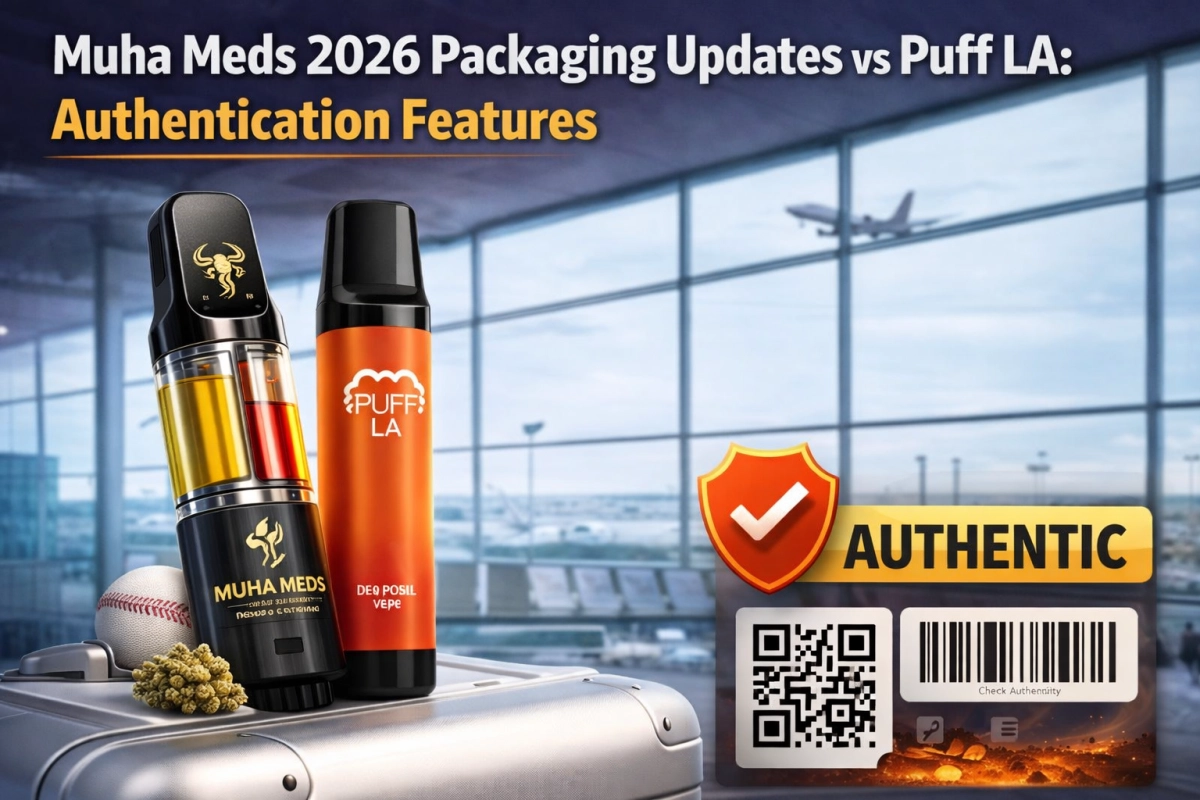
Scope (empty only): This page is empty only. It analyzes packaging-facing authentication paths, identifier discipline, and receiving/QC documentation workflows. We do not discuss contents, potency, effects, or any filling workflows. Brand names are used for identification only; this page is not affiliated with any brand owner.
Internal routing (MoFu path)
Keep this analysis non-promotional by routing readers through a small internal path that standardizes terminology and links to documentation-friendly checklists. The goal is auditability: consistent wording, stable identifier fields, and repeatable receiving steps.
Recommended internal path (non-promotional)
- muha meds 2026 packaging — your packaging-facing verification checklist language (empty only)
- Muha Meds hub — naming alignment and a clean entry point for related pages
- Muha Meds empty cartridges — category context to keep comparisons like-for-like (empty only)
- Puff LA collection — category context for the comparison target and naming consistency
- change-control playbook — a reusable workflow for locking packaging versions and preventing mixed-lot issues
What “2026 packaging updates” means (verification-first)
“Packaging updates” is a slippery phrase because graphics and minor layout adjustments can change across batches. A safer, more authoritative way to define Muha Meds 2026 packaging is to focus on what can be verified from primary sources: the brand’s published authentication route and the practical consequences for receiving logs.
In MoFu procurement terms, the question is not “Which box looks newest?” It is: What authentication method is the packaging built around, and can your team record pass/fail outcomes consistently?
Muha Meds: authentication evolution (code entry → app scan)
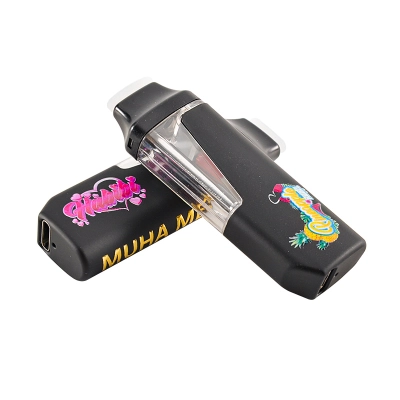
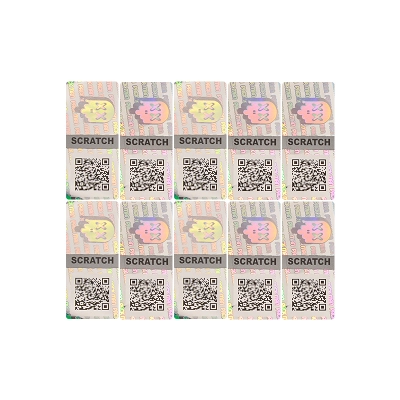
Based on the brand’s published verification instructions, Muha Meds describes a split between “second-generation” products using a scratch-off verification code (entered on the verification page) and “third-generation” products validated by scanning through the Muha Members verification app. In practice, that evolution changes the packaging cues your receiving team must be prepared to document: where the code/scan zone lives, how it is protected from scuffs, and how a confirmation record is saved for disputes.
MoFu takeaway
Treat “2026 packaging updates” as a change in the authentication workflow and the identifier map your team logs at receiving. That framing stays accurate even when artwork varies by batch.
Puff LA: security-code verification model
Puff LA’s published verification portal emphasizes entering a security code to authenticate. Operationally, this tends to be easier to standardize in a warehouse log: the checker enters a code, records the outcome, and attaches a screenshot or saved confirmation text to the inbound lot record.
Important MoFu discipline: verification is only as strong as the endpoint. Staff should use the official portal and record the domain used in the QC log.
Side-by-side comparison (procurement lens)
The comparison below is designed for MoFu teams who want fewer exceptions and cleaner documentation. It stays strictly empty only by focusing on authentication routes, identifier discipline, and repeatable receiving actions.
| Dimension | Muha Meds (verification-first view) | Puff LA (verification-first view) | What you should log |
|---|---|---|---|
| Primary verification method | Scratch-off code entry (2nd gen) and app-based scan (3rd gen) as described by the brand. | Security code entry on the brand’s verification portal. | Method used, sample size, pass/fail outcomes, timestamp, confirmation record. |
| Training burden | Two workflows may coexist during transitions; staff must follow the right path for each lot. | Typically one workflow (code entry), easier to standardize. | Short SOP card + the exact portal link used. |
| Identifier-map stability | Key risk is mixed-version lots (different layouts or auth zones). | Key risk is missing/invalid codes and inconsistent panel printing. | Photos of auth zone + batch/lot field location per lot. |
| Lookalike-link risk | Scan flows require stricter “domain check” discipline before recording outcomes. | Code-entry flows still require domain checks, but less scan-based ambiguity. | Record the domain + keep a screenshot of the confirmation page. |
| Best MoFu fit | Teams with strong version-control and receiving documentation habits. | Teams prioritizing simple, repeatable verification logs. | Choose the path that reduces exceptions in your operation. |
Identifier map: the fields you must be able to log
A practical way to make packaging updates manageable is to maintain an “identifier map” per branded format. It is a one-page reference that tells receiving staff exactly what to photograph and where the critical fields appear.
Minimum fields to standardize
- Authentication zone: scratch-off code area or scan marker location (and how it is protected from scuffs)
- Batch/lot field: where it appears and how it is printed (consistent location and readability)
- Barcode zone: where barcodes appear and whether they are consistently scannable
- Label overlay rule: where warehouse labels may be placed without covering any critical fields
Why this matters in MoFu
Most disputes are not caused by “a bad story.” They are caused by missing photos, covered batch fields, and inconsistent versioning across cartons. The identifier map prevents those avoidable failures.
Receiving QC playbook (empty only)
This playbook is designed to be safe for an empty only site and still useful for B2B teams. It focuses on verification outcomes, packaging identifiers, and documentation discipline.
Step 1: define the sampling rule
- Small lots: verify a meaningful sample across cartons (not just one carton).
- Larger lots: spread checks across different cartons and different pallet positions to catch mixed-version issues.
Step 2: run verification using official endpoints
- Use the brand’s official verification portal (do not rely on lookalike pages).
- Record the exact domain used in the QC log and keep a confirmation record.
Step 3: capture the “three-photo set” for every checked sample
- Authentication zone close-up (code/scan marker) with print clarity visible
- Batch/lot field close-up (readable, not covered)
- Full-panel photo showing context and consistent layout
Step 4: store results in a simple QC log
| Field | Example value | Why it matters |
|---|---|---|
| Inbound lot ID | LOT-2026-01-XX | Links verification outcomes to a specific receiving event |
| Verification endpoint domain | (record exact domain) | Prevents “verified on the wrong site” disputes |
| Method | Code entry / App scan | Documents which workflow was used |
| Outcome | Pass / Fail / Unclear | Standardized disposition across staff |
| Evidence | Photo set + confirmation screenshot | Supports claims handling and vendor escalation |
Risk note (links only): consumer-protection agencies and national cyber bodies regularly warn that QR codes can route users to phishing sites. Build “domain check + evidence capture” into your SOP so authentication remains auditable.
Common failure modes & hold triggers
Failure modes you should expect
- Mixed-version cartons: different layouts or auth-zone placements inside one inbound lot
- Unreadable printing: smears, low contrast, or scuffed scratch-off areas
- Unclear verification outputs: results that cannot be reliably recorded as pass/fail
- Suspicious redirects: a scan or link routes to a page that does not look consistent with the brand’s official domain
Hold triggers (simple and enforceable)
- Verification mismatch: repeated “fail” or “unclear” outcomes across samples
- Identifier conflict: batch/lot fields disagree across cartons in the same lot
- Layout drift: major panel changes without a documented version note
- Evidence gap: staff cannot produce a confirmation record + photo set for checked samples
MoFu escalation posture
A clean escalation does not argue. It presents evidence: the QC log, the photo set, the endpoint used, and a clear statement of the hold trigger.
Change-control for packaging updates (version discipline)
The fastest way to reduce “packaging updates” chaos is to treat packaging as a controlled versioned asset. Even when you only handle empty only formats, your buyers will expect stability: the same identifier map, the same verification routine, and the same label-zone placement rules over time.
What to lock for every version
- Panel layout: where authentication and batch/lot fields appear
- Authentication method: code entry vs scan workflow (and the official endpoint)
- Evidence pack: a reference photo set + a verification confirmation record
- Release note: what changed, when, and how receiving should handle it
If you already publish change-control language on your site, reuse it here to keep buyer expectations consistent across topics.
FAQ
Does this page confirm any specific artwork is “the 2026 box”?
No. This is a verification-first analysis. Artwork can vary by batch; authentication routes and identifier discipline are more reliable for MoFu documentation.
Is this a buying recommendation?
No. This is an informational analysis for adult readers focused on authentication workflows, packaging identifiers, and receiving logs in an empty only scope.
What is the single most important control for receiving?
Use the official verification portal, record the domain used, and store a confirmation record alongside a consistent three-photo evidence set.
References
- Muha Meds: Verification instructions (code entry and app scan)
- Muha Members: official verification app page
- Puff LA: security code verification portal
- Puff LA: official site (authentication context)
- FTC: QR code scams and phishing risk (consumer alert)
- FTC: harmful links hidden in QR codes (consumer alert)
- NCSC (Ireland): Quick guide on QR code phishing scams (PDF)
- California DCC: packaging guidance
- California DCC: packaging and labeling guidance for vape products
- Health Canada: packaging and labelling guide for cannabis products
- California regulations: universal symbol requirements (4 CCR 17410)
References support published verification routes (primary sources) and provide regulator and consumer-protection context for packaging identifiers and phishing risk. This page remains empty only and does not discuss contents, potency, effects, or any filling workflows.
0 Comments