
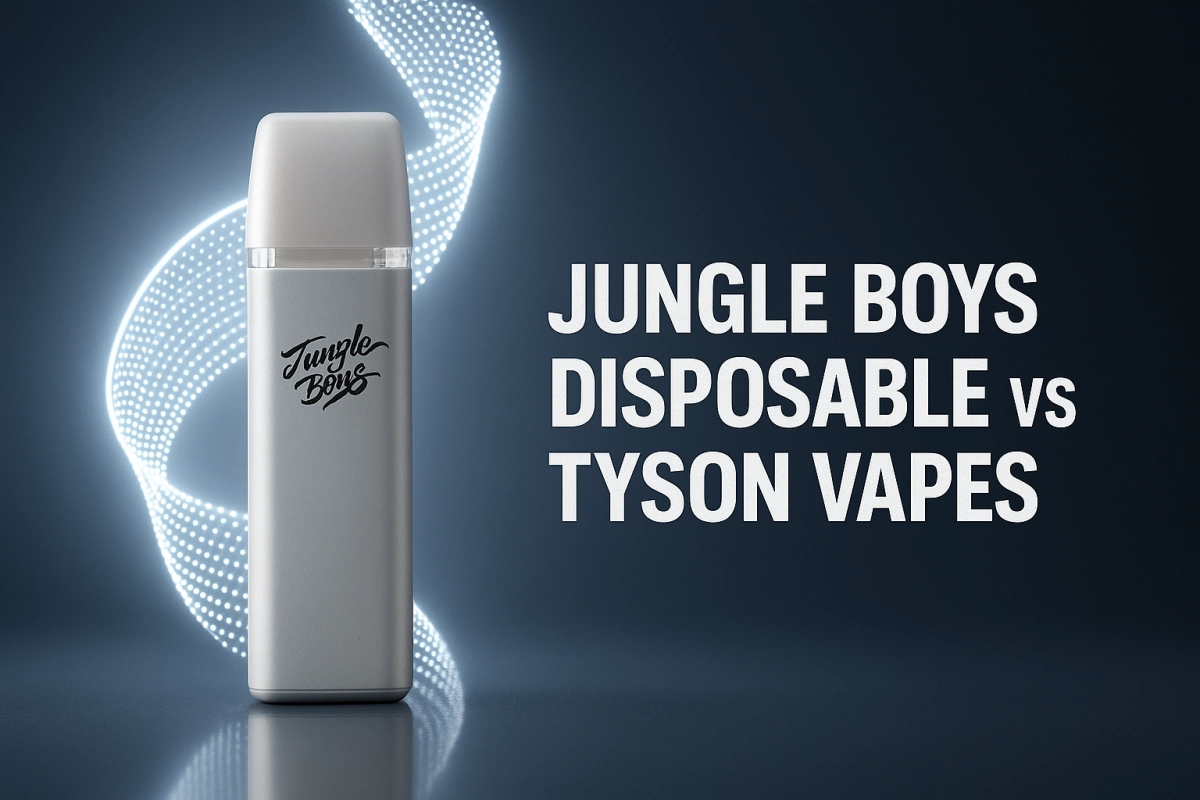
This article is written for B2B hardware buyers comparing jungle boys disposable devices with tyson vapes at the MoFu (middle-of-funnel) stage. Vapehitech supplies empty hardware only — no oil, no THC, no CBD, no nicotine — and is not affiliated with any licensed brand owners mentioned by name. All references to Jungle Boys or Tyson relate to empty shells and chassis intended for legal adult markets (21+) through licensed partners.
1. Why Jungle Boys disposable and Tyson vapes are a natural MoFu comparison
For many wholesale conversations, jungle boys disposable and tyson vapes show up on the same short list. Both names carry strong recognition in adult markets, and both have migrated from finished products into the hardware vocabulary used by distributors, fillers and white-label programs.
At the MoFu stage, buyers are usually past basic brand discovery. They are asking more practical questions:
- Which chassis family will actually behave better on my filling lines and in my warehouses?
- How do 1 g vs 2 g Jungle Boys and Tyson shells compare on leak risk, airflow stability and packaging survivability?
- Where can I see all empty shells for each brand in one place, without chasing scattered SKUs?
This guide focuses on those questions. It compares jungle boys disposable and tyson vapes from a hardware-only perspective: shells, seals, airflow, ergonomics and the sourcing structures behind them.
2. Brand-level context: recognition, expectations and where hardware fits
Both Jungle Boys and Tyson started as consumer-facing brands with strong narratives.
- Jungle Boys. Built on cultivation-first storytelling and a reputation for small-batch craft, the brand’s devices are often expected to feel clean, minimal and “grower-forward” in presentation rather than loud or gadget-heavy. Public-facing menus and product lines emphasize genetics and heritage; hardware is expected to support that story without distracting from it.
- Tyson. Tyson 2.0 and related licensed collections lean into bolder industrial design and high visibility: strong silhouettes, heavier colors, and in some cases full-LED screens and more aggressive graphics. Official releases typically frame the lineup as high-impact, high-recognition hardware aimed at adult consumers who already know the Tyson name.
For hardware buyers, these narratives matter because they influence expectations. A jungle boys disposable shell is often used where teams want understated, connoisseur-facing presentation. Tyson vapes housings, in contrast, are frequently selected when a program needs louder shelf presence, screen features or “hero” SKUs in a portfolio.
3. Hardware baselines: capacities, formats and catalog structure
On Vapehitech, both families are organized to make portfolio planning easier.
3.1. Jungle Boys disposable baselines
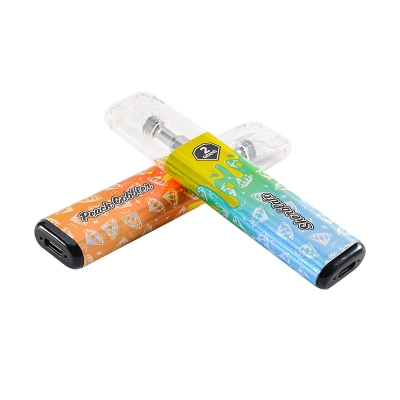
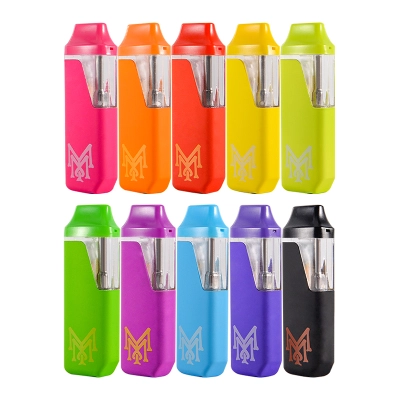
The core Jungle Boys devices offered as empty shells are grouped under Jungle Boys disposable wholesale. This page consolidates 1 g and 2 g AIO shells with consistent Jungle Boys aesthetics, with details like stock location (US or EU), outer packaging formats and capacity references.
Common catalog patterns include:
- 1 g class (1000 mg). Compact AIOs aimed at smaller fills, sample packs, regional tests or more price-sensitive channels.
- 2 g class (2000 mg nominal / ~2 ml chamber). Larger shells for markets that prefer fewer device changes and higher per-unit value. These usually have slightly higher battery capacities and more robust packaging stacks.
3.2. Tyson vapes baselines
Tyson devices are clustered at the tyson vapes wholesale hub, which acts as the main navigation point for 1 g and 2 g empty shells. Sub-pages and product entries drill down into:
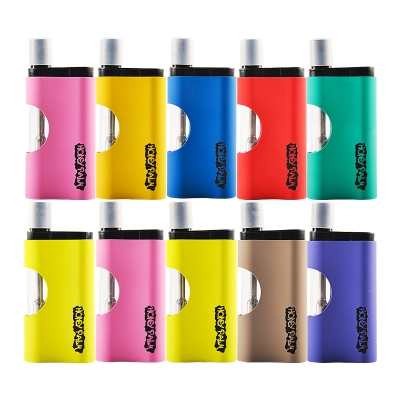
- 1 g single-chamber AIOs. Slimmer devices like Tyson Pod 1 g for more compact programs.
- 2 g single-chamber devices. Flagship models such as Tyson Punch 2 g, often with stronger emphasis on screen options and bolder industrial design.
- Screen vs non-screen variants. Some Tyson shells offer full-screen or partial-screen options, which impact BOM, QC complexity and retail positioning.
3.3. Why structure matters for MoFu buyers
A clear catalog structure helps MoFu buyers see where each chassis lives in the portfolio. If jungle boys disposable and tyson vapes families are mapped into distinct 1 g and 2 g buckets, it becomes easier to run A/B tests, control packaging variables and keep forecasting transparent across SKUs.
4. Engineering comparison: coil, airflow, sealing and ergonomics
Once capacities and aesthetics are defined, most informed buyers want to compare real engineering differences. Here, Jungle Boys and Tyson hardware families can be evaluated across four repeatable dimensions.
Both Jungle Boys and Tyson shells typically use ceramic-based atomizers tuned for higher-viscosity oils. Buyers should review pore structure, evenness of heating and how quickly the coil recovers after short bursts of usage. For portfolio consistency, the main question is whether 1 g and 2 g variants share similar draw curves and heat profiles.
Air inlet placement, internal channels and condensation traps drive perceived draw resistance. Tyson devices with screens sometimes integrate more complex pathways to accommodate displays, while Jungle Boys shells often prioritize straightforward AIO airflow with fewer visual distractions. In both cases, CV% on draw resistance across batches is a key QC metric.
Seals around the tank, mouthpiece and fill interface should be evaluated using upright/sideways storage tests over multiple temperature cycles. Because both brands are often shipped long distances as empty hardware, sealing performance must hold up through transit, warehouse staging and final filling.
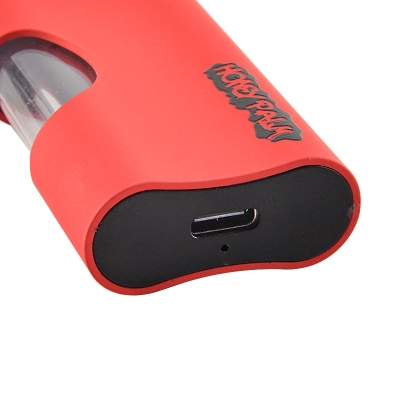
Shell geometry, mouthpiece angles and surface finish impact perceived quality. Jungle Boys housings tend to lean toward minimal, almost cartridge-style silhouettes, while Tyson vapes often emphasize grip, screen visibility and bolder edges. Field testing with existing adult users helps translate these design choices into real comfort scores.
4.1. Practical test routines you can reuse
For informed comparisons, teams often standardize simple test routines:
- Draw-resistance panel. Measure draw-resistance variance across 30 units per chassis, targeting a CV ≤ 10% for each of your main jungle boys disposable and tyson vapes candidates.
- Condensation & leak trial. Run 24 hours upright storage + 2 hours horizontal exposure at room temperature, then check for visible seepage and residue at key interfaces.
- Cap fit and torque window. Use calibrated torque tools to define the minimum and maximum acceptable cap torque range that prevents both loose fits and over-tightening.
These routines do not require lab-level infrastructure, but they give you data that can be compared across seasons and between Jungle Boys- and Tyson-style hardware lines.
5. Sourcing playbook: documentation, MOQs and where to start on Vapehitech
An informed MoFu comparison is not just about how hardware feels in hand; it also depends on the quality of documentation, MOQ strategies and how quickly the shells can be deployed across regions.
5.1. Documentation expectations
For both Jungle Boys and Tyson shells, informed buyers typically ask for:
- Dimensional drawings. Basic housing drawings with tolerance bands at critical points (cap, window, charge port, sealing surfaces).
- Materials statements. Reasonable declarations covering plastics, metals and elastomers used in the shells, aligned with mainstream electronics frameworks.
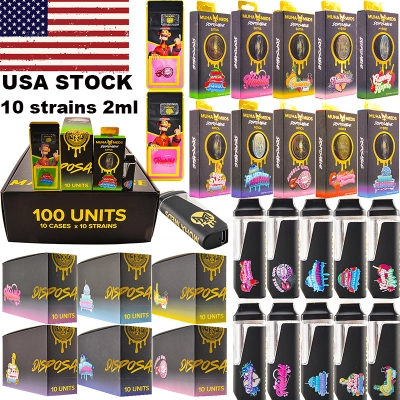
- Packaging specs. Layer-by-layer descriptions of how many devices sit in inner trays, cartons and master shippers, with indicative gross weights and carton dimensions.
On the Tyson side, a deeper walk-through of these topics can be found in the long-form Tyson vapes hardware guide, which outlines how to evaluate capacities, shells and supporting documentation for different program sizes.
5.2. MOQ ladders and pilot strategy
Whether you choose a Jungle Boys-style or Tyson-style chassis, a tiered MOQ ladder helps control risk:
- Pilot runs. Hundreds of shells per SKU to validate filling compatibility, packaging workflows and early customer reaction.
- Regional deployment. Low thousands per SKU when pilot data is stable and warehouse processes are aligned.
- Program scale. Tens of thousands per SKU once you have quantified reject rates, transit losses and channel feedback.
Empty hardware-only supply simplifies this ladder because you are not tying large volumes of filled product to a single form factor before the chassis proves itself.
5.3. Navigating Jungle Boys vs Tyson on Vapehitech
From a practical navigation standpoint:
- Start at Jungle Boys disposable review if you want to see how Jungle Boys shells behave against another non-Tyson competitor (Turn) using repeatable test criteria.
- Use the tyson vapes wholesale and Jungle Boys disposable wholesale hubs to compare 1 g vs 2 g SKUs and stock locations.
From there, MoFu buyers can shortlist 2–3 chassis per family and move them into formal pilot testing without committing to full-season volumes.
6. Risk, compliance and what “informed buyer” really means here
Because these shells are part of the broader electronics and packaging ecosystem, an informed buyer looks beyond simple marketing claims.
6.1. Hardware and materials frameworks
Many teams reference general electronics and materials frameworks rather than inventing new rules for each brand:
- Electrical and battery safety baselines. While this article does not dive deep into cell chemistry, responsible buyers still align their expectations with mainstream electronic device safety baselines and transport norms, requesting summaries or certificates where appropriate.
- Restricted-substance regimes. RoHS-style and similar frameworks for electronics help ensure that housings, solders and finishes stay within accepted limits for restricted substances. Asking for high-level declarations — even for empty hardware — supports downstream compliance work.
- Transit simulation and packaging durability. ISTA-style small-parcel simulation procedures give a structured way to stress-test Jungle Boys and Tyson shippers before full-season deployment, reducing the risk of transit-related cosmetic or functional damage.
6.2. Data discipline and feedback loops
Informed buyers also keep data on:
- Defect and DOA rates by chassis family. Tracking issues separately for Jungle Boys and Tyson shells helps you see whether one family consistently outperforms the other under your specific conditions.
- Customer support patterns. If adult end users report more draw inconsistency or cosmetic issues on one family, that signal should feed back into sourcing decisions.
- Warehouse and filler feedback. Notes from teams handling the shells daily often highlight subtle ergonomic or packaging differences that never show up in spec sheets.
Over time, this feedback loop matters more than any single marketing headline. It is what turns a one-off jungle boys disposable or tyson vapes order into a stable, defensible hardware pillar.
7. Decision guide: when Jungle Boys-style hardware wins, when Tyson-style wins
There is no universal winner between Jungle Boys and Tyson shells; instead, each family fits different roles in a balanced hardware portfolio.
7.1. When to favor Jungle Boys disposable-style hardware
- Connoisseur-facing channels. If your brand story leans into cultivation, genetics and “craft” positioning, Jungle Boys housings often align more naturally with that aesthetic.
- Minimalist hardware presence. For programs where devices should feel like quiet carriers rather than attention-grabbing gadgets, simple AIO Jungle Boys shells can complement the narrative.
- Portfolios built around 1 g intros. Jungle Boys 1 g housings are strong candidates when you prioritize smaller fills, samplers or tightly curated menus.
7.2. When to favor Tyson vapes-style hardware
- High-impact hero SKUs. Tyson 2 g housings with stronger silhouettes and, where applicable, screen features are well-suited for flagship lines and high-visibility campaigns.
- Tech-forward retail presence. When retailers expect screens, dynamic indicators or more “gadget” appeal, Tyson shells tend to check more boxes.
- Portfolios optimized around 2 g runs. Markets that reward fewer device changes and longer runtimes often lean toward Tyson-style 2 g chassis with correspondingly robust packaging.
Most informed buyers end up with a hybrid portfolio: Jungle Boys-style hardware for cultivation-forward SKUs and Tyson-style hardware for bold, hero products. The key is to be explicit about which role each family plays so that internal teams and partners are not guessing.
8. FAQ from procurement and QC teams
8.1. Are Jungle Boys and Tyson shells interchangeable in filling and packaging lines?
Not automatically. While both are disposable AIO shells, their geometries, cap mechanisms and packaging dimensions differ. In MoFu planning, assume they are not interchangeable until your filling and packaging partners confirm compatibility through pilot runs.
8.2. How much weight should we give to brand recognition vs. engineering differences?
Brand recognition matters for sell-through, but long-term portfolio health depends on engineering. A practical rule is to shortlist 2–3 Jungle Boys and 2–3 Tyson candidates that satisfy marketing requirements, then choose final SKUs based on leak rates, draw consistency, packaging performance and defect data.
8.3. Can we rely only on samples when comparing jungle boys disposable and tyson vapes?
Samples are a starting point, not an answer. Treat early samples as a quick sanity check on aesthetics and ergonomics, then move to structured pilot runs that measure repeatability across dozens or hundreds of units. Only then will you see how each family performs under real logistics and filling conditions.
8.4. Does Vapehitech ship finished Jungle Boys or Tyson vapes?
No. Vapehitech focuses exclusively on empty Jungle Boys and Tyson vapes hardware. All filling, testing and distribution of finished goods must be handled by licensed partners in legal adult markets (21+). This article supports engineering and sourcing decisions around empty shells only and does not provide health advice or recommend consumption.
3 Comments
Love this, very clear.
Nice info, thanks for sharing.
Great post, really helpful!