
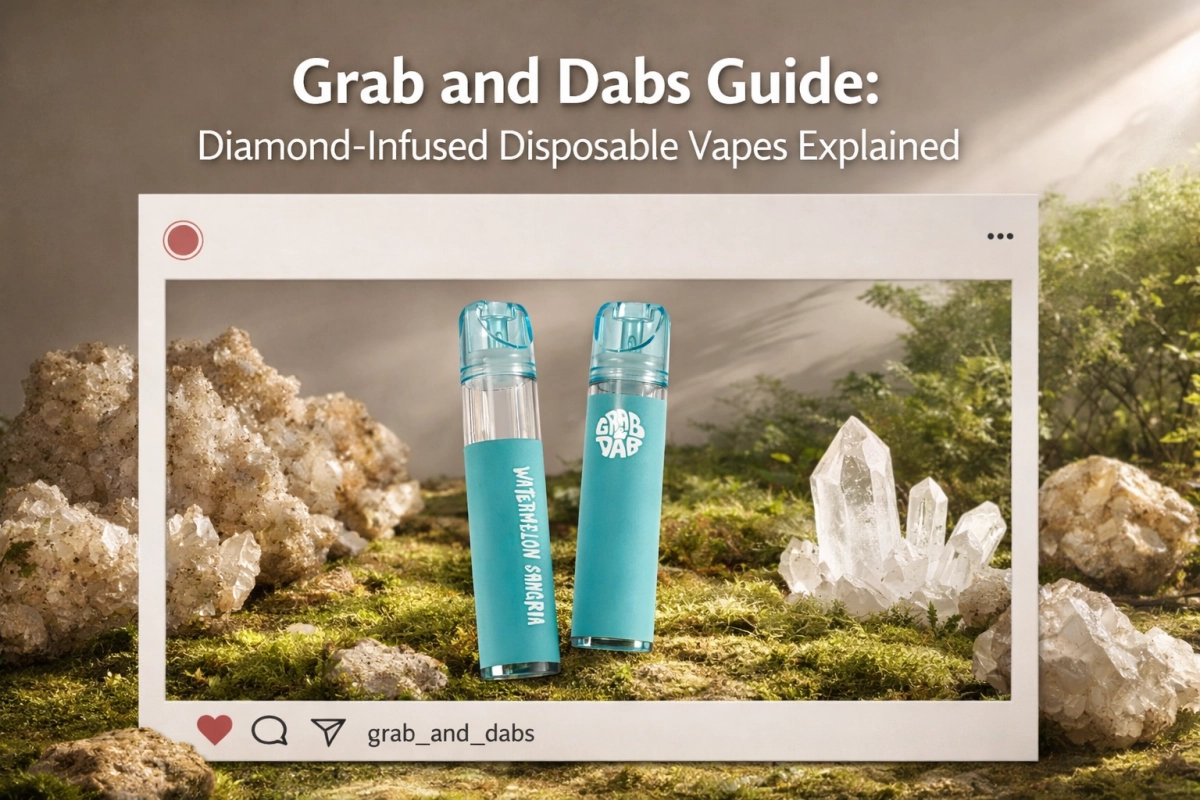
Scope: This page is empty only. It explains what “grab and dabs” typically means in today’s market, how “diamonds” and “liquid diamonds” are commonly used as terms, and what buyers can verify using labels, third-party documents, and receiving checks. We do not discuss contents, potency, medical effects, or any filling workflows. Brand names are used for identification only; this page is not affiliated with any brand owner.
Internal routing (pillar hub + SKU reference)
For a clean ToFu guide, route readers to a stable family hub (so naming stays consistent), then to one SKU page (so your team has a concrete reference), and finally to a tag index (so the topic cluster is easy to navigate).
ToFu routing rule
Use the family hub for understanding, then a single SKU page for visual reference, then a tag index for deeper reading.
- grab and dabs — family hub (pillar)
- liquid diamonds — related terminology hub (supporting cluster)
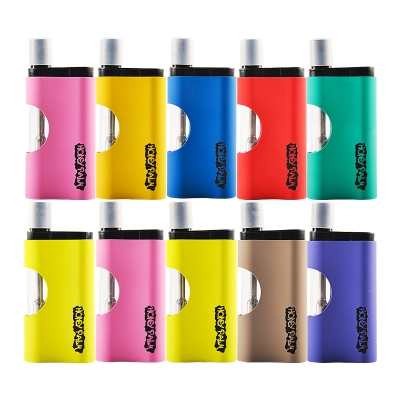
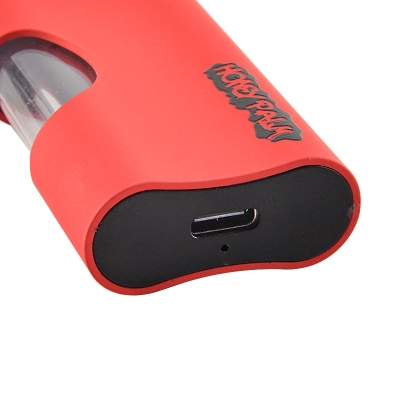
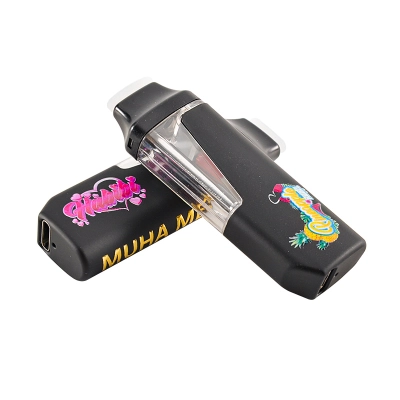
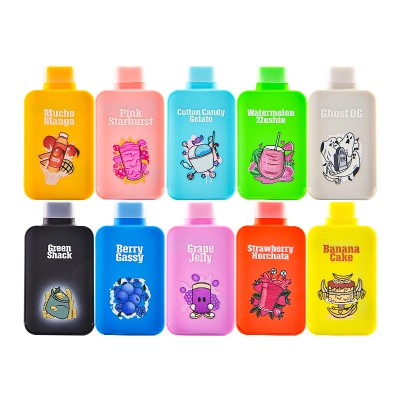
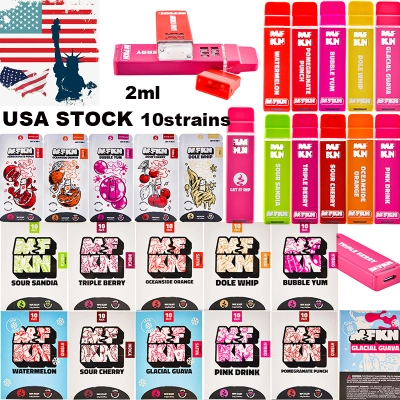
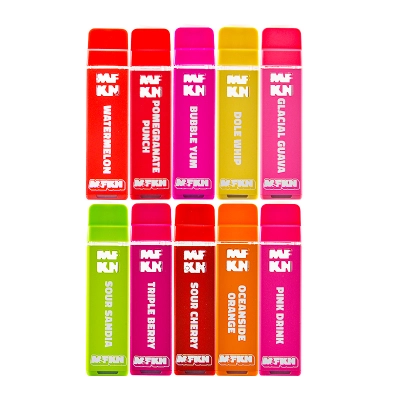
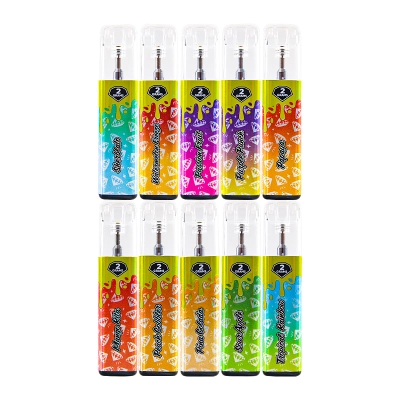
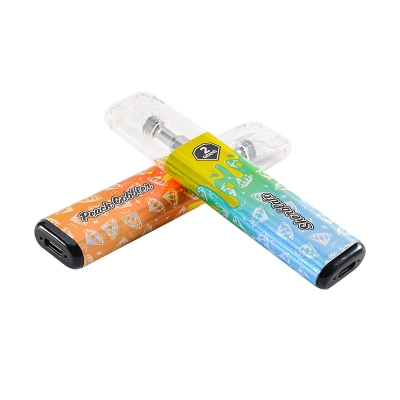
- Grab & Dab 2G postless — SKU reference page
- grab and dab guide — related reading (terminology depth)
- Grab and Dab tag — topic cluster index
What “grab and dabs” means in 2026
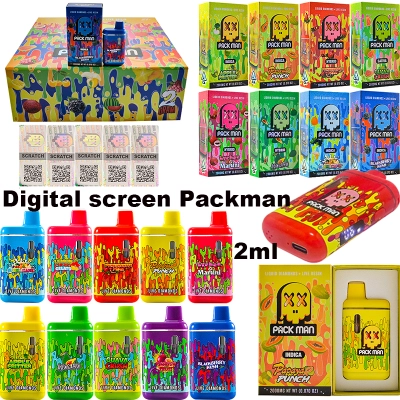
“Grab and dabs” is commonly used as a market label for disposable vape products that emphasize “diamonds” (often referring to high-purity cannabinoids in crystalline form) and “diamond-infused” positioning. In catalogs and packaging, the phrase usually signals: concentrate-forward branding, high-intensity positioning, and a focus on “premium extract” terminology.
Important context: these are market terms, not one universal formula
- Terminology varies by region and brand. One label’s “diamonds” may not match another’s internal definition.
- Marketing language can be broader than chemistry. “Infused” can mean different blending or sourcing claims.
- Verification is a documentation problem. Buyers reduce risk by checking label fields and third-party documents.
Why this matters for buyers
ToFu readers typically want clarity: what the words mean, what they might imply, and what you can verify without hype. Use this guide to standardize your vocabulary and reduce “same name, different run” confusion.
Diamonds vs liquid diamonds vs live resin (plain language)
The industry often uses three overlapping phrases. Here is a buyer-friendly way to understand them without relying on brand hype:
| Term | How it’s commonly used | What it usually implies | What to verify |
|---|---|---|---|
| Diamonds | “Diamonds” as a premium concentrate label | Crystalline cannabinoids (often described as THCA crystals) | Clear sample ID + batch/lot linkage in docs; method names and dates |
| Liquid diamonds | “Liquid diamonds” as a smoother “premium extract” phrase | A refined concentrate described as “diamond-like” in purity/appearance | Consistent labeling; realistic claims; document integrity and traceability |
| Live resin | Often positioned as “full-spectrum” flavor-forward concentrate | Terpene-rich concentrate positioning (definitions vary) | Look for consistent method naming and a credible chain of custody |
If you want an institution-level overview of cannabis concentrates and why potency/consistency are recurring issues, start with NIDA’s concentrates DrugFacts and cannabis research hub (linked in References).
What “diamond-infused” usually implies (and what it doesn’t)
In most marketing contexts, “diamond-infused” suggests that a concentrate blend includes a “diamonds” component (again: definitions vary). Buyers should treat this phrase as a claim that needs substantiation, not as an automatic quality guarantee.
What “diamond-infused” can imply
- Blend narrative: “diamonds” plus a carrier blend (the exact inputs vary by brand and jurisdiction).
- Premium positioning: a “top-shelf” label used to justify tiering.
- Customer expectations: buyers may expect consistent labeling, strong documentation, and fewer “mystery runs.”
What “diamond-infused” does not guarantee
- It doesn’t guarantee uniformity. Two lots can differ if revision/change control is weak.
- It doesn’t guarantee authenticity. Counterfeits can copy packaging language perfectly.
- It doesn’t guarantee compliance. Only documentation and traceability can support compliance claims.
ToFu honesty rule
Keep the page educational: define terms, explain what can be checked, and avoid “best,” “strongest,” or effect-forward claims. If a claim can’t be verified with documents, write it as “marketed as,” not “is.”
Label literacy: what to look for
Labels are where buyers can standardize expectations. Even before you read third-party documents, you can reduce confusion by checking whether the label provides enough information to map a unit to a lot and a document set.
High-signal label fields (buyer checklist)
- Batch/Lot reference: a clear batch indicator that matches other packaging levels (outer carton → inner pack).
- Manufacturer/brand identifier: consistent naming and contact references (watch for typosquats).
- Date fields: consistent date formatting and plausible chronology (avoid “floating” dates with no context).
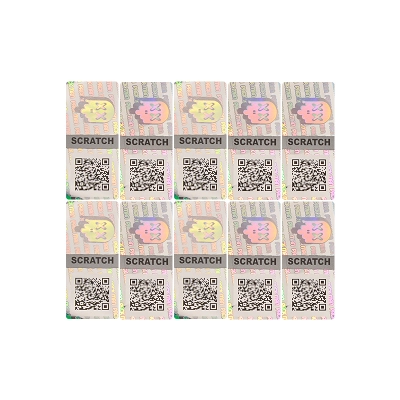
- Document pointer: a QR/URL that resolves to official brand resources (and not only a generic landing page).
For a practical guide on evidence-based marketing language and substantiation principles, see the FTC references linked below.
COA basics: how to sanity-check third-party docs
Many disputes happen because buyers accept a screenshot or an unlabeled PDF as “proof.” A third-party report is only meaningful when it is traceable to a sample ID, tied to a batch, and issued by a lab operating under a credible competence framework (often discussed in the context of ISO/IEC 17025 and accreditation bodies).
Five quick COA checks (beginner-friendly)
- Sample ID present: a unique sample identifier should appear prominently.
- Batch/lot mapping: the report should map to a batch/lot reference you can match to packaging.
- Dates make sense: collection/receipt/report dates are consistent and plausible.
- Methods are named: method references should exist (not just “passed”).
- Issuer is verifiable: the lab and/or accreditation body can be checked through public listings (see ILAC links in References).
ToFu take: documents should reduce ambiguity
If a report cannot be tied to a specific batch, it is informational at best. Build your sourcing policy around traceability, not around single-page screenshots.
ToFu checklist: 12 buyer-safe verification steps
Use this checklist to standardize what “grab and dabs” means in your sourcing workflow. It’s designed to be neutral and repeatable.
| # | What to check | Pass signal | Common red flag |
|---|---|---|---|
| 1 | Term alignment | Your team defines “diamonds”/“liquid diamonds” consistently in listings | Different teams use different meanings for the same SKU |
| 2 | Official path sanity-check | QR/URL matches official brand resources | Lookalike domains or “success” pages with no traceability |
| 3 | Batch/lot visibility | Batch exists and is consistent across packaging levels | No lot reference, or mismatched lot references |
| 4 | Document mapping | Documents show sample ID + batch mapping | Documents with missing sample ID or no batch link |
| 5 | Dates + chronology | Dates are consistent and plausible | Floating dates, inconsistent formats, or unclear issuance |
| 6 | Methods stated | Named methods appear (not just “pass/fail”) | “Passed” with no method context |
| 7 | Issuer verification | Issuer can be checked through public accreditation listings | Issuer has no verifiable footprint |
| 8 | Claim discipline | Listing language matches what documents support | Claims exceed what documents can demonstrate |
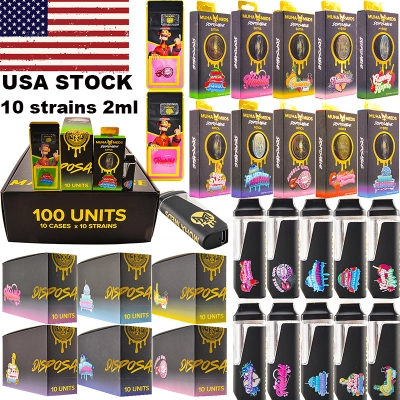
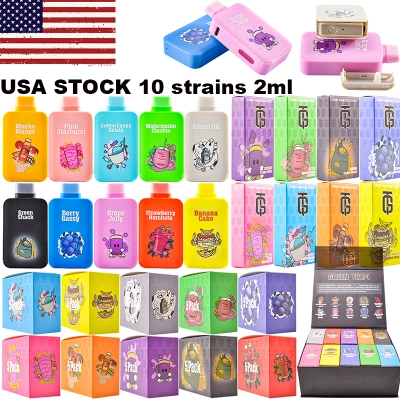
| 9 | Run consistency | Packaging and label fields are consistent across units in a sample | Mixed packaging elements in the same case |
| 10 | Revision/change notes | Supplier discloses changes between runs | Silent revisions described as “same product” |
| 11 | Receiving log | Photos + variance notes tied to lot references | No evidence when disputes arise |
| 12 | Neutral risk messaging | Listing avoids effect-forward promises and stays educational | Effect claims that increase compliance and dispute risk |
Public health agencies have warned about risks associated with THC-containing vaping products from informal sources. For an educational overview, see the CDC and FDA links in References.
Empty-only notes: what you can verify at receiving
Since this guide is empty only, focus your receiving checks on what is visible and documentable: packaging consistency, identifier logic, and traceability discipline.
High-signal receiving checks (non-technical)
- Packaging set consistency: outer carton, inner packaging, and label layout match within a lot.
- Print and finishing consistency: no obvious drift across units in the same case (a common sign of mixing).
- Identifier uniqueness signals: repeated identifiers are a strong risk indicator.
- Documentation completeness: reports and records map to batch references you can photograph and archive.
ToFu takeaway
“Grab and dabs” is best treated as a terminology cluster. You earn trust by defining words, documenting what you can verify, and keeping claims aligned with evidence.
FAQ
Is “grab and dabs” a regulated definition?
No. It is typically a market label. That’s why buyers should verify the claim set using label fields and third-party documents rather than relying on marketing phrases.
What’s the simplest way to reduce confusion for customers?
Standardize your wording across listings and explain “diamonds” and “liquid diamonds” as commonly used terms, then point to the exact batch-linked documents you rely on for verification.
How do I keep this guide educational (not salesy)?
Use neutral phrasing (“marketed as,” “commonly used term,” “verify via documents”), avoid effect-forward promises, and publish a repeatable checklist.
Can I rely on a single QR scan as proof?
A QR image can be copied. Treat scans as one input, then cross-check batch mapping, issuer verification, and consistency within a lot.
References
- NIDA: Marijuana Concentrates (DrugFacts PDF)
- NIDA: Cannabis (Marijuana) research topic hub
- ISO/IEC 17025 overview: testing and calibration laboratories
- ILAC: MRA and signatories overview
- ILAC: Signatory search (verify accredited bodies)
- CDC MMWR: THC-containing products and informal sources (context)
- FDA: Lung injuries associated with vaping products (public health focus)
- FDA: Safety communication on THC-containing vaping products (context)
- FTC: Advertising & marketing on the internet (Rules of the Road PDF)
- FTC: Advertising & marketing basics (substantiation principles)
- ISO 12931: Performance criteria for authentication solutions
- ISO 22383: Guidelines for authenticity and anti-counterfeiting solutions
References are provided for educational context on concentrates terminology, lab competence frameworks, document verification, claim substantiation, and authenticity/anti-counterfeiting guidance.
3 Comments
Simple and to the point.
Useful information. Appreciate it.
Nice post. Well written.