
How to use this comparison
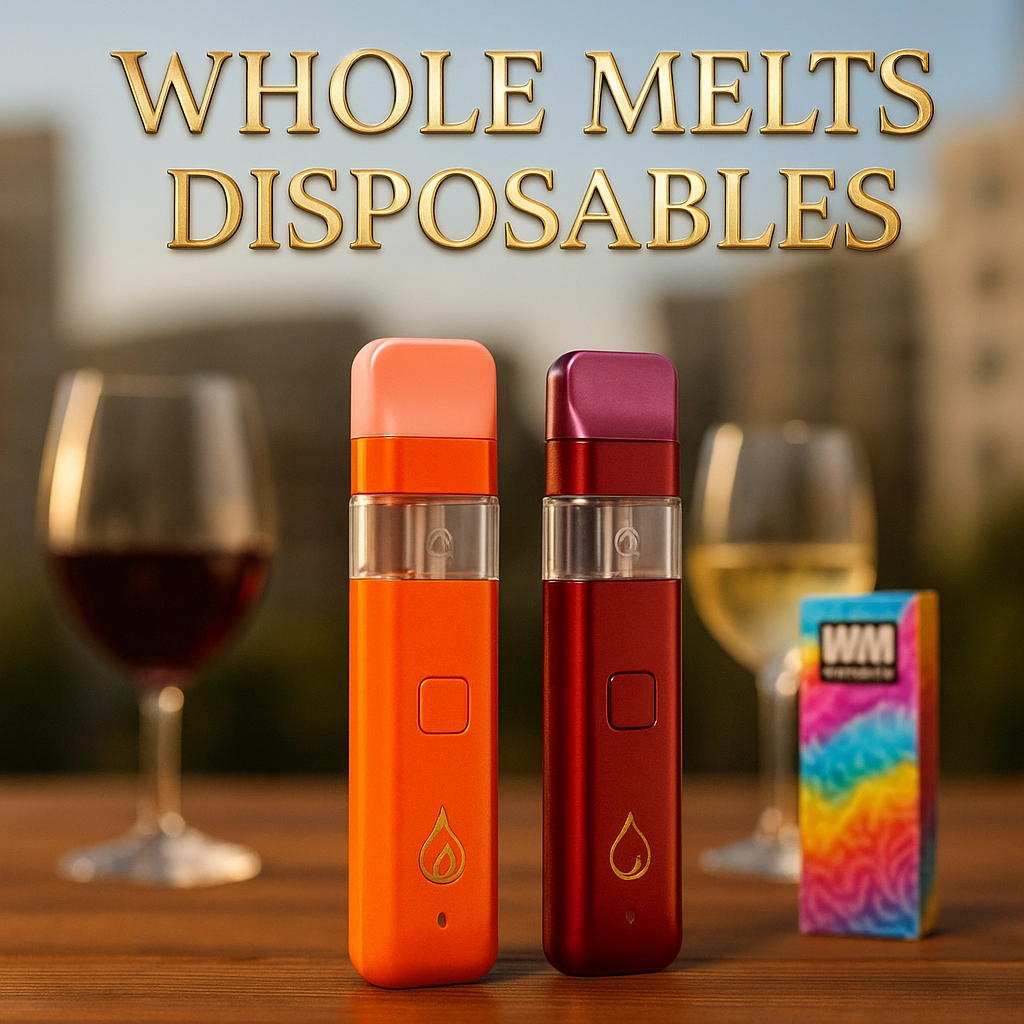
This page compares capacities, airflow feel, heating behavior, flavor line coverage and verification options across current models. For a catalog-style overview of formats and mouthpiece options, start with whole melts disposables, then use the table below to go deeper where needed.
All notes are informational. Availability, pricing and legal compliance vary by region and are out of scope for this page.
Models & Key Specs
| Model | Capacity | Heating / Coil | Airflow feel | NFC | Flavor line coverage | Read more |
|---|---|---|---|---|---|---|
| V5 | 2 g | Even thermal distribution focus | Smooth & slightly tighter | Optional tap-to-verify | Core strains + seasonal runs | See whole melt v5 |
| V6 | 2 g | Airway tuning update; runtime focus | Balanced, slightly freer than V5 | Model-dependent | Core strains + regionals | See whole melt v6 |
Flavor Lines & Consistency
Terpene profile and viscosity shift with storage and time; minor differences between lots are normal.
Stable airway resistance and uniform heat reduce “first-puff thin / last-puff harsh” swings.
Avoid hot cars or freezing; let devices equilibrate to room temperature before use.
Performance Notes (Airflow / Heating)
Airflow feel
V5 leans slightly tighter and more laminar for density stability on longer draws. V6 aims for a balanced feel that many describe as marginally freer while keeping draw smoothness.
Thermal behavior
Both generations prioritize even heating; V5 emphasizes uniformity across the load zone, while V6 pairs airway tuning with runtime stability. Differences are subtle but noticeable in back-to-back tests with thicker material.
Verification & Anti-Counterfeit
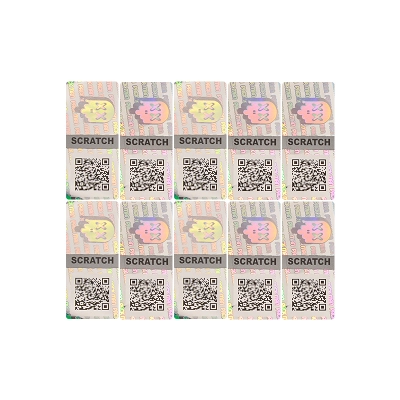
Where present, NFC tap-to-verify enables quick batch or guidance checks without changing operation. For technology background and specification families, see the NFC Forum.
How We Test (Methodology)
- Environment: 22 ± 2 °C; 45 ± 10% RH; sea-level pressure.
- Airflow/pressure: Draw simulator at 10–18 L/min; inline differential pressure sensor.
- Thermal tracking: Type-K micro-probe near the load zone; 10 Hz logging for 20 s draws.
- Condensate proxy: Chimney deposit collected with pre-weighed swab after 20 standardized puffs.
- Power behavior: Inline meter logs voltage sag/current under load (if rechargeable).
New to the format? Our foundational guide on whole melt extracts disposable explains extraction, device layout, and terminology.
Which model suits which use case?
| Use case | Recommended focus | Why |
|---|---|---|
| Consistent density on long draws | V5 (uniformity emphasis) | Slightly tighter, smoother path stabilizes vapor density across the puff. |
| Balanced, easy draw feel | V6 (airway tuning + runtime) | Marginally freer draw with attention to steady output over the session. |
| Verification workflow | Models with NFC tap | Optional batch/guidance checks add transparency without changing operation. |
For generation-specific background on V5 changes, read the V5 generation overview.
Packaging & shipping context for lithium batteries: see UN 38.3 (UNECE Manual of Tests and Criteria). This is a framework reference, not a certification statement.
FAQs
Why do airflow preferences differ so much between users?
Draw strength, lung capacity, and flavor expectations vary. A slightly tighter path helps some users keep density stable; others prefer freer draws for shorter puffs.
Does NFC verification affect performance?
No. NFC is for verification and guidance; it does not change power or airflow behavior.
Are flavors identical across V5 and V6?
Flavor lines overlap, but perception depends on batch, storage temperature, and draw style. Consistent airway and heat delivery help reduce variability but do not remove it.
Disclosure & Editorial Process
This comparison is informational and non-promotional. It does not include pricing or purchase advice.
- Authorship: Prepared by the VapeHiTech editorial team; engineering review by a device engineer.
- Conflict of interest: VapeHiTech participates in hardware manufacturing/distribution. Observations are bounded by the test methods above and may vary by material and environment.
- Review cadence: Technical review every 6 months or after material design changes. Last review: .

Reviewed by: Hardware Reviewer · Device Engineer
Updated: 2025-10-16


3 Comments
I’ve been following the vape market too — your analysis matches what I’m seeing locally.
Good to see someone focusing on product quality and consistency instead of just hype.
Can you make a post comparing different products next time? That’d be super useful!