

Scope: This review is empty only. We evaluate the device format, component stack, and mechanical compatibility signals that B2B buyers can verify at receiving. We do not discuss contents, potency, medical effects, or any filling workflows. “CCELL” is a registered brand/technology; this page is not affiliated with CCELL or Polkadot.
What buyers mean by “polkadot vape” (MoFu intent)
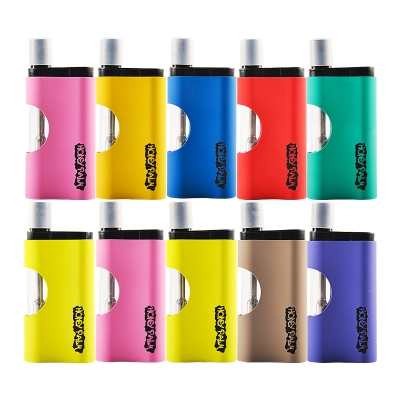
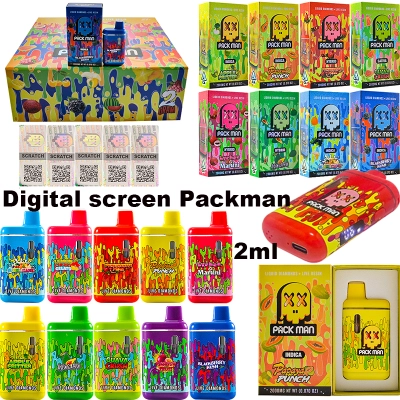
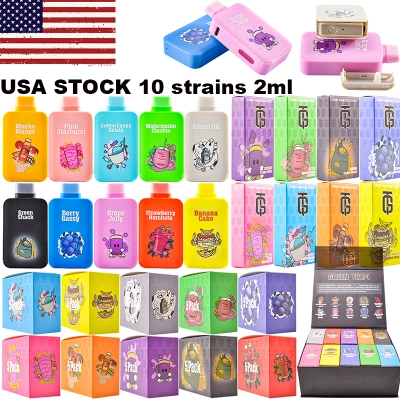
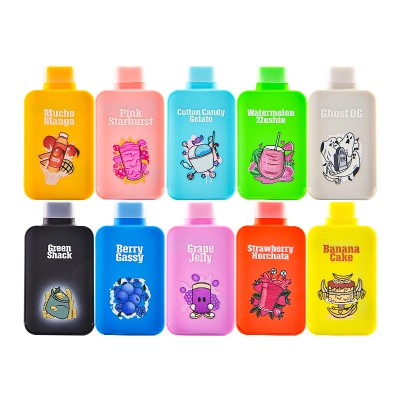
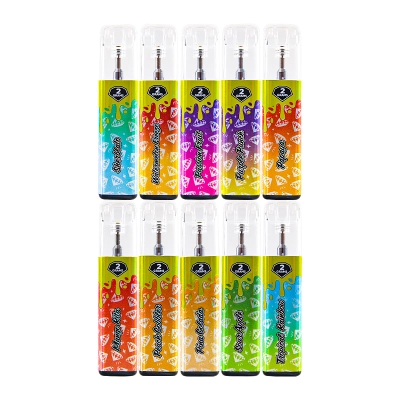
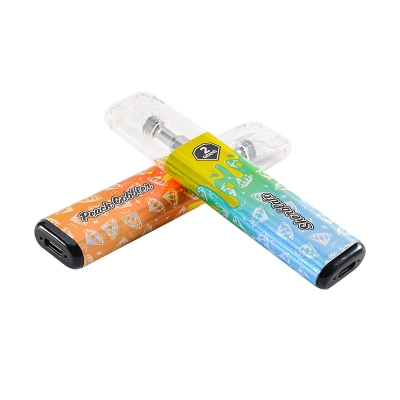
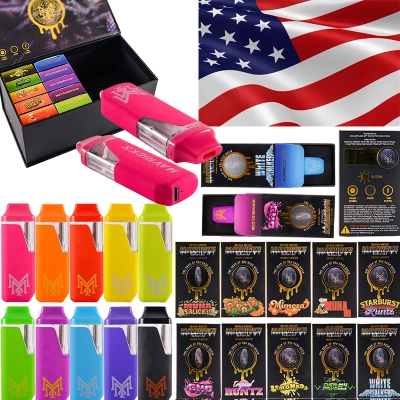
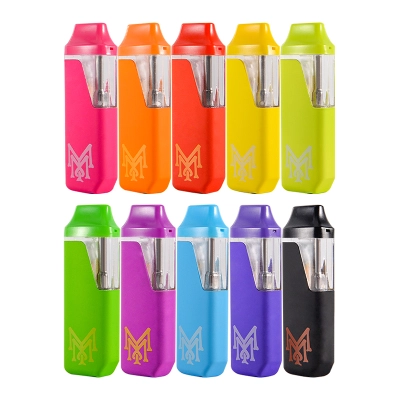
In B2B catalogs, polkadot vape typically functions as a shortcut for a recognizable product family (form factor + visual identity) rather than a single universal spec. For MoFu readers, the practical question is: what exact empty device format is being requested, and what can you verify to avoid “looks similar” substitutions. Start from a stable hub, then drill down to a specific SKU page so your team can keep naming and expectations consistent.
MoFu routing rule
Use the category hub for intent (“show me the family”), and a SKU page for verification (“this exact build”). That single habit reduces returns caused by “same name, different run.”
- polkadot vape — family hub (best for navigation)
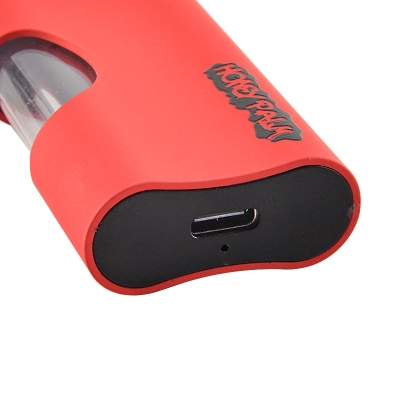
- Polkadot 1ml rechargeable disposable — SKU reference (best for verification)
Where CCELL technology shows up in premium components
“CCELL technology” is commonly associated with a porous ceramic heating structure designed to support consistent wicking/atomization and reduce harshness in premium configurations. For an internal view of CCELL-class cartridge families (and how they’re described in sourcing language), your site’s hub is the cleanest starting point: ccell.
For a buyer-safe interpretation, treat CCELL references as a component-level claim that must be verified by documentation (BOM, material declarations, batch traceability), not by photos alone. CCELL’s official materials emphasize ceramic platforms and cartridge architectures; use them for terminology alignment, not for marketing copy.
What “premium components” usually means (verifiable, not vibes)
- Material transparency: borosilicate glass / stainless / compliant polymers, with supplier declarations.
- Seal discipline: consistent O-ring compression, leak-resistant joints, repeatable assembly torque/press fits.
- Geometry control: stable inlet/air path geometry and thread/contact dimensions that don’t drift run-to-run.
Review method: how we rate performance without hype (empty only)
Because this page is empty only, “performance” is evaluated as mechanical repeatability + build-quality signals that correlate with stable customer outcomes (fewer leaks/returns, fewer cross-compat tickets, cleaner catalog clarity). We avoid unverifiable claims and focus on checks a receiving team can actually run.
What we look at (MoFu buyer lens)
- Fit & finish: thread start smoothness, burrs, flash, mouthpiece alignment, joint gaps.
- Seal integrity signals: consistent O-ring seating and compression, clean interface surfaces.
- Airflow repeatability: consistent draw across samples (subjective, but useful when standardized internally).
- Run control: revision labeling, lot traceability, and change-control documentation.
How to keep the review “standards-backed”
Use attribute sampling plans for receiving inspection (AQL-based) and document what you can measure. If your team already uses ANSI/ASQ Z1.4, map it to ISO 2859-1 language for global supplier conversations.
Performance checks: draw stability, leak control, clog resistance
For MoFu buyers, the goal isn’t a perfect lab number; it’s a repeatable customer experience with fewer support tickets. These checks are intentionally simple: they flag risk early before you scale a listing.
1) Draw stability (sample-to-sample consistency)
- Pass signal: similar draw feel across a small receiving sample; no “one tight, one open” extremes.
- Common causes of variance: airflow-path misalignment, inconsistent press fits, or drifting internal geometry.
- Buyer action: quarantine the lot if variance clusters; request run-level change notes.
2) Leak control (orientation + handling stress)
- Pass signal: joints remain dry after normal handling and short orientation changes.
- Where issues start: joint flatness, poor seal compression, or micro-gaps at interfaces.
- Buyer action: add a receiving photo standard (same angles, same lighting) to detect drift across lots.
3) Clog resistance (risk indicators you can actually verify)
- What you can verify: inlet geometry consistency, clean machining, centered airflow path, stable assembly alignment.
- What to avoid claiming: guaranteed outcomes based on brand phrases or marketing descriptors.
- Buyer action: require documented process controls and dimensional checks for the critical interfaces.
MoFu writing rule for “performance” sections
Only say what your team can confirm at receiving (dimensions, materials, joints, labels, traceability). If you can’t verify it, don’t promise it.
Feature breakdown: materials, seals, airflow, mouthpiece
Materials & “premium” expectations
Premium positioning typically aligns with borosilicate glass usage (where applicable), corrosion-resistant metals, and consistent polymer selection with declarations. The industry often references borosilicate properties in standards contexts (e.g., ISO 3585 for borosilicate glass 3.3) and glass classification work (e.g., ASTM E438 for laboratory apparatus glasses). You don’t need to quote standards inside listings—but you can use them to shape supplier documentation requirements.
Seals & interfaces (where returns are born)
- O-rings: verify seating, compression, and surface cleanliness.
- Press fits / snap fits: confirm repeatability across samples and look for stress whitening/cracks on polymers.
- Mouthpiece alignment: misalignment is a common proxy for deeper assembly drift.
Airflow architecture (simple checks that matter)
Even without discussing contents, airflow design is still a buyer-facing differentiator because it impacts draw feel and complaint rates. A practical habit is to standardize a “draw feel” rubric inside your receiving SOP (same evaluator, same timing, same scoring).
When to use a cartridge hub instead of an all-in-one page
If the buyer’s intent is clearly cartridge-driven, route them through a cartridge category first so compatibility expectations stay clean across SKUs.
Compatibility analysis: fit signals, thread expectations, mismatch risks
“Compatibility” is where most MoFu confusion happens. Buyers may use the same phrase for visual similarity, thread fit, or catalog grouping. This section keeps it mechanical: what fits, what doesn’t, and how to reduce mismatch risk.
510 ecosystem expectations
If your SKU is 510-threaded (or marketed in a 510 ecosystem), compatibility should be treated as a tolerance and interface problem, not a marketing claim. Your own overview is a good internal reference for teams standardizing terminology: 510 threading.
Fit checklist (practical, MoFu-safe)
- Thread start + smoothness: no cross-thread feel; no gritty starts.
- Seating depth: consistent stop point across samples; no wobble.
- Air path alignment: avoid partial blockage from misaligned internal parts.
- Lot-to-lot stability: insist on revision control when any interface changes.
Compatibility takeaway
When a buyer says “compatible,” ask: compatible with what exact interface (thread + seating + airflow)? Then document it once and keep it stable across the catalog.
Buyer scorecard: incoming inspection & sampling plans
If you want this review to convert MoFu readers without being salesy, give them an inspection framework they can copy into SOPs. The scorecard below aligns with AQL-based attribute sampling (ISO 2859-1 / ANSI/ASQ Z1.4 style thinking) and basic tolerance discipline (ISO 2768 family).
| Checkpoint | What to inspect | Pass signal | Typical failure | Buyer action |
|---|---|---|---|---|
| Interface fit | Thread start, seating depth, wobble | Smooth start, consistent stop, stable seating | Cross-thread feel, inconsistent seating | Quarantine lot; request revision notes |
| Seal discipline | O-rings, joint surfaces, gaps | Clean surfaces; consistent compression | Pinched O-rings, visible micro-gaps | Tighten receiving checks; require photos + rework policy |
| Assembly alignment | Mouthpiece alignment; straightness | Centered, repeatable alignment | Skewed alignment; stress marks | Request process control evidence; reject if recurring |
| Airflow repeatability | Standardized draw scoring across samples | Scores cluster tightly | Wide variance (tight vs open) | Escalate to supplier; ask for critical-dimension checks |
| Run control | Lot ID, revision label, change control | Traceable lots; clear revisions | No traceability; silent changes | Don’t scale listing until documented |
Sampling plan note (keep it simple)
Choose a consistent inspection level, set an AQL that matches your risk tolerance, and document acceptance/rejection criteria. If you operate globally, keep ISO 2859-1 terminology handy; if you operate in ANSI-heavy workflows, map it to Z1.4 internally.
Verdict: best use-cases for MoFu buyers
As a MoFu “commercial review,” the safest conclusion is about fit to workflow, not hype. A Polkadot-family empty device is best positioned when you (1) keep naming consistent, (2) verify the component stack via documentation, and (3) enforce a simple receiving scorecard so lots don’t drift silently.
Strong fit when you need
- Catalog clarity: one family hub + one SKU reference page per build.
- Compatibility confidence: documented interface expectations and a repeatable receiving rubric.
- Fewer returns: stable run control and visible traceability.
Watchouts
- “Same name, different build” risk: treat revisions as new SKUs unless proven identical.
- Photo-based sourcing: don’t approve based on images alone; require traceable documentation.
FAQ
Is this a consumer review of contents or effects?
No. This page is empty only and evaluates device components, build quality signals, and mechanical compatibility.
How should I use “CCELL” language in listings?
Use “CCELL” only when you can support it with documentation. Otherwise, write in component terms (ceramic structure, materials, seals, interface fit) and keep claims verifiable.
What’s the fastest way to reduce “compatibility” complaints?
Standardize your interface language (what exactly is compatible with what), keep a stable naming pattern, and run a simple receiving scorecard with traceable lots.
References
- CCELL official: Technology overview
- CCELL official: Ceramic-EVOMAX cartridge
- CCELL official: TH2-EVOMAX cartridge
- ISO 2859-1: Sampling procedures for inspection by attributes (AQL indexed)
- ASQ: ANSI/ASQ Z1.4 & Z1.9 overview (acceptance sampling)
- ISO 2768-1: General tolerances (linear & angular)
- ISO 2768-2: General tolerances (geometrical)
- ISO 286-2: Limit deviations for holes and shafts (fits system)
- ISO 3585: Borosilicate glass 3.3 — Properties
- ASTM E438: Glasses in laboratory apparatus (classification & properties)
References are provided for educational context on component terminology, sampling discipline, and tolerance frameworks relevant to repeatable B2B sourcing.
3 Comments
Simple and informative.
Straight to the point. Appreciate it.
Nice content. Well written.