
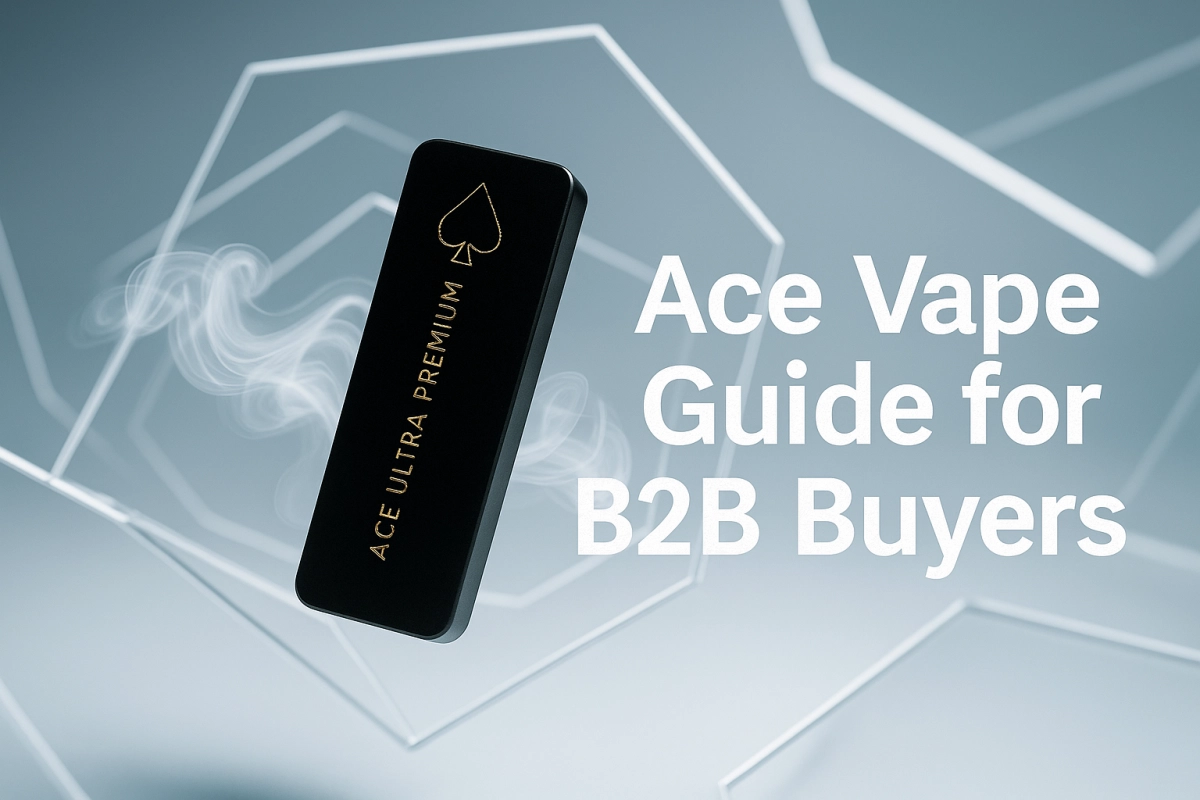
Ace Vape · ToFu Guide · Empty Hardware Only
Scope. This guide explains what people usually mean by ace vape in 2025, with a focus on empty 1 g and 2 g Ace hardware lines, core specs, and typical B2B use cases. It is written for 21+ readers and licensed B2B buyers. Vapehitech supplies empty hardware only and is not affiliated with any oil brands. We do not sell or fill THC, CBD, nicotine, or any consumable oils, and nothing here is medical or legal advice.
On Vapehitech, ace vape is organized as a hardware family, not as filled THC products. For a brand-level view of the full lineup, start with the ace vape collection. If you need a focused overview of all-in-one shells only, use the ace vape pen hub. Capacity-based decisions usually split between 2g aces for higher-volume programs and ace 1g formats for tighter dosing or regulated markets. For shell-only authenticity and packaging checks, see our Ace Ultra authenticity guide.
1) What “ace vape” means in 2025
In search data and market conversations, ace vape can mean several different things at once:
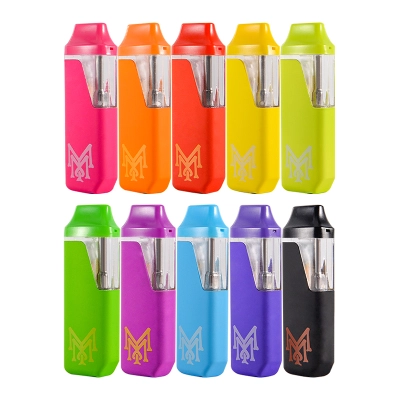
- the general Ace Ultra Premium design language (rectangular AIO with soft edges),
- specific Ace 1 g and 2 g disposable shells used by licensed fillers, and
- finished THC, CBD, or other oils sold by third-party brands using Ace-style hardware.
This guide abstracts away from oil formulas and branding disputes. We treat ace vape as a hardware cluster: a family of empty devices with consistent ergonomics but different capacities, finishes, and feature sets. For B2B buyers, that is the layer you can standardize, qualify, and document without taking a position on any particular oil.
Key idea. When you plan an “ace vape” program in 2025, separate the conversation into: (a) hardware spec (inlets, resistance, battery, charging, screen or no screen), (b) filling behavior and coil/oil compatibility, and (c) packaging, labelling, and regulatory fit for your market.
2) Ace vape hardware families: 1 g, 2 g & collabs
At the empty-hardware level, ace vape shells break down cleanly into three main families.
2.1 Ace 1 g shells
Classic 1 g Ace devices are designed around controlled, moderate-volume use. Typical characteristics include:
- Fill volume. Around 1 ml (≈1 g) total capacity, which helps keep per-unit potency manageable in strict markets and simplifies dosing for medical or wellness programs.
- Coil spec. A ceramic coil in the ~1.2–1.6 Ω range, optimized for medium power and stable wicking with modern distillate or live-resin formulations.
- Battery. A sealed Li-ion cell sized to comfortably empty the tank under normal use, with enough overhead to avoid deep discharge at the very end of the fill.
- Form factor. Pocketable bar shape with soft corners, minimal external protrusions, and a fixed mouthpiece.
Because 1 g ace vape shells carry less total oil, they can be easier to position in markets with strict THC-per-unit caps or conservative dose expectations. They also tend to be lighter and less intimidating for first-time customers.
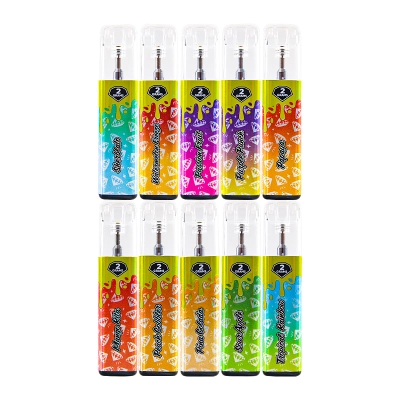
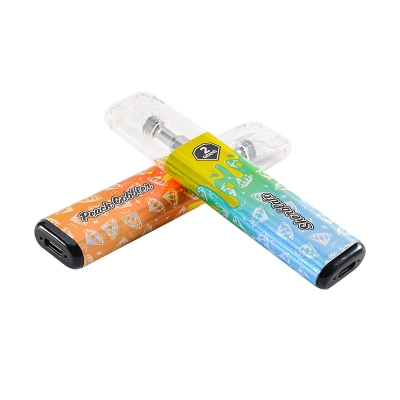
2.2 Ace 2 g shells
2 g ace vape hardware is built for higher-volume programs and heavier users. Compared with 1 g devices, 2 g shells usually feature:
- Double the fill volume, often in a slightly thicker body with a larger internal reservoir.
- A higher-capacity battery to support the larger tank, which increases the importance of robust battery management and transport compliance.
- More aggressive airflow to keep draw effort reasonable even as oil viscosity or ambient temperature changes.
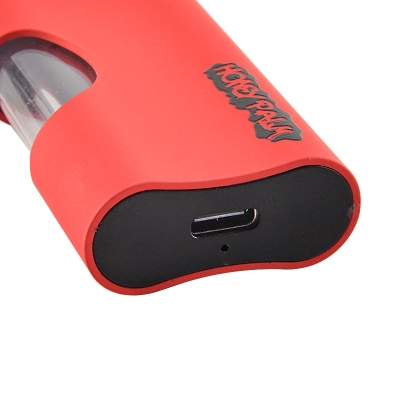
- Room for premium features like USB-C charging, battery and oil windows, or small indicator lights.
For licensed fillers, 2 g aces are attractive because they reduce packaging waste per gram, increase convenience for regular users, and support premium positioning. The trade-off is a tighter margin for error on oil stability, coil design, and thermal management: more oil means more opportunity for flavor drift or degradation if the program is not dialed in.
2.3 Collabs and design variants
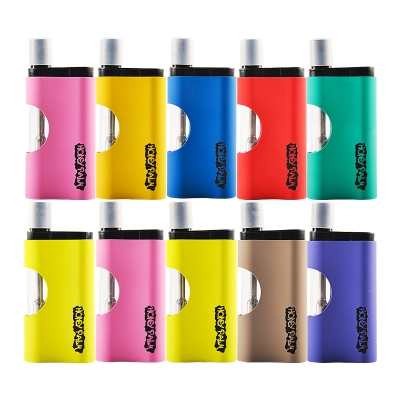
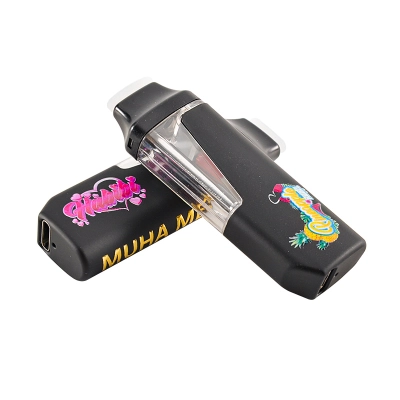
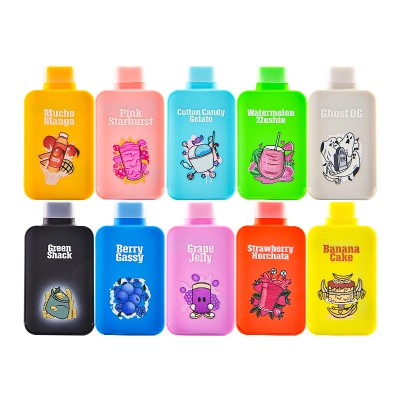
The core ace vape silhouette also appears in special editions and collaborations: different colorways, finishes (matte vs. gloss), and co-branded shells. From a hardware perspective, most of these remain within the same 1 g or 2 g architecture. What changes are:
- Exterior finishes and printing (e.g., seasonal designs, “love edition,” brand collabs);
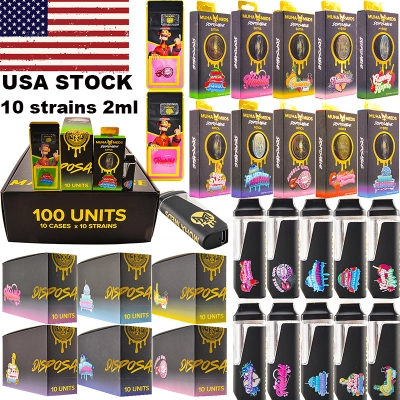
- Packaging layouts (box size, tray counts, master case design);
- Optional features such as indicator lights or simplified screen readouts.
When you qualify these variants, focus on whether the internal bill of materials (BOM) – coil, battery, chipset, and airway geometry – is still part of a validated Ace platform, or whether the collab introduced unvetted modifications.
3) Core specs that matter for fillers & brand owners
For B2B teams, ace vape conversations should be anchored on measurable parameters, not just colorways and marketing language. Four spec areas usually matter most.
3.1 Inlets, coil, and power profile
- Inlet geometry. For modern distillate and live-resin oils, many fillers target at least four inlets with diameters in the 1.5–1.6 mm range or an equivalent cross-sectional area. The goal is to prevent starved wicking when viscosity spikes in cold conditions.
- Coil resistance. Ace-style coils in the 1.2–1.6 Ω band paired with modest voltage ranges keep power in a sweet spot: enough to atomize viscous oil, but not so high that it scorches terpenes or drives premature carbonization.
- Thermal stability. Consistent resistance and tight manufacturing tolerances help flatten hot spots and keep flavor reproducible from unit to unit.
3.2 Battery, charging, and safety features
Most ace vape shells rely on sealed lithium-ion cells. For these cells, global markets increasingly expect alignment with safety standards such as UL 8139 for electronic cigarette electrical systems and IEC 62133-2 for portable lithium batteries, alongside UN 38.3 transport testing for shipping. Even when you are not claiming formal certification on every SKU, designing “to the spirit of” these frameworks is becoming a baseline expectation among sophisticated buyers.
On the feature side, B2B buyers tend to push for:
- Over-charge, over-discharge, and short-circuit protection baked into the PCB;
- Reasonable charge currents over USB-C so devices do not overheat on common wall adapters;
- Clear user feedback (for example, LED blink patterns) on low battery, end-of-life, and fault conditions.
3.3 Airflow and draw profile
From a user perspective, draw profile often matters more than abstract coil specs. Ace vape programs that perform well in the field usually document:
- target pressure drop ranges for a “cigarette-like” or “smooth” draw;
- how airflow changes as oil level drops and as the device ages; and
- tolerances for off-axis or hard pulls that can trigger leaks or spitback.
Those details should feed back into your vendor selection and AQL criteria, not just into marketing copy.
3.4 Packaging interface
Finally, ace vape shells do not live in a vacuum: they must sit cleanly inside primary packaging, trays, and master cases. That means aligning device dimensions with:
- child-resistant and tamper-evident features mandated in your jurisdiction;
- label real estate for warnings, batch IDs, and scannable codes; and
- logistics constraints such as carton weights, pallet patterns, and thermal exposure limits.
4) Use cases: matching ace vape shells to programs
Once you understand the ace vape hardware families and specs, you can map them to real-world programs instead of treating them as interchangeable SKUs.
4.1 First-time and cautious users
For first-time or low-tolerance consumer segments, many brands lean toward 1 g ace vape shells combined with moderate potency and conservative serving-language on the label. Benefits include:
- lower total THC per unit (where applicable),
- simpler per-puff or per-session guidance, and
- less intimidating physical volume in hand and pocket.
4.2 Frequent and heavy users
Heavier users and certain medical programs often prefer 2 g aces. These devices reduce per-gram packaging overhead and cut down on frequent repurchases or refills. To make this work safely, you need:
- a clearly articulated maximum THC-per-package policy where cannabis is legal,
- robust coil and oil testing to avoid flavor collapse halfway through the reservoir, and
- battery and transport documentation that satisfies your distributors and insurers.
4.3 EU and other highly regulated markets
In stricter markets – for example, where THC caps per package or per serving are tight – 1 g ace vape programs can act as a “compliance-friendly” option. Here, Ace hardware needs to be integrated into a broader compliance design that covers:
- plain packaging or restricted branding requirements,
- large, mandated health warnings on primary panels, and
- restrictions on flavor names, imagery, and youth appeal.
4.4 Collabs and premium SKUs
For collaborations and high-end lines, ace vape shells with distinctive colors, soft-touch finishes, or special editions can anchor visual identity. The critical thing is to treat these programs as add-ons to a validated technical base, not as excuses to bypass your usual QC or safety checks.
5) Safety & compliance frame for ace vape hardware
No matter how mature your ace vape portfolio becomes, it will always sit inside a broader safety and regulatory landscape. Hardware checks cannot eliminate all vaping-related risks, but they can reduce obvious hazards and show regulators that you are acting in good faith.
5.1 Electrical and battery safety
For lithium-powered vape devices, the most commonly referenced frameworks include:
- UL 8139 – covers electrical systems of electronic cigarettes and vaping devices, focusing on battery, charging, heating elements, and protection circuits.
- IEC 62133-2 – sets requirements and tests for safe operation of portable sealed secondary lithium cells and batteries in consumer products.
- UN 38.3 – defines transport tests that lithium batteries must pass before shipping by air, sea, road, or rail.
Your ace vape hardware roadmap should document which cells are used, how they are qualified against these standards, and how test summaries or certificates are stored for downstream partners.
5.2 Public-health context for vaping
At the same time, public-health authorities like the U.S. Centers for Disease Control and Prevention (CDC), national health agencies, and the World Health Organization (WHO) are consistent on one point: no e-cigarette or vape is risk-free, particularly for youth, young adults, and pregnant people. Their summaries highlight:
- nicotine addiction and effects on adolescent brain development,
- exposure to ultrafine particles, heavy metals, volatile organic compounds, and flavoring chemicals that may not be safe to inhale, and
- limited long-term data but increasing concern about respiratory and cardiovascular harm.
That context should inform your ace vape messaging and positioning, even if you only sell empty hardware. Avoid implying that any device is “safe” in an absolute sense; instead, focus on responsible design, compliance, and education.
6) Sourcing, validation & QC for Ace lines
An ace vape program works best when it is built on predictable, documented hardware. In practice, that means treating each Ace shell as a controlled component rather than a commodity.
6.1 From samples to pilot lots
- Start with engineering samples. Verify basic fit and finish, run small bench tests for coil behavior, and check that devices survive your filling and capping process without leaks or cracks.
- Move to pilot lots. Fill a statistically meaningful number of 1 g and 2 g aces under real conditions, then track leak rates, DOA units, flavor consistency, and user feedback over time.
- Lock in a reference configuration. Once a platform performs well, freeze key variables (coil spec, cell type, plastics, adhesives) so you can spot unauthorized changes later.
6.2 AQL and incoming inspection
Most mature programs adapt attribute sampling and AQL tables to define how many units are inspected per incoming lot. For ace vape hardware, checks often include:
- cosmetic inspection (scratches, misprints, logo alignment),
- mechanical integrity (mouthpiece fit, body seams, USB-C receptacle quality),
- basic electrical testing (open-circuit voltage, resistance range), and
- post-fill checks for leaks, blockages, and misfires.
6.3 Documentation and change control
Finally, treat ace vape hardware as part of your quality system:
- maintain drawings, material declarations, and test reports for each Ace platform;
- require written notice and re-qualification for any BOM or process changes from your supplier; and
- tie each filled batch to a specific hardware lot in your traceability records.
7) Where ace vape fits into your risk boundary
Empty ace vape hardware can be a strong building block for regulated programs, but it does not eliminate the broader health or policy debates around vaping. To keep your risk profile clear:
- define which segments of your portfolio will use Ace-style hardware and why,
- make sure labels and marketing reflect what health agencies actually say about vaping risks, and
- separate your hardware positioning from any claims about oil-derived health effects or therapeutic benefits.
In other words, treat Ace as a versatile device platform, not as a guarantee of safety or as a shortcut around compliance.
8) FAQ & next steps
Does choosing ace vape hardware make my products safer?
Choosing well-designed ace vape hardware can reduce certain risks, such as electrical faults, overheating, or leaks, especially when aligned with standards like UL 8139, IEC 62133-2, and UN 38.3 transport tests. It does not make vaping safe overall. Oil formulation, lab testing, packaging, marketing, and consumer behavior all remain critical.
Is 2 g ace hardware always better than 1 g?
No. 2 g aces are more convenient for heavy users and can reduce packaging per gram, but they also concentrate more potency into a single device and require tighter control of coil design, oil stability, and labelling. Many brands run 1 g and 2 g programs in parallel for different customer profiles and regulatory environments.
How should I use this guide inside my company?
Use it as a shared reference for product, compliance, and operations teams. Turn the spec and safety sections into a short internal checklist: which ace vape platforms you approve, what tests they must pass, how you document changes, and how you talk about these devices externally without over-promising on safety.
Disclaimer: This article is for B2B hardware and packaging education only. It does not promote the use of controlled substances, does not endorse any specific oil formulation, and does not provide medical or legal advice. Always follow local laws and consult qualified professionals when designing your products and compliance strategy.


2 Comments
Short and sweet, enjoyed reading.
Loved this, keep it up!