
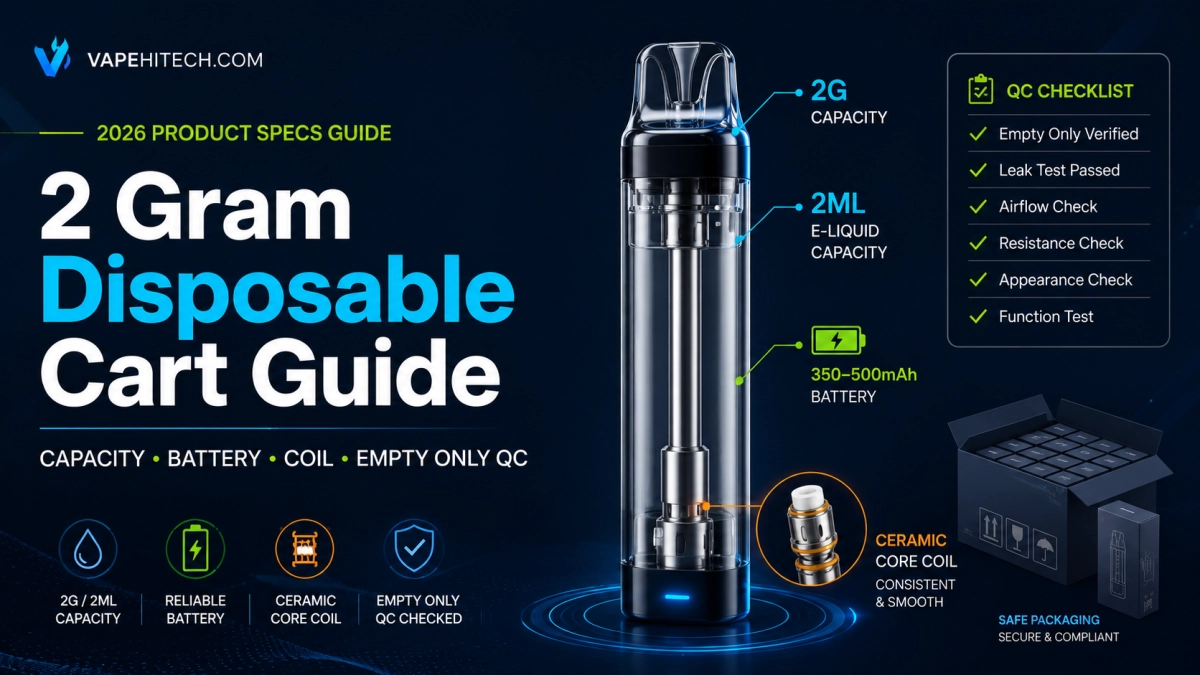
Scope: This guide is written for 2g disposable cart empty only sourcing. It covers capacity wording, battery file review, coil checks, materials, packaging proof, AQL planning, leak checks, carton records, supplier evidence, landed-cost planning, and RFQ readiness. It does not cover filling steps, consumption guidance, potency claims, health claims, or end-user instructions.
Why this guide matters
A 2g disposable cart buying file should not be approved from a photo, a short message, or a unit quote alone. Buyers need a complete empty only file that connects the capacity claim, 2ml tank wording, battery note, coil resistance, mouthpiece route, material declaration, packaging proof, inspection rule, carton basis, and delivery term.
The phrase 2 gram disposable cart is common in B2B searches, but supplier pages may use 2g, 2 gram, 2000mg, 2ml, disposable cart, disposable vape pen, all-in-one, rechargeable, Type-C, ceramic coil, or empty wording in different ways. A sourcing team should separate those fields before comparing quotes.
The key idea
Treat capacity, battery, coil, airflow, material file, package route, carton basis, QC rule, and market review as separate buyer-file fields. A clean file should prove that the RFQ, quote, approved sample, package proof, inspection record, and receiving checklist describe the same empty only item.
Quick answer for buyers
A 2 gram disposable cart is usually reviewed as a 2g or 2ml empty only disposable format for B2B sourcing, not as one universal SKU. Before a buyer approves samples or a bulk PO, the file should confirm 2g versus 2ml wording, tank tolerance, battery capacity, charge-port route, coil type, resistance range, airflow route, material notes, package proof, AQL basis, leak check, carton count, and receiving rules.
Capacity
Keep 2g, 2ml, 2000mg, label wording, and tolerance in separate fields.
Battery
Record capacity, port route, protection note, charge test, and supplier release evidence.
Coil
Confirm coil type, resistance tolerance, airflow route, and ceramic core evidence.
QC
Use sample approval, AQL sampling, leak checks, carton photos, and receiving records.
| Buyer stage | Main question | File to keep |
|---|---|---|
| TOFU education | What does 2g disposable cart mean, and how is it different from a small cartridge? | Capacity glossary, empty only scope, category note, and buyer-file checklist. |
| MOFU comparison | Which tank route, battery file, coil route, material note, and package route fit the purchase plan? | Spec sheet, sample photos, material note, packaging proof, MOQ table, and carton basis. |
| BOFU approval | Is the supplier file complete enough for PO release and receiving review? | Quote, approved sample, inspection plan, AQL rule, leak-check record, packing list, and delivery term. |
What a 2 gram disposable cart means in a buyer file
In this guide, a 2 gram disposable cart means an empty only disposable cart format reviewed for B2B sourcing, capacity wording, battery specification control, coil consistency, packaging proof, QC planning, and purchase-order approval. The phrase should be written carefully because 2 grams is a mass phrase, while 2ml is a volume phrase. They are often paired in listings, but they are not the same measurement.
The safest buyer approach is to define the item in separate fields: capacity claim, tank volume, empty only scope, battery capacity, charge-port route, coil type, resistance tolerance, airflow route, mouthpiece route, material declaration, package route, carton basis, inspection rule, and market review.
Recommended buyer wording
Use “2g disposable cart empty only” in the RFQ, then add 2g/2ml wording, tank tolerance, battery capacity, coil resistance, mouthpiece route, package basis, carton count, AQL level, leak-check method, and delivery term as separate fields.
For broader category comparison, buyers can review an empty disposable vape pen category before narrowing the RFQ to a 2g or 2ml route.
Capacity: 2g, 2ml, tolerance, and label control
Capacity is the first source of confusion in a 2 gram disposable cart file. A listing may say 2g, 2 gram, 2000mg, 2ml, or 2g/2ml. A buyer should never assume these phrases have the same meaning unless the supplier writes the tolerance, tank route, package wording, and inspection basis into the file.
A capacity file should also match the product page, quote, invoice, packing list, package proof, carton mark, and receiving checklist. If the sample says 2ml and the carton mark says 2g, the buyer file should explain why both phrases are being used and which phrase controls each document.
| Capacity field | What to confirm | Buyer record |
|---|---|---|
| 2g wording | Confirm whether 2g is a catalog phrase, package phrase, or buyer-approved label phrase. | RFQ, quote, sample photo, package proof, and buyer approval. |
| 2ml wording | Confirm the tank volume wording and tolerance used by the supplier. | Spec sheet, drawing where available, and receiving checklist. |
| 2000mg wording | Confirm whether the buyer wants this wording excluded, retained, or limited to legacy search language. | SEO note, package approval, and claim review. |
| Fill-line control | Ask whether a visible window, tank mark, or production note is used for internal checks. | Approved sample photos and inspection note. |
| Package consistency | Make sure the retail pack, inner box, master carton, invoice, and packing list do not conflict. | Packaging proof, carton photo set, and packing list draft. |
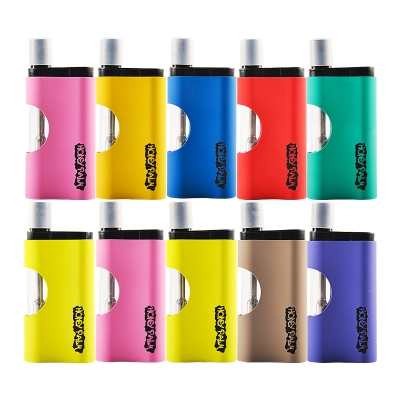
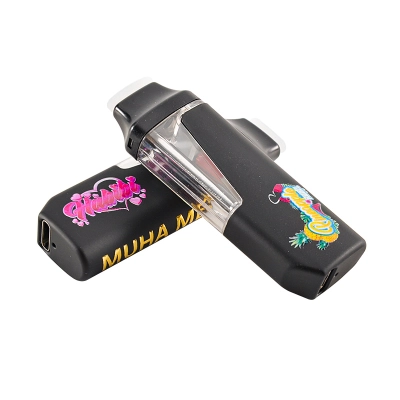
As a practical spec example, a 2ml round disposable vape pen page can help buyers see how 2g and 2ml wording may appear together in one empty only buyer file.
Battery file review without overclaiming
Battery language should stay factual and file-based. Buyers should ask for rated capacity, charge-port route, protection note, sample test record, charging cable inclusion rule, charge indicator note, and supplier release evidence. Do not approve broad lifetime claims unless the supplier provides a repeatable test method and a written result for the same route.
For a 2 gram disposable cart, the battery file should be reviewed together with tank capacity and coil resistance. A larger tank can create a mismatch if the battery capacity, power curve, coil route, airflow route, and cutoff behavior are not aligned. The buyer file should therefore record the exact route, not a generic promise.
| Battery field | Buyer question | Why it matters |
|---|---|---|
| Rated capacity | What mAh value is written in the quote and spec sheet? | It sets the buyer expectation for the empty only route and should match sample approval. |
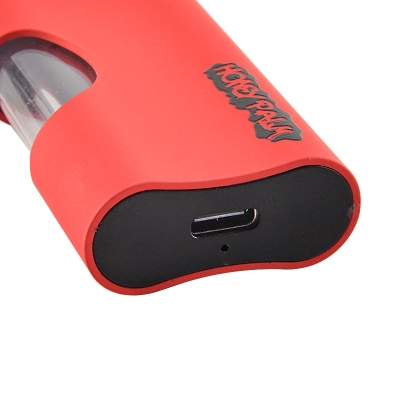
| Charge port | Is the port route Type-C or another buyer-approved route? | The port route affects pack proof, cable policy, receiving photos, and return review. |
| Protection note | Does the supplier document short-circuit, overcharge, over-discharge, and cutoff control? | Protection wording should be supported by supplier records, not just sales copy. |
| Indicator rule | Does the sample use a light, screen, or no indicator? | Indicator wording must match the product photo, pack proof, and receiving checklist. |
| Sample test | How many samples are checked, and what pass/fail rule is used before bulk release? | Sample testing reduces mismatch before larger orders are packed. |
Battery wording tip
Write measurable fields: rated mAh, port route, indicator route, protection note, cutoff note, charge-test rule, and release record. Avoid unsupported claims such as “longest lasting” or “guaranteed full tank” unless the same test is documented for the same empty only route.
Coil, ceramic core, and airflow checks
Coil review should connect the heating element, ceramic core note, resistance tolerance, intake route, airflow path, and leak-control approach. For a 2g disposable cart, coil performance cannot be judged only by a coil name. Buyers need a written spec and an approved sample that match the same tank capacity and battery file.
For background reading on ceramic parts and inspection language, see this internal guide to ceramic core QC.
| Coil field | What to confirm | Buyer file |
|---|---|---|
| Coil type | Is the supplier describing ceramic, mesh, cotton, or another route? | Spec sheet, close-up photos, and sample approval. |
| Resistance | What ohm range and tolerance are written in the file? | Inspection checklist, sample measurement record, and release note. |
| Intake route | How many inlet openings are present, and what size range is expected? | Drawing where available, photo record, and receiving comparison. |
| Airflow | Is draw resistance checked before packing? | Supplier QC note, sample check record, and defect list. |
| Coil-to-battery match | Does the coil route match the battery file and tank capacity? | Approved route file, engineering note where available, and sample test result. |
When a buyer needs to compare disposable carts with standard 510 routes, the broader vape cartridges category helps separate cart terminology from disposable cart sourcing.
Material and component documentation
Material review matters because glass, metal, ceramic, plastic, silicone, and packaging materials can affect cost, document requests, restricted-substance review, and receiving checks. A buyer should collect a material declaration where relevant and confirm whether destination-market rules require additional proof.
| Material field | What to ask | Document to keep |
|---|---|---|
| Tank material | Is the tank glass, plastic, metal-covered, or mixed material? | Material note, sample photos, and supplier declaration. |
| Ceramic part | Which ceramic part is included, and how is it described in the supplier file? | Spec sheet, close-up photo, and sample approval. |
| Metal contact areas | Which metal parts are present, and are material files available where relevant? | Material declaration and buyer-side restricted-substance checklist. |
| Seals | Which seal material and placement route are used? | Seal photo, leak-check rule, and change-control note. |
| Change control | Will the supplier notify the buyer before changing material, route, package, carton, or release checks? | Written change-control rule and buyer approval record. |
Empty only QC checklist
Empty only QC should be written before the PO is released. The buyer should define lot size, sample size, defect categories, identity checks, appearance checks, function checks, leak checks, package checks, carton checks, hold rules, release rules, and claim timing.
| QC layer | What to check | Record to keep |
|---|---|---|
| Identity | Correct 2g or 2ml wording, correct empty only scope, correct port route, correct coil route, and correct package route. | Spec sheet, package proof, release note, and carton photos. |
| Appearance | Visible scratches, cracks, dents, loose parts, dust, print error, wrong color, and package damage. | Defect photo set, approved sample comparison, and inspection checklist. |
| Battery check | Basic charge response, indicator response, cutoff behavior, and visible port condition. | Sample test record, checked quantity, pass/fail rule, and release file. |
| Coil check | Resistance range, open circuit, short circuit, and visual coil placement where inspectable. | Measurement record, defect limit, and supplier release note. |
| Leak check | Seal seating, tank joint, mouthpiece fit, and package integrity after rest time or movement checks. | Leak-check record, hold rule, and photo evidence. |
| Pack count | Pieces per tray, trays per inner box, inner boxes per master carton, and total carton count. | Packing list, carton basis, warehouse count, and receiving record. |
AQL, leak checks, and receiving records
AQL planning helps a buyer set consistent sample-based inspection rules before order release. It should not be used as a vague slogan. The buyer should define lot size, inspection level, AQL limit, defect categories, sample size, acceptance rule, rejection rule, and whether normal, tightened, or reduced inspection is used.
| Inspection area | Suggested buyer rule | Why it matters |
|---|---|---|
| Critical defects | Set a zero-tolerance rule for safety-related failures, wrong item, severe contamination, or severe leakage. | Critical defects can stop shipment release or trigger full review. |
| Major defects | Define defects that affect normal commercial acceptance, such as battery non-response, wrong port, wrong capacity label, wrong package, or broken tank. | Major defects can create returns, relabeling, repacking, or order holds. |
| Minor defects | Define cosmetic defects that do not block identification or basic acceptance. | Minor defects still affect brand presentation and dispute records. |
| Leak check | Use a written method for sample count, rest period, orientation, pressure or movement where applicable, and pass/fail rule. | Leak checks need repeatable conditions to be useful. |
| Receiving record | Repeat identity, carton count, package condition, and visible defect checks at the warehouse. | Receiving records protect the claim window after arrival. |
QC wording tip
Write “AQL-based inspection by attributes” only when the inspection plan includes the lot size, sample size, defect categories, acceptance rule, and rejection rule. Otherwise, write “buyer-defined sample inspection” and keep the rule simple.
Packaging, carton basis, and claim photos
Packaging proof should be approved before production packing starts. A 2 gram disposable cart file should keep artwork proof, label wording, warning placement where required, pack count, tray layout, inner-box count, master-carton count, carton dimensions, gross weight, carton mark, and claim-photo rule in one folder.
| Packaging field | Buyer question | Approval file |
|---|---|---|
| Pack route | Is it plain pack, stock pack, or buyer-approved pack? | Packaging proof, revision date, and approval record. |
| Label wording | Does 2g, 2ml, empty only, model name, and market wording match the approved file? | Artwork proof, sample photo, and carton mark. |
| Pack count | How many pieces per tray, inner box, and master carton? | Pack-count table and packing list draft. |
| Carton basis | What are carton dimensions, gross weight, carton mark, and total carton count? | Carton photos, packing list, and warehouse receiving sheet. |
| Claim photos | What photos are required for shortage, mixed item, breakage, leakage, or package damage? | Claim instruction sheet and time window. |
Import, landed cost, and trade terms
A unit quote is not the same as landed cost. Before PO approval, buyers should separate unit cost, package cost, inspection cost, inland transport, export handling, freight, insurance, duties, taxes, broker cost, storage, and claim handling. Trade-term wording should include the named place and should match the purchase order.
| Cost field | Buyer question | File to keep |
|---|---|---|
| Unit price | Is the quote based on piece, tray, inner box, master carton, or total lot? | Quote sheet and MOQ table. |
| Package cost | Is packaging included, separate, or subject to its own minimum? | Package quote, artwork proof, and approval date. |
| Inspection cost | Who arranges inspection, and when does release happen? | Inspection plan, inspection report, and release note. |
| Freight basis | Which carton dimensions, gross weight, and shipping route are used for the quote? | Carton basis, logistics quote, and packing list sample. |
| Trade term | Which party handles transport, named place, cost responsibility, and risk point? | Purchase order, pro forma invoice, and delivery-term note. |
| Import review | Does the buyer need tariff, permit, certificate, or broker review? | Importer file, broker notes, and buyer-side checklist. |
Bulk buyer scorecard
Use a scorecard to compare suppliers without focusing only on the unit quote. Each score should be supported by written evidence.
| Score area | Suggested weight | Evidence to review |
|---|---|---|
| Scope clarity | 15 | Empty only wording across RFQ, quote, sample approval, invoice, packing list, and carton mark. |
| Capacity control | 15 | 2g, 2ml, 2000mg wording, tolerance, tank route, package wording, and receiving checklist. |
| Battery file | 15 | Rated mAh, port route, protection note, charge test, indicator route, and release record. |
| Coil file | 15 | Coil type, resistance tolerance, ceramic core note, intake route, airflow route, and sample test. |
| QC readiness | 15 | AQL basis, defect categories, leak-check rule, checked quantity, hold rule, and claim timing. |
| Material records | 10 | Tank material, ceramic note, metal note, seal note, restricted-substance review where relevant. |
| Carton and receiving records | 10 | Pieces per carton, carton dimensions, gross weight, carton mark, packing list, and receiving checklist. |
| Change control | 5 | Written notice before route, package, carton, material, battery, coil, or release-check changes. |
RFQ template
Use this RFQ template to collect comparable answers before approving samples, pilot orders, or bulk purchase orders.
Subject: RFQ for 2g Disposable Cart Empty Only - Capacity, Battery, Coil, Packaging, QC, and Delivery Review
Scope: Empty only
Destination market: [insert country, state, province, or licensed-market route]
Buyer role: [wholesaler / distributor / licensed operator / brand owner / importer]
Requested route: [2g disposable cart / 2ml disposable cart / buyer-approved wording]
Capacity wording: [2g / 2 gram / 2ml / 2000mg / buyer-approved wording]
Tank tolerance: [supplier to confirm]
Battery capacity: [mAh value and tolerance]
Charge-port route: [Type-C / buyer-approved route]
Indicator route: [light / screen / none / buyer-approved route]
Coil route: [ceramic / mesh / other supplier route]
Resistance range: [ohm value and tolerance]
Airflow route: [supplier to confirm draw route and check rule]
Mouthpiece route: [flat / round / ceramic / plastic / metal / snap-fit / screw-on / press-on]
Package route: [plain pack / supplier stock pack / buyer-approved pack]
Quantity target: [sample / pilot / bulk / stock / reorder]
MOQ request: [sample MOQ / pilot MOQ / bulk MOQ / package MOQ / stock MOQ / reorder MOQ]
Price basis: [piece / tray / inner box / master carton / total lot]
Sample review: [sample quantity / sample photos / appearance check / battery check / coil check / leak check / package check]
Carton record: [pieces per pack / packs per carton / carton dimensions / gross weight / carton mark]
QC request: [AQL basis / appearance / identity check / charge response / resistance check / leak check / pack count / carton count / photo record / release rule]
Document request: [quote sheet / spec sheet / material declaration / package proof / inspection report / packing list / lab file where relevant]
Delivery term: [EXW / FOB / FCA / DAP / DDP / buyer-specified term with named place]
Target receiving window: [insert date range]
Claim process: [shortage, mixed item, appearance defect, leakage, packaging issue, carton issue, or late-release process]
Official references
These references support a neutral buyer file. They do not replace legal, import, tax, trademark, packaging, restricted-substance, or licensed-market review.
| Reference area | Use in the buyer file | Source |
|---|---|---|
| ENDS component scope | Supports review of category scope, components, import, packaging, labeling, advertising, sale, and distribution language. | FDA ENDS components and parts |
| Sampling inspection | Supports lot-by-lot inspection by attributes, AQL planning, sample size, and acceptance rules. | ISO 2859-1 AQL sampling |
| Leak check context | Supports packaging gross-leak discussions and seal-integrity thinking for sample plans. | ASTM F2096 gross leak test |
| Glass material review | Supports buyer questions about borosilicate glass 3.3 where the supplier claims that material route. | ISO 3585 borosilicate glass 3.3 |
| Stainless material review | Supports buyer questions about flat-rolled stainless steel requirements where relevant. | ASTM A480/A480M stainless steel requirements |
| Restricted substances | Supports buyer-side review of restricted substances for EU routes where relevant. | EU RoHS restricted substances |
| Quality management | Supports supplier process review, document control, internal audit, and corrective-action discussions. | ISO 9001 QMS |
| Lab competence | Supports review of test-report context, competence, sampling, and calibration where applicable. | ISO/IEC 17025 laboratories |
| Landed cost | Supports buyer-side cost estimation, including original price, insurance, freight, tariffs, taxes, and other fees. | landed cost estimate |
| Delivery terms | Supports named-place wording, seller and buyer responsibilities, cost responsibility, and risk review. | Incoterms cost responsibilities |
| US tariff schedule | Supports broker review of current US tariff classification before PO approval. | current HTS schedule |
| HS nomenclature | Supports global HS classification review before import planning. | WCO HS nomenclature |
FAQ
What is a 2 gram disposable cart?
A 2 gram disposable cart is usually a 2g or 2ml empty only disposable cart format. In a buyer file, the phrase should be separated into capacity wording, tank volume, battery file, coil route, material note, packaging proof, QC rule, carton basis, and market review.
Is 2g the same as 2ml?
No. 2g is a mass phrase, while 2ml is a volume phrase. They may appear together in product naming, but buyers should ask the supplier to write the controlling capacity wording, tolerance, package phrase, and receiving rule.
What battery details should be checked?
Buyers should confirm rated mAh, port route, indicator route, protection note, cutoff note, sample test rule, and release record. Do not approve broad lifetime claims without written test evidence for the same empty only route.
What coil details should be checked?
Buyers should confirm coil type, ceramic core note where relevant, resistance range, resistance tolerance, intake route, airflow route, sample check method, and defect categories.
What does empty only mean in this guide?
Empty only means the sourcing file is limited to the empty cart format, packaging, QC, carton records, and business documentation. This guide does not cover filling steps, consumption guidance, potency claims, health claims, or end-user instructions.
What should be included in empty only QC?
Empty only QC should include identity checks, appearance checks, battery response checks, coil resistance checks, leak checks, package checks, carton-count checks, AQL rules, release photos, and receiving records.
Which documents are most important before bulk approval?
The most important documents are the RFQ, quote sheet, spec sheet, material declaration where relevant, approved sample photos, package proof, carton basis, AQL plan, leak-check record, inspection report, packing list, and change-control note.
Is this legal advice?
No. This is an educational B2B sourcing guide. Buyers should use qualified legal, import, tax, trademark, packaging, restricted-substance, and licensed-market support before final approval.
0 Comments