
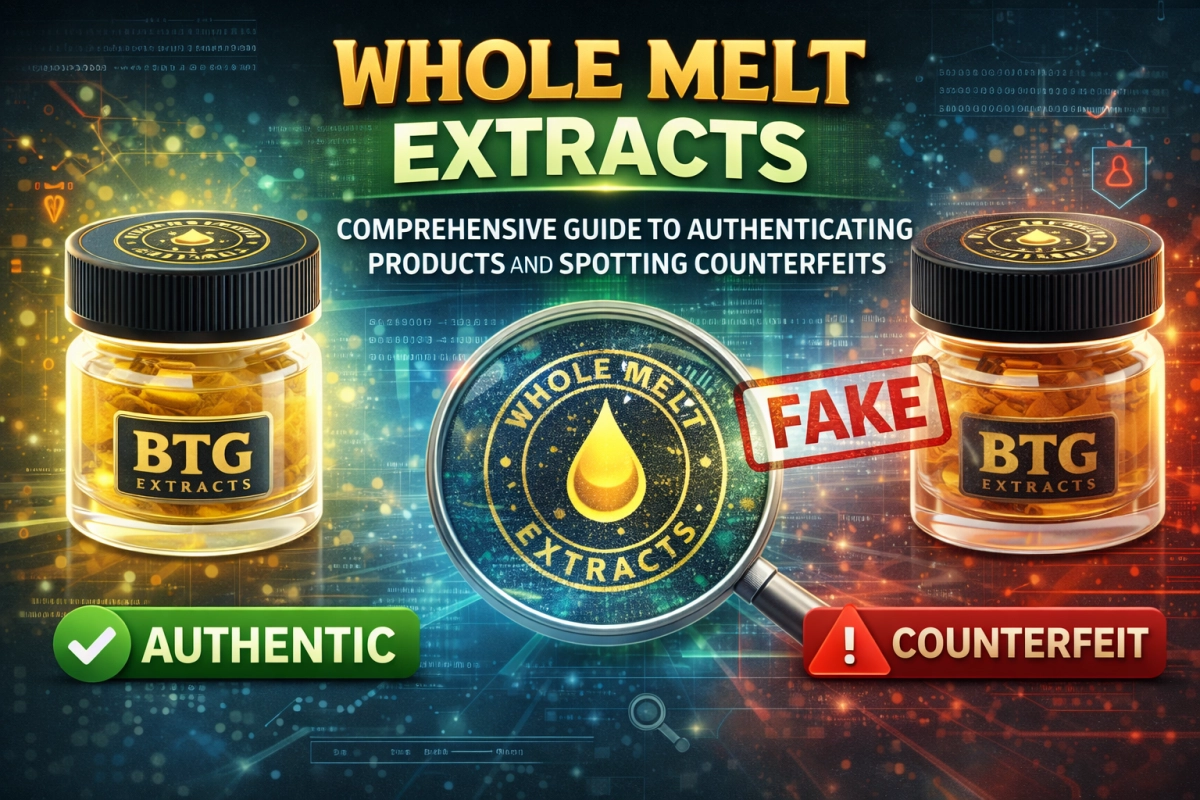
Scope (empty only): This article is empty only. It focuses on authentication signals that can be evaluated from packaging, printed identifiers, QR/NFC verification flows, and receiving documentation for empty only products. We do not discuss any filled contents, strength, physiological effects, or any filling workflows. Brand names are used for identification only; this page is not affiliated with any brand owner.
Recommended permalink: /whole-melt-extracts-real-or-fake-authentication-guide/
Quick take (how to answer “real or fake” without guessing)
When people search whole melt extracts real or fake, they’re usually asking for a repeatable method—not opinions. The safest way to authenticate is to combine signals: source + packaging evidence + identifier consistency + a clean verification flow. Any single signal can be spoofed; multiple aligned signals are harder to fake.
MoFu rule: treat authenticity as a documentation problem
If you can’t document what you received (photos + identifiers + carton details), it’s hard to resolve disputes. This guide gives a practical set of checks you can repeat on every carton, for every run.
Counterfeit model: what fraud usually changes
Most counterfeits don’t “invent” a product from scratch—they copy the easiest visible pieces (logos, colorways, basic layout) and then cut corners where buyers rarely document details. In authenticity work, you win by focusing on the small, repeatable fields that fraud often gets wrong.
Common mismatch zones (empty only)
- Name-string drift: inconsistent capitalization, spacing, or edition names across cartons.
- Identifier gaps: missing or inconsistent lot/run cues, serial formats, or sticker placement.
- Print/finish inconsistency: blurred microtext, color shifts, low-contrast gradients, uneven foil alignment.
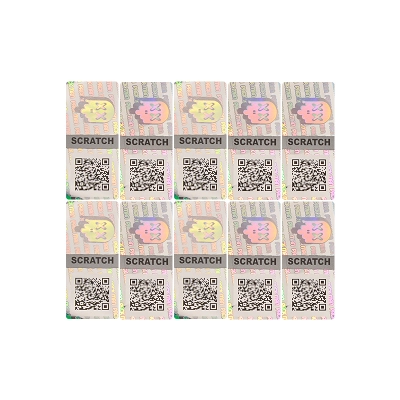
- Seal logic mistakes: tamper features that don’t behave consistently (peel patterns, alignment marks, or residue).
- Verification traps: QR codes that route to look-alike domains or shortened links with unclear ownership.
Format matters: packaging layouts and identifier placement often differ by capacity and run. Keep your format context stable when comparing cartons (for example, within the same size class such as 2ml vape pen listings).
Authentication ladder (strong signals vs weak signals)
A good method ranks signals by how hard they are to spoof and how easy they are to verify. ISO’s anti-counterfeit guidance emphasizes evaluating authentication solutions by performance criteria rather than buzzwords. Use that mindset: prioritize signals that are verifiable, consistent, and documented.
Stronger signals
- Verified source trail: consistent seller identity, repeat history, traceable invoices.
- Consistent identifiers: stable lot/run formats and placement across a carton sample.
- Verification flow integrity: the scan result matches an expected official domain and returns consistent product info.
- Repeatable packaging behavior: tamper features behave the same across multiple units.
Weaker signals
- One-off visuals: “looks right” based on a single photo from social media.
- Adjectives: “premium,” “newest,” “exclusive” without evidence.
- Price alone: cheap is suspicious, but price is not proof.
- Single-marker trust: relying on only one sticker or one code without cross-checking.
Compare within the same run context
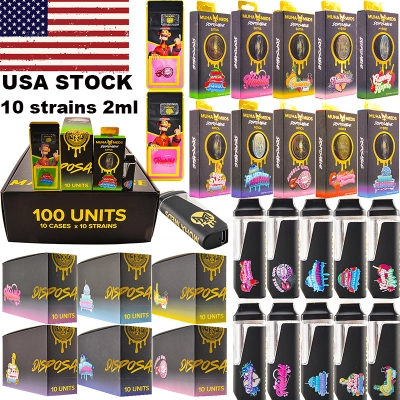
If you’re comparing “known-good” vs “questionable,” keep the comparison apples-to-apples: same edition naming, same capacity class, and the same channel context. A useful way to keep comparisons organized is to group a browse set by a single run label such as Whole Melt V5 USA stock.
Packaging & print checks (empty only)
Packaging is the fastest place to detect inconsistencies—if you check the right fields. Don’t write a “visual vibe” review. Write a checklist that someone else can follow and get the same result.
1) Print discipline
- Microtext and edge sharpness: look for clean lines and consistent kerning across units.
- Color and gradients: check for banding, washed colors, or mismatched hues within the same carton.
- Foil alignment: consistent registration and no “floating” layers on repeated units.
2) Label fields that should match every time
- Exact edition/name string: same spelling and punctuation across carton, insert, and verification result.
- Run cues: stable placement of any serial/lot/run fields.
- Sticker logic: consistent placement and orientation (not “randomly different” within the same carton).
3) Tamper features (evaluate behavior, not marketing words)
- Alignment markers: if a seal has alignment marks, they should align consistently.
- Residue pattern: repeated units should show similar peel behavior (within normal variation).
- Re-closure tells: uneven edges, trapped dust, or mis-seated corners are common rework signals.
Need a concrete on-site example of how verification-oriented listing fields can be presented (photos, identifiers, and a named verification marker)? Use one page as your “field example” reference: NFC verified Whole Melt V4.
QR/NFC verification: scan safely and confirm domains
QR and NFC are useful, but they can be abused. The most common failure is not the code—it’s the destination. Criminals can place a look-alike link behind a code and rely on people not checking the domain. Follow government guidance: treat unexpected QR codes as potential phishing routes, especially in public or uncontrolled contexts.
Safe scan rules (practical)
- Preview the domain before tapping through (avoid shortened or unfamiliar domains).
- Type the official domain manually when possible, then navigate to verification from there.
- Watch for look-alike spelling (extra letters, swapped characters, strange subdomains).
- Don’t enter credentials on a page reached from a random code.
What a credible verification result looks like
- Consistent page behavior: same output for the same identifier when repeated.
- Clear mapping: the result matches the printed edition/name string.
- No “urgent” prompts: verification pages should not pressure for unrelated actions.
- Traceable domain: the site looks legitimate and stable over time.
Version cues are not the same as authenticity
A “V5” label can be copied. Authenticity needs a verification flow plus consistent run cues and documentation. If you need a clean explainer for version language and how to keep it consistent in catalog content, reference: Whole Melt V5 verification.
Receiving records that make disputes easy to win
Authenticity arguments are easier when your receiving process produces the same evidence every time. Keep your records simple, consistent, and photo-backed.
Minimum record set (per carton)
- 3 photos, same angles: front, back/fields, and the verification marker zone (sticker/code area).
- One name string: write the exact printed string once and reuse it across pages.
- Identifier note: record any lot/run cues and where they appear on packaging.
- Sample count: note how many units you spot-checked for consistency.
This is also where supply-chain standards help: GS1 guidance on digital signatures and traceability is designed to make “what is this, where did it come from?” questions answerable with structured identifiers rather than guesswork.
10-minute receiving checklist (empty only)
- Segregate by edition/name string before mixing cartons.
- Photograph three angles consistently (front, back/fields, verification marker zone).
- Check print sharpness on microtext, edges, and gradients across a small sample.
- Confirm identifier placement is consistent (lot/run cues, serial patterns, or sticker position).
- Verify the domain before trusting any QR/NFC destination; avoid shortened links.
- Repeat verification for the same identifier to confirm consistent output.
- Log mismatches (name drift, missing fields, inconsistent seal behavior) with photos.
How to write the conclusion (MoFu, not salesy)
Summarize with evidence language: “Packaging fields were consistent across N samples; identifier placement matched within the carton; verification flow routed to an expected domain.” Avoid absolute statements like “guaranteed real.”
If you suspect a counterfeit: what to do next
- Quarantine the carton and stop distribution until you document the mismatch.
- Do not share codes publicly; treat identifiers as evidence, not marketing.
- Capture a clean evidence packet: photos, identifier notes, and the scan destination domain.
- Contact the brand’s official verification route (manually enter the domain rather than trusting a random code).
- Escalate through your channel: seller, payment platform, and marketplace reporting tools.
- Use public safety guidance on counterfeit risks and QR phishing practices (see references).
FAQ
Is one QR scan enough to prove something is real?
No. Treat QR/NFC as one signal. Confirm the domain, check packaging field consistency, and document identifiers across a sample.
What is the most reliable “real or fake” method for MoFu buyers?
Use the authentication ladder: verified source trail + consistent identifiers + safe verification flow + repeatable receiving records. Multiple aligned signals beat any single marker.
Does this guide discuss any filled contents or effects?
No. This page is empty only and focuses on packaging, identifiers, and verification flows.
References
External references support authentication frameworks, identifier/traceability thinking, and QR safety guidance. They are included for educational context.
- ISO 12931: performance criteria for authentication solutions
- GS1 Digital Signatures: current standard
- GS1 Global Traceability Standard: current standard
- FTC: QR code scam guidance
- NCSC: QR code risk guidance
- CBP: counterfeit goods risks
- DHS: combating counterfeit trafficking (policy overview)
- OECD: counterfeit and pirated goods overview
- Brand verification portal (confirm the domain manually)
- Google Search Central: review-page quality guidance
- Google Search Central: helpful, reliable content guidance
0 Comments