
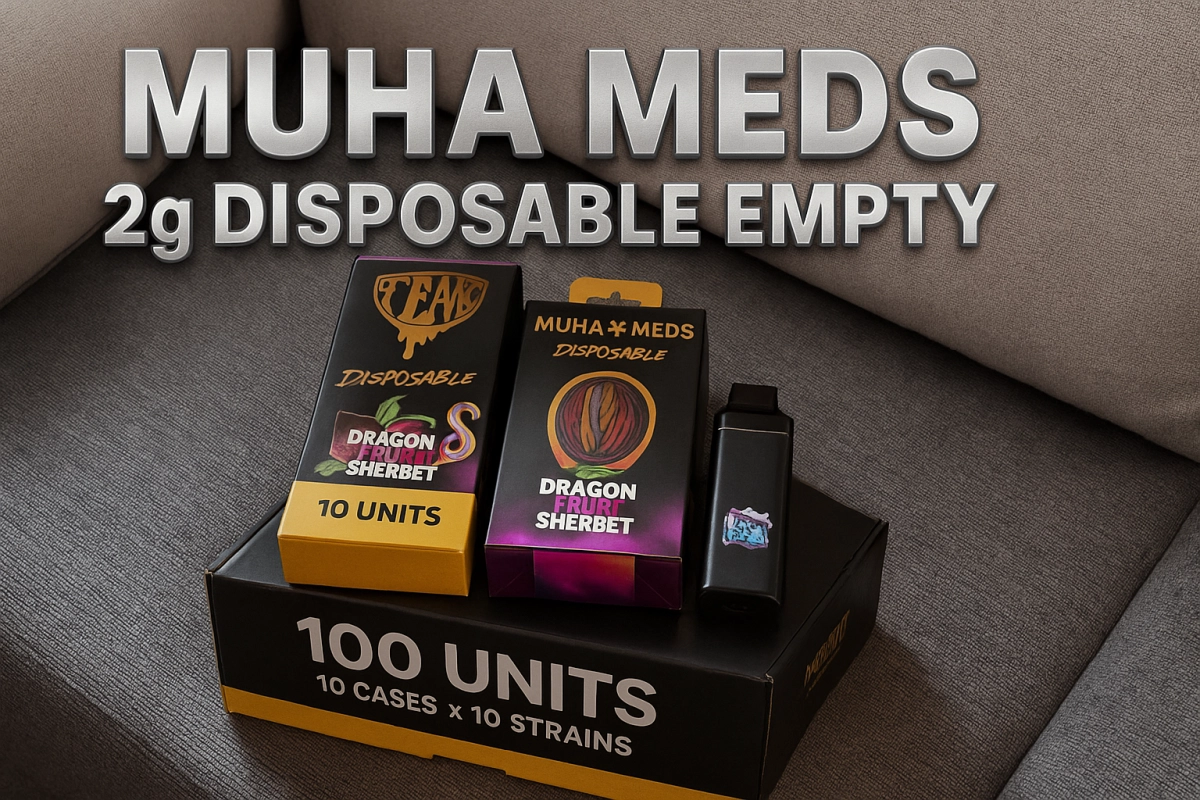
Executive Summary: Educational guide to “Muha-style” 2-gram empty AIO disposables (hardware only, no oil). Focus: ceramic atomization, postless architecture, airflow and sealing, filling/capping SOP, packaging/transit checks, and acceptance criteria. Battery is mentioned only for basic safety cutoffs.
Contents
- What “empty” means (hardware-only)
- Standards & Third-Party Methods (for E-E-A-T)
- Core architecture: postless AIO + ceramic atomization
- Leak control: seals, tolerances & pre-cap checks
- Filling & capping SOP (hardware-side essentials)
- Packaging & transit: inner tray → master case
- Acceptance Criteria & Example QC Data
- Compliance boundaries & non-affiliation
- FAQs
- Method limits & disclosure
1) What “empty” means (hardware-only)
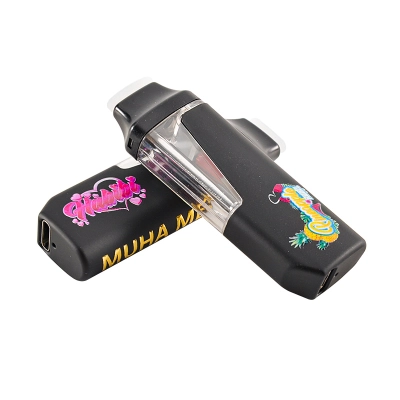
“Empty” means an AIO shell without oil—mouthpiece, chamber/tank, ceramic heater, controller/PCB, and housing—supplied to licensed fillers who add their own lawful oil and then cap/seal. It is not a branded finished good and does not include strain claims, retail labels, or finished-oil QR/COA.
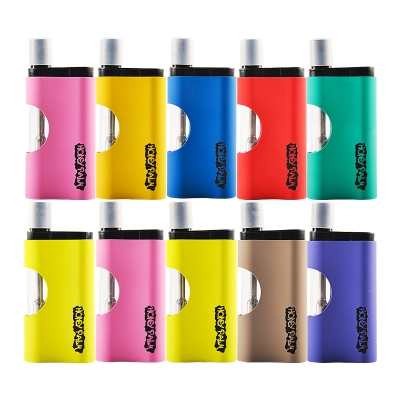
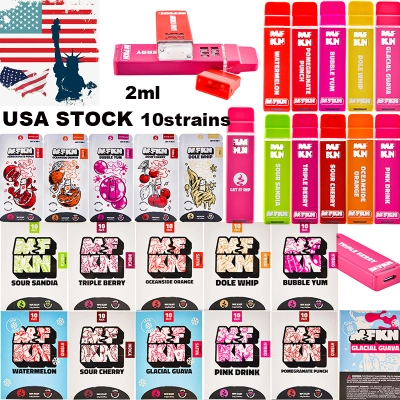
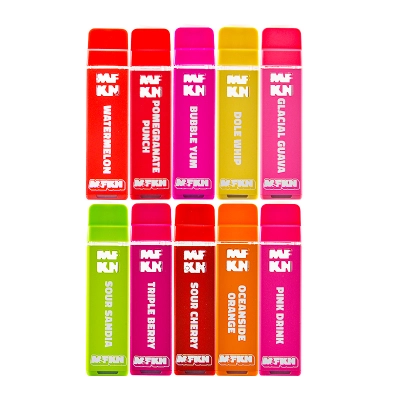
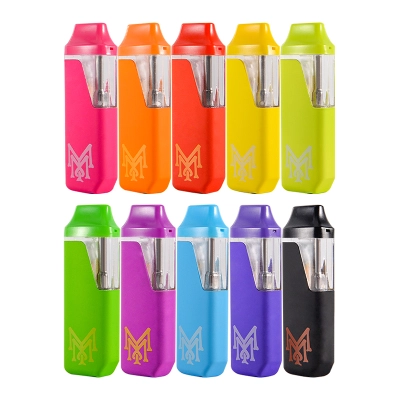
For 2-gram form-factor context (postless AIO format), see our curated category: Muha-format 2g empty shells.
2) Standards & Third-Party Methods (for E-E-A-T)
Purpose: Provide reproducible methods for hardware-side validation and transit simulation. These do not replace finished-product testing for consumer goods.
- Vaping machine / routine conditions: Use ISO 20768:2018 and relevant CORESTA Recommended Methods to baseline draw resistance and puff profiles.
- Transit & drop: Apply ISTA 1A/2A or ASTM D4169 for vibration/drop curves on a sample case; check for seepage or mouthpiece lift after 24–48 h.
- Seals & materials: O-ring hardness via ASTM D2240 and compression set; materials declarations aligned with RoHS/REACH (hardware layer).
- Viscosity: Use ASTM D445 or a rotational viscometer to ensure the oil temperature–viscosity lands within the supplier’s filling window.
3) Core architecture: postless AIO + ceramic atomization
- Postless AIO: Fewer threaded joints and a shorter oil path reduce potential leak points and assembly variability. Integrated airway/chamber improves capping consistency and yield.
- Ceramic heater: Match pore size and wick geometry to your target viscosity at room temperature for steady capillary feed without flooding. Request the supplier’s recommended viscosity window and any porosity spec.
- Airflow & draw: Laminar inlets and properly sized vents help avoid whistle and spit-back. Bench test 20–50 units for mean/SD of pressure drop and confirm no oil migration after heat/soak cycles.
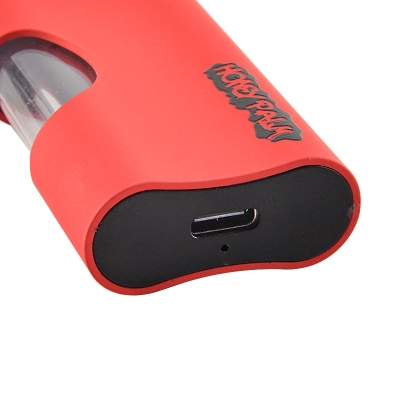
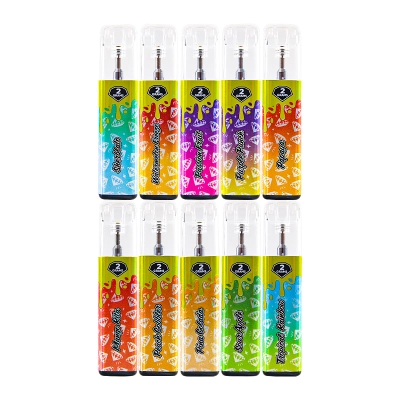
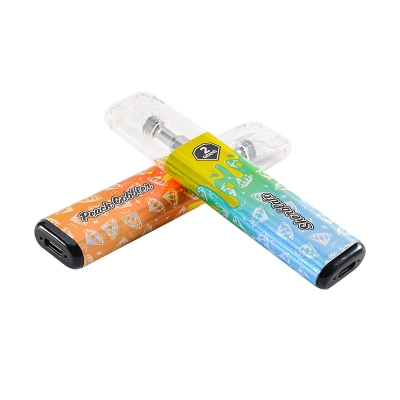
If validating a status/LED variant (airway unchanged), see a representative enclosure such as 2g LED empty AIO for screen windowing and faceplate tolerances.
4) Leak control: seals, tolerances & pre-cap checks
- O-ring durometer & compression set: Chimney, chamber lid, and mouthpiece gaskets must retain elasticity after heat aging.
- Mouthpiece snap-fit depth: Verify final seating height and pull-off force; under-seated tips are a common cause of slow weeping in transit.
- Fill-port geometry: Burr-free edges prevent cap damage and silicone swarf; verify seal integrity under slight internal pressure.
5) Filling & capping SOP (hardware-side essentials)
- Viscosity match: Warm oil only to reach the supplier’s fill-spec window; excess heat can swell seals and alter volatiles.
- Fill volume accuracy: Use gravimetric checks (±1–2%) and maintain appropriate headspace—overfill elevates internal pressure after capping.
- Capping window: Cap promptly so the wick is wet but not flooded; confirm final tip height and seal integrity.
- Aging/soak: Rest upright for wick equilibration; perform a brief low-power draw test to ensure smooth airflow without gurgle.
6) Packaging & transit: inner tray → master case
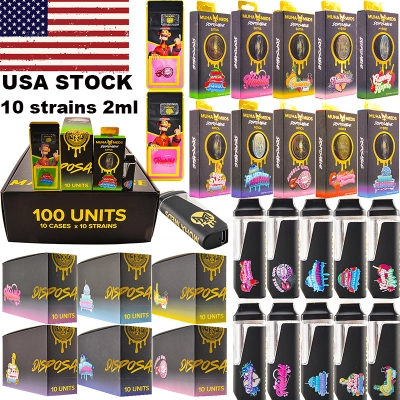
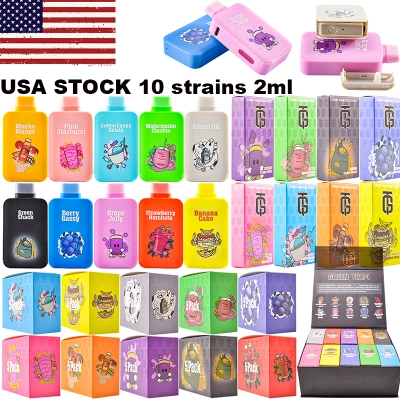
After bench checks, load mouthpiece-up trays, add corner protection, and run a small drop/vibration routine on a sample case to ensure no seepage or tip lift. For U.S. fulfillment cadence and faceplates aligned with “Muha-format” dimensions, see USA-stock 2g empty Muha-format.
7) Acceptance Criteria & Example QC Data
| Item | Method / Condition | Typical Acceptance | Sample Notes |
|---|---|---|---|
| Draw Resistance | ISO 20768 baseline; 55–70 mL puff, 3–4 s | Mean ΔP ±10% (within-lot SD ≤15%) | 50-unit bench set; retest outliers |
| Seal Integrity | Invert 2 h + 40 °C hold 2 h | No visible seepage; tip height Δ ≤0.15 mm | Tissue check + visual inspection |
| Mouthpiece Pull-off | Tensile tester, 200 mm/min | ≥ 25 N (model-specific) | Align with supplier target |
| Transit Simulation | ISTA 1A/2A single-case profile | No leakage/lift; AQL visual pass | 1–2 finished sample cases |
8) Compliance boundaries & non-affiliation
Empty hardware does not confer brand authorization, finished-oil claims, or retail labels. Licensed fillers are responsible for QR/COA, ingredient disclosures, and jurisdiction-specific warnings on the finished product. Use neutral phrasing like “Muha-style” or “Muha-compatible format” and limit claims to hardware features. For broader fit checks, browse Muha-format empty vape pen family and the Muha-format 2g empty category.
Related on Vapehitech: Muha-format 2g empty · 2g LED empty AIO · USA-stock empty 2g · Muha-format pen family
9) FAQs
Is a “Muha-style” empty AIO the same as a branded finished disposable?
No. It is hardware only. Licensed fillers add oil, perform finished-product testing, and apply required labels.
Does a status/LED screen change filling or leak risk?
Not directly. Leak control depends on seals, tolerances, and SOP. The screen displays device status and cutoffs only.
What causes most shipping leaks?
Under-seated mouthpieces, poor O-ring recovery after heat, and overfill headspace—solved by correct capping, gasket selection, and QC.
10) Method limits & disclosure
- Scope: Hardware only. No assessment of branded finished products’ potency, safety, or legality.
- Third-party methods: ISO/CORESTA/ISTA/ASTM provide general frameworks; actual rigs and parameters may vary—refer to supplier contracts and type reports.
- Interest disclosure: Vapehitech is a B2B empty-hardware supplier and is not affiliated with Muha Meds.

1 Comments
Nice read, I enjoyed the examples you used.