
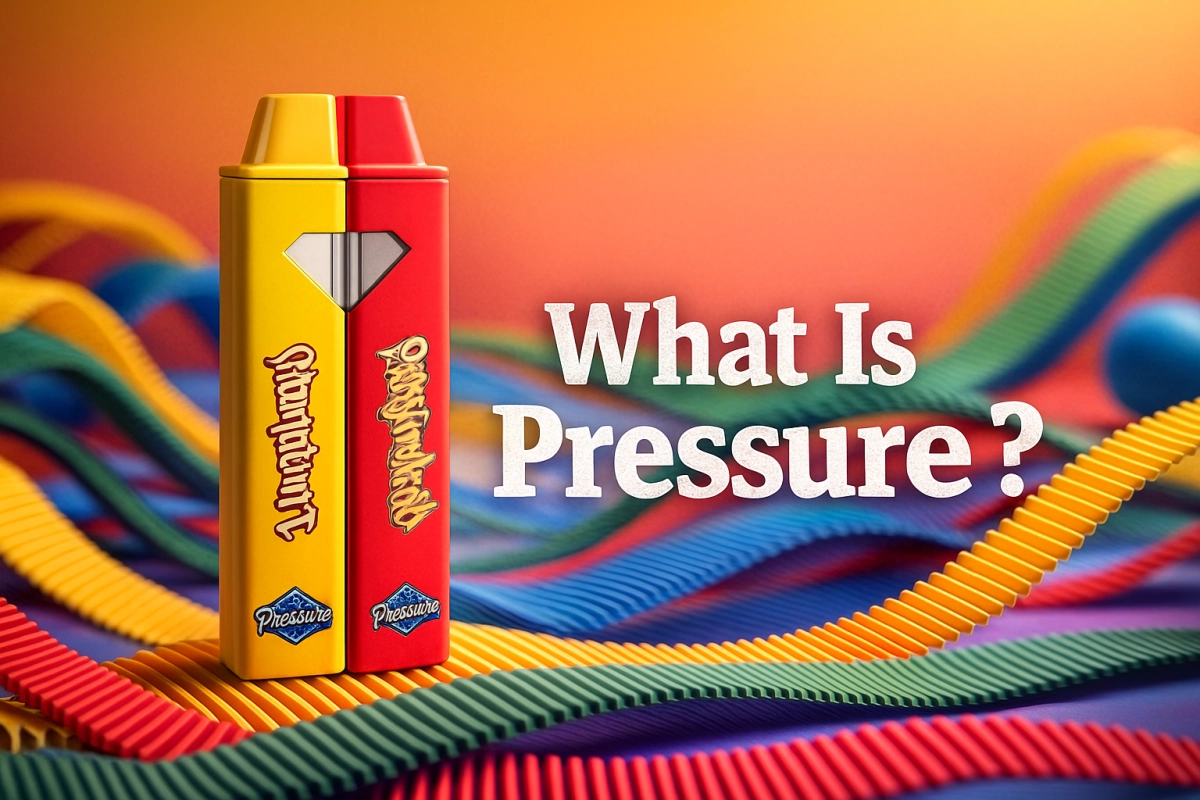
This article introduces Pressure as a structural-first, empty-only disposable hardware brand. Vapehitech supplies empty devices only — no oil, no nicotine, no cannabinoids — and does not manufacture or distribute filled products of any kind. All engineering descriptions below discuss shell structure, tolerances, QC standards, airflow geometry, and material specifications used in the empty-hardware sector for B2B buyers.
1. What Pressure represents in the empty-hardware market
Pressure is a brand-level hardware platform supplying empty disposable vape shells engineered for filling, capping, transportation and secondary packaging workflows. It is not a pressure-activated system or airflow mechanism; the name represents a consistent engineering philosophy focused on:
- Dimensional accuracy across large production runs
- Stable mold geometry supported by scheduled re-qualification
- Predictable airflow paths suitable for downstream activation boards
- Material consistency using standard UL-rated PC/ABS housings
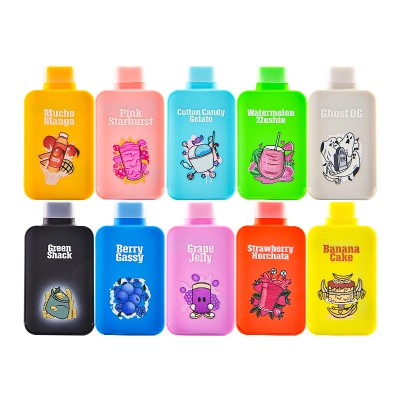
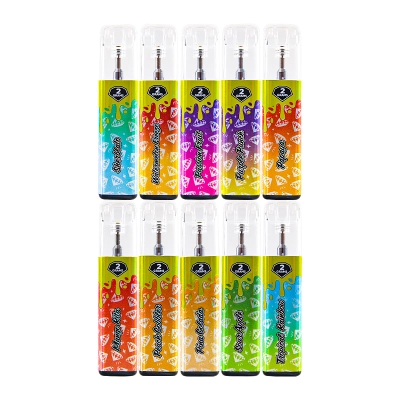
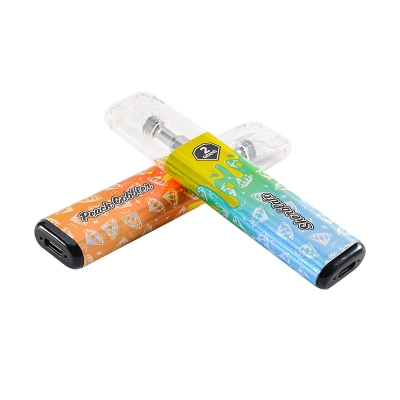
Buyers can examine Pressure’s full range via pressure vape wholesale and its primary chassis format through pressure 2g.
2. Core engineering principles: tolerances, molds, and materials
High-volume empty hardware depends on mechanical repeatability. Pressure achieves stability through predictable mold engineering, standardized materials, and controlled assembly variables.
Pressure housings typically use PC/ABS blends tested under UL94 HB flammability classification. These blends balance rigidity, drop-resistance, and molding precision.
Common shell areas — cap fit, body channels, airpath junctions — are engineered around ±0.03–0.06 mm dimensional drift, consistent with industry norms for multi-cavity PC/ABS molds.
Pressure molds are re-validated during tooling cycles between 50k–80k shots to prevent mouthpiece wobble, cap shear, or drift in cavity alignment.
Design minimizes common empty-shell issues: cap torsion cracks, seam splitting during capping, and deformation from shipping compression loads.
These parameters match international frameworks such as ASTM D785 (hardness), ISO 527-2 (tensile properties), and ISTA 3A (transport testing).
3. Airflow geometry and internal layout
Because Pressure ships empty, airflow must be consistent enough for downstream partners who integrate activation boards. The brand uses a straight-through airflow spine with controlled turbulence to avoid clog-prone dead zones.
- Primary airpath diameter: 1.2–1.6 mm (industry standard)
- Secondary bypass vents reduce moisture accumulation during storage
- Internal routing avoids component pinch-points during capping
All geometry is validated using CMM dimensional mapping and fixture-based airflow verification. These methods are typical for empty-device QC lines.
4. Pressure vs generic empty disposable systems
Where Pressure excels
- Better cavity alignment vs commodity shells
- Higher structural rigidity (PC/ABS vs thin PP blends)
- More predictable airflow for downstream activation sensing
- Reduced seam-failure rate during drop and vibration tests
Trade-offs
- Focuses on stability rather than decorative innovations
- More controlled geometry = less variation for artistic shell shapes
- Maintains functional simplicity for B2B compatibility
5. QC frameworks: AQL, dimensional checks, and stability tests
Pressure hardware aligns with common QC frameworks used in empty-device manufacturing. Key processes include:
- Incoming material inspection: PC/ABS batch verification and RoHS checks
- FAI (First Article Inspection): cavity alignment, cap retention force
- AQL sampling: 0.65–1.0 for structural components
- Drop test: 1.0 m at 6 orientations (ISTA 3A guideline)
- Vibration test: 3–5 Hz transportation simulation
- Torsion test: mouthpiece twist-resistance against shear failure
- Leak-path inspection: bonding zones and seam mapping
These methods follow reference frameworks such as: IEC equipment safety guidelines, RoHS material rules, and ISO mechanical-testing protocols.
6. Pressure form factors and 2g chassis design
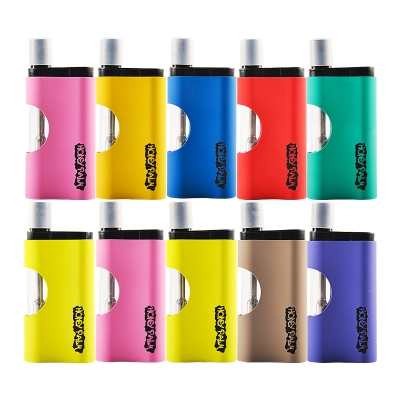
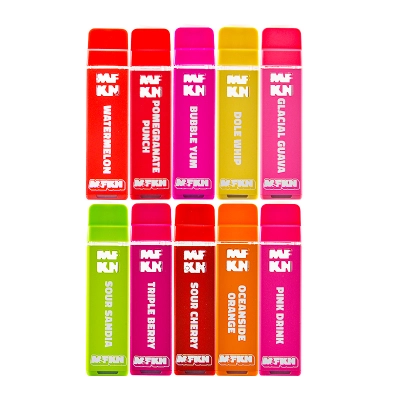
The 2g chassis is the most widely adopted form factor in the Pressure series thanks to its neutral height, balanced shell curvature, and stable inner cavity. Its predictable geometry makes it compatible with high-volume filling workflows.
The 2g lineup can be reviewed under pressure 2g.
7. Why B2B teams choose Pressure
Pressure is widely selected by fillers, packagers, and regional wholesalers because it delivers:
- Consistent mold stability across production windows
- Rigid construction for safer transport and warehousing
- Stable airflow compatible with multiple activation boards
- Low drift rate during cavity re-qualification cycles
- Predictable QC workflows supported by measurable parameters
8. Final thoughts
Pressure is a structural-first empty-hardware platform designed for predictable performance in B2B filling environments. By emphasizing mold stability, tolerances, airflow geometry, and QC evidence, the brand provides a more reliable foundation than generic empty shells. Its engineering choices reduce rework, improve consistency, and support long-range operational planning across multiple filling partners.
Explore brand-wide options via pressure vape wholesale and capacity formats through pressure 2g.





2 Comments
Thanks for the update, very useful.
Looks good, keep it up!