
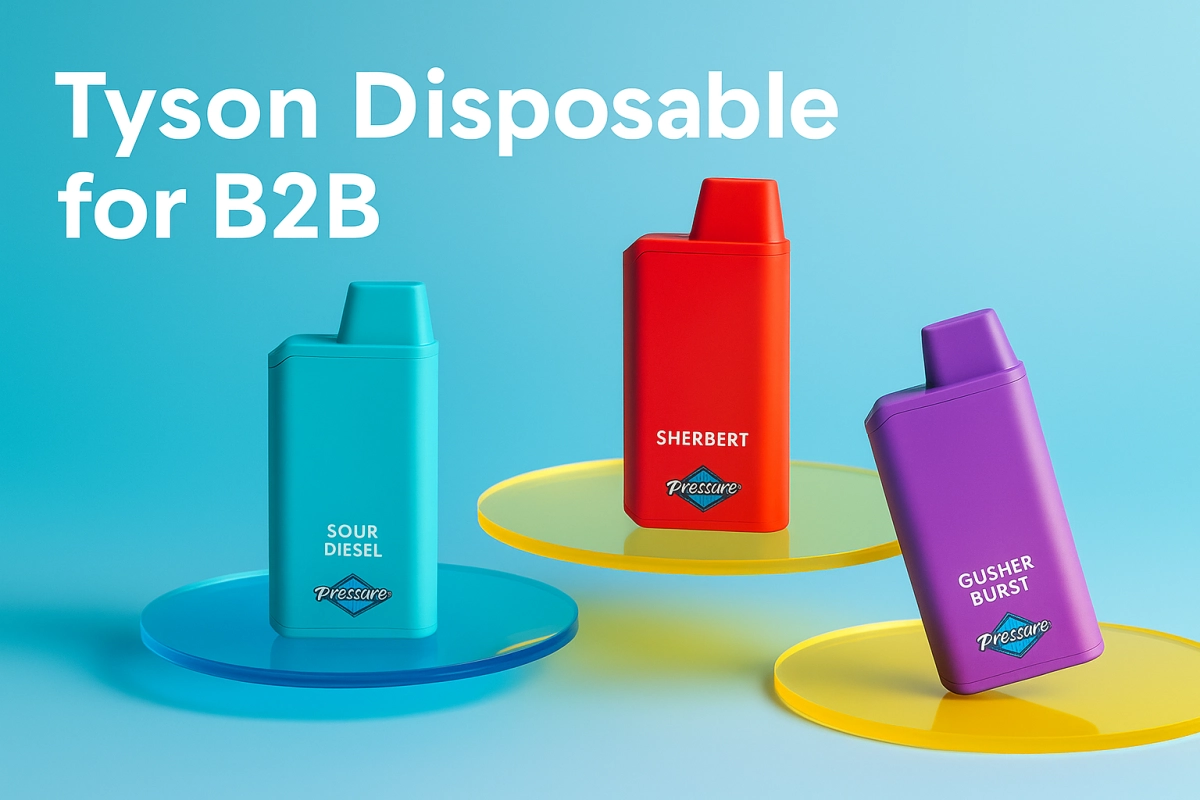
This article is written for B2B hardware buyers comparing Tyson disposable shells to alternative empty vape hardware options. Vapehitech supplies empty hardware only — no oil, no nicotine, no cannabinoids, and no filled consumer products. All references to “Tyson vapes” or “Tyson disposable” describe shells and chassis designs compatible with B2B filling programs, not finished consumer goods or licensed brand operations.
1. Tyson vapes in the empty-hardware ecosystem
Over the last few years, the “Tyson” name has become familiar to vape consumers — which also means distributors and private-label teams increasingly ask for Tyson-compatible empty shells when planning assortments. For B2B buyers, the real question is not hype, but whether Tyson disposable hardware lines make sense compared with other chassis families on the market.
On Vapehitech, the broader brand view is captured under tyson vapes wholesale, where buyers can see how disposables, pods, and capacity groups map into one coherent hardware family. This article works as a BoFu guide: it helps you decide when Tyson shells are the right tool, when alternatives are smarter, and how to structure orders so they actually move.
2. Tyson disposable lineup: 1g, 2g and pod alternatives
Before comparing Tyson to other empty formats, it helps to understand the internal logic of the Tyson lineup itself. The hardware series is usually split into three main branches for B2B planning:
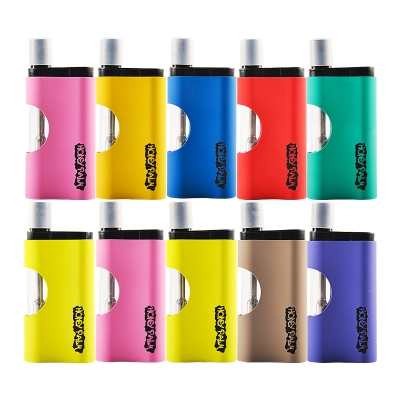
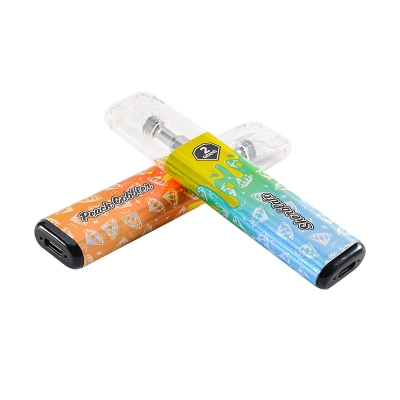
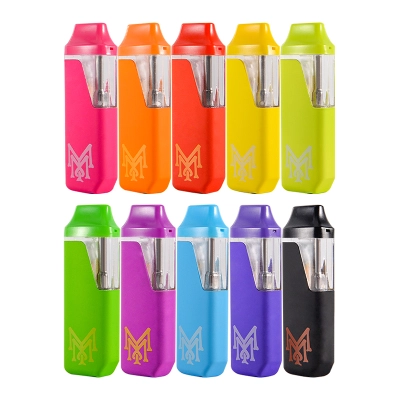
The general-purpose range of tyson disposable shells is designed as the “default” chassis for most campaigns. These are neutral, screen-free, and built for consistent performance rather than flashy extras, making them suitable for everyday SKUs and structured A/B tests.
In many markets, the 2 gram class has become the hero capacity for modern carts and disposables. The tyson 2g disposable shells are oriented toward brands that want a higher-capacity flagship while keeping geometry friendly for existing filling lines and packaging footprints.
For samplers, intro packs, and promo bundles, many groups still rely on tyson 1g disposable shells. These work well when the emphasis is more on variety, limited runs, and entry price points than on maximum capacity.
Pods remain a parallel universe: some markets lean heavily into closed-pod ecosystems. The tyson pod line exists for buyers who want to keep a Tyson-branded option in that format while still running disposables as their main volume engine.
From a BoFu perspective, the question is not “Which one looks coolest?”, but “Which formats align with our price ladder, volume assumptions, and regional compliance structure?”. The answer will differ for an MSO-style operator versus a regional boutique brand — and that is where commercial and alternative thinking comes in.
3. Pricing logic, MOQs, and margin scenarios
No serious buyer evaluates tyson disposable shells without running margin math. Although exact numbers depend on your contracts, a few structural patterns show up repeatedly in B2B programs.
Many teams define three MOQ bands for Tyson-style hardware:
- Pilot: roughly 500–1,000 shells per SKU to validate fit with fillers and channels.
- Regional rollout: around 2,000–5,000 shells per SKU across several territories.
- Full program: 10,000+ shells per SKU when velocity and defect rates are proven.
These numbers are planning ranges rather than fixed rules, but they give procurement and finance a shared language when comparing Tyson formats to alternatives.
Generic unbranded shells can look cheaper on a spreadsheet, but higher reject rates, rework on filling lines, and packaging damage in transit quickly erode that advantage. Tyson hardware is usually considered when teams prefer predictable defect rates and fewer surprises across a full season, even if the initial unit quotes sit slightly higher.
A common model is to let 2g Tyson SKUs carry premium positioning while 1g covers bundles, trial packs, and lower-ticket channels. The goal is not to guess one “perfect” capacity, but to build a ladder that lets your wholesale partners move volume without collapsing your price architecture.
4. Tyson disposable vs alternative empty hardware
To justify building a pillar around tyson vapes, you need to see how the shells stack up against alternatives. Most B2B buyers compare Tyson to three buckets:
- Unbranded generic disposables. Lowest entry cost but variable tolerances, inconsistent QC, and weaker brand pull on shelf.
- Other “celebrity” or theme-aligned shells. Recognizable but not always standardized across 1g / 2g / pod formats, making long-term planning harder.
- Platform-first hardware families. Lines designed as long-term platforms rather than short-term trends, often with more structured documentation.
Tyson sits somewhere in the middle: it carries strong name recognition while still being engineered as a multi-format hardware family. That combination can make it a smart “anchor” platform when you want recognition and consistent shell geometry. For portfolio planning, the decision is rarely “Tyson vs everything else”, but “How much of our assortment should we park on Tyson, and where do we need alternative shells to hedge?”.
5. Operational details: test methods, packaging, and docs
For BoFu buyers, hardware is never just a product choice — it is a calendar and documentation decision. A Tyson program that reads strong on PowerPoint but is weak on test methods or packaging will not survive a full season.
Work backwards from your target launch date, adding buffers for production, international shipping, customs, and regional distribution. Many experienced buyers plan Tyson cycles using conservative lead time assumptions plus a small safety stock strategy in destination warehouses.
For parcels shipped by ground or air, packaging stacks are often validated against ISTA 3A–type simulations that combine drop testing, random vibration, and compression under parcel-delivery conditions. Even when you do not run a formal certification, aligning your shipper design to ISTA 3A test sequences helps reduce in-transit damage.
Although Vapehitech ships empty hardware only, buyers should still pay attention to the frameworks used in their markets — for example, UL 8139–style safety principles for electrical systems in vaping devices, and RoHS / REACH–style rules that limit hazardous substances in electronic products. These frameworks influence what documentation downstream partners expect to see, especially in EU-facing programs.
The key is not to quote every standard number on your website, but to make sure your Tyson suppliers can explain which frameworks they align with and how the data is generated.
6. QC frameworks, AQL sampling, and acceptance limits
One of the main reasons B2B teams prefer established chassis families like tyson disposable over “mystery” generics is QC predictability. A typical QC framework around Tyson-style shells includes three layers: sampling logic, mechanical tests, and materials verification.
6.1. Sampling logic with AQL-style tables
Most factories use attribute sampling plans indexed by an Acceptable Quality Limit (AQL). Working with ISO 2859-1 style tables, buyers and factories agree on inspection levels (e.g. General II) and AQL values such as 0.65 or 1.0 for critical structural defects. That combination defines how many Tyson shells are pulled from each lot and how many defects are tolerated before a lot is rejected or reworked.
6.2. Mechanical and transport tests
For empty disposable shells, mechanical verification tends to focus on:
- Drop tests: for example, dropping packaged units from around 1.0–1.2 m on multiple faces and edges to check for seam splitting, cracked mouthpieces, or deformation.
- Random vibration: simulating parcel delivery and long-haul transport so weak packaging combinations can be fixed before launch.
- Cap retention and torsion tests: checking that mouthpieces will not shear or twist off under typical handling at warehouses and in retail.
6.3. Materials and substance controls
Even though Tyson shells ship empty, their plastics and electronic components are still part of the electronics ecosystem. Many operators map material declarations against RoHS-style restriction lists that limit substances such as lead, mercury, cadmium, and certain flame retardants to very low concentration thresholds. This does not turn an empty shell into a certified finished device, but it does keep your documentation closer to what regulators and retailers expect.
By contrast, low-cost alternatives with no established QC history often require more trial-and-error before they become truly predictable. For BoFu buyers, that extra engineering time can wipe out any savings gained on a per-unit quote.
7. Portfolio strategy: where Tyson vapes fit best
In a mature hardware portfolio, tyson vapes rarely exist alone. Most wholesalers and brands deploy Tyson as a strategic pillar alongside other chassis families that cover different price tiers, aesthetics, or warehouse realities.
A common pattern looks like this:
- Use tyson disposable shells as the “standard” look for core SKUs.
- Lean on tyson 2g disposable chassis for premium, higher-capacity items in the same visual family.
- Deploy tyson 1g disposable units for trial packs, promos, or markets that prefer smaller ticket sizes.
- Maintain a parallel track with tyson pod shells in regions where closed-pod behavior remains strong.
This kind of structure lets procurement teams negotiate around a coherent family rather than juggling unrelated shells that all need separate training, documentation, and marketing.
8. FAQ from B2B buyers
8.1. Is a Tyson-only hardware strategy realistic?
In most cases, no. Tyson shells work best as a major pillar inside a mixed portfolio that also includes neutral, lower-profile chassis and potentially regional specialty designs. A Tyson-only stack can become fragile if regulations, tastes, or channel rules change suddenly.
8.2. How do we choose between 1g and 2g Tyson disposables?
Think in terms of assortment architecture. 2g units support premium positioning and fewer packages per mg; 1g units support variety, trials, and price-sensitive channels. Many buyers build their core volumes on 2g and use 1g to fill in special cases rather than picking one capacity for everything.
8.3. When is a non-Tyson alternative shell actually better?
Generic or alternative shells can make sense when your brand identity is very strong on its own, when regulations or platforms discourage celebrity-style naming, or when you need ultra-minimal visuals. In those cases, a neutral platform-first chassis might be more aligned with your long-term roadmap than tying everything to the Tyson name.
8.4. Does Vapehitech sell finished Tyson vapes?
No. Vapehitech supplies empty hardware only. All filling, testing, compliance, and distribution of finished goods belong to licensed operators in legal adult markets. This article focuses solely on structural hardware considerations for BoFu B2B buyers comparing Tyson shells and alternative options.
2 Comments
Really helpful, thanks!
Nice breakdown, well written.