
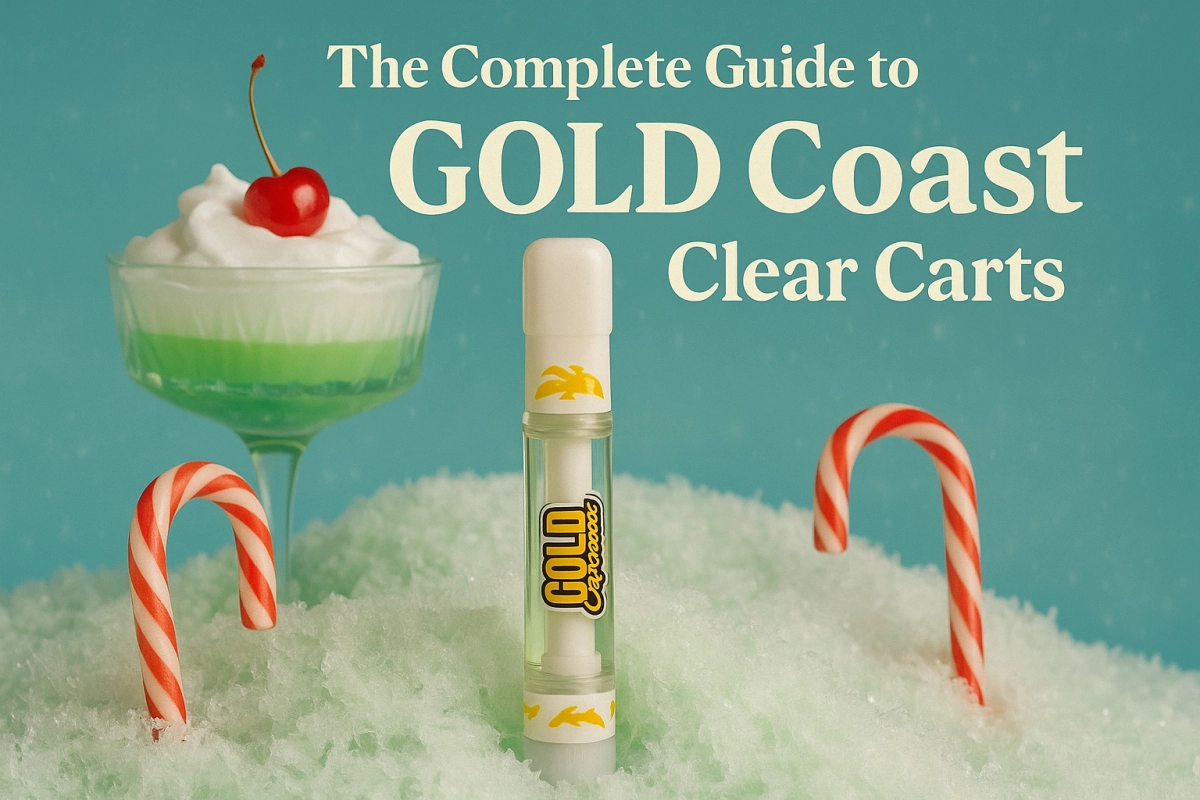
MoFu · Informational/Guide · B2B sourcing
Written for distributors, brands, and purchasing teams evaluating gold coast clear carts as part of a compliance-first sourcing workflow. No “effects” claims—just what to verify and why it matters in 2025.
- What “Gold Coast Clear carts” means in B2B sourcing
- Features that matter (MoFu evaluation checklist)
- “Benefits” reframed for distributors (non-medical, non-hype)
- Authenticity verification model (without helping counterfeiters)
- Documents + QC signals to request before scaling
- Packaging & child-resistant basics (high-trust references)
- Lineup context: carts vs disposables (how buyers compare)
- FAQ
1) What “Gold Coast Clear carts” means in B2B sourcing
In MoFu terms, a buyer searching gold coast clear carts usually isn’t asking “what is a cart?” They’re trying to answer: Is this a consistent format, can we verify origin, and can our team defend it during retailer onboarding?
Authenticity and documentation matter because regulators can treat e-cigarettes/ENDS and related “components and parts” as regulated items in their own right. For U.S. context, the FDA’s ENDS overview explains that the agency regulates manufacture, import, packaging, labeling, and distribution of ENDS, including components and parts (excluding accessories): FDA ENDS overview.
Define “authentic” for your business
“Authentic” should mean your team can trace the order to a consistent supplier, reconcile lot/batch identifiers across documents, and confidently reject suspicious inventory—before it hits retail partners.
Focus on defensible checks
Prioritize paper trail, batch consistency, and packaging integrity. Avoid relying on one “magic” security feature that can be imitated.
For brand-level context on your site, see Gold Coast Clear.
2) Features that matter (MoFu evaluation checklist)
Features are only valuable if they reduce operational risk: fewer complaints, fewer returns, fewer “hold” events at receiving, and smoother retailer onboarding. Use this checklist when reviewing samples and supplier quotes.
2.1 Buyer checklist (what to evaluate in samples)
- Thread & fit consistency: units should seat evenly (no wobble, no cross-thread feel). Verify mechanical fit across multiple pulls.
- Seal discipline and tolerance consistency: look for uniform seams; reject samples with visible gaps, glue overflow, or uneven joints.
- Mouthpiece/closure alignment: misalignment often correlates with higher defect rates and packaging damage claims.
- Material/finish stability: check for cosmetic scuffing under normal handling; MoFu buyers care about retailer presentation consistency.
- Label/print repeatability: compare fonts, spacing, and print sharpness across units from different sample pulls.
- Packaging structure: carton fit should prevent sliding, crushing, and corner damage in transit.
2.2 The “3-pull” sampling habit
Don’t judge by one “hero” sample. Pull three groups: (a) first units you see, (b) middle of the pack, (c) last units. If the last group looks noticeably worse, you’re seeing batch variability risk.
3) Benefits (reframed for distributors—no medical claims)
Many pages talk about “benefits” in ways that drift into health claims. For a MoFu B2B guide, “benefits” should mean operational and commercial outcomes you can measure and document.
Commercial benefits
- Cleaner retail presentation (consistent packaging reduces “looks questionable” complaints).
- Lower dispute/chargeback risk when you can document lot/batch and supplier identity.
- Faster onboarding when documentation is ready for retail partners.
Operational benefits
- Lower return rates through better fit and assembly consistency.
- Less receiving labor when cartons and labeling are standardized.
- Clearer go/no-go decisions using repeatable QC criteria.
Tip: If you later describe any “benefit” publicly, keep it factual and supportable. FTC guidance emphasizes that advertising claims should be truthful and substantiated. See: FTC: Health claims.
4) Authenticity verification model (without helping counterfeiters)
A strong authenticity workflow does not depend on publishing microscopic security details. Instead, use a layered model that is hard to fake at scale and easy to defend with records.
4.1 Layer 1 — Source verification (paper trail first)
- Verify supplier identity: consistent company name, address, and payment entity across quote, invoice, and shipping paperwork.
- Require a documented returns/hold policy (what happens if receiving QC fails?).
- Keep a “vendor file” that records contacts, emails, and historical performance notes.
4.2 Layer 2 — Batch verification (data must match)
- Request batch/lot identifiers and ensure they match across case labels, inner packaging, and documents.
- If COAs or test summaries are provided, verify the lab identity and confirm the report links a batch to a real sample.
- Flag “perfect” documents with inconsistent fonts, missing addresses, or no batch linkage to physical inventory.
4.3 Layer 3 — Packaging integrity (tamper-evidence + print discipline)
- Check for obvious red flags: blurry print, low-resolution artwork, inconsistent spacing, weak seals, or mixed materials in one case.
- Confirm cartons protect corners and reduce rub marks (shipping damage becomes “authenticity doubt” fast at retail).
- Use receiving photos: photograph the master case, inner cartons, and a random unit pull for recordkeeping.
5) Documents + QC signals to request before scaling
Your goal is to make bulk purchasing decisions defensible. Strong documentation helps your team explain decisions to partners and reduces disputes.
5.1 Minimum document set (MoFu-ready)
- Spec summary: key dimensions, material notes, and packaging configuration (master case + inner cartons).
- Lot/batch logic: how lots are defined, labeled, and traced.
- QC definitions: how “critical/major/minor” defects are defined for incoming inspection.
- Packaging dieline/mockup: shows where required panels fit (so you don’t discover limitations late).
- Returns/hold policy: clear steps if receiving QC fails.
5.2 Keep navigation clean (context chain, not sales copy)
- Main carts page: gold coast clear carts
- Broader comparison set: empty vape cartridges
6) Packaging & child-resistant basics (high-trust references)
Packaging is one of the fastest ways to raise trust signals—both for compliance teams and retail partners. In the U.S., “special packaging” (commonly called child-resistant packaging) is addressed under the Poison Prevention Packaging Act (PPPA) and codified in 16 CFR Part 1700.
- CPSC: PPPA Business Guidance
- 16 CFR § 1700.15 (poison prevention packaging standards)
- 16 CFR § 1700.20 (testing procedure for special packaging)
- CPSC: Guide to Special Packaging
Practical takeaway: even if your sourcing focus is “authenticity,” packaging is where authenticity concerns show up first at retail—damaged seals, inconsistent cartons, and print drift. Strong packaging programs reduce both compliance risk and customer doubt.
7) Lineup context: carts vs disposables (how buyers compare)
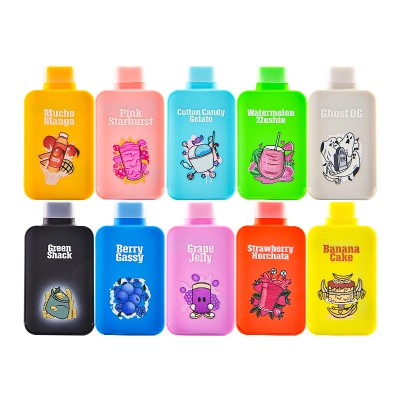
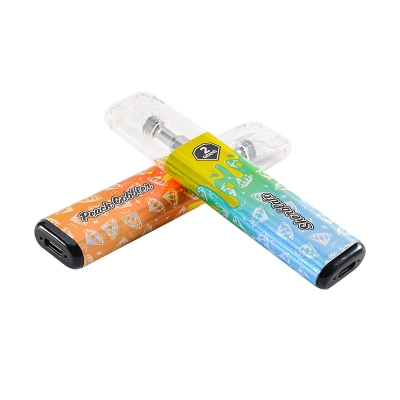
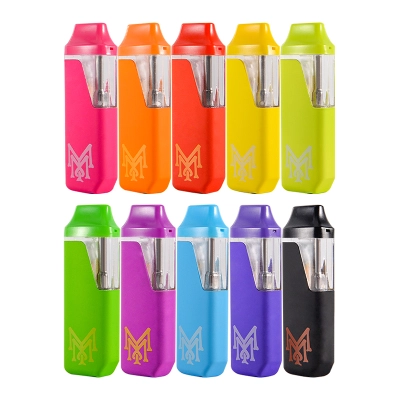
MoFu buyers often compare carts and disposables to match retailer expectations, display constraints, and packaging programs. If your assortment strategy includes multiple form factors, keep your internal link structure simple: brand hub → carts → disposables → education.
When buyers lean “carts”
- They want a standardized form factor for easier onboarding.
- They plan tighter packaging workflows and clearer batch control.
- They prioritize consistency over novelty.
When buyers also carry disposables
- They want a broader assortment range for seasonal drops.
- They need retail presentation options across more styles.
- They plan deeper SKU testing before scaling volume.
For lineup comparison context (without turning this into a sales page), see: Gold Coast Clear Disposable.
For more templates, audits, and checklists, continue through: empty vape guides.
8) FAQ
Q1: What’s the safest way to publish “authenticity verification” guidance?
Keep it process-based: source verification, batch matching, packaging integrity, and documentation. Avoid publishing precise security-feature descriptions that could help counterfeiters.
Q2: Can we talk about “benefits” without triggering compliance risk?
Yes—focus on operational and commercial outcomes (returns, consistency, packaging durability, onboarding readiness). Avoid health/medical benefits unless you have strong substantiation and legal review.
Q3: Why include packaging regulations in an authenticity guide?
Because packaging is where authenticity concerns become visible at retail—damaged seals, inconsistent cartons, and print drift. Aligning packaging to recognized standards improves trust and reduces disputes.
Q4: What’s a “minimum” MoFu document set for first-time bulk buys?
Spec summary, lot/batch labeling logic, QC defect definitions, packaging dielines/mockups, and a written returns/hold policy—so your decisions remain defensible as volume scales.
3 Comments
Really enjoyed this, looking forward to more!
Simple and clear, exactly what I needed.
Interesting read, learned something new today.