
DISCLAIMER
This article discusses California Honey and related cannabis vape products for educational and market-analysis purposes only. Vapehitech supplies empty vape hardware only — no THC, no nicotine, no cannabis oil, and no finished “California Honey” products. Nothing in this guide is legal, medical, or health advice. Always check your local laws and consult qualified professionals before buying, using, or launching any cannabis or nicotine products.
What Is California Honey in 2025?
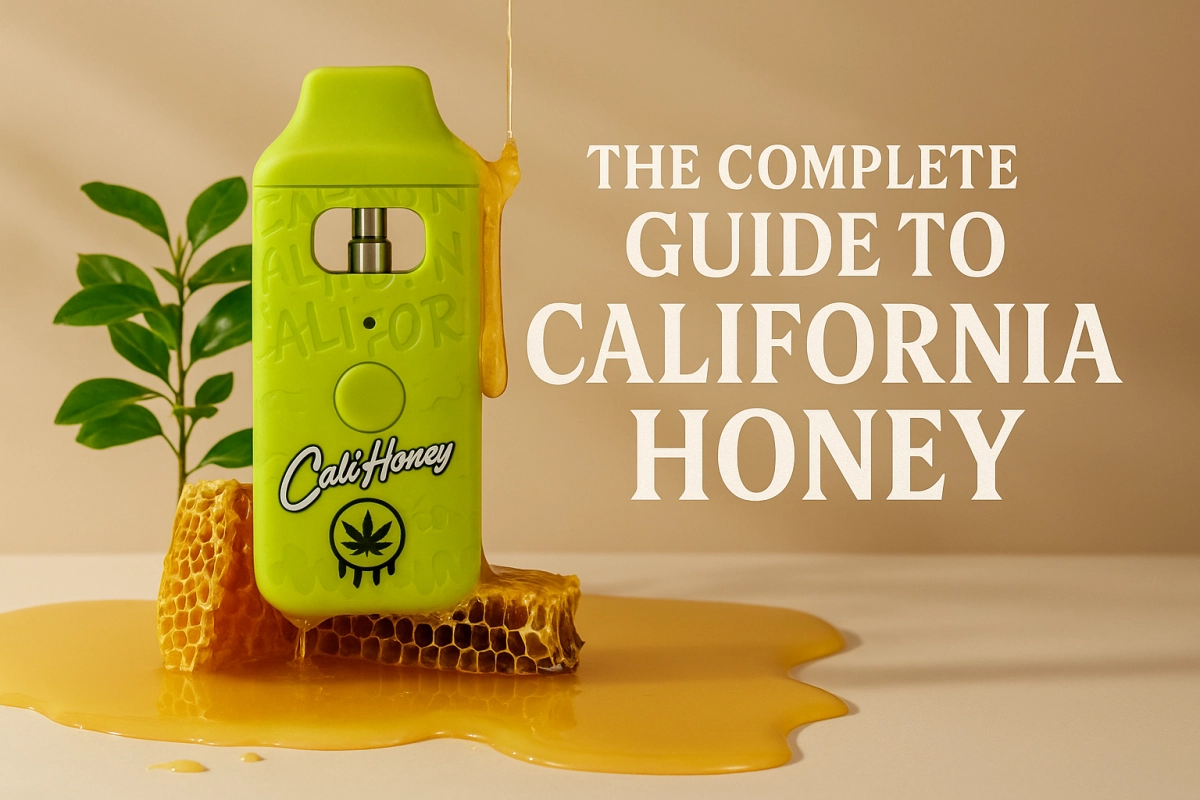
In 2025, California Honey refers primarily to a branded line of THC-focused vape products sold through state-licensed cannabis retailers in legal markets. In practice, the name covers:
- Pre-filled THC vape cartridges designed for 510 or pod-style batteries;
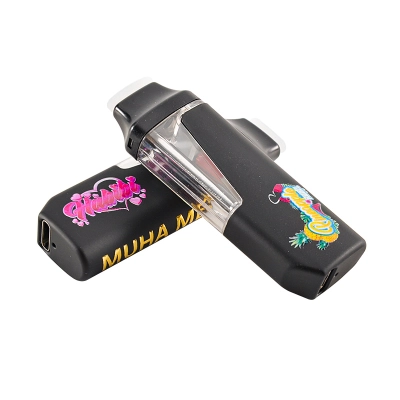
- All-in-one disposable vapes with integrated batteries and sealed tanks;
- Occasional crossovers into hemp-derived or nicotine e-liquids in some regions.
From a consumer perspective, California Honey sits in the same mental “bucket” as other flavor-forward, terpene-heavy brands: bright packaging, strain naming, and a strong social-media presence. From a compliance perspective, however, it is governed by the same state cannabis rules as any other licensed THC vape line. In California, these rules are issued by the Department of Cannabis Control (DCC) and codified in the California Code of Regulations, Title 4, sections 15000–17905 — with a consolidated “Medicinal & Adult-Use Cannabis Regulations” document updated on April 1, 2025 to help stakeholders track changes.
At the same time, the broader internet has blurred the term. Gas stations, unlicensed retailers, and gray-market sellers often use similar “cali honey” names and artwork on unregulated cartridges that may not come from the official brand at all. That is where things get risky for both consumers and B2B buyers.
How People Use “cali honey” Online
Search data and social media posts show that many people casually type cali honey when they mean “California Honey vape,” “California Honey cartridge,” or even any honey-themed THC pen. The phrase has become a kind of shorthand for:
- Authentic California Honey products bought from licensed dispensaries; and
- Look-alike or counterfeit carts using similar artwork and slang.
For SEO and content planning, that dual meaning matters. When someone searches “cali honey,” they might be:
- A consumer trying to understand what the brand is and whether it is safe;
- A B2B buyer researching hardware and packaging to support a California Honey–style line;
- Or a curious user comparing legal dispensary products with cheaper options they see online.
This guide is written for both sides: consumers who want a high-level, non-technical overview and B2B teams who need a structured way to think about products, risks, and regulations before they commit to any California Honey–branded project.
California Honey Product Types You’ll See on the Market
1. Branded THC cartridges
In regulated markets, California Honey is best known for pre-filled THC cartridges in strain-branded formats. These carts typically pair a ceramic coil with live resin, distillate, or other extracts. They are sold through licensed dispensaries where age, ID, and purchase limits are enforced under state cannabis rules.
2. All-in-one disposables
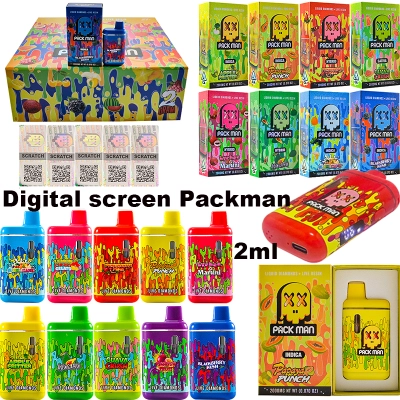
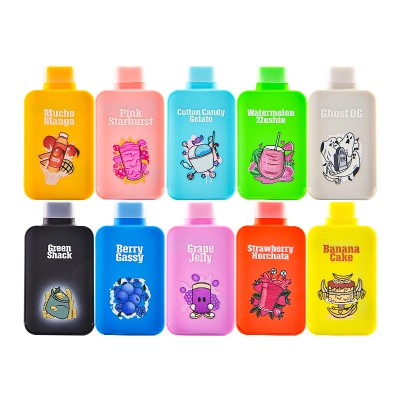
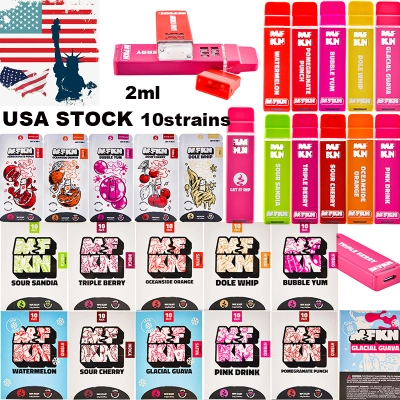
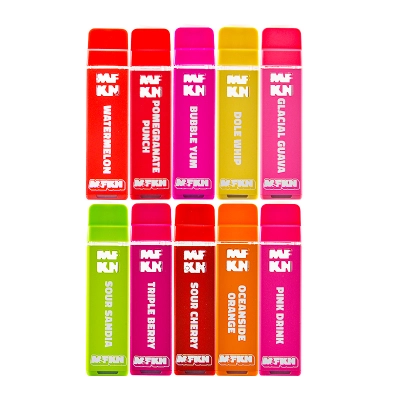
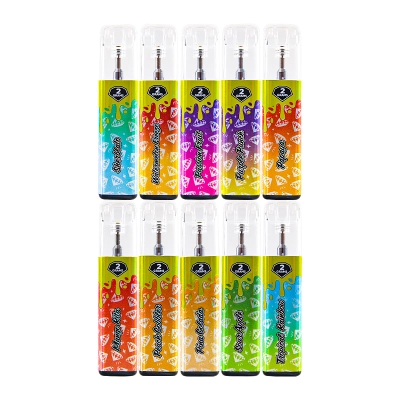
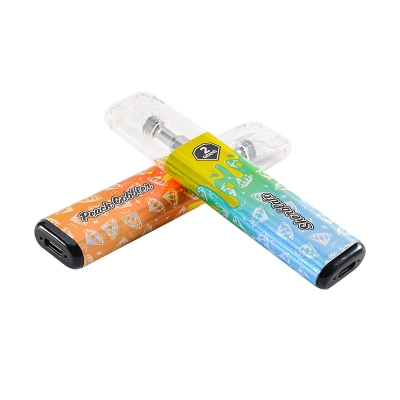
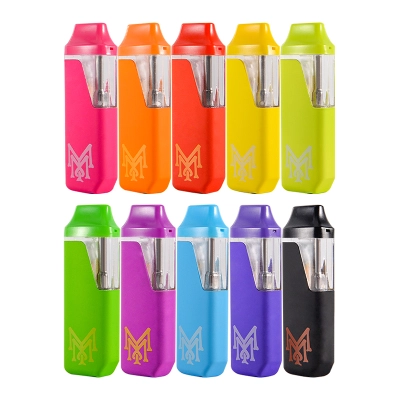
The second major category is pre-filled disposables: integrated batteries plus sealed tanks that are meant to be used and discarded. These devices are especially popular with travelers and people who prefer a lower-friction, no-maintenance format.
For B2B buyers evaluating hardware, the high-level decision is usually:
- Cartridges for flexibility and long-term brand equity; or
- Disposables for convenience and lower up-front complexity.
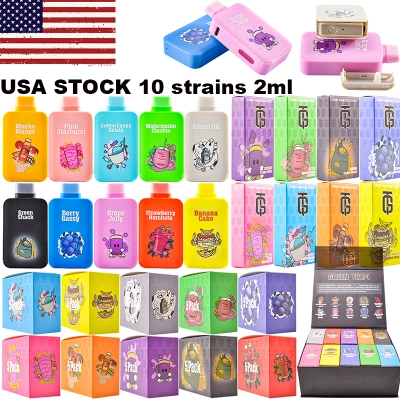
If you already have a multi-SKU roadmap and want to compare hardware families in one place, our California Honey vape wholesale catalog groups compatible empty devices by capacity and warehouse to simplify planning across 1 g and 2 g formats.
3. “California Honey” as a flavor or aesthetic
Outside of the licensed cannabis channel, some nicotine and hemp brands reference “honey” or “California” themes in their flavor naming or artwork. While those products might not be affiliated with the California Honey brand at all, they still contribute to overall search confusion and can make it harder for consumers to distinguish official products from copycats.
This is exactly why hardware and packaging choices matter: clear, consistent labeling and serialization help licensed brands stand apart from anonymous carts with similar names.
Perceived Benefits — and Their Limits
Convenience and portability
Fans of California Honey–style vapes usually highlight how easy they are to carry, store, and use. Compared with traditional flower, there is no grinder, no lighter, and less odor. For heavy users, 2 g disposables can feel like “all-day” devices that reduce the frequency of re-purchasing.
Strain-specific experiences (in theory)
California Honey products are often marketed with specific strain or effect language: “indica,” “sativa,” “hybrid,” or mood-based descriptions such as “relax,” “focus,” or “creative.” In theory, these cues help consumers align expectations with terpene profiles and cannabinoid ratios.
In practice, those promised effects only hold if:
- The product actually contains the cannabinoids and terpenes on the label; and
- The published lab results (COA) are from an accredited lab, recent, and batch-specific.
Why any benefits are not guaranteed
Major public health agencies are clear on one point: vaping is not risk-free. During the 2019–2020 outbreak of e-cigarette, or vaping, product use–associated lung injury (EVALI), U.S. health authorities reported 2,807 hospitalized cases or deaths across all 50 states, the District of Columbia and two U.S. territories as of February 18, 2020, with 68 deaths confirmed in 29 states and DC. Most patients reported using THC-containing products, often sourced from informal channels rather than licensed dispensaries. Follow-up reviews highlight that additives such as vitamin E acetate and other diluents played a key role in many of these cases, and concerns about new formulations and devices remain under active research.
That means perceived benefits — convenience, flavor, or strain effects — must always be weighed against very real health risks. No brand name, including California Honey, can make vaping “safe.”
Real-World Risks: Counterfeits, Mislabeling, and Health Concerns
1. Counterfeit and look-alike “cali honey” carts
Because California Honey is a recognizable name, counterfeiters have flooded online marketplaces and informal channels with “cali honey” carts that mimic the brand’s artwork but are filled and distributed outside any licensed system. These products may:
- Use unknown oils, cutting agents, or synthetic cannabinoids;
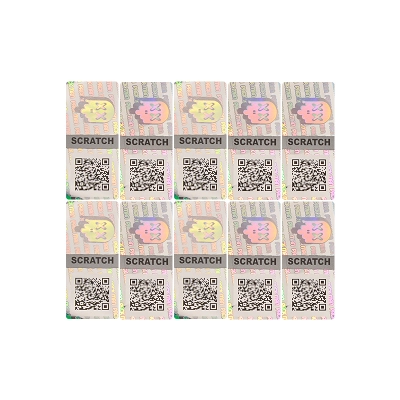
- Carry fake or reused QR codes and batch numbers;
- Bypass all state testing, packaging, and labeling rules.
From a consumer standpoint, there is often no easy way to tell whether a “cali honey” pen from a social media seller is genuine or not — especially when unlicensed shops copy boxes and holograms. Buying from state-licensed retailers and checking batch-level lab reports substantially reduces that risk, but does not eliminate it.
2. Mislabeling, potency gaps, and recalls
Regulators and independent labs have repeatedly found cannabis vapes with inaccurate potency or contaminant information, even when sold in legal markets. That can mean:
- THC levels far below the label, undermining dosing and consumer trust; or
- Residual solvents, pesticides, or heavy metals above state limits.
In California, DCC rules require licensed testing laboratories to follow standardized methods and report detailed cannabinoid profiles. Title 4, section 15724 of the California Code of Regulations specifies that labs must test a representative sample and report cannabinoids such as THC, THCA, CBD, CBDA, CBG and CBN with limits of quantitation at or below 1.0 mg/g. Additional sections in Article 5 of Chapter 6 cover residual solvents, heavy metals, microbials and other panels, and DCC’s standardized cannabinoid test method — required for dried flower from January 1, 2024 — aims to reduce lab-shopping and inflated potency claims.
For consumers choosing any California Honey–branded product, the minimum standard should be:
- A recent, third-party certificate of analysis (COA) from a state-licensed lab that matches the batch ID on the packaging;
- Testing panels that include cannabinoids, residual solvents, heavy metals, microbials and, where applicable, water activity and mycotoxins;
- A retailer that can verify authenticity and respond to recall notices from regulators.
3. What a credible COA usually shows
While COAs vary by lab, a compliant cannabis vape COA in a state like California typically includes at least the following elements:
| COA Section | What to Look For |
|---|---|
| Header & sample ID | Lab name and license number, client name, product name, batch or lot ID, sample intake date, report date. |
| Cannabinoid profile | THC, THCA, CBD, CBDA and other cannabinoids reported in mg/g or % w/w, with “pass/fail” against state potency tolerance where applicable. |
| Contaminant testing | Panels for residual solvents, pesticides, heavy metals and microbials, each with method references and “pass/fail” results. |
| Method references | Internal method numbers or references to state-standard test methods required by local regulators. |
| Signatures | Approval signature from a lab director or authorized signatory, plus a statement that tampering voids the report. |
If a supposed California Honey product comes with a COA that lacks batch IDs, method references, or contaminant panels, that is a red flag — especially if the device was purchased from an unlicensed shop or via direct messages on social media.
4. EVALI and ongoing health guidance
The EVALI outbreak illustrated how quickly contaminated or poorly regulated vapes can cause harm. Investigations found strong links between many cases and THC products containing vitamin E acetate and other additives purchased from informal sources. Although the CDC stopped routine EVALI case updates once incidence declined in early 2020, later reviews in toxicology and public-health journals emphasize that the exact mechanisms of injury remain under study and that new formulations, devices and additives could introduce new risks.
For both consumers and B2B buyers, the lesson is straightforward: do not assume that a recognizable brand name or trendy slang like “cali honey” equals safety. The actual hardware, filling process, and supply chain controls determine risk far more than the logo on the box.
California Honey Legality in 2025
1. Federal overview: cannabis vs. hemp-derived THC
At the U.S. federal level, cannabis containing more than 0.3% delta-9 THC by dry weight remains a Schedule I controlled substance. Hemp-derived cannabinoids sit in a more complex legal environment. Earlier farm-bill language opened space for products such as delta-8 THC, but regulators and courts have since questioned whether synthesized or intoxicating hemp products are lawful. In a 2024 update on cannabis-derived products, the U.S. Food and Drug Administration (FDA) reiterated that THC and CBD are not allowed as active ingredients in conventional foods or dietary supplements, and the agency has not approved any over-the-counter cannabis or CBD products. Prescription-only formulations such as Epidiolex remain the exception.
For most consumers, the key takeaway is simple: regardless of whether a cart is marketed as “hemp,” “delta-8,” or “California Honey,” its federal status is complicated, and it may not be legal to ship across state lines even between two states with legal cannabis or hemp programs.
2. California’s adult-use and medicinal framework
In California, non-medical adult use of cannabis is legal for adults 21+ under state law, and medicinal use is legal for patients 18+ with a physician’s recommendation. Licensed dispensaries, delivery services, manufacturers and distributors must comply with detailed DCC rules on licensing, testing, packaging, labeling, marketing, and track-and-trace systems. Those rules apply to any THC vape sold through the legal system, including California Honey products.
DCC regulations are organized under Title 4 of the California Code of Regulations (§§15000–17905). For example, Chapter 10, Article 1 (sections 17300–17303.1) lists prohibited cannabis products and sets additional requirements for certain inhalable and edible products, while Chapter 11 addresses packaging and labeling, including child-resistance and restrictions on designs attractive to minors. Chapter 6, Article 5 governs laboratory testing and reporting, with sections such as 15724 specifying how cannabinoid testing must be performed and reported on COAs.
The April 1, 2025 consolidated “Medicinal & Adult-Use Cannabis Regulations” document brings earlier rulemakings into a single reference, and additional DCC guidance notes explain, for example, new limits on certain ingredients in inhaled cannabis products. For brands considering a California Honey–branded line, staying current with these updates is essential: a compliant product in 2022 could be out of step with the 2025 rule set.
3. State-by-state patchwork beyond California
Outside California, California Honey–branded products face a patchwork of rules:
- As of mid-2025, legislative research organizations report that about 40 U.S. states, three territories and the District of Columbia allow medical use of cannabis products in some form.
- Roughly two dozen states plus DC and several territories allow adult-use (non-medical) cannabis for adults, each with its own licensing and tax structures.
- Several states strictly limit or ban intoxicating hemp-derived cannabinoids such as delta-8 THC, treating them more like traditional cannabis products.
Texas provides a clear example of how quickly the landscape can shift. Senate Bill 2024, which took effect on September 1, 2025, makes it a Class A misdemeanor to market or sell any vape containing cannabinoids — including THC, CBD, delta-8 THC and THCA — with penalties of up to one year in jail and a $4,000 fine. The law targets commercial sale and marketing of these vapes but does not explicitly criminalize possession, causing confusion for both retailers and consumers. Similar bills in other states focus on flavored or youth-appealing vapes, or on particular classes of hemp-derived products.
For consumers, that means a pen bought legally in one state may not be legal to possess or use in another. For B2B buyers planning a California Honey project across multiple markets, legal review is not optional — it is a core part of risk management and brand protection.
Important: This section is a high-level overview based on regulations and public guidance available as of late 2025. It is not legal advice. Always consult qualified counsel before launching, distributing, or marketing any cannabis or hemp-derived product line under the California Honey name or aesthetic.
Where Empty Hardware Fits In (Vapehitech’s Role)
Empty hardware only — no filled California Honey products
Vapehitech operates strictly on the hardware side. We design, source, and supply empty cartridges and disposables that licensed brands can fill under local regulations. We do not:
- Produce or sell THC, CBD, or nicotine oils;
- Fill or package finished “California Honey” vapes;
- Ship any filled cannabis products to consumers or retailers.
That separation is intentional. It allows our partners to maintain full control over extraction, formulation, and compliance, while we focus on engineering, reliability, and consistency across large hardware runs.
Comparing empty California Honey–style disposables
When a licensed brand wants to build a California Honey–branded device family, they often start by mapping capacities and form factors:
- 1 g disposables for value-driven SKUs and trial markets; and
- 2 g disposables for heavier-use segments and “all-day” positioning.
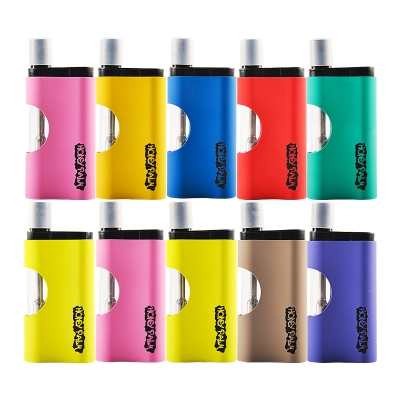
To make that comparison easier, we maintain a dedicated california honey disposable category page where empty devices are grouped by warehouse, capacity, and shell style.
For teams that already know they need tighter targeting, it can be useful to jump straight into capacity-specific views: our california honey 1g disposable range supports smaller-dose formats and entry-level pricing, while the california honey 2g disposable lineup is built for higher-volume users and longer intervals between purchases.
Why hardware quality still matters, even in ToFu content
Even though this guide is ToFu and informational, hardware quality is not an afterthought. Many of the health and recall issues that regulators highlight — from leaking devices to inconsistent dosing — are amplified by poor hardware choices. When brands pair compliant oil with reliable carts and disposables, they reduce:
- Leak-related product loss and shipment damage;
- Customer complaints about clogged or burnt devices;
- Reputational risk from hardware failures that look like “product” failures.
That is why we always recommend separate but parallel workstreams: legal and compliance teams handling licensing and formulation, and hardware teams validating coil design, battery protections, and packaging robustness before any California Honey–style launch goes public.
Quick Checklist for Consumers and B2B Buyers
For consumers considering California Honey products
- Buy only from licensed dispensaries or delivery services listed on your state regulator’s website.
- Check that packaging includes a batch ID, manufacturing date, and a scannable link or code to a recent lab report.
- Verify that the COA’s batch ID, product name and date match the package in your hand.
- Look for full contaminant panels (solvents, pesticides, heavy metals, microbials) — not just THC percentage.
- Avoid “cali honey” carts sold through social media DMs, pop-up shops, or gas stations.
- Understand that vaping any THC or nicotine product carries health risks, including serious lung injury.
- Follow your local laws on age, possession limits, and where you can legally consume.
For B2B teams planning a California Honey–branded line
- Engage legal counsel early to map state-by-state rules, trademark considerations, and hemp vs. cannabis treatment.
- Confirm that all partners — growers, extractors, manufacturers and distributors — hold current licenses in each jurisdiction.
- Decide whether your first launch should focus on carts, 1 g disposables, or 2 g disposables, based on consumer insights and tax structure.
- Choose hardware with a documented track record on leak resistance, consistency, and battery protections.
- Build a COA, stability, and recall workflow before launch, not after the first complaint.
- Document how your line differs from counterfeit “cali honey” products and train staff to explain that to retailers and consumers.
How to Verify Laws, COAs and Health Data Yourself
Because California Honey and similar products sit at the intersection of cannabis, hemp and vaping, the rules change quickly. To keep this guide from pretending to be more definitive than it can be, here is a practical way to verify key points on your own:
- Regulations in California: Start with the Department of Cannabis Control’s regulations page, which points to the current California Code of Regulations text (Title 4, §§15000–17905) and the latest consolidated Medicinal & Adult-Use Cannabis Regulations PDF. Focus on chapters covering testing laboratories (Chapter 6), manufactured products (Chapter 10) and packaging and labeling (Chapter 11).
- Medical and adult-use status by state: Use up-to-date state-by-state cannabis law summaries from national legislative research organizations. As of mid-2025, these sources show roughly 40 states plus three territories and DC allowing some form of medical cannabis, and almost half of states allowing adult-use.
- Health and injury data: For EVALI and other vaping-related harms, rely on official pages from the U.S. Centers for Disease Control and Prevention (CDC) and peer-reviewed review articles that summarize case numbers and clinical findings rather than anecdotal posts.
- Federal stance on cannabis-derived products: Read the FDA’s public-focus pages on cannabis and cannabis-derived compounds, as well as its periodically updated list of warning letters to companies selling CBD, delta-8 THC and similar products with unapproved health claims.
- State-specific bans and restrictions: For states like Texas that have passed laws such as SB 2024 targeting cannabinoid vapes, review both the statutory text and explanatory articles from reputable news outlets or legal-education sites so you understand what is banned (sale and marketing) and what is not (personal possession in some cases).
Treat this article as a structured starting point, not a substitute for primary sources or professional advice.
Key Takeaways
California Honey in 2025 is more than a buzzword — it is a real cannabis vape brand operating inside an increasingly strict regulatory environment, surrounded by look-alikes and counterfeits that blur the line between legal and unregulated products. The slang term cali honey often mixes all of these realities together in search results and social feeds.
For consumers, the safest move is to treat California Honey like any other THC vape: buy from licensed channels only, demand recent lab data, and understand that no vape is risk-free. For B2B buyers, the winning play is to separate hardware, oil, and compliance into clear workstreams — using reliable empty devices and robust testing to protect both end users and brand equity.
Vapehitech’s role sits firmly on the hardware side. We provide empty California Honey–style cartridges and disposables for licensed partners. We do not sell THC, nicotine, or finished vapes — and we encourage everyone in the supply chain to treat consumer safety, legality, and transparency as non-negotiable pillars of any California Honey–branded project.
Key Public References
- California Department of Cannabis Control – DCC regulations homepage and the April 1, 2025 consolidated “Medicinal & Adult-Use Cannabis Regulations” document (Title 4, §§15000–17905).
- California Code of Regulations, Title 4, Division 19 – Sections 15717–15724 (laboratory testing requirements) and sections 17300–17303.1 (standards for manufactured and inhaled cannabis products).
- U.S. Centers for Disease Control and Prevention – E-cigarette, or Vaping, Product Use–Associated Lung Injury (EVALI) outbreak updates showing 2,807 hospitalized cases and 68 deaths reported by February 18, 2020, plus later scientific reviews of EVALI cases.
- U.S. Food and Drug Administration – “FDA Regulation of Cannabis and Cannabis-Derived Products, Including Cannabidiol (CBD)” and related public-focus pages, as well as the FDA’s list of warning letters issued to companies marketing cannabis-derived products.
- National Conference of State Legislatures and similar legislative research organizations – state-by-state summaries of medical and adult-use cannabis laws as of June 2025.
- State-level legislation and explanatory coverage of laws such as Texas Senate Bill 2024, which bans the commercial sale and marketing of vape pens containing cannabinoids, including THC, CBD and delta-8 THC, while treating possession differently.
These references are provided for transparency and further reading. They are not affiliated with Vapehitech, and inclusion here does not imply endorsement of any specific policy or product.
3 Comments
Good to know this, thanks!
Very cool, I like it.
Nice one, thanks!