
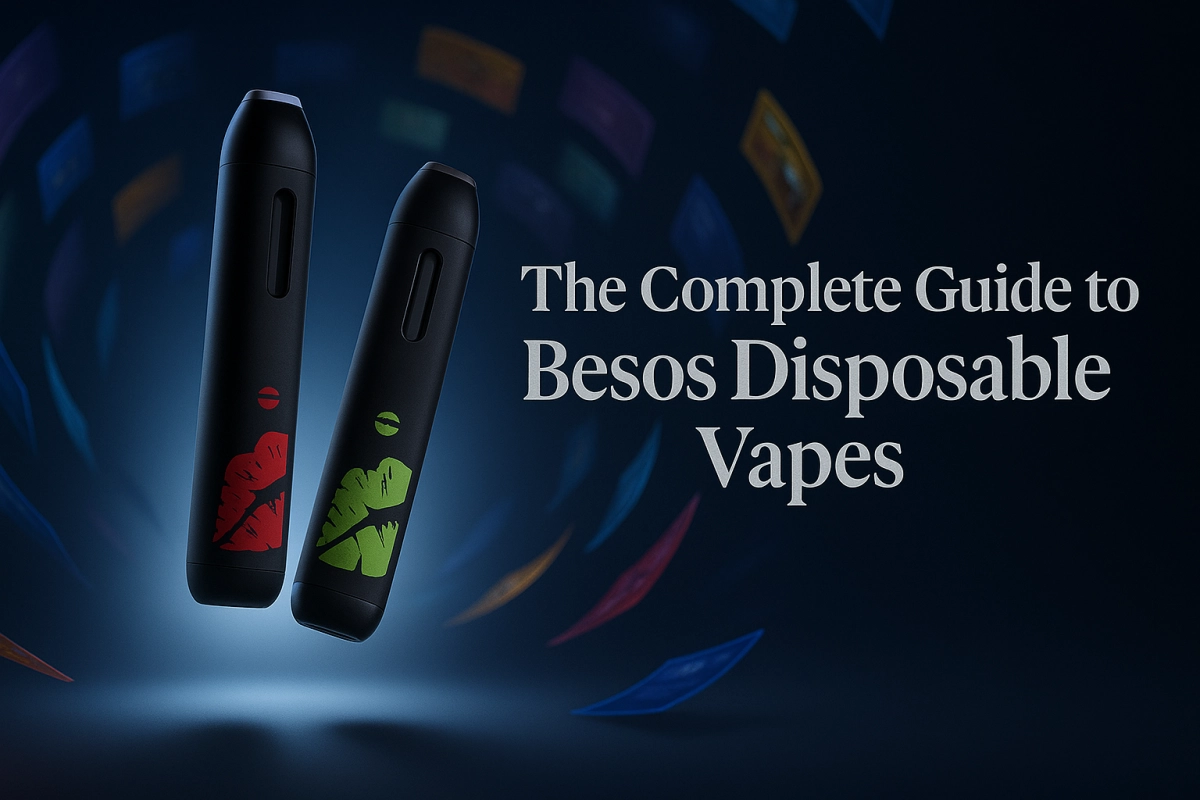
This guide is written for B2B teams sourcing empty or compliant hardware only. If you are evaluating besos disposable as a 2 g platform for licensed filling, use this page to align specs, variants, QC, and logistics with your internal standards.
For many buyers, “besos disposable” has become shorthand for a recognizable 2 g liquid-diamond style device format. From a hardware point of view, you are not just buying a logo; you are buying a set of specs: battery architecture, coil system, chamber volume, packaging, and documentation that must integrate into your filling line and compliance framework. This guide is designed as a MoFu playbook for teams who already know the name and now need clear, technical selection criteria.
1) What “Besos disposable” should mean for serious B2B buyers
In mature markets, a besos disposable device is evaluated as an industrial component. The key is to separate visual familiarity from operational reliability:
- Consistent 2 g (2 ml-class) reservoir suitable for thick oils under controlled filling parameters.
- Rechargeable system designed to finish the full load without voltage sag or burnt hits under normal use.
- Ceramic coil with well-defined resistance and intake geometry, not a “black box.”
- Packaging stack (master → inner → unit) that supports lot IDs, warning labels, and market-specific marks.
Treat each besos disposable lot as a spec’d part in your BOM: if you cannot document it, you cannot scale it.
2) Core hardware architecture: what to lock in on spec sheets
Recommended spec ranges
- Tank volume: 2 g / 2 ml-class chamber with clear tolerance.
- Coil: porous ceramic, ~1.2–1.6 Ω, matched to high-viscosity formulations.
- Inlet size: multi-port layout (e.g. 4 × 1.5–1.6 mm) for stable wicking.
- Battery: ~280–350 mAh with integrated protection IC and balanced cutoff.
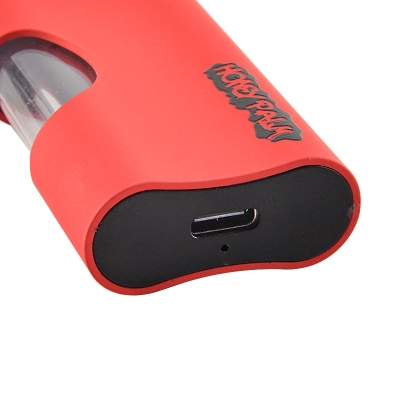
- Charging: Type-C on current generations; protected against reverse and over-voltage.
- Activation: draw-activated, no exposed switches; firmware tuned for consistent ramp.
Why these ranges matter
At 2 g capacity, undersized intakes or unstable output quickly translate into dry hits, leaks, or returns. Defined resistance and intake geometry improve repeatability across flavors and lots, while robust protection reduces thermal incidents and simplifies alignment with mainstream safety expectations in regulated markets.
Before committing to container-level orders, run pilot batches across your thickest and most temperature-sensitive SKUs to confirm performance within your real distribution conditions.
3) Varieties & regional options: mapping besos disposable formats to real use cases
Different besos disposable configurations serve different operational profiles. Instead of chasing names, match device types to how your organization actually moves inventory:
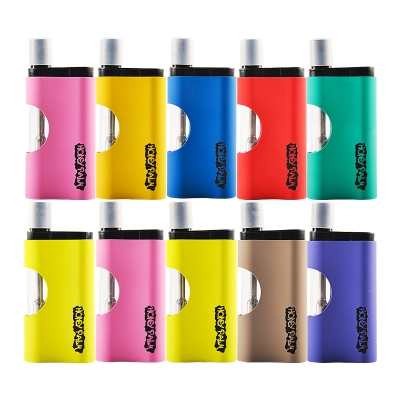
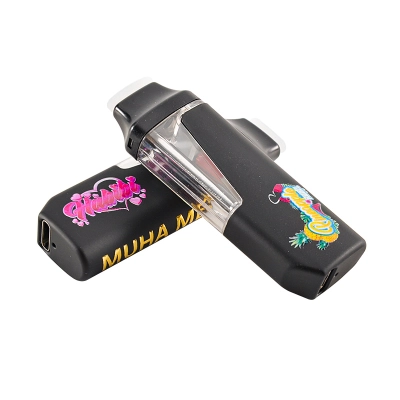
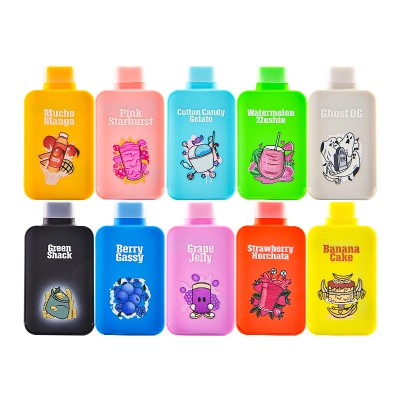
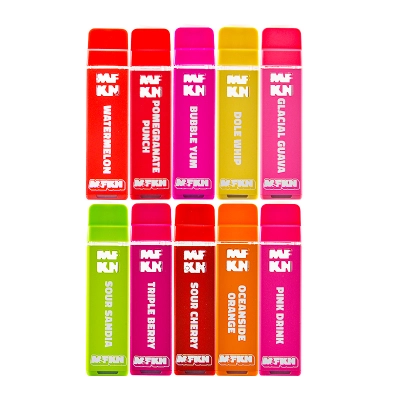
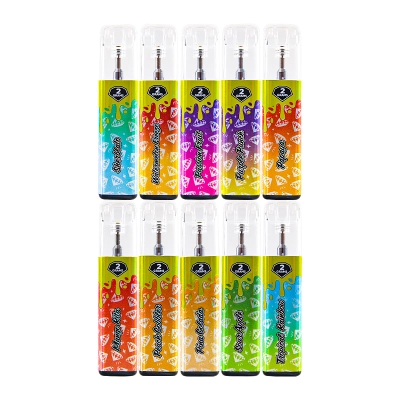
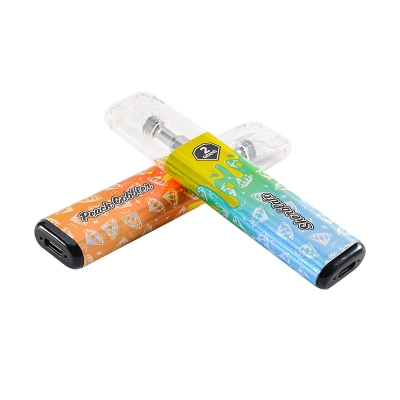
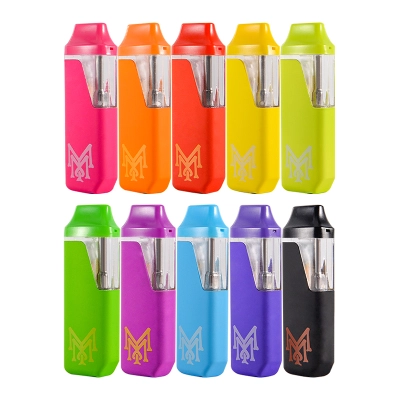
- Empty besos-style 2 g shells: for licensed fillers who need a recognizable silhouette with full control over formulation, testing, and branding, as offered in dedicated Besos empty-pen listings.
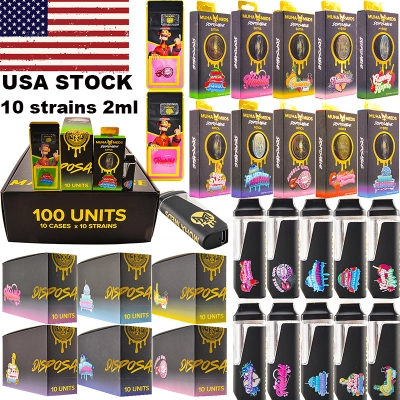
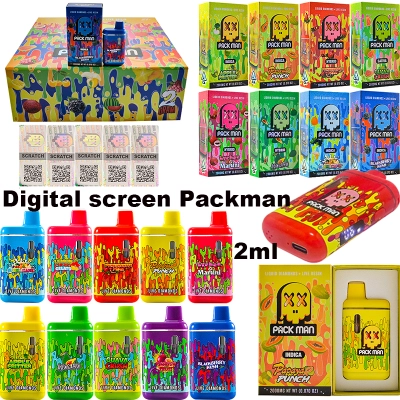
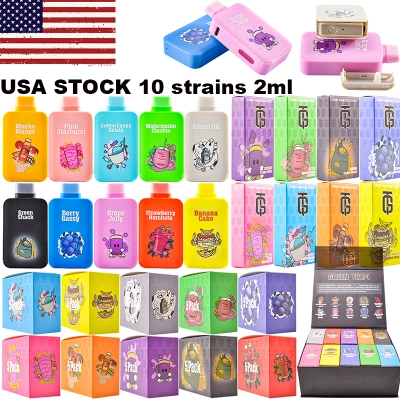
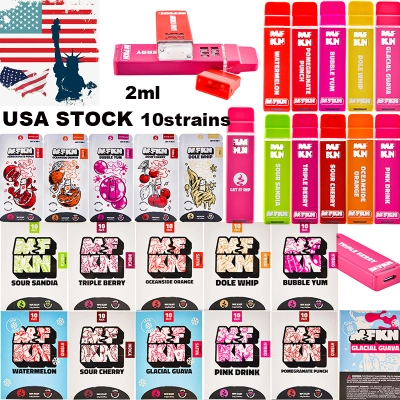
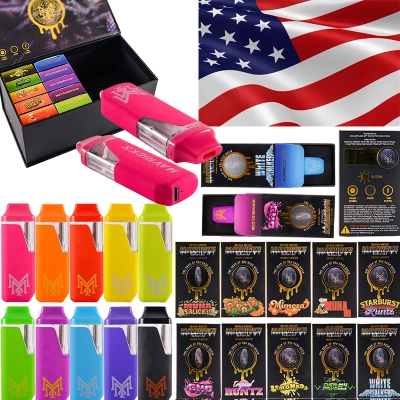
- USA stock lots: useful when you operate in regulated U.S. markets and want shorter lead times, clearer landed cost, and easier RMA handling through domestic inventory.
- UK/EU hub stock: suitable for EU or UK distributors seeking CE-/local-warning-friendly packaging formats and reduced customs friction.
- Tag-based collections: “Besos 2G disposable” or “Besos V4/V5” tags help your team track batch behavior, failure rates, and re-order logic by device family over time.
Internal tip: maintain a simple matrix (format × region × batch ID × failure rate) so purchasing can act on data, not anecdotes.
4) QC & compliance baseline for besos disposable hardware
Any besos disposable you put into a licensed pipeline should be anchored to verifiable standards and documents. At minimum, require:
- Battery & transport: UN 38.3 test summary for lithium cells/modules; verify against the official UN Manual of Tests and Criteria and updated carrier rules.
- Cell safety framework: alignment with IEC 62133-2 principles for portable sealed cells and packs.
- Electrical safety: design philosophy consistent with UL 8139 for ENDS devices (protection, wiring, heating).
- Materials: declarations against relevant REACH/RoHS lists; mouthpiece and tank materials suitable for contact with intended formulations.
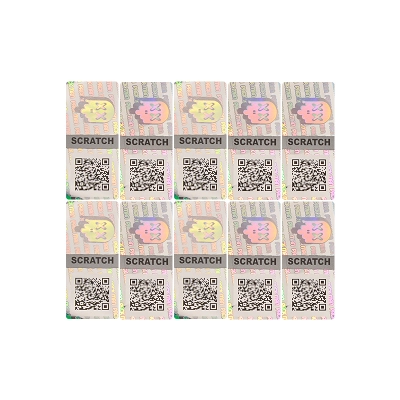
- Traceability: lot/batch IDs from master carton down to unit; QR or barcode support for your own LIMS/ERP.
For reference, see resources from UN 38.3 / UN Manual of Tests and Criteria, IEC 62133-2 overview, UL 8139, and ECHA REACH. Use them as benchmarks when reviewing supplier documentation.
5) Practical filling & usage guidance for licensed teams
Once the besos disposable format is locked, focus on the controllables inside your facility:
- Viscosity mapping: define an operating range (temperature + formulation) where capillary flow is stable; lock this in your SOPs.
- Fill volume accuracy: calibrate nozzles for 2 g chambers with ±2–3% tolerance; verify with random weight checks.
- Torque & seal: standardize mouthpiece closing torque to reduce micro-leaks and condensation pooling in transit.
- 30-unit functional test: per lot, log draw resistance, activation consistency, and visible defects before releasing to packing.
- Storage & transport: keep filled units within the recommended temperature range and avoid pressure spikes that cause seepage.
A disciplined incoming + outgoing QC loop often saves more margin than shaving a few cents off hardware cost.
6) Logistics paths: matching besos disposable supply to your risk profile
- Local / regional stock: best for fast-moving SKUs, clearer landed costs, and quicker replacements. Particularly useful when retail partners demand short lead times and documented chains of custody.
- Factory-direct or DDP: suitable for planned container-level drops; ensure DDP quotes include duties, brokerage, surcharges, and realistic transit buffers so you do not compress QC windows.
For EU/UK distribution strategies, UK/EU-based besos disposable inventory can act as a buffer warehouse and mitigate customs variance, while U.S. stock supports state-compliant cannabis or hemp programs that cannot tolerate long replenishment cycles.
7) FAQs B2B buyers actually ask about besos disposable hardware
Does besos disposable hardware handle very thick oils?
Yes, when paired with the correct ceramic coil and inlet geometry. Always confirm the intake size and resistance on spec sheets and validate under your thickest formulations before committing to volume.
Can we use besos-style shells for our own brand?
Nominative references are one thing; using protected marks or artwork is another. Work with legal counsel and ensure any customization respects intellectual property and local regulations. Focus your due diligence on hardware performance and documentation first.
What minimum documents should we expect from a serious supplier?
UN 38.3 test summary, basic IEC 62133-2 alignment at cell level, material declarations, packing specs, and a clear DOA/defect policy. If these are missing or vague, treat it as a red flag.
Do suppliers ship filled besos disposables?
Professional B2B hardware channels should position this format as empty or compliant hardware only. Licensed buyers are responsible for lawful filling, testing, labeling, and distribution in their jurisdictions.
2 Comments
Thanks for sharing this, learned a lot!
Great post! Very helpful.