
Commercial/Comparison (MoFu) · Empty hardware only · EU/US fulfillment
This guide is written for procurement and QC leads. It provides replicable methods, objective metrics, and compliance references so teams can compare devices beyond cosmetics.
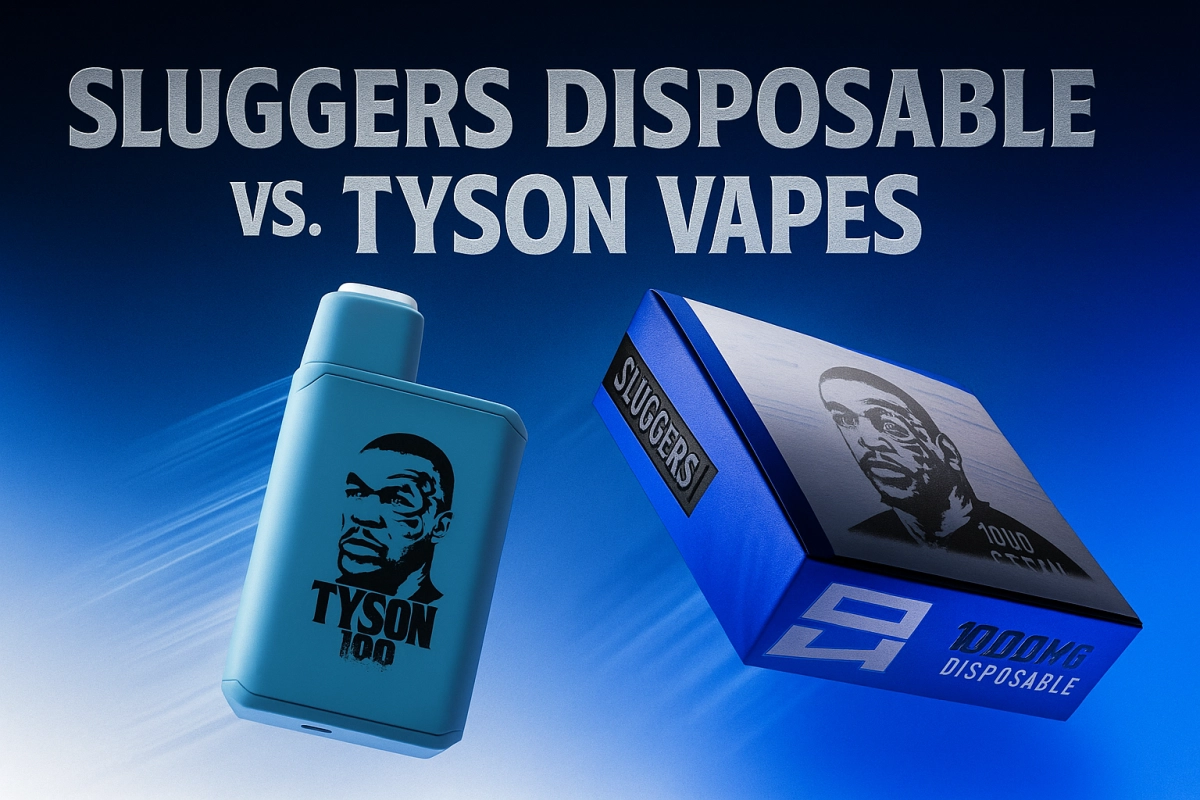
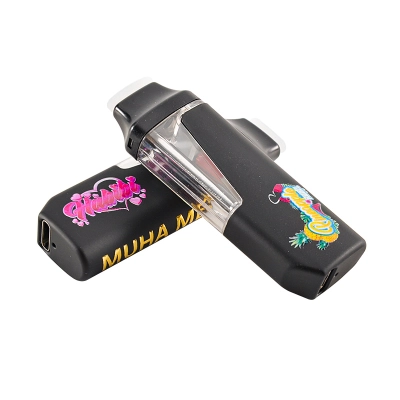
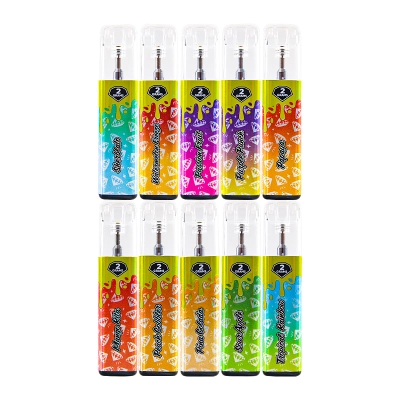
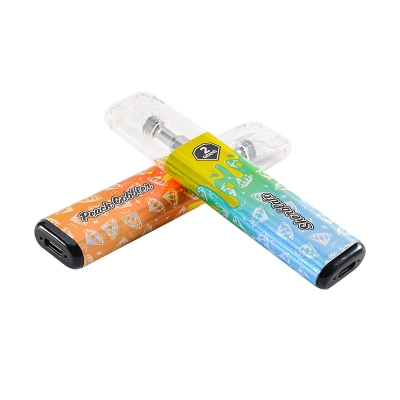
Two current models illustrate key trade-offs: Sluggers Halloween 2g Dual-Chamber Disposable (dual-flavor switching) and Tyson Punch 2g disposable (single-chamber focus). They target different use cases, but together they make a strong MoFu comparison for teams optimizing flavor stability, QC risk, and landed value.
What buyers compare—and how to measure it
1) Flavor stability
- Run a 300-puff cycle; score drift vs. first 5 puffs (panel or GC-MS proxy if available).
- Track “carryover” for dual-chamber devices after switching.
2) Draw consistency
- Measure draw resistance variance across 30 units (coefficient of variation, CV%).
- Log plume onset delay (ms to vapor) using a fixed flow bench.
3) Condensation & leak control
- 24-hour upright + 2-hour horizontal hold; weigh condensate collection (mg) or rate ordinally.
- Verify cap torque window and mouthpiece tamper integrity.
4) Logistics & audit trail
- Confirm UN 38.3 test coverage and cell traceability; add GS1 barcodes on kits.
- Use appropriate ISTA drop/stack procedure for packed cases where required.
Spec-by-spec comparison
| Dimension | Sluggers Halloween 2g Dual-Chamber Disposable | Tyson Punch 2g disposable |
|---|---|---|
| Chamber design | Dual-chamber with flavor switching; isolates recipes and supports seasonal SKUs. | Single-chamber 2 g class (≈2 ml); fewer seals and simpler fluid path. |
| Coil & wicking | Ceramic cores; switching requires balanced priming across chambers. | Ceramic core with steady porosity; straightforward priming and repeatable draw curve. |
| Condensation control | Isolation can reduce cross-note condensation; extra interfaces add inspection points. | Anti-leak mouthpiece + narrow torque window; fewer joints to monitor. |
| QC complexity | Two airflow paths; more steps in leak/airflow testing. | Single path; simpler acceptance testing and potentially lower DOA risk. |
| Best-fit scenarios | Variety merchandising, “two-in-one” bundles, content hooks. | Core lineup where batch consistency and repeat purchase dominate. |
Notes: Specs may vary by batch. Always request the current spec sheet, cell vendor list, and packaging options. “2 g” denotes nominal content class; “2 ml” the chamber volume—markets use both conventions.
Visualizing the value calculus
Value depends on both performance and cost. The heuristic below weights flavor stability and draw consistency more heavily for repeat-purchase channels.
Methods & Reproducibility (use this to audit vendors)
- Sampling: 30 units per SKU, mixed across ≥3 master cases; randomize chamber selection for dual-chamber devices.
- Draw test: Fixed flow bench; compute coefficient of variation (CV%) across units. Target CV ≤ 10% for MoFu acceptance.
- Condensation test: 24-hour upright + 2-hour horizontal; weigh collection media or score ordinally (0-3). Flag outliers & correlate with torque logs.
- Switching test (dual-chamber): Alternate 10-puff cycles; record carryover score after each switch.
- Torque window: Verify cap torque range with a calibrated tester; reject units outside spec and correlate with leak outcomes.
- Logistics readiness: Confirm UN 38.3 report, IEC 62133-2 cell conformity, UL 8139 electrical baseline, REACH/RoHS statements; apply GS1 identifiers to master cases for traceability.
Value model (MoFu-ready)
Value Score = (Flavor stability × Draw consistency × Merchandising fit) ÷ (Landed cost × Expected reject rate).
- Flavor stability: inverse of drift (% change vs. first-5-puff baseline).
- Draw consistency: 1 ÷ CV% (lower variance increases score).
- Merchandising fit: dual-chamber novelty vs. single-chamber repeatability (score 0-1 based on channel objective).
- Landed cost: ex-works + freight + duties + handling (DDP if applicable).
- Expected reject rate: predicted from condensation & torque non-conformities.
Bottom line — when to choose which
- Choose the Sluggers dual-chamber when variety and “two-in-one” storytelling lift sell-through more than the incremental QC steps.
- Choose the Tyson single-chamber when you prioritize fewer parts, simpler acceptance testing, and tight flavor variance across large case runs—especially with the Tyson Punch 2g disposable.
Limitations
This article outlines methods and acceptance ideas for procurement. Always validate with your own formulations, temperature profiles, and carrier conditions. Do not treat value scores as absolute; they are prioritization tools for MoFu decisions.
References (authoritative)
- UN Manual of Tests and Criteria, Section 38.3 (UN 38.3): UNECE
- IEC 62133-2: Secondary cells and batteries—Safety requirements: IEC
- UL 8139: Electrical systems of e-cigarettes and vaping devices: UL
- REACH basics and restricted substances: ECHA
- ISTA Overview & Series for transport simulation: ISTA
- GS1 Standards for identification & barcoding: GS1

3 Comments
Love seeing new arrivals from USA stock.
Really appreciate how detailed your posts are.
Great read!