
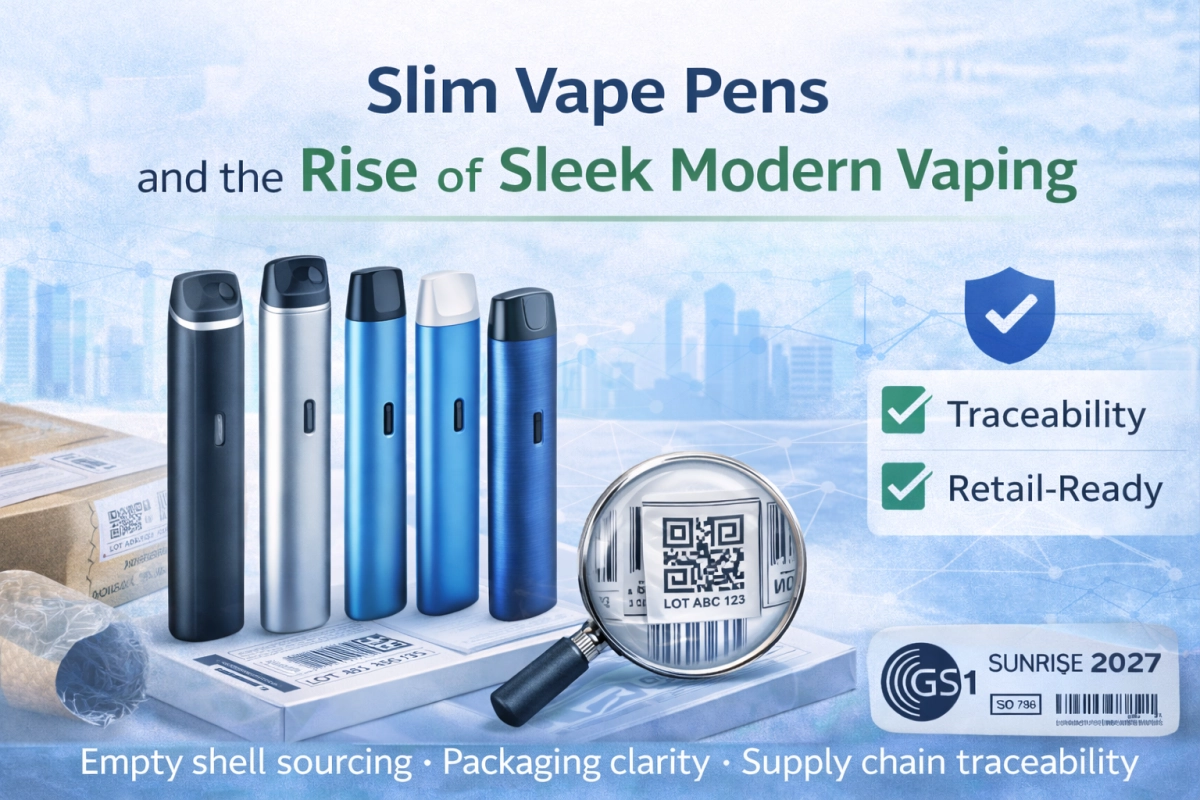
“Slim” isn’t just a look. In the slim vape pen market, sleek form factors are tied to materials, manufacturing discipline, packaging readiness, and traceability. This trend-focused guide explains what changed, why it changed, and how B2B buyers can evaluate a mini vape format without turning the page into sales copy.
What changed in “slim” pen design
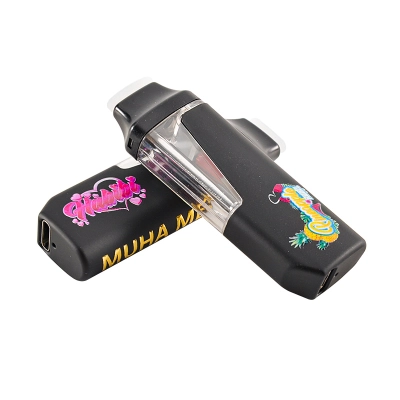
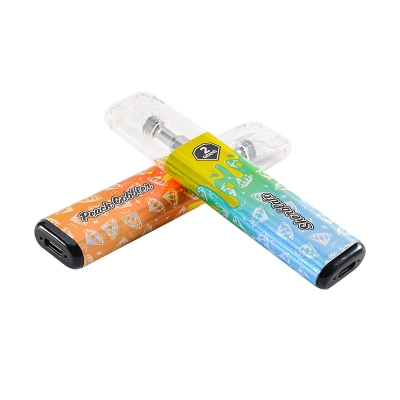
A slim vape pen used to mean “thinner body, same everything else.” Today, “slim” is a system outcome: tighter tolerance stacking, more consistent assembly, and cleaner surfaces that survive handling, inserts, and retail packaging. The visual trend happened because buyers started treating form factor as a proxy for supply stability.
On catalog pages, “slim” increasingly overlaps with mini vape intent: compact silhouettes, fewer visual seams, and standardized pack-out. If you want an on-site hub that matches that compact intent, your site’s most direct internal reference is mini vape.
Three forces pushed the market toward slim
- Brand consistency: slim profiles photograph and list cleanly, reducing “catalog noise.”
- Handling realism: formats that scuff, flex, or rattle get returned more often.
- Procurement discipline: teams prefer repeatable assemblies over one-off shapes.
Why slim formats keep winning shelf and catalog space
Trends don’t become standards unless they lower friction. Slim formats reduce friction in two places: (1) visual merchandising and digital listings, and (2) receiving/inspection workflows. A clean silhouette makes variations easier to spot: misaligned seams, print drift, scratched coatings, or inconsistent openings stand out immediately.
“Slim” is also a logistics story
Compact geometry tends to ship better when packaging is designed around it. Many teams validate pack-out using recognized distribution test frameworks like ASTM D4169 and parcel simulation procedures such as ISTA 3A. The lesson for trend watchers: sleek design is increasingly judged by “arrives clean” performance, not just appearance.
Materials and finish trends that matter to buyers
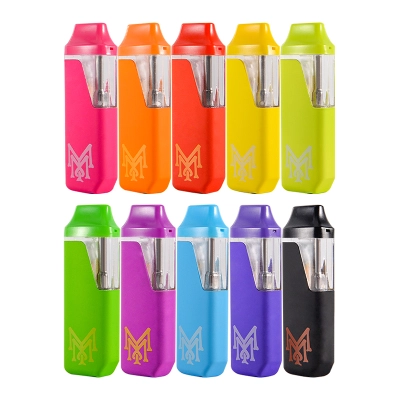
The slim look is rarely “paint and hope.” Buyers see a cluster of finishing moves that signal process control: uniform coatings, stable color matching across lots, and fewer cosmetic sink marks. If two formats look similar, the one with the more repeatable finish usually becomes the long-term pick.
Surface cues that correlate with repeatability
Better signals
- Consistent gloss or matte level across multiple units
- Print alignment that holds at edges and seams
- Scratch resistance that survives insert + carton movement
- Low seam visibility (tight fit, minimal step-off)
Risk signals
- Color shift across units in the same lot
- Soft coatings that scuff during pack-out
- Noticeable rattle (loose internal assembly)
- High seam step-off (tolerance stacking issues)
If you need an on-site reference that keeps the scope empty only and stays format-oriented, link once to your evergreen definition page: empty vape pen.
Screens, indicators, and the new UI expectations
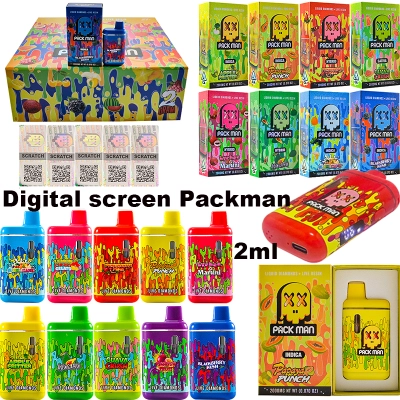
A major visual trend is the move from “plain tube” to “informative body.” Small screens and indicator windows are popular because they create a premium feel without relying on loud graphics. For B2B teams, the key is not the novelty; it’s whether the window, lens, and print areas remain consistent after shipping and handling.
Your best internal cluster page for this trend is the screen-focused collection: screen pens. Use concise anchors like this to keep intent clean and avoid repeating the same anchor multiple times.
What “screen-ready” usually implies (empty only)
- More precise cutouts and tighter cosmetic tolerances
- Higher risk of scratches or haze if packaging isn’t tuned
- More labeling expectations (lot marking, pack-out trace fields)
Packaging and barcode trends shaping retail readiness
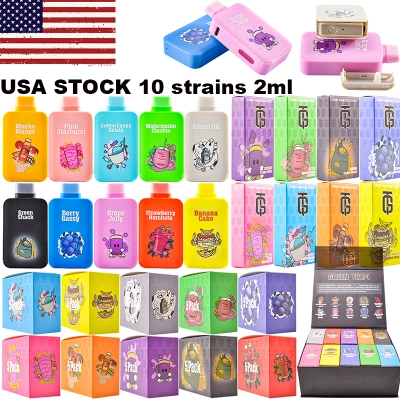
Sleek formats are increasingly paired with “scan-ready” packaging. A key macro trend is the industry shift toward 2D barcodes at checkout under the GS1 Sunrise 2027 initiative. Even if your program is wholesale-first, retail partners often expect packaging to be compatible with evolving scanning workflows. See: GS1 Sunrise 2027.
Handling marks are also becoming more standardized
As cartons get tighter to reduce void space, basic handling marks matter more. ISO provides a common set of pictorial handling symbols used across distribution: ISO 780. For slim formats, the practical takeaway is simple: packaging has to protect cosmetics, not just the unit.
Traceability as a design requirement
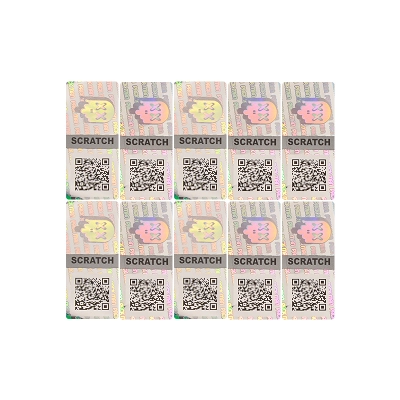
In modern supply chains, traceability is not a paperwork afterthought. It changes how products are specified, labeled, and received. NIST has published a manufacturing traceability meta-framework that explains how structured trace data supports integrity and risk management across supply chains: NIST IR 8536.
For slim formats, traceability shows up physically: consistent lot fields, packaging discipline, and predictable revision behavior. Configuration management guidance such as ISO 10007 is often used as a mental model for controlling what changes, when it changes, and how teams communicate changes.
How to evaluate a slim format without hype
Trend pages become useful when they translate “looks premium” into checks a team can repeat. Here is a practical, non-sales evaluation flow for a slim vape pen program (empty only):
Step 1: Define the “slim” baseline in measurable terms
- Visual spec: finish level, color target, print placement boundaries
- Fit spec: seam step-off limit, rattle tolerance, alignment rules
- Packaging spec: inserts, film, carton clearance, scuff protection
Step 2: Validate packaging realism
- Use a distribution test approach (for example, ASTM D4169) to stress pack-out choices
- Inspect cosmetics post-transport: haze, scratches, edge wear, print rub
- Document what “pass” looks like with photo examples
Step 3: Require trace fields that match how you receive inventory
- Lot identifier that’s consistent across carton and inner pack
- Revision or run marker when changes are introduced
- Simple receiving checklist with pass/hold/reject outcomes
If you want a related internal read that stays operational (not consumer-facing), your blog has a procurement-focused reference here: bulk purchasing guide. Keep it to a single link so the page remains ToFu.
How to structure this topic for search and clusters
To keep intent clean, treat this post as a trend explainer and push definitions to one evergreen page. Google’s documentation on crawlable links and anchor clarity is a useful standard for internal linking hygiene: Link best practices.
Internal link rules for this post
- Use short anchors that describe the destination in plain words.
- Limit to a handful of links (this page uses five) so relevance stays concentrated.
- Keep the pillar phrase mini vape linked once to the most relevant hub-like page.
For overall content quality, align with Google’s guidance on creating helpful, reliable, people-first content: Creating helpful content. That’s especially important for ToFu trend posts, where the best pages explain “why the market shifted” with credible standards and practical checks.
FAQ
Is “slim vape pen” the same as “mini vape”?
They overlap but aren’t identical. “Slim” describes silhouette and cosmetic minimalism; “mini” often signals compact class and portability intent. In search, pairing the two helps you cover both trend language and pillar language without over-optimizing.
What’s the biggest hidden risk in sleek formats?
Cosmetics after shipping: scuffs, haze, print rub, and seam wear. That’s why distribution testing references like ASTM D4169 and parcel simulation (ISTA 3A) show up so often in packaging conversations.
How do we keep this topic “empty only” and still useful?
Write about sourcing signals: finish consistency, pack-out protection, labeling discipline, and trace fields. Avoid any ingredient or fill discussion, and keep the scope note near the top.
3 Comments
Short and informative, thanks!
Helpful content, appreciate it.
Easy to follow, nice article.