
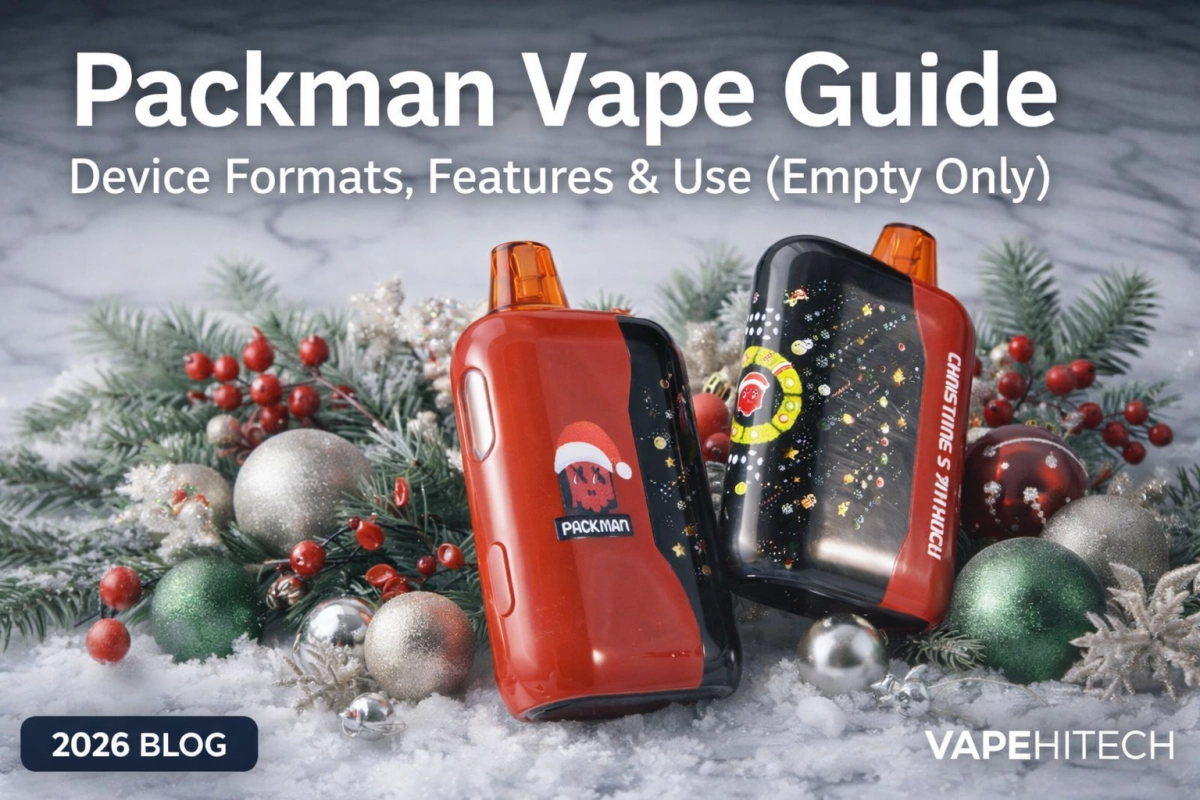
Scope: This guide is empty only. We cover device formats, feature stacks, naming conventions, and mechanical checks that teams can verify during receiving and QA. We do not discuss contents, potency, medical effects, or any filling workflows. Brand names and logos may be trademarks of their respective owners; this page is not affiliated with any trademark holder.
What buyers mean by “packman vape” (ToFu intent)
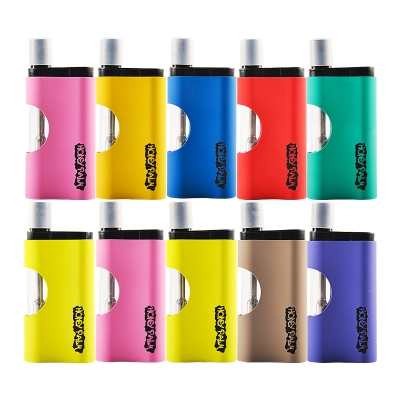
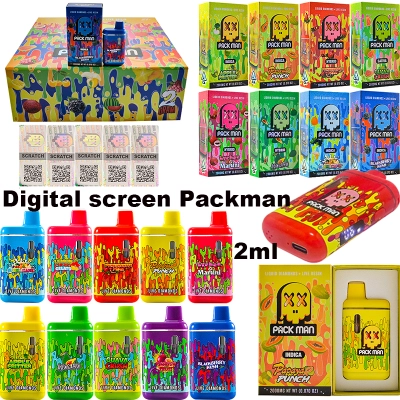
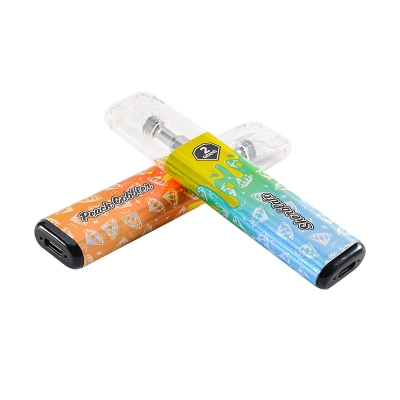
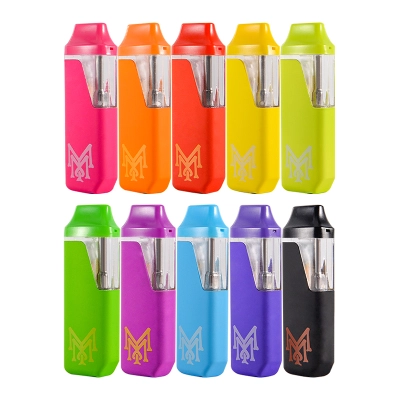
In catalogs, packman vape is often used as a shorthand for a recognizable device family rather than one universal spec. That’s why two people can say “packman vape” and still expect different builds (screen vs. no screen, dual chamber vs. single chamber, different mouthpiece geometry, or different internal sealing approaches).
For ToFu readers, the goal isn’t “pick the best one” — it’s to learn how to separate a name from a build. The fastest way to reduce confusion is to route intent through a family hub, then confirm the exact build at an SKU page.
Navigation rule that prevents “same name, different build” problems
Use a category hub for browsing and education, and an SKU page as your “single source of truth” for what you actually mean.
- packman vape — category hub (best for ToFu browsing)
- 2g packman — category filter (helps narrow format quickly)
- Packman — full collection hub (broad overview)
- Packman & NFL 2G Disposable Vape Pen — example SKU reference (verification)
- Packman disposable guide — deeper internal explainer (background reading)
Common device formats and where confusion starts
1) All-in-one disposable shells
In day-to-day sourcing language, “disposable” usually means a compact all-in-one form where the user experience is driven by assembly quality: seal consistency, airflow repeatability, mouthpiece alignment, and stable internal geometry. For empty-only workflows, treat this format as a mechanical system with repeatable checkpoints.
2) Dual-chamber variants
Dual-chamber builds add complexity: more internal interfaces, more opportunities for tolerance drift, and more ways for “looks the same” devices to behave differently. If your team has higher return sensitivity, dual-chamber families deserve tighter receiving checks and clearer naming.
3) Screen / indicator variants
Screens and indicators are easy to market, but the buyer-safe approach is to treat them as feature claims that still require run stability. If the display window placement or sealing changes across lots, you can see new failure patterns even when the outer shell looks similar.
ToFu takeaway
When a buyer says “packman vape,” your follow-up question should be: “Which format, and which feature stack?” Answering that once (in your spec sheet) prevents weeks of back-and-forth later.
Feature breakdown: what’s real, what’s marketing, what’s verifiable
Materials and transparency
“Premium” is not a spec. For empty-only device sourcing, the practical question is whether a supplier can document what materials are used in the parts that matter: the tank path, the mouthpiece path, and seals and interfaces. If documentation isn’t available, keep language descriptive and avoid guarantees.
Seals and interfaces
Most customer complaints map back to interfaces: micro-gaps, inconsistent compression, or assembly drift that changes how parts seat. Your content doesn’t need lab claims to be useful — it needs a checklist that teaches readers what to look for.
- O-ring seating: consistent fit, no pinching, no visible gaps at joints.
- Joint flatness: clean contact surfaces, no warping or uneven mating.
- Mouthpiece alignment: straight, centered, and repeatable across samples.
Airflow architecture
Airflow is a buyer-facing differentiator even in empty-only discussions because it shapes draw feel and complaint rates. A simple internal rubric (same evaluator, same timing, same scoring) catches “one tight, one open” variance early.
Switching mechanisms (where present)
If a family includes switching behavior (for example, between chambers), treat it as a system of moving or interacting parts. Your reader benefit comes from explaining why variance happens: more interfaces, more tolerance stacking, more sensitivity to drift.
Usage, handling, and receiving routines (empty only)
Receiving: what to standardize on day one
The simplest way to make a device family reliable is to standardize how you receive it: consistent photo angles, a short mechanical checklist, and a documented acceptance rule. ToFu readers don’t need factory secrets — they need routines they can actually adopt.
Handling and storage: reduce avoidable damage
- Prevent cosmetic abrasion: protect display windows and glossy shells during pick/pack.
- Prevent deformation: avoid heavy stacking that can warp thin housings or mouthpieces.
- Keep lots traceable: don’t mix cartons before you record the lot identifiers.
Customer-facing usage language (keep it mechanical)
If you publish usage notes, keep them mechanical and verifiable: explain external controls, indicator meaning, and basic handling. Avoid claims that you can’t verify across lots, and keep anything content-related out of scope.
Editorial guardrail (empty only)
If a sentence depends on what’s inside the device, it doesn’t belong in this guide. Keep the guide about build, geometry, interfaces, and repeatable checks.
Compatibility basics: interfaces, fit signals, mismatch risks
Compatibility is an interface problem, not a name problem
“Compatible” can mean at least three different things: fits the same connection system, matches the same outer form, or belongs to the same catalog group. To reduce returns, define compatibility in interface terms: connection type, seating depth, and stable alignment.
Fit signals your team can verify
- Smooth engagement: no gritty starts, no cross-thread feel where applicable.
- Stable seating: consistent stop point and minimal wobble across samples.
- Alignment: no visible skew that suggests internal drift.
- Lot stability: if a critical interface changes, treat it as a new revision.
ToFu takeaway
The safest compatibility statement is: “compatible with this interface standard and this fit expectation,” not “compatible with everything.”
How to name and document devices without creating returns
Build a “spec spine” (short, repeatable, searchable)
A useful ToFu guide teaches readers how to write names that prevent mistakes. A strong spec spine is short and stable: family name + format + key feature stack + revision cue.
- Family: Packman
- Format: disposable / dual-chamber
- Feature stack: screen / switching / top-fill architecture (if applicable, without workflow details)
- Revision cue: Gen / V / year drop (only if the supplier uses it consistently)
Trademark-safe wording
If you reference brand names that may be protected, keep your language factual and non-impersonating. Avoid implying affiliation, endorsement, or “official” status unless you can substantiate it. A simple disclaimer plus clear product identification is safer than vague branding.
Evidence-based claims
“Leak-proof,” “best,” and “guaranteed” are high-risk phrases unless you have evidence and stable process control. Educational content builds trust by focusing on measurable checks and documented controls.
QC scorecard: incoming inspection + sampling discipline
This scorecard is designed for empty-only device families where the main risks are assembly drift and interface inconsistency. It uses practical checkpoints that many teams map to attribute sampling in their own SOPs.
| Checkpoint | What to inspect | Pass signal | Typical failure | Buyer action |
|---|---|---|---|---|
| Fit & finish | Flash, burrs, surface defects, window alignment | Clean edges; consistent alignment | Sharp edges; misaligned windows | Hold lot; request revision notes |
| Seal discipline | O-rings, joint gaps, interface cleanliness | No pinched seals; no visible micro-gaps | Pinched seals; inconsistent gaps | Tighten receiving checks; document with photos |
| Assembly alignment | Mouthpiece straightness; consistent part seating | Centered, repeatable alignment | Skew or tilt across samples | Escalate to supplier; treat as drift risk |
| Airflow repeatability | Standardized draw scoring across samples | Scores cluster tightly | Wide variance (tight vs. open) | Increase sampling; request process controls |
| Run control | Lot ID, revision labeling, change control notes | Traceable lots; clear revision markers | No traceability; silent changes | Don’t scale listings until documented |
How to keep QC “light” but effective
Keep the routine short (10–15 minutes per lot), but consistent. Consistency beats complexity: the main goal is to detect drift before it becomes a customer-facing pattern.
Publishing notes: structure, markup, and reader trust
Make the guide scannable
- Use a short scope note early (what’s included and excluded).
- Use a table of contents for fast navigation.
- Prefer checklists and “pass/fail” language readers can apply.
Use markup only when it fits the page
If you add structured data, keep it accurate and aligned with the visible content. A guide page may qualify for Article markup, and a true FAQ section may qualify for FAQ markup. Don’t add markup that doesn’t match what readers see.
Trust signal that works without sales copy
Define what can be verified (interfaces, seals, alignment, traceability) and avoid overpromising. That single habit makes ToFu content feel credible to both buyers and search engines.
FAQ
Is this a consumer guide about contents or effects?
No. This page is empty only and focuses on device formats, feature stacks, and mechanical checks.
Why do “packman vape” listings vary so much?
Because the phrase is often used as a family label rather than a single universal specification. Format + feature stack + revision is what keeps expectations stable.
What’s the fastest way to reduce returns?
Route readers through a category hub, confirm the build at an SKU reference page, and standardize a short incoming inspection scorecard.
References
- Google Search Essentials
- Creating helpful, reliable, people-first content
- Article structured data
- FAQ structured data (FAQPage)
- Schema.org: FAQPage
- USPTO: Trademark basics
- FTC: Native Advertising (business guidance)
- FTC: Advertising and marketing basics
- ATF: PACT Act overview
- USPS PostalPro: Tobacco / ENDS classification
- ISO 2859-1: Sampling procedures for inspection by attributes (AQL indexed)
- ASQ: ANSI/ASQ Z1.4 acceptance sampling overview
- ISO 2768-1: General tolerances (linear & angular)
- ISO 286-2: ISO system of limits and fits (holes and shafts)
- ISO 3585: Borosilicate glass 3.3 — Properties
- ASTM E438: Glasses in laboratory apparatus (classification & properties)
References are provided for terminology alignment, documentation discipline, and publish-safe structured data guidance.


3 Comments
Useful content. Keep it up.
I enjoyed reading this post.
Helpful information. Thanks!