
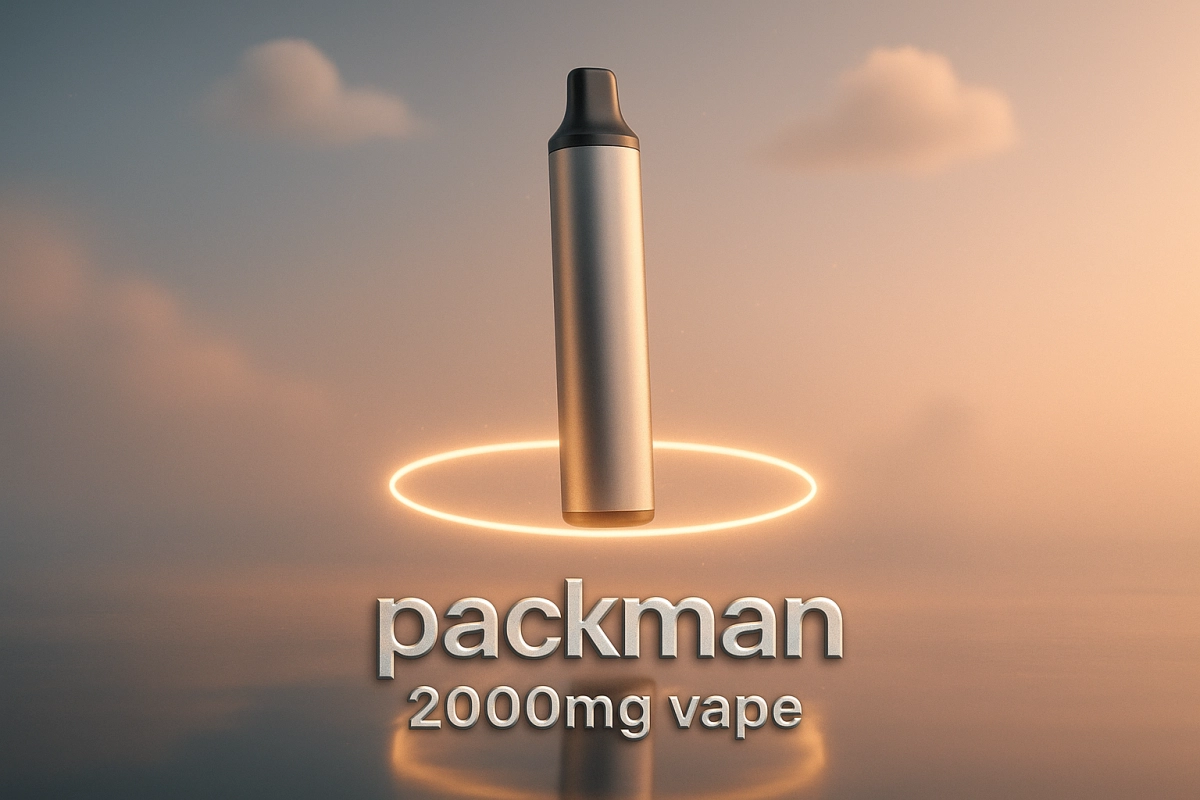
This page is written for B2B teams buying empty hardware only. If you’re shortlisting packman 2000mg vape (often used to mean a 2 ml shell), start here: we clarify mg vs ml, show the thick-oil setup that actually works, and share a reproducible acceptance plan your warehouse can run in minutes.
1) “2000mg” vs “2 ml” — how to spec empty shells
Milligrams (mg) indicate weight; milliliters (ml) indicate volume. For empty shells you should specify by ml—e.g., “2 ml shell (Packman-format).” Keep unit language consistent across your PO, carton labels, and product page to reduce disputes. If a vendor lists “2000mg/2g,” ask them to also state the reservoir volume in ml on the spec sheet.
- Preferred capacity notation: “2 ml shell” (do not imply liquid content).
- Receiving tip: the same unit appears on box, inner, and device label.
2) Thick-oil setup that works in Packman-format shells
Core parameters
- Ceramic coil around 1.2–1.6 Ω (stable, predictable warmth).
- Dual inlets ≥ 2×1.8 mm to support high-viscosity oils.
- Brief preheat to prime; avoid long preheat that mutes top notes.
- Output stability: no sudden sag during a 10-puff sequence.
Why these ranges?
For thicker matrices, larger inlets and moderate resistance help prevent starvation while controlling condensate. A brief preheat raises responsiveness without overwhelming citrus/fruit top notes. Keep mouthpiece seal torque in a defined window to minimize pooling.
3) The 30-unit acceptance plan your warehouse can run
Use these three quick checks to stabilize lot-to-lot experience and cut downstream tickets.
| Check | Method | Target / Pass-Fail | Why it matters |
|---|---|---|---|
| Draw resistance | Measure pressure drop (ΔP) at a fixed flow; compute CV% across 30 units. | CV% ≤ 10% | Uniform airflow preserves flavor clarity; high variance = inconsistent user feel. |
| Mouthpiece torque | Record opening torque; monitor window & range. | 0.18–0.22 N·m; range ≤ 0.06 N·m | Correct seal reduces pooling/condensation and keeps draws clean. |
| Condensation hold | 24 h upright + 2 h horizontal; inspect first draw & mouthpiece. | Pass = no visible pooling; first puff not “muted”. | Simulates shelf & transport; catches borderline assembly. |
Tip: log lot ID, carton photos, and results in a simple sheet to build supplier scorecards.
4) Authenticity & compliance pack (what to request)
- GS1 lot/serial on carton → inner → device (one-to-one mapping). See GS1 standards.
- Battery/transport: UN 38.3, IEC 62133-2.
- Electrical system baseline: UL 8139.
- Materials: REACH / RoHS declarations; optional ISTA transport simulation for case packs.
5) Local stock or DDP? Picking the right fulfillment path
- Local US/EU warehouses: fastest replenishment, easier RMAs, predictable 2–9 day windows depending on service level.
- DDP direct-to-door: better for larger, planned drops; quote duties, surcharges, and transit buffers in advance.
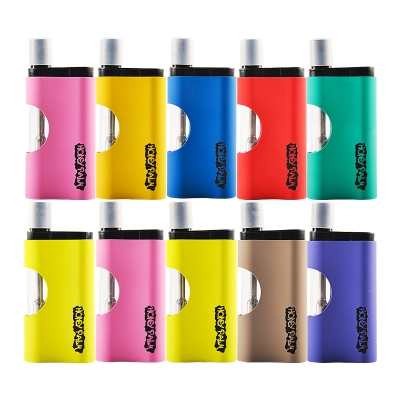
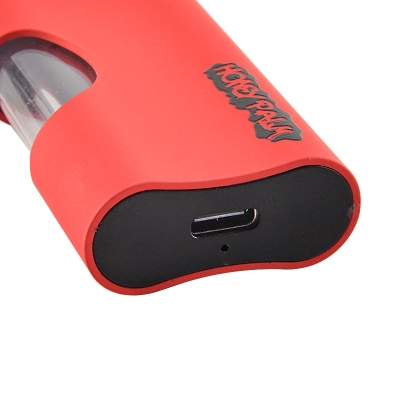
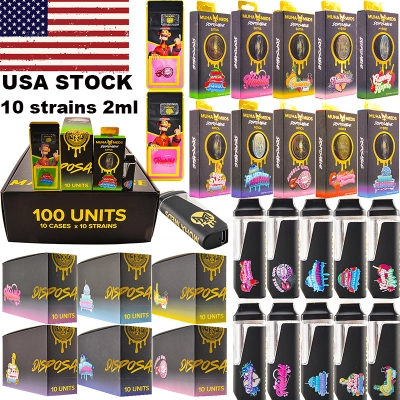

2 Comments
Short and informative, thanks!
Loved this post! Very clear and simple.