
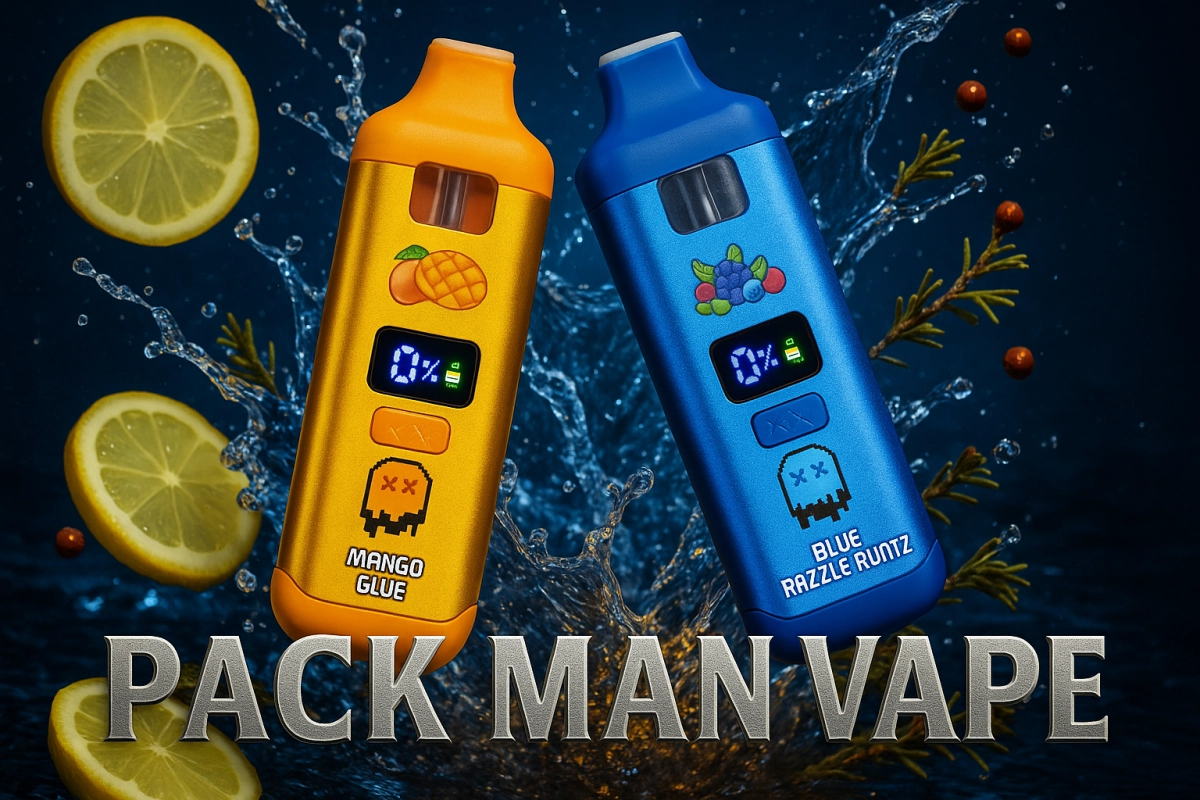
BoFu · Commercial/Comparison · Focused on pack man vape. Hardware-only education — no liquids, nicotine, or cannabis supplied.
What this guide covers
This page explains how pack man vape devices are positioned across capacities and features, why certain builds cost more, and how to compare value using cost-per-gram and cost-per-100-puffs. Language is neutral and B2B focused; the discussion is about empty shells only.
What “pack man vape” means (hardware only)
We’re referring to device shells: tank/mouthpiece materials, ceramic cores and intake ports, battery + BMS, and simple firmware (preheat/time-out). Performance depends on how resistance, intake size, and power curve are matched and tested under routine vaping-machine conditions (see ISO 20768 / CORESTA Recommended Methods in References).
Lineup: 1g vs 2g formats and who they fit
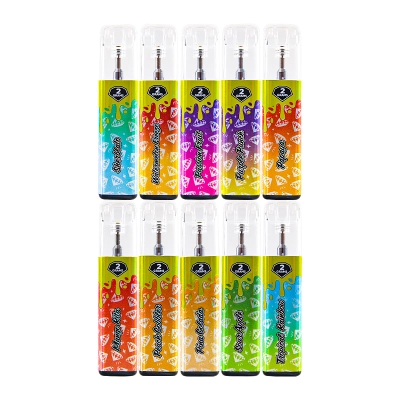
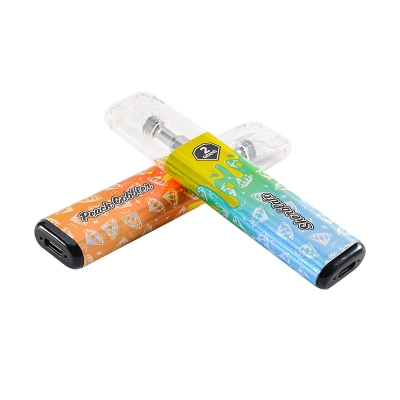
The 1 g class favors portability and conservative daily use; the 2 g class prioritizes fewer refills and stronger cost-per-gram economics. Two concrete anchors on our site: packman 2g disposable and packman 1g disposable.
| Capacity | Typical use case | Pros | Trade-offs |
|---|---|---|---|
| 1 g | Compact runs; lighter daily sessions | Smaller form factor; lower unit price | Higher refill frequency; cost-per-gram may be higher |
| 2 g | Longer sessions; fewer refills | Better cost-per-gram; room for larger cells and features | Higher unit price; slightly larger body |
Feature premiums & value (screens, dual-chamber, cells)
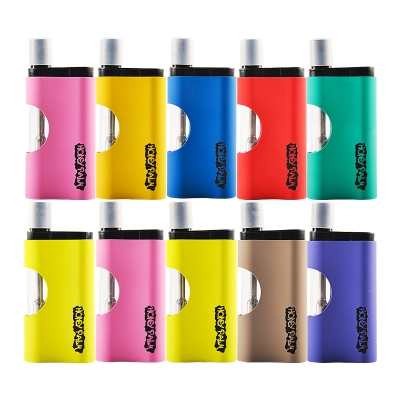
Some builds add premium parts and test time, but pay back with repeatability or flexibility. Example: dual-chamber routing with a compact display improves flavor switching and battery visibility; see our seasonal model Packman Halloween 2g dual-chamber for a concrete form factor.
- Display / dual-chamber: adds MCU, routing, and firmware → higher unit price; value is stability and clean flavor switching.
- Cell capacity & BMS: larger mAh + tighter limits (UVP, OCP, time-out) → better output repeatability → fewer returns.
- Ceramic & intake tolerances: higher-yield cores and well-matched intake diameters reduce spit/dry hits, but increase BOM and upstream QC time.
Cost per gram & per 100 puffs (quick math)
Use the live unit price you see at checkout. Replace [PRICE] with that value.
Per-gram cost
2 g device:  cost_per_gram = [PRICE] / 2
1 g device:  cost_per_gram = [PRICE] / 1

Per-100-puffs (illustrative)
Assume ~6 mg oil per puff (coil/intake/power dependent).
puffs_per_gram ≈ 1000 / 6 ≈ 166 puffs
2 g device ≈ 332 puffs → cost_per_100 = [PRICE] / (332/100)
Tip: validate “mg per puff” with a simple 50-puff mass test (0/25/50) under repeatable draw settings.
Consistency & QC you can verify
- Mass-by-difference (50 puffs): track consumption and 24-hour hold loss (≤2% is a practical screening target).
- Electrical sanity: record coil resistance at rest and under-load voltage drop on the first draws; large sag suggests cell IR or aggressive current limits.
- Documentation: ask for UN 38.3 Test Summary (battery transport), and context for UL 8139/IEC 62133-2 where applicable.
Compliance & logistics that move the landed price
Final cost depends on paperwork and freight mode for lithium batteries. These authorities explain why: UL 8139, IEC 62133-2, UN 38.3, IATA Lithium Battery Guidance (2025), ISO 20768 & CORESTA Recommended Methods.
Further reading on Vapehitech
Browse our neutral how-tos and case articles here: Packman guides.
References
- UL 8139 device/battery electrical safety (overview): UL Solutions
- IEC 62133-2 portable Li-ion cell safety principles: iec.ch
- UN 38.3 transport testing (UN Manual of Tests & Criteria): UNECE
- IATA Lithium Battery Guidance (air transport): IATA
- ISO routine vaping-machine methods (ISO 20768 and amendments): ISO
- CORESTA Recommended Methods (aerosol collection & puffing): CORESTA





2 Comments
Great job!
good